
Health & Care
Most people enter nursing with a clear picture of the destination and a fuzzy one of the road there. They imagine the work itself, the patients, the sense of doing something that matters. What comes first is a stretch of school that is harder, faster, and more demanding than most expect going in. Nursing programs compress an enormous amount of clinical knowledge into a short window and ask students to apply it under real conditions while they are still learning it. Knowing what that actually looks like before you commit makes the difference between finishing and stalling out. Choosing the Right Path In Prospective students often pick a program based on what a friend did or what a school happened to advertise, without checking whether the structure matches their own background. That choice shapes the next two to four years of their life, along with how much they pay and how soon they start earning. Anyone weighing traditional vs accelerated BSN options should look at how prior education factors in first. A traditional program runs at least 120 credit hours across four years, while an accelerated route typically covers around 60 because general education requirements are already met. The Weekly Time Commitment The number that surprises people most is the hours. Full-time nursing study is not a class schedule with study time around it. It is closer to a demanding job, and in intensive formats it can consume most of the waking week once lectures, independent coursework, assignments, and clinical hours are counted. Students who plan to work through it frequently find that they cannot, or that their grades pay for the attempt. Working out honestly what your finances require before enrolling is one of the more important decisions in the whole process. Coursework That Builds on Itself Nursing content is cumulative […]

Most people think of recovery as something that happens after a hard session: a foam roller, an ice bath, maybe a rest day marked on the calendar. But the truth is that recovery is built long before you ever step onto a mat or lace up for a run. It is shaped by the small, ordinary choices you make between workouts, how you sleep, what you eat, how much you move throughout the day, and even the shoes you wear to the shops. If training is the stimulus, everyday habits are what turn that stimulus into progress. Skip the habits and the workouts stop paying off, no matter how hard you push. What Recovery Really Means Recovery is not a single event. It is the ongoing process your body uses to repair muscle, replenish energy stores, and reset your nervous system so you can perform again. This happens continuously, not just in the hour after exercise. Sleep, meals, posture, hydration and daily movement all feed into that process. That is why two people can follow the exact same training plan and get very different results. The one who sleeps well, eats sensibly and stays active throughout the day will almost always recover faster and adapt better than the one who trains hard and then does nothing to support it. The Everyday Habits That Do the Heavy Lifting You do not need anything fancy to recover well. A few consistent habits make a bigger difference than most supplements or gadgets ever will. Sleep, ideally seven to nine hours a night, since this is when most tissue repair takes place Steady hydration throughout the day, not just around training sessions Balanced meals with enough protein to support muscle repair Short walks or gentle movement on rest days to keep blood flowing Comfortable, […]

Injuries suck. Plain and simple. You’re training hard, making progress, and then bam — you’re sidelined. It throws everything off, and bouncing back takes time. Rest, physical therapy, and checking in with your doctor are still the most important things you can do. But a lot of athletes are also turning to cold therapy to give their recovery a little extra help. Cold exposure has been getting a lot of buzz lately — pro teams are using it, and so are regular gym-goers. People turn to it to ease soreness, speed up recovery, and just feel better after a tough workout. The good news? You don’t need a fancy sports facility anymore. Home cold plunge setups with cold plunge chiller make it easy to keep water at a steady temperature without the headache of buying ice every time. Just set it and forget it — no more running to the store. What Cold Therapy Actually Does Cold therapy is pretty simple: you expose your body to cold temperatures for a short, controlled period. That could be an ice pack, a cold shower, an ice bath, or a plunge tub. When cold water hits your skin, your blood vessels tighten up. That can help reduce swelling and discomfort after a tough workout. Then, as you warm up, blood flow increases and everything opens back up. For athletes dealing with intense training or minor injuries, this process can make recovery feel more manageable. But let’s be clear — cold therapy isn’t a magic fix. It’s a tool, not a replacement for medical care. Why Athletes Use Cold Therapy During Recovery 1.It Takes the Edge off Soreness This is probably the biggest reason athletes hop in cold water. After heavy lifting, long runs, or high-impact sports, your muscles feel wrecked. Cold exposure can […]

An athlete can follow a demanding training plan yet struggle to remember appointments, organize meals, or finish routine tasks. That contrast sometimes causes people to dismiss attention-deficit/hyperactivity disorder (ADHD). Athletic discipline does not rule it out. ADHD can affect planning, attention, impulse control, and emotional regulation. Exercise may ease certain symptoms for a short time, but it does not diagnose, cure, or replace treatment for ADHD. For athletes, the useful question is not whether ADHD makes someone better or worse at sport. It is how a person’s symptoms interact with training, competition, nutrition, recovery, and life away from the field. What Can ADHD Look Like in an Athlete? ADHD is a neurodevelopmental condition marked by persistent inattention and/or hyperactivity and impulsivity that interferes with daily functioning. The National Institute of Mental Health notes that adults may have trouble staying organized, managing time, remembering tasks, following instructions, or resisting immediate rewards. These difficulties must be frequent, persistent, and present in more than one part of life. A missed workout or distracted practice does not indicate ADHD. Sleep loss, stress, anxiety, depression, under-fueling, and overtraining can cause similar problems. Sport may also provide the structure that an athlete finds hard to create elsewhere. Fixed practice times, clear goals, coaching feedback, and immediate consequences can support attention. Problems may become easier to see during travel, injury rehabilitation, the off-season, or a move to a less structured team. Adult diagnosis is not rare. A 2024 CDC report estimated that 15.5 million U.S. adults, or 6%, had a current ADHD diagnosis in 2023. Among them, 55.9% reported receiving the diagnosis at age 18 or older. Those survey findings apply to U.S. adults generally, not specifically to athletes. How Might ADHD Affect Sports Performance? The effects differ by person and sport. Inattention may make long tactical […]

The same disciplined evaluation that informs other consequential training decisions translates to clinic selection. Multi-disciplinary clinics
Recovering from a lower-body sports injury challenges both physical healing and daily functioning. The sudden loss

Active older sports fans face a medical-alert conversation that often arrives around a family birthday, an

Picking the right soccer ball size may seem simple, but it makes a big difference in
I have treated active people for more than 15 years, and I have seen how a
After an injury or surgery, movement can feel limited and frustrating. Physical therapy often includes different

I have worked in health and care for more than 15 years, and many people ask

With over 15 years in health and care, I often get asked a simple question: what
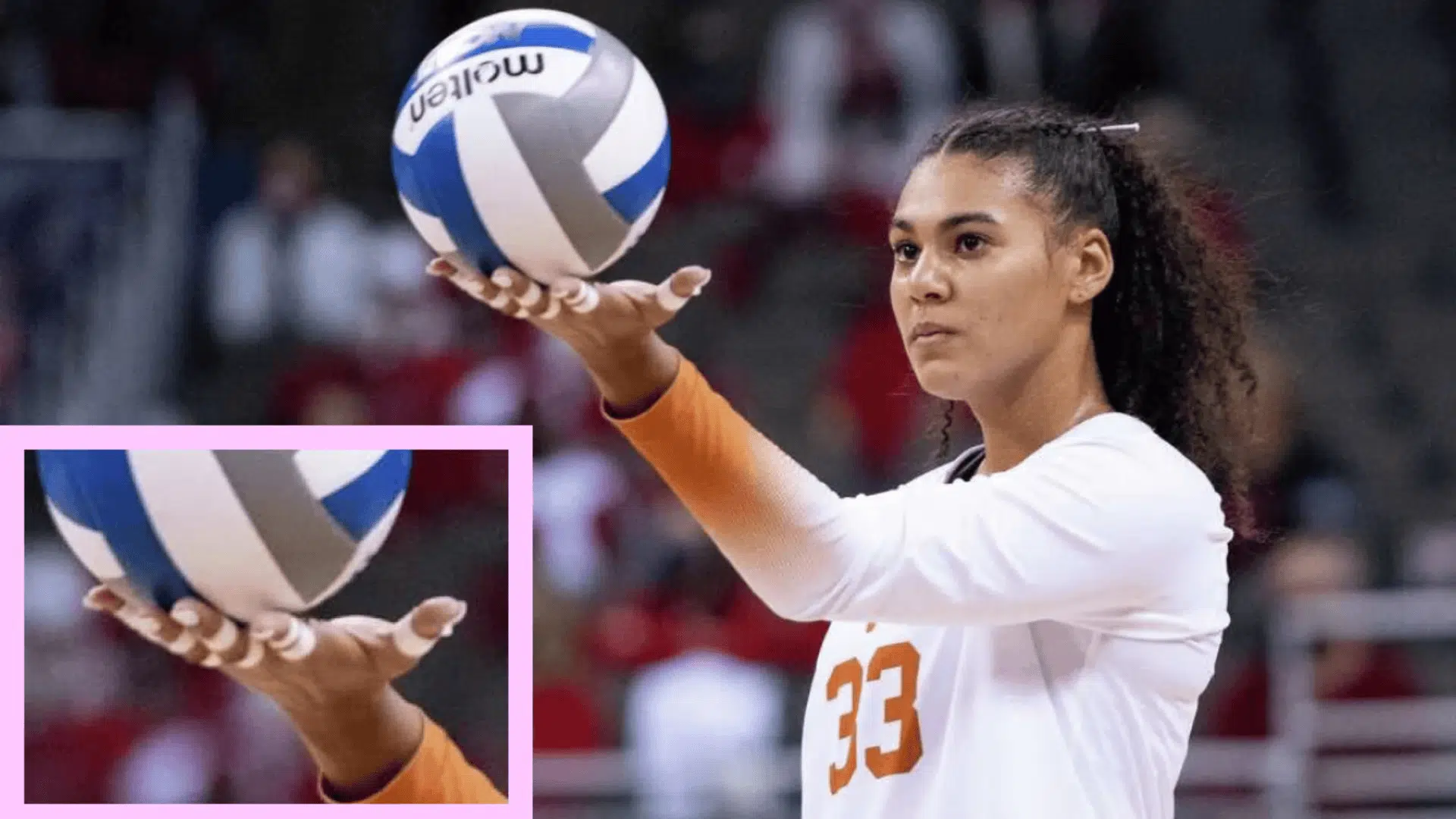
Volleyball players show up with taped fingers all the time, and it makes a lot of

Ever felt that annoying pain in your elbow that won’t go away? You’re definitely not alone.

Are you training for a race and wondering what to eat? Your nutrition matters just as

Runner’s knee can feel annoying and confusing, especially when the big question is, “How long will