
May 28, 2026
Setting up a home gym means making smart choices about which equipment will actually help you reach your goals. Dumbbells, kettlebells, and sandbags all bring something unique to strength training, but they work in pretty different ways. The right pick depends on your goals—and, honestly, on what you enjoy using. Your best equipment choice comes down to your specific training goals, available space, and workout style. Dumbbells are ideal for classic strength moves and let you bump up the weight in small steps. Kettlebells shine for dynamic, powerful movements. Sandbags? They’ll test your stability and grip like nothing else. This guide breaks down how each piece of equipment performs for different training objectives. You’ll also get a sense of the practical stuff—cost, space, and what actually fits your vibe. Let’s see what deserves a spot in your home gym. Comparing Equipment Types for Different Training Objectives Each tool offers distinct advantages depending on whether you’re building maximum strength, improving movement quality, or developing new skills. Your choice should match your primary training goal and workout style. Strength Building Potential Dumbbells are the go-to for pure strength and muscle growth. You can increase the load in small jumps and stick to classic exercises like bench presses, rows, and shoulder presses with stable, controlled movements. The balanced weight makes it easier to push heavier without worrying about awkward shifts mid-rep. Kettlebells are better suited for strength endurance than max strength. Their off-center weight makes heavy presses a bit tricky—there’s just more wobble, so it’s tough to go as heavy as you might with dumbbells. Still, they’re fantastic for building strong hips and posterior chain muscles through swings and ballistic moves, even if they don’t quite match dumbbells for raw strength gains. Sandbags bring a whole different challenge. The shifting sand inside forces […]

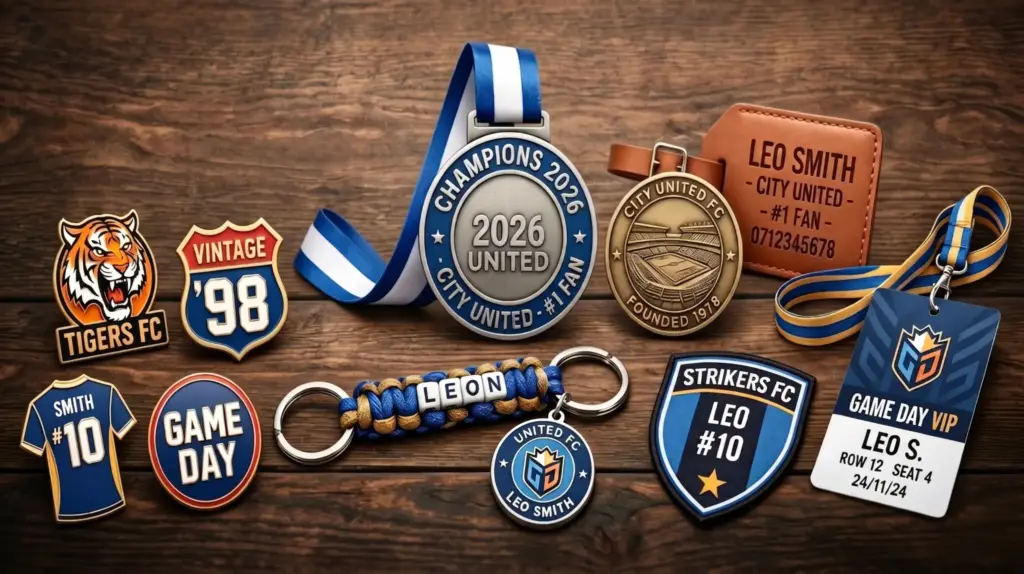
Sports merchandise trends have shifted toward personalization and limited-run collectibles. Consumer expectations for sports merchandise have gradually evolved alongside personalization trends. Basic team clothing and live game viewership alone can’t meet their expectations anymore. They tend to pick special, made-to-order items. Global sporting events like the FIFA World Cup always push up orders for custom fan goods. With fans eager to show support for national sides and join in trending fan activities, personalized items see a clear sales surge. Across these worldwide competitions, supporters rush to buy national-themed keepsakes, memorial pieces, and exclusive limited runs linked to game results and team spirit. These custom sports fan gifts work for both hobby collectibles and daily use during games. They help fans hold onto the thrilling moments of games and enjoy the collective happiness of supporting the same team. Better yet, upgraded design solutions and faster production workflows have made personalized sports gifts easy to obtain and reasonably priced, for regular fans and sports groups in general. Why Personalized Sports Gifts Matter Most fans don’t see custom sports gear as simple merchandise. Instead, they treat these items as valuable mementos. They represent each person’s individuality, deep emotional ties, and the shared experiences that define sports culture. Bulk-made goods struggle to convey personal style and special sentiments as effectively as custom pieces do. This explains why personalized sports gifts stay popular with fans, teams, and sports organizations. A few key factors are driving this ongoing trend: 1)Emotional Connection for Fans All the thrills of live matches and warm memories of cheering for a favorite team can be kept alive with custom-made gifts. These special mementos help fans keep their fond feelings toward games, teams, and classic tournament moments, long after the events end. 2)Fan Engagement Generic retail products fail to build strong group […]
Have you ever tried to picture how big an acre really is? Most people hear land measurements in acres, but those numbers can feel hard to imagine. That’s why football fields are often used for simple size comparisons. I used to think a football field and one acre were exactly the same size until I looked at the real measurements side by side. A standard football field covers about 1.32 acres when you include the end zones. Still, many people think it is exactly one acre, which leads to confusion. You may also see different numbers online because some measurements leave out parts of the field. This guide explains football field size, acre measurements, and how fields compare to other sports grounds and real-world spaces. And by the end, the football field size will be easier for you to picture. Quick Answer: A full football field (including end zones) = 1.32 acres / 57,600 sq ft / 120 yards × 53.3 yards. Without end zones = approximately 1.1 acres. How Many Acres Is a Football Field? A standard American football field covers about 1.32 acres when the end zones are included. This is the official field size used in the NFL, college football, and most high school games. The full field measures 120 yards long and 53.3 yards wide, which equals 57,600 square feet in total. The total field size includes the 100-yard playing area, two 10-yard end zones, and the full official width of the field. Many people use football fields as a simple way to picture large spaces because the size is familiar and easy to understand. You may also notice that some websites mention a football field is about 1.1 acres. That number usually refers only to the main playing field without the end zones. Once the end zones are added, […]

Football has been around for a long time, but there are still many things about the sport that surprise fans every year. I always enjoy hearing small stories, old records, and strange moments from football history because they show how much the game has changed over time. If you enjoy learning new football facts, you are going to find plenty of interesting details here. This blog covers famous NFL moments, player records, football history, surprising rules, team stories, and fun trivia that many fans miss. I kept everything simple and easy to read so you can quickly go through each section without feeling overwhelmed. You might already know some of these football stories, but there is a good chance you will also come across a few things you have never heard before about the game and its long history. Football History and Origins Football has changed significantly over the years, but the sport originally began with games played in schools and colleges during the 1800s. Many early football games looked very different from the modern version fans watch today, with rules that closely resembled rugby. Over time, coaches and rule makers introduced important changes that helped shape the sport into its current form. Rules such as the forward pass, downs, and the line of scrimmage made the game faster, more organized, and more exciting to watch. College football played an important role in boosting the sport’s popularity and attracting larger crowds. As the game continued to grow, professional teams became more common, eventually leading to the rise of the NFL as one of the biggest sports leagues in the world How Have Football Rules Changed Over Time? Football rules have changed many times to make the game safer, faster, and more exciting for fans.Many of the modern NFL rules used […]
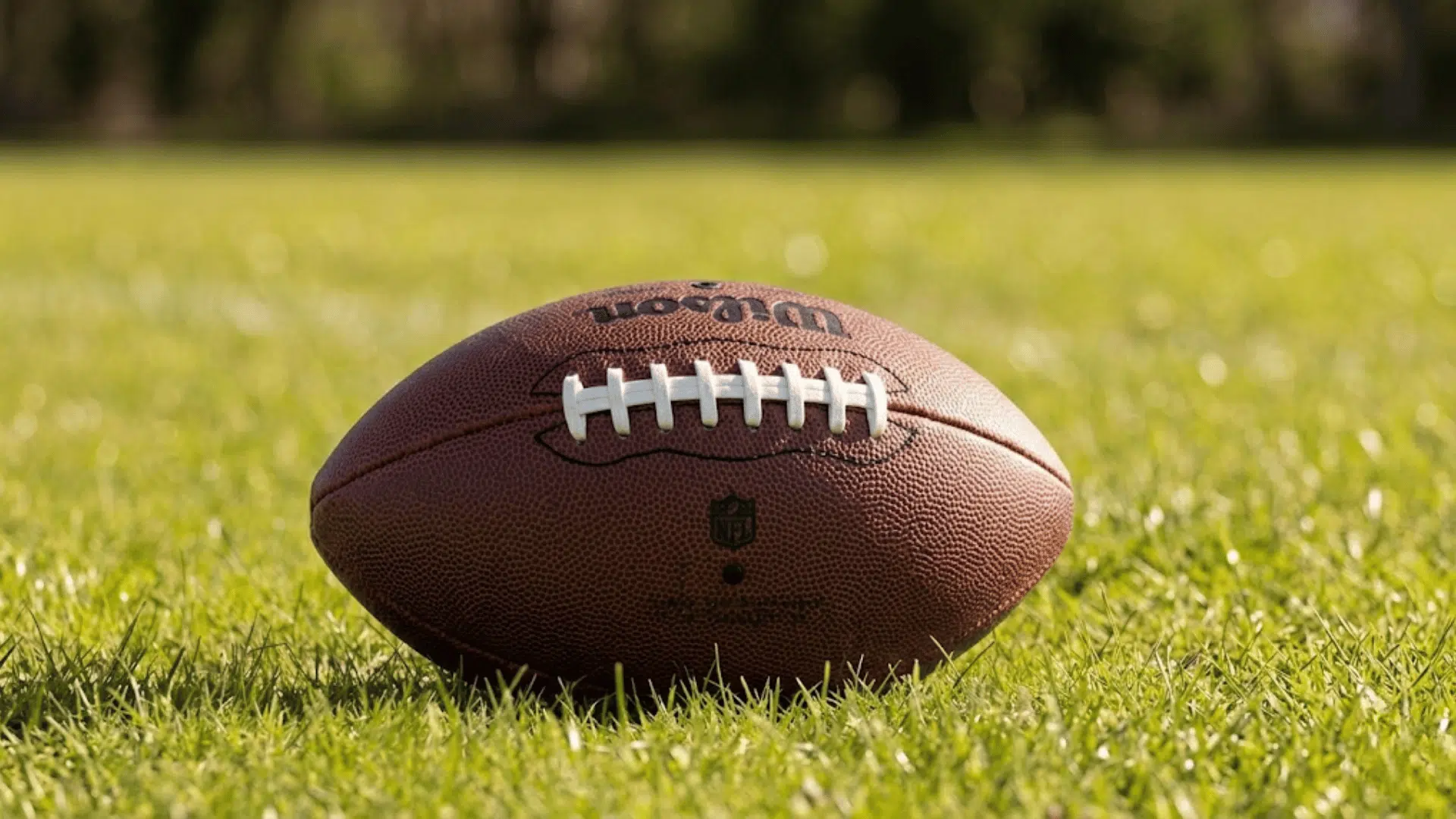

I remember hearing football commentators talk about wheel routes, and at first, I had no idea

After a hard workout, it’s common to wake up feeling sore and wonder if that pain

Training hard is important, but recovery matters just as much. I’ve learned that using the right