
Home & Gym
Many lifters who train alone stall after their first year or two, with the same weights on the bar for months. The program still looks fine on paper, yet the numbers stop moving. The missing piece is often feedback, not effort. Pairing one-on-one coaching and strength training gives you a second set of eyes on every rep and a plan that adjusts each week. It also adds someone who notices fatigue before it turns into injury. For athletes and serious gym-goers, that combination can turn a stuck program into steady progress again. Why Do Self-Coached Lifters Hit Plateaus? Self-coached lifters plateau because they cannot see their own blind spots. A squat that feels deep may stop two inches short. A deadlift that feels strong may drift forward off the hips. Without outside feedback, small errors repeat thousands of times and cap how much weight the body can safely handle. A coach spots those faults in seconds, because watching from the outside is the whole job. Programming creates a second ceiling. Many people follow a generic plan built for someone else’s schedule, recovery, and sport. Athletes also need strength that carries over to the field. Athletic performance training blends strength with speed, power, and movement skill, and a copied spreadsheet rarely does that well. What Happens in the First Sessions With a Coach? The first sessions focus on assessment, not exhaustion. A good coach watches how you squat, hinge, push, and pull, then checks mobility, training history, and old injuries. Simple tests, such as a bodyweight squat or a plank hold, reveal how you move before real load goes on the bar. Those details shape every program decision that follows. Goal setting comes next, and it should be specific. “Get stronger” becomes a 20-kilogram increase on the deadlift in 16 weeks, […]

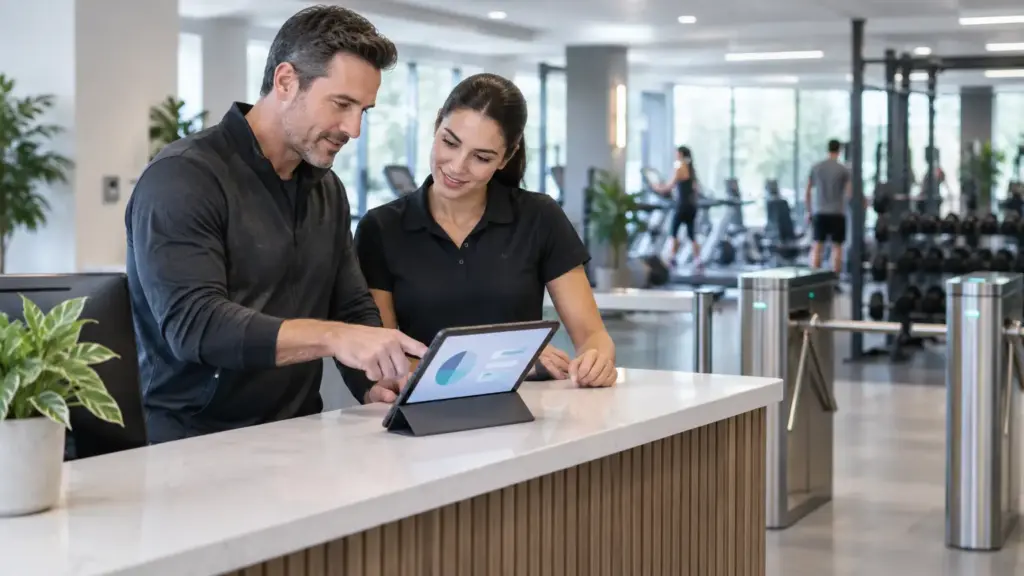
The traditional gym schedule is becoming less compatible with the way people actually live and work. In 2025, a record 81 million Americans belonged to a gym, studio, or fitness facility, up 5.2% from 2024. Americans also made nearly 7 billion fitness-facility visits during the year. Across almost 11,000 U.S. facilities tracked separately, average annual visits reached more than 184,000 per location, a 4.2% increase from 2024. At the same time, work schedules have become less predictable. Shift workers, healthcare professionals, parents, commuters, students, and remote workers may want to exercise at 5 a.m., during a late lunch break, or after 10 p.m. A gym that operates only during conventional staffed hours can struggle to serve all of them. This helps explain the growing appeal of round-the-clock fitness. Major operators already demonstrate the scale of the model. Anytime Fitness, for example, advertises 24/7 access across more than 6,000 gyms globally. But keeping a gym open all night requires more than leaving the lights on. Automated entry, access permissions, monitoring, and connected software are making the 24/7 model practical. Here is why that combination is changing what members expect from a modern gym. 1. Fitness Is Starting to Fit Around People’s Schedules For years, gyms largely expected members to organize workouts around operating hours. The 24/7 model reverses that relationship. The facility becomes available around the member’s schedule. That flexibility matters because the modern fitness audience is broad. Someone finishing a hospital shift at midnight has very different availability from an office employee who trains before work. Parents may find their only uninterrupted workout window early in the morning, while students and hospitality workers may prefer late evenings. The sheer growth in gym participation makes flexibility more important. In 2024, 77 million Americans were fitness-facility members, representing roughly 25% of the U.S. […]

Buying gym software can look like buying a new treadmill: compare the specifications, check the price and choose what seems impressive. But the right software depends on how your club runs. Before committing, test whether it handles the work your staff and members need to do. A long feature list won’t make up for gaps in those everyday tasks. Start With Your Club Model, Not the Feature List A small studio running a limited class timetable has different needs from a large club offering round-the-clock access or a personal training gym operating by appointment. A generic recommendation may overlook those differences. Ask for a demonstration built around your club’s model so you can see the relevant features at work, rather than watching a sales presentation and trying to imagine the fit. Before you even look for software, remember the point of it is to work for you. So write down what you actually need out of your software. Do clients walk-in? Book a session/rental? Reserve time in a class? Check-in at the front desk? What about no-shows and cancellations? Maybe you sell packages or memberships, personal training, or rental equipment, all of which you need software to track. Maybe you’re the person using this software, maybe you’ve even got software you’re mostly happy with right now but are growing and found an essential function is missing. Make a shortlist of your actual needs and reference it as often as necessary in the next steps when you’re thinking about what each software can do for you. Treat Billing Flexibility as a Retention Lever, Not a Back-Office Detail Billing problems can damage a member’s experience, so look at how the system handles them before signing. If a card expires and a payment fails, who finds out and what happens next? Don’t assume […]
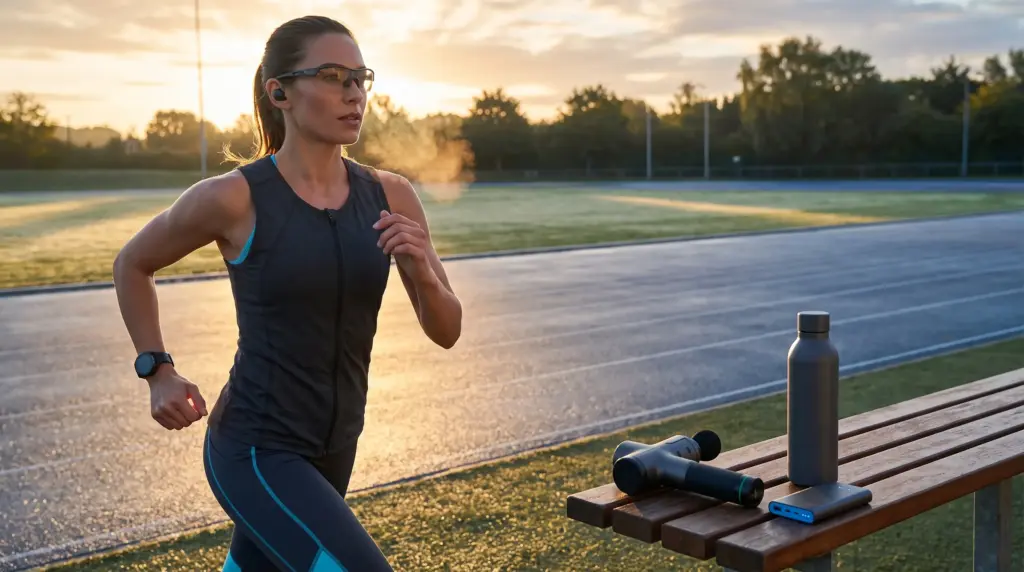
Training today is about more than having the right shoes and a good water bottle. Technology has become part of the way athletes prepare, perform, recover, and even stay motivated. From wearable trackers to smarter recovery tools, the right gear can make training more convenient without turning every workout into a science experiment. The best upgrades are often the ones that fit naturally into an existing routine. Here are seven smart gear ideas worth considering. 1. A Fitness Watch That Tracks More Than Steps Modern fitness watches have moved well beyond basic step counting. Many can monitor heart rate, sleep patterns, workout intensity, recovery time, and other useful metrics. For runners, cyclists, and endurance athletes, GPS tracking can help measure distance and pace. Strength-focused athletes may use workout logging to track progress across different exercises. The goal is not to obsess over every number. Instead, these tools can provide a broader picture of how training, recovery, and everyday habits interact. 2. Smart Eyewear for Hands-Free Training Wearable technology is becoming less dependent on screens. Smart eyewear is one example of how athletes can access certain features without constantly reaching for a phone. Some Meta glasses combine familiar eyewear design with hands-free features that may be useful during walks, outdoor workouts, cycling breaks, or casual training sessions. For active users, the appeal is convenience. Being able to interact with technology while keeping both hands free can make certain activities feel less interrupted. As with any connected device, athletes should also be aware of their surroundings and follow local rules regarding recording and device use. 3. Wireless Earbuds Designed for Movement Standard earbuds are not always ideal for workouts. Sweat, sudden movement, and outdoor conditions can quickly become a problem. Sport-focused wireless earbuds are generally designed to stay more secure during running, […]
Modern athletic success relies heavily on cutting-edge equipment designed to optimize physical performance. Emerging technology helps
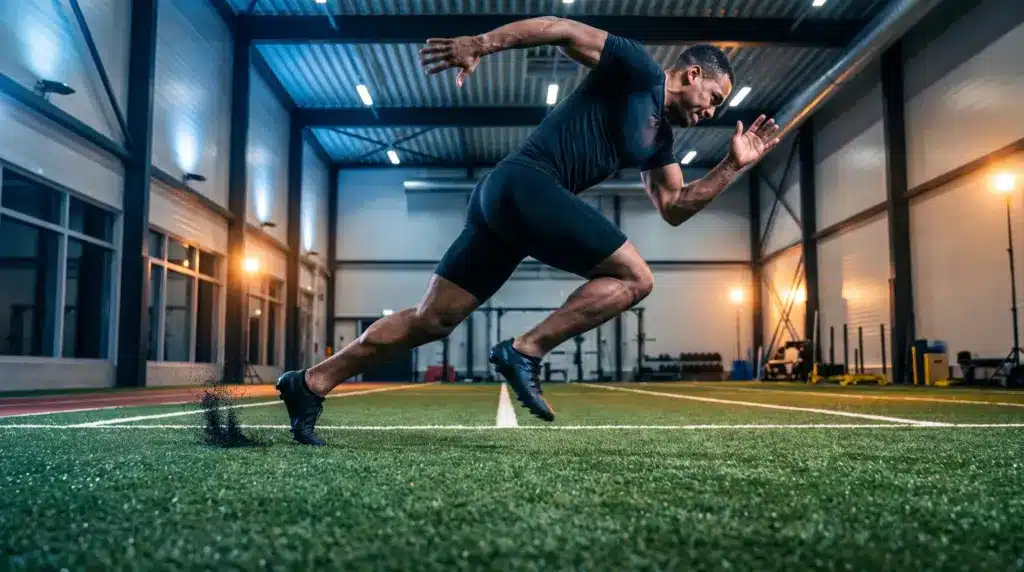
Athletic performance training should do more than leave you exhausted. The purpose is to develop physical

It is possible to set up a personal home gym using the right combination of functional

During a round, you may walk across wet fairways, firm links turf, steep banks and uneven,

Soccer players spend considerable time choosing cleats, yet the layer between the foot and the boot

A bathroom can have magnificent light fixtures but still leave a face poorly lit at the

In competitive sports, the difference between a podium finish or an early exit often comes down

Serious athletes rarely rely on talent alone. Whether they compete at the highest level or simply

Ever feel like your softball skills go on pause the moment the weather turns bad or
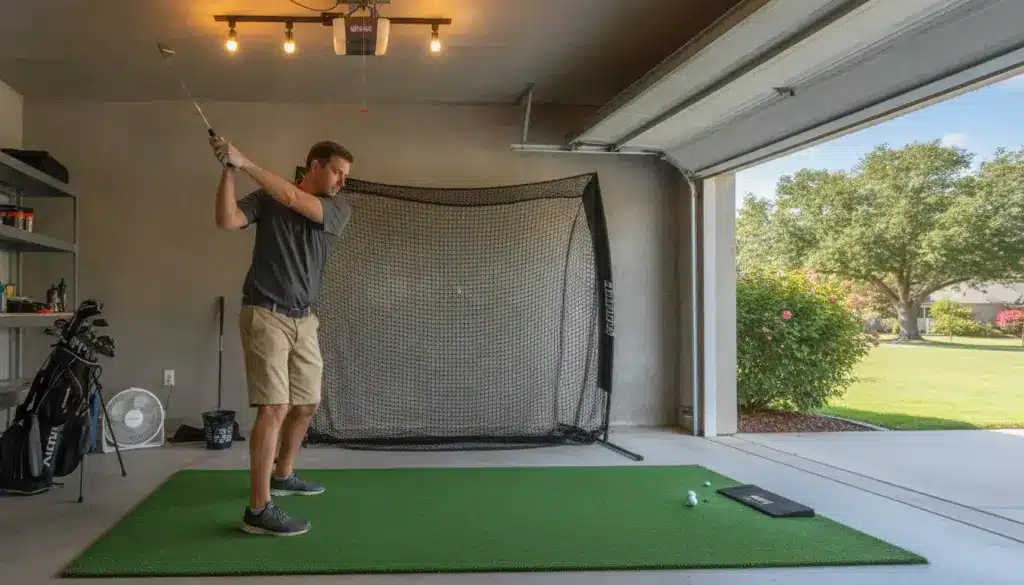
Golf practice used to mean booking a tee time, visiting the driving range or waiting for

Two names come up constantly when people start shopping for iPad accessories: ESR and MOFT. They
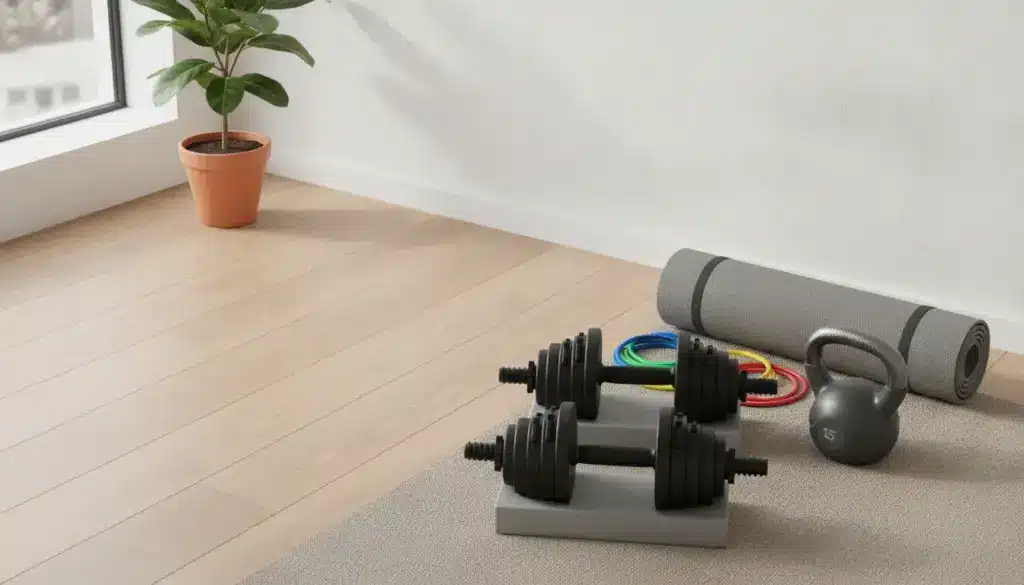
Busy schedules and overcrowded gyms can make it feel nearly impossible to find time and space