
Home & Gym
Soccer players spend considerable time choosing cleats, yet the layer between the foot and the boot often receives far less attention. That layer can influence how closely the footwear fits, how moisture is managed and how much unwanted movement a player feels during stops, cuts and changes of direction. Grip socks have become common from youth academies through adult competition, but a silicone pattern alone does not make every pair perform the same way. Thickness, fiber selection, fit and construction all matter. The best choice is not necessarily the sock with the largest grip elements or the loudest performance claims. It is the one that works as part of the player’s complete foot–sock–cleat system. Why Movement Inside the Cleat Matters The studs on a soccer cleat are designed to interact with the playing surface. Inside the boot, however, another interface exists: the foot moves against the sock, and the sock can move against the insole. That does not mean a sock will make a player faster or prevent injury. Those outcomes depend on many factors, including strength, technique, footwear, field conditions and training. A well-designed performance sock has a narrower job: help create a secure, consistent fit without adding unnecessary bulk. This distinction is important. Grip should support the footwear setup, not compensate for cleats that are the wrong size or shape. If the toes are compressed, the heel lifts significantly or the upper does not match the foot, changing socks will not solve the underlying fit problem. What Should Players Evaluate? When comparing soccer grip socks, players should look beyond the sole pattern and consider the complete construction. 1. Grip Placement External grip elements are intended to increase friction between the sock and the cleat’s insole. Placement matters as much as visual size. Traction should cover the areas used […]

A bathroom can have magnificent light fixtures but still leave a face poorly lit at the mirror. Even with exquisite lighting settings, a face in the mirror may not be well-lit. The position of each sconce influences shadows, glare, and how well a person sees their own reflection. Mirror sizes, vanity widths, ceiling heights, and fixture styles vary, so there isn’t a single dimension that fits for every bathroom. This article discusses the crucial location choices that enable a homeowner to provide optimal lighting at the bathroom mirror. Mirror Size Determines Sconce Position The mirror should guide every placement decision before a homeowner purchases any light fixture. A person must measure the mirror and the vanity separately because these two elements have completely different widths from one another. Bathroom wall sconces should never be chosen before these measurements are taken and recorded properly. A careful measuring process prevents buying a fixture that simply will not fit the vanity wall at all. Flank the Mirror With Side Sconces Side placement works best for most vanities used for shaving, makeup application, grooming, and other close-up tasks performed at the mirror. Light arriving from both sides illuminates the face more evenly than light coming primarily from a fixture above the head. This arrangement reduces shadows under the chin, around the nose, and beneath the eyes that make grooming tasks more difficult to complete. Find the Right Height The light source should sit roughly at eye level for the person who uses the vanity most throughout the day. Household height, mirror dimensions, and fixture design all affect the ideal mounting height for any given installation. A good starting point is sixty to sixty-five inches from the finished floor to the center of the fixture’s mounting plate. Decide How Far the Fixtures Should Sit From […]

In competitive sports, the difference between a podium finish or an early exit often comes down to fractions of a second or millimeter adjustments in biomechanics. For decades, traditional sideline-based video capture has been the staple for coaches and athletes alike in terms of assessing form, footwork, and tactical execution. Stationary cameras and recordings on tablets give valuable perspective, but have a major limitation in that they record how an athlete looks on the outside, rather than what they actually experience in real time. As wearables expand beyond wrist-based heart rate monitors and GPS trackers, hands-free smart frames are opening a whole new frontier in sports performance analysis. High-definition visual capture is embedded directly into lightweight athletic frames by smart glasses, giving athletes and trainers the ability to review point-of-view (POV) footage, analyze eye-line focus, and dissect movement patterns from the exact perspective of the competitor. The Power of Real POV Video for Sports Analysis Traditional video analysis requires a third-person camera setup. A third-person shot, whether it’s a coach with a smartphone on the sideline or an automated tripod following a runner along a track, creates an observational gap. It shows the result of a move, but not the visual cues and decision-making triggers that cause it. Metric / Feature Traditional Video Sideline Point-of-View (POV) Capture Camera Angle Third-person view First-person POV Type of Viewpoint Static outside observer Actual eye-line sight lines Operating Mode Manual camera control Automated hands-free capture Initial Analysis Shows physical outcome Visual capture of decisions Hands-free video recording provides unique performance insights across a variety of sports: Cyclists and Runners: Keep an eye on head position, neck posture, and visual scanning patterns while passing technical trails or congested packs. Golfers and Tennis Players: Check the stability of the head at the moment of impact with […]

Serious athletes rarely rely on talent alone. Whether they compete at the highest level or simply enjoy pushing their own limits, consistent gym training builds the physical foundation that supports better performance. Strength, mobility, endurance, recovery, and injury prevention all improve when workouts follow a structured plan. While sport-specific practice remains essential, the gym creates opportunities to strengthen weak points, improve movement quality, and prepare the body for greater demands. Athletes who train with purpose often discover that progress happens long before they step onto a field, court, trail, or track. Build Strength That Transfers to Performance One of the biggest advantages of training in a gym is access to equipment that allows progressive overload. Gradually increasing resistance helps muscles, tendons, and connective tissue become stronger over time. This approach improves power, stability, and resilience across nearly every sport. Many gyms in El Paso, Jacksonville and Miami that offer advanced strength equipment, functional training spaces, and experienced coaching make it easier for athletes to follow programs tailored to their goals. Instead of repeating the same routine every week, athletes can cycle through phases that emphasize strength, explosive power, muscular endurance, and recovery. This variety reduces plateaus while encouraging long-term improvement. Strength training also supports better movement mechanics. Stronger hips, core muscles, shoulders, and legs help athletes generate more force while maintaining proper form. Better mechanics often translate into faster sprinting, higher jumping, harder throwing, and greater efficiency during competition. Reduce Injury Risk While Improving Recovery Training harder only works when the body can recover and remain healthy. The gym provides an environment where athletes can strengthen smaller stabilizing muscles that often receive little attention during sport-specific practice. These muscles help protect joints while improving balance and coordination. Mobility work, flexibility exercises, resistance bands, cable machines, and recovery equipment all contribute […]
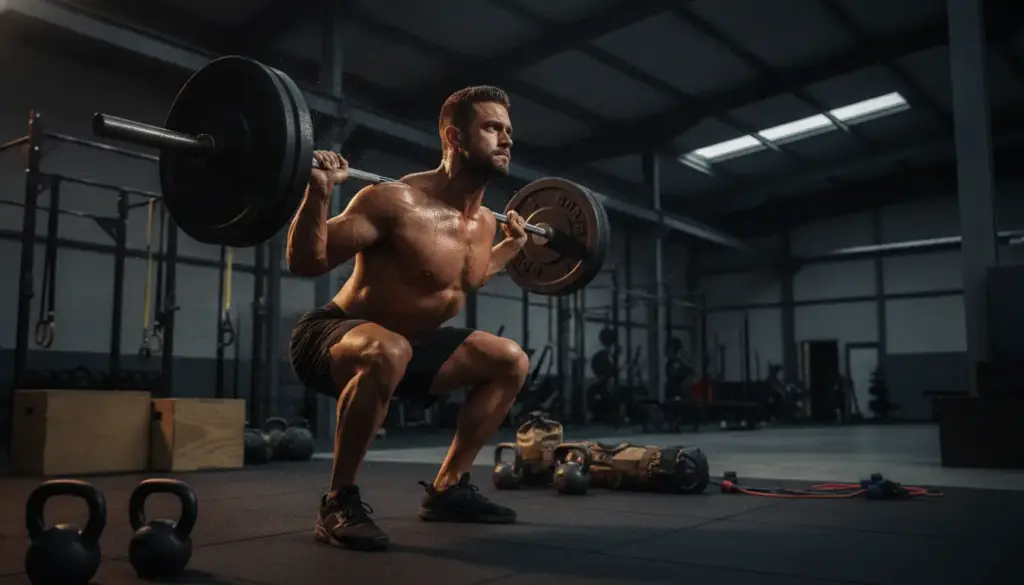
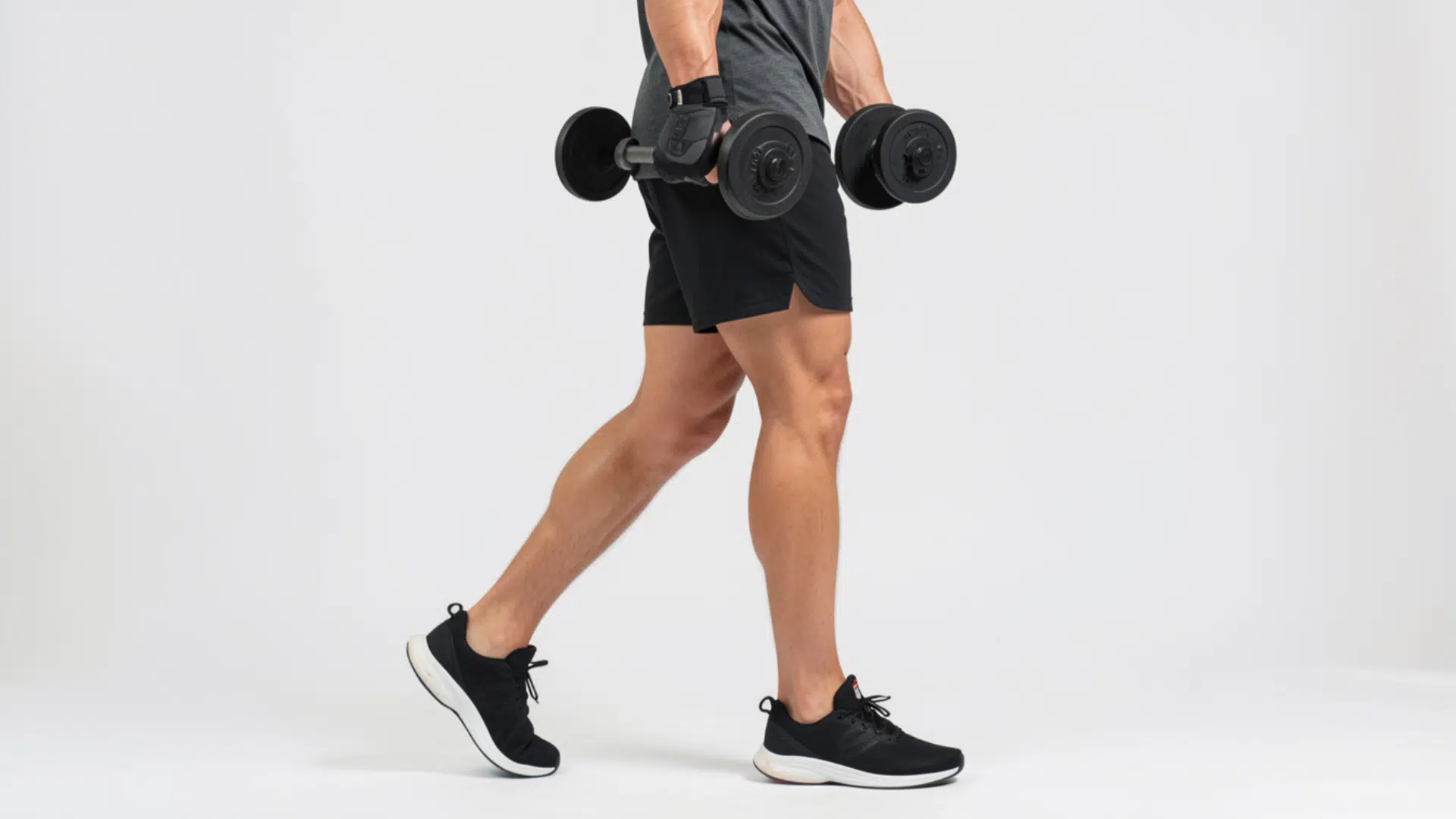
I know how frustrating it can feel when your legs look strong, but your calves don’t
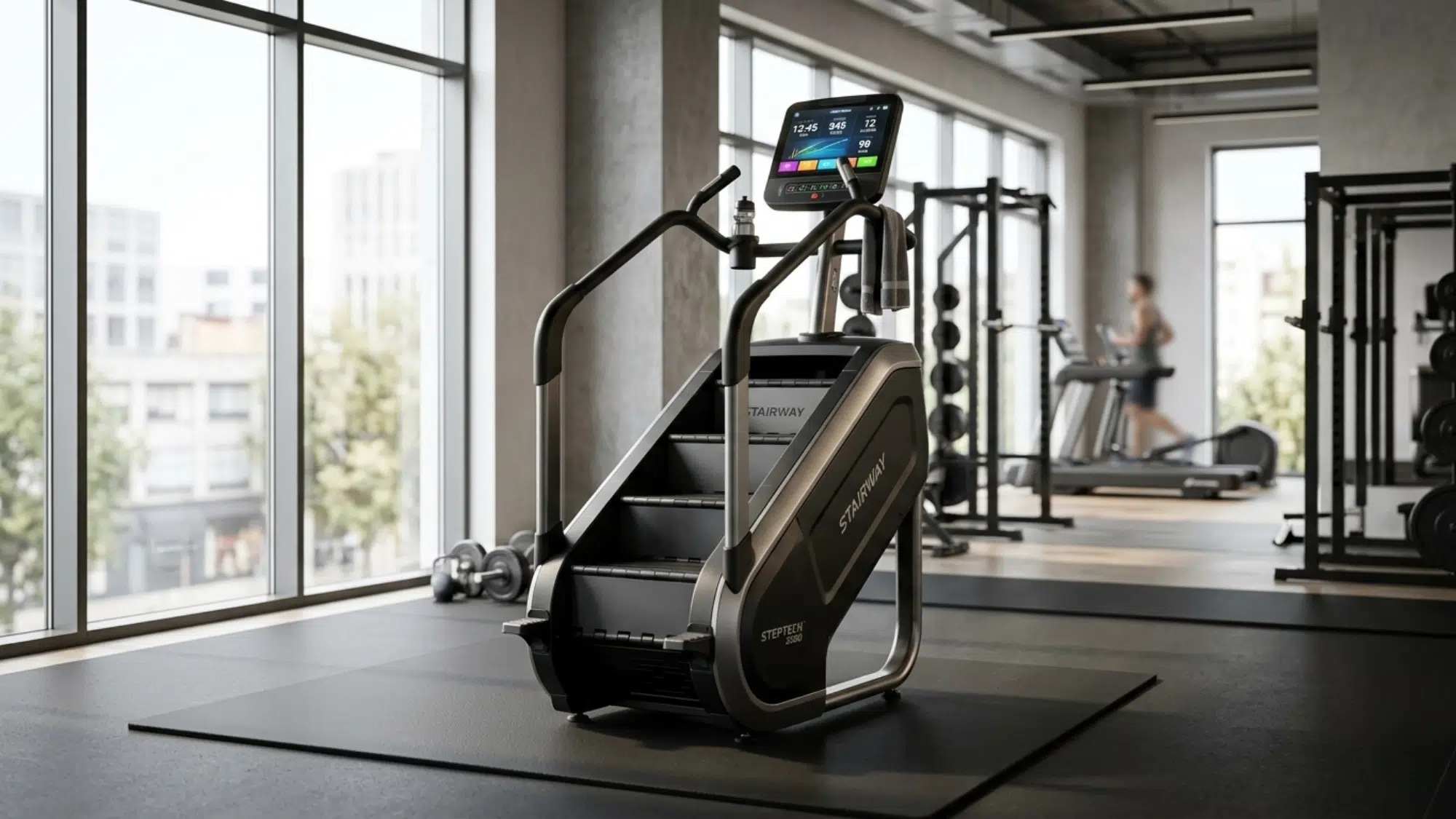
I used to think cardio had to be boring to work. Then I tried a stair
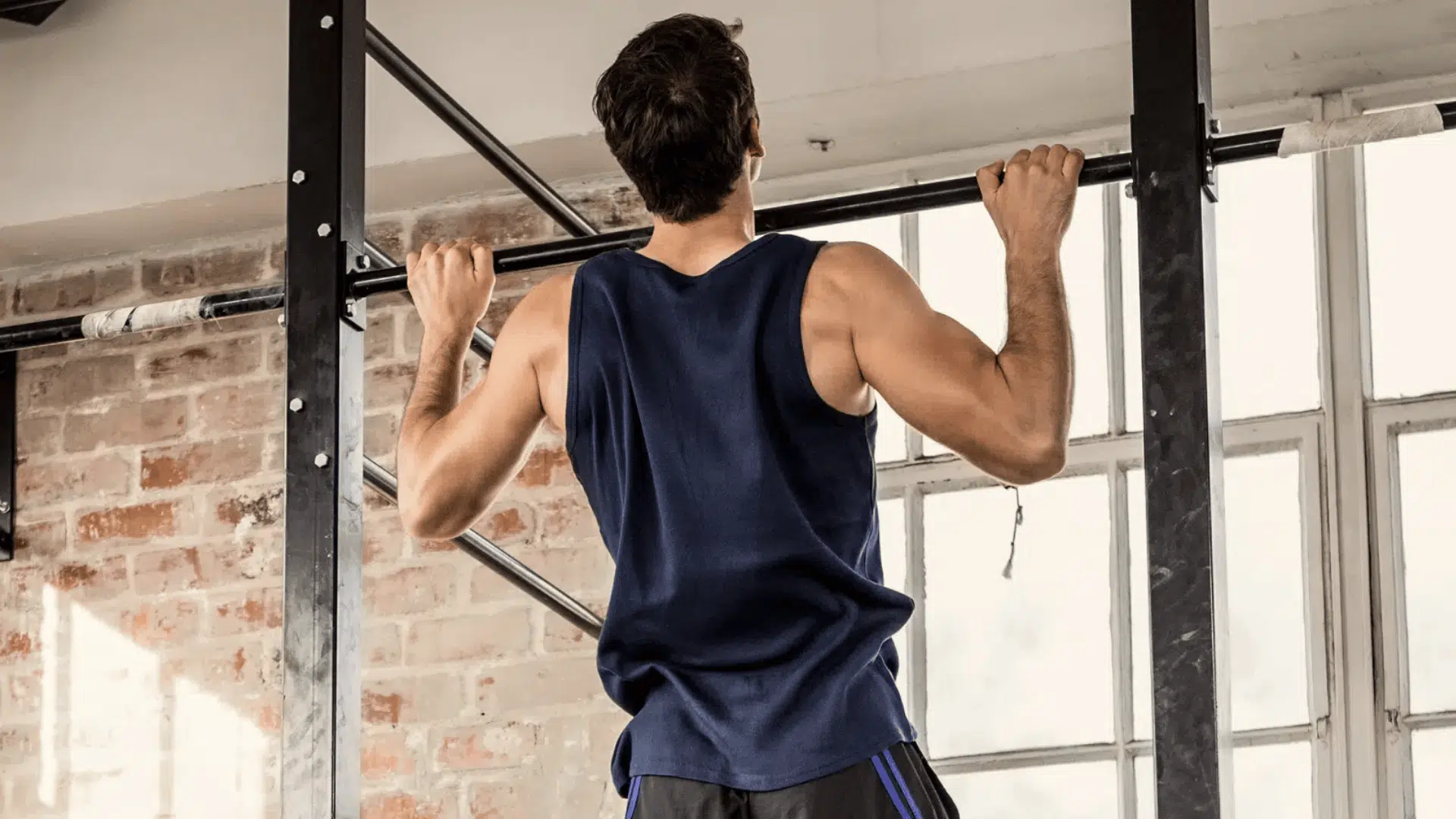
I often get asked what muscles pull-ups really work, and the simple answer is this: they

Walking is something most people do every day without giving it much thought. I used to
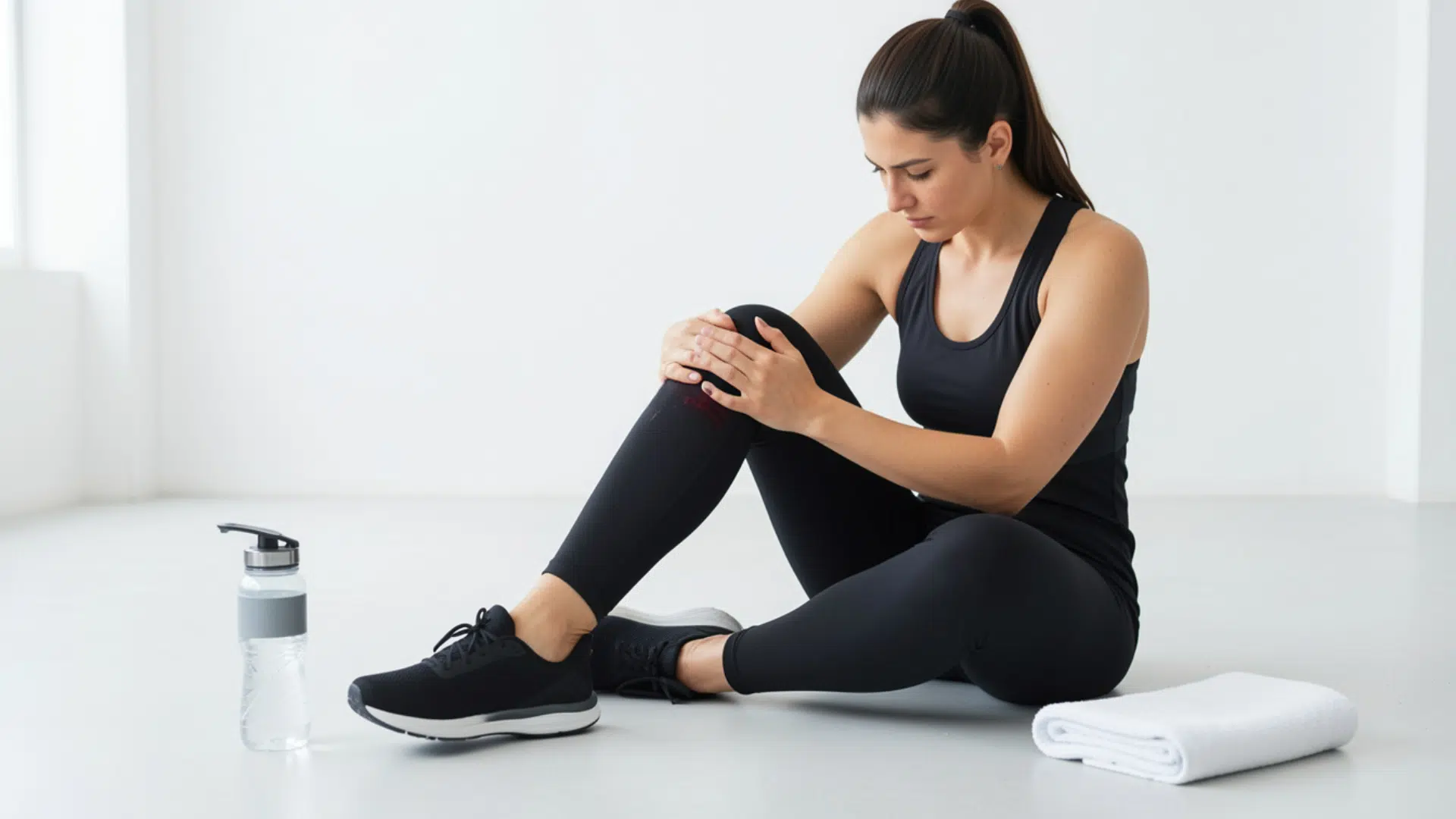
I’ve had those days when even walking up the stairs feels tough after a workout. If

Building strong, toned arms at home is easier than most people think. I used to believe

I’ve seen a lot of people try the 100 squats-a-day challenge, and I get why it’s
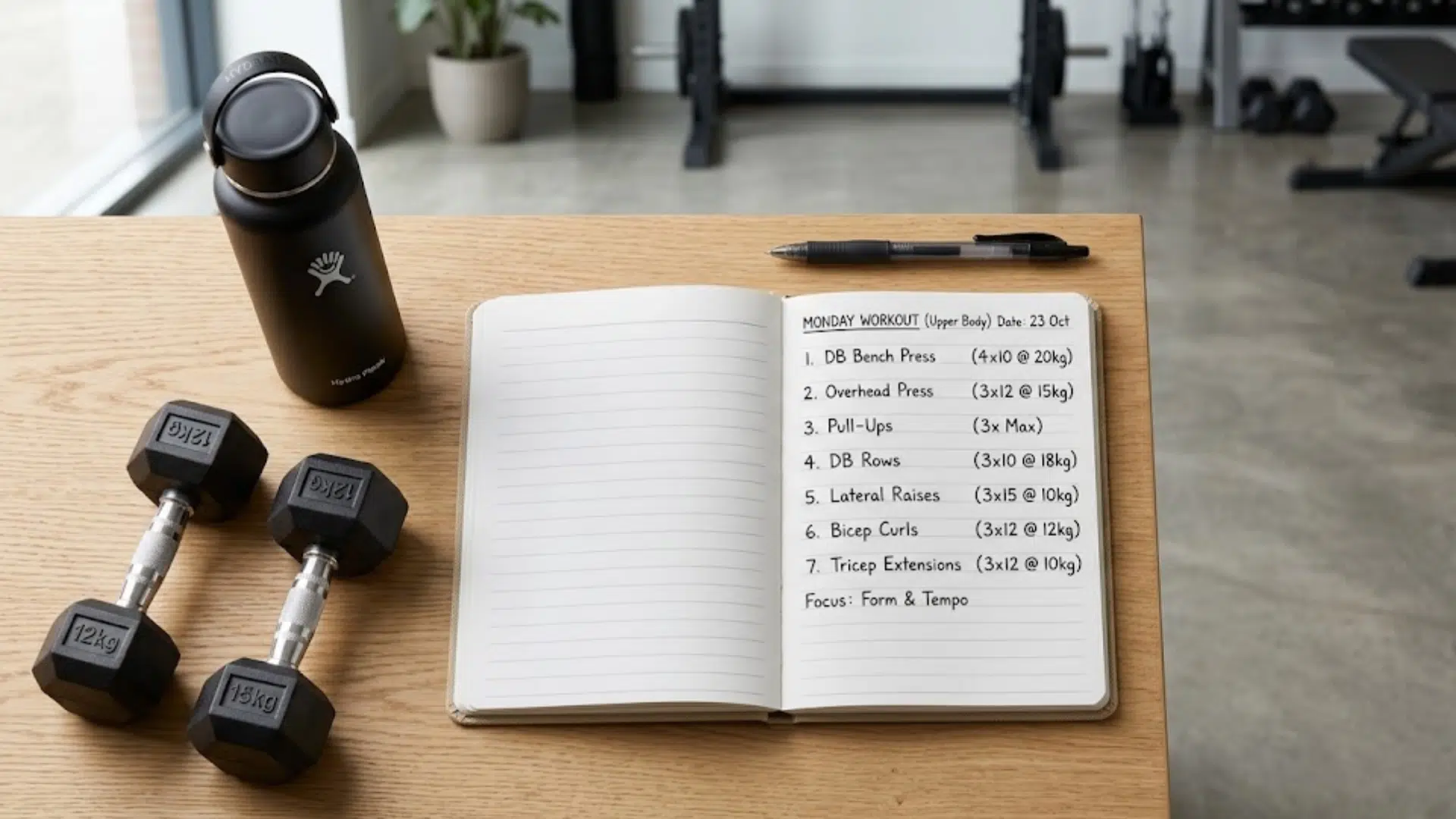
I used to wonder how many exercises you should do per workout, and you might be
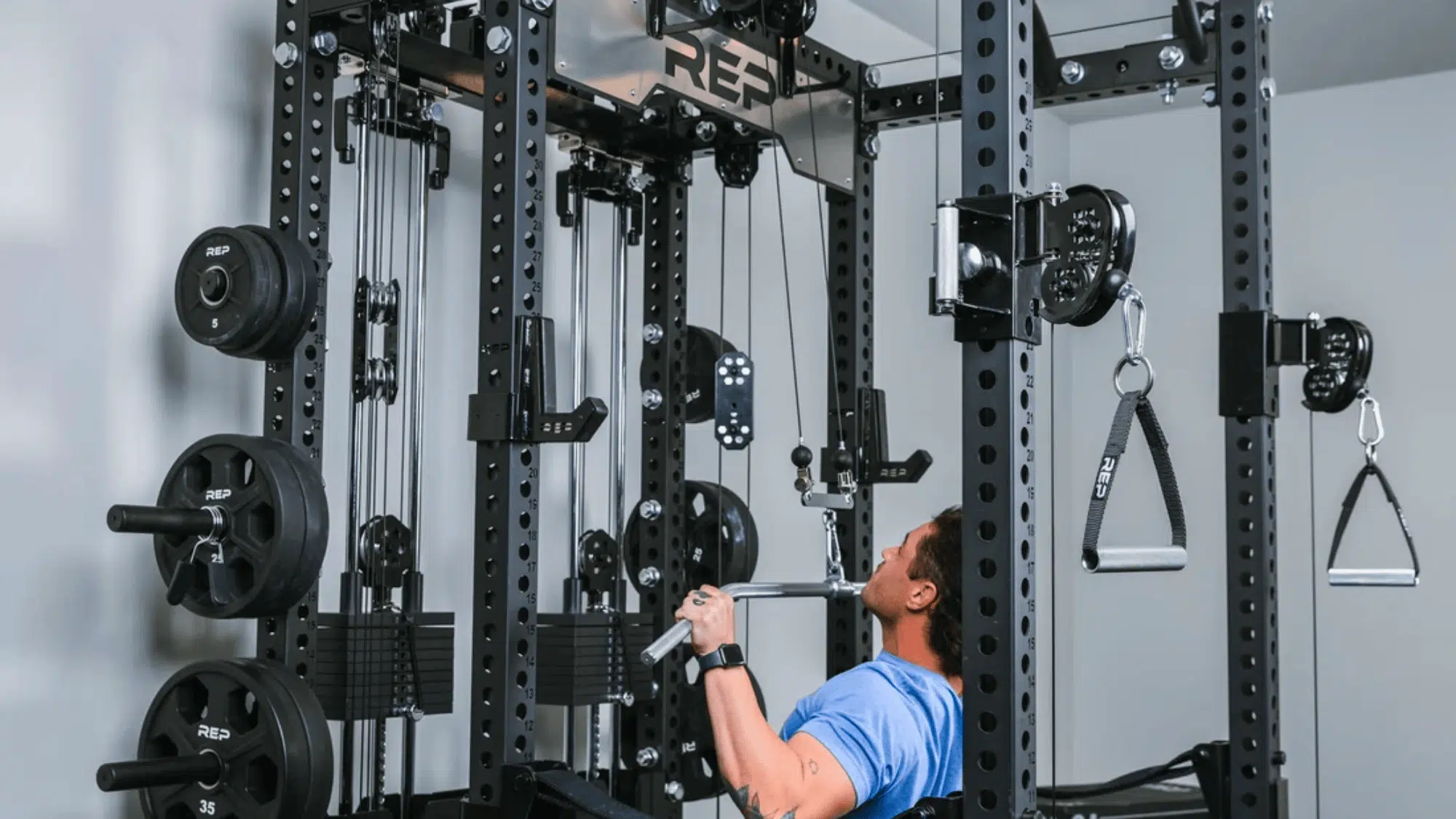
A power rack is the most important piece of equipment you will ever buy for your
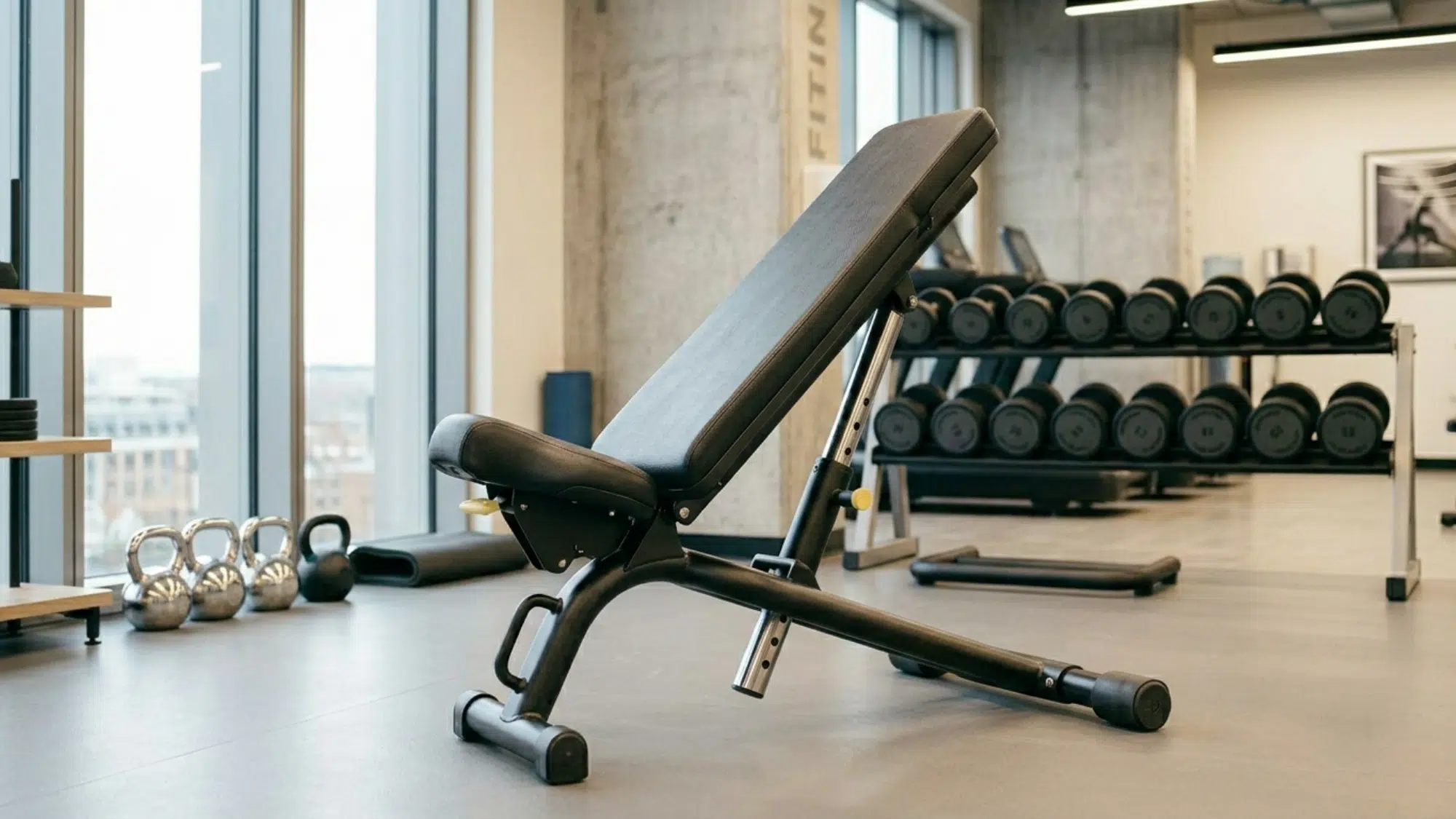
I remember when I first started lifting, I wasn’t sure if I was doing the right