
Sports Fundamentals
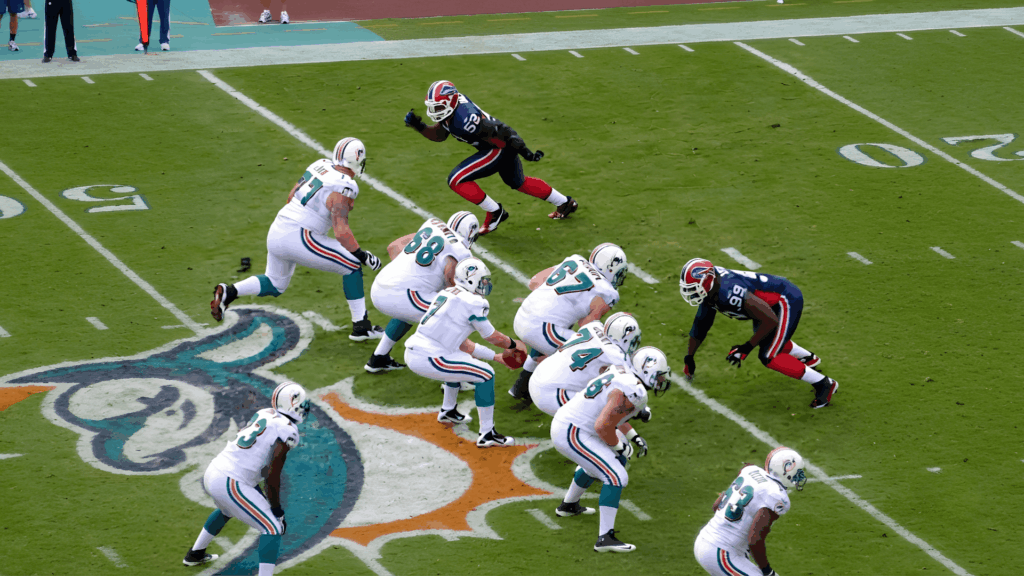
One missed assignment can turn a solid defensive play into a long run. The small spaces between offensive linemen often decide who wins at the line of scrimmage. If you’ve heard coaches talk about A Gap, B Gap, and C Gap and wondered what those terms mean, I’ll make them easy to follow. You’ll learn where each gap is, which defenders are responsible for it, and how different techniques help stop the run or pressure the quarterback. I’ll also explain gap assignments, defensive line alignments, and the role each position plays during a game. By the end, you’ll be able to recognize these concepts while watching football and better understand why they matter on every snap. What are A Gap, B Gap, and C Gap in Football? A Gap, B Gap, and C Gap are the spaces between offensive linemen that players use to attack or defend during every football play. These gaps help organize blocking assignments on offense and defensive responsibilities before the ball is snapped. The A gap sits between the center and each guard, the B gap is between the guard and tackle, and the C gap is between the tackle and tight end, or outside the tackle if no tight end is on the field. Coaches assign players to specific gaps to stop running plays, pressure the quarterback, or create running lanes. Learning where each gap is and how players use it makes it much easier to follow defensive line play, recognize common run concepts, and understand why certain plays succeed or fail during a game. Understanding Every Football Gap Position Every gap has a specific location and purpose on the field. Knowing where each one is helps explain blocking decisions, defensive positioning, and how running plays develop after the snap. 1. A Gap The A […]
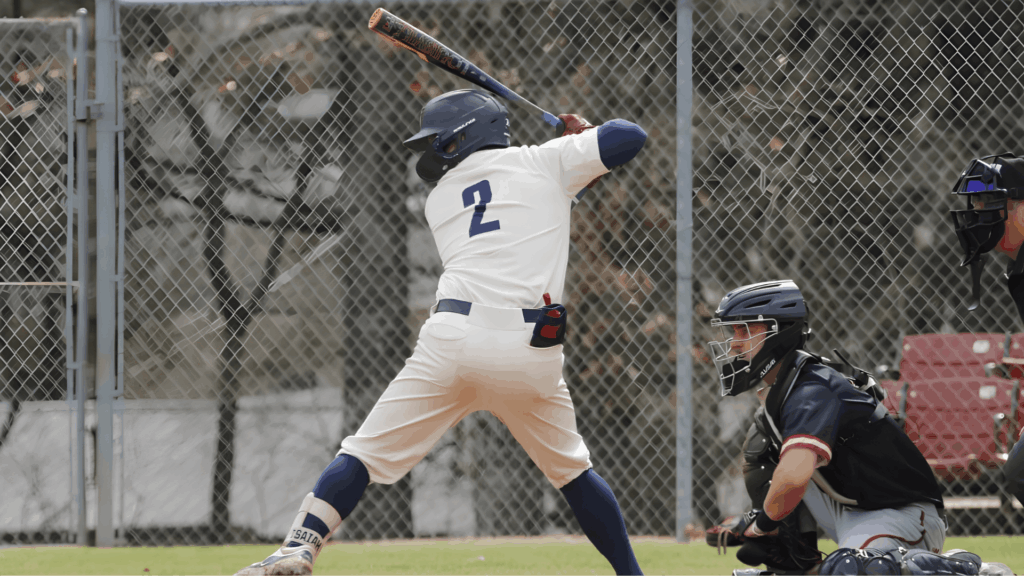
Player movement in college baseball is happening faster than ever, and keeping up can feel overwhelming. A single transfer or NIL decision can quickly change a team’s outlook for the season. If you’re trying to follow the college baseball transfer portal, I’ll help you understand where to find reliable updates and what those moves really mean. You’ll also see how Name, Image, and Likeness (NIL) rules are influencing player decisions, recruiting, and roster building across NCAA baseball. I’ll point you to trusted tracking tools, explain the transfer process in simple terms, and break down the latest rules without unnecessary jargon. By the end, you’ll know which resources are worth using and how NIL and the transfer portal continue to shape college baseball today. What is the College Baseball Transfer Portal? The college baseball transfer portal is the NCAA’s online database that allows student-athletes to indicate to other schools that they are open to transferring. Once a player enters the portal with approval from their current school, college coaches from eligible programs can begin contacting them about joining their team. Entering the portal does not mean a player must transfer, nor does it guarantee scholarship offers. Many athletes use it to look for more playing time, a better academic fit, different coaching staffs, or stronger NIL earning opportunities. Fans also follow the portal closely because transfers can quickly change a team’s roster before the next season. Knowing how the portal works makes it easier to follow player movement and understand why college baseball rosters change from year to year. Best College Baseball Transfer Portal Trackers Several trusted websites and platforms track player movement throughout the college baseball season. Source: baseballamerica.com 1. D1Baseball Transfer Tracker D1Baseball is one of the most trusted sources for following Division I baseball transfers. Its transfer tracker […]
The official badminton court size is 13.4 meters (44 feet) long and 6.1 meters (20 feet) wide for doubles. For singles, the length remains the same, but the width is reduced to 5.18 meters (17 feet), in line with Badminton World Federation (BWF) standards. Whether you’re setting up a backyard court, coaching players, or preparing for competitive matches, using the correct badminton court dimensions makes a real difference. In this guide, you’ll find the official court measurements, understand every court line, compare singles and doubles layouts, learn the correct net dimensions, and see the recommended space around the court. Official Badminton Court Dimensions The official badminton court dimensions are set by the Badminton World Federation (BWF) and are used in international tournaments, national competitions, schools, and most recreational facilities. Court Measurement Official Size Details Court Length 13.4 meters (44 feet) Same length for singles and doubles courts. Doubles Width 6.1 meters (20 feet) Full width used for team play and wider rallies. Singles Width 5.18 meters (17 feet) Narrower area for individual play and precise shots. Total Doubles Playing Area 81.74 square meters (880 square feet) Provides extra space for two players to cover. Total Singles Playing Area 69.41 square meters (747 square feet) Smaller area requiring quick movement and accuracy. Standard Badminton Net Dimensions An accurately installed badminton net is just as important because even a small difference in net height or placement can affect serves, clears, smashes, and the overall quality of play. According to Badminton World Federation standards, the net should be 1.55 meters (5 feet 1 inch) high at the posts and 1.524 meters (5 feet) high at the center, with a slight dip in the middle. The net measures 6.1 meters (20 feet) in length, allowing it to span the full width of the doubles […]

Training at home has become far more sophisticated than keeping a pair of dumbbells in the garage. Recovery has followed the same path. Athletes can now build dedicated spaces for heat, mobility, compression and low-intensity movement without recreating an entire professional training facility. The challenge is deciding which equipment deserves the space and money. The best choices are not necessarily the flashiest. They are the ones that address common recovery needs and are convenient enough to use several times a week. Bring Heat Recovery Home An outdoor sauna can turn unused backyard or patio space into a dedicated recovery area without sacrificing valuable room inside the house. For athletes who already use heat after demanding workouts, having a sauna steps from the back door removes the need to drive to a gym or recovery center every time they want a session. Heat exposure increases skin blood flow and raises body temperature, creating the familiar warming sensation that many athletes find relaxing after training. Sitting in a sauna can also provide a defined period to unwind after lifting, running, cycling or playing a sport. That psychological transition matters when workouts are squeezed between work and family responsibilities.Saunas require more planning than most recovery purchases. Buyers need to consider available space, electrical requirements, weather protection, maintenance and temperature preferences. Hydration also deserves attention. Exercise and sauna use can both contribute to fluid loss, so longer and hotter sessions are not automatically better. Make Mobility Easier Some of the most useful recovery equipment is also the least complicated. Foam rollers, massage balls, stretching straps and mobility sticks can help athletes work on areas that feel tight after repetitive training. These tools are relatively inexpensive, require little storage space and can be used while watching television or winding down at night. Percussion massagers provide […]


One moment your setter is at the net, and the next they’re in the back row

Planning around a match is much easier when you know how long high school soccer games

Many people assume every basketball half-court follows one standard size, but official dimensions vary across NBA,

Fun basketball games for kids are a great way to build basketball skills, encourage teamwork, and

Fun basketball games for kids are a great way to build basketball skills, encourage teamwork, and

A well-fitting glove can make every catch feel more natural. Even a small sizing mistake can

Basketball can change in a split second, and sometimes one well-timed screen is all it takes

Golf scoring can feel like its own language when you first step onto a course. Par,

Every football season follows a familiar pattern. Some players start strongly, dominate early headlines, then quietly

Athletes are often praised for how hard they train, but improvement depends on more than effort.

Every athlete wants to run faster, jump higher, and perform with greater confidence. While strength and

Many people think the Veer and Shoot offense is simply an aggressive passing attack that relies