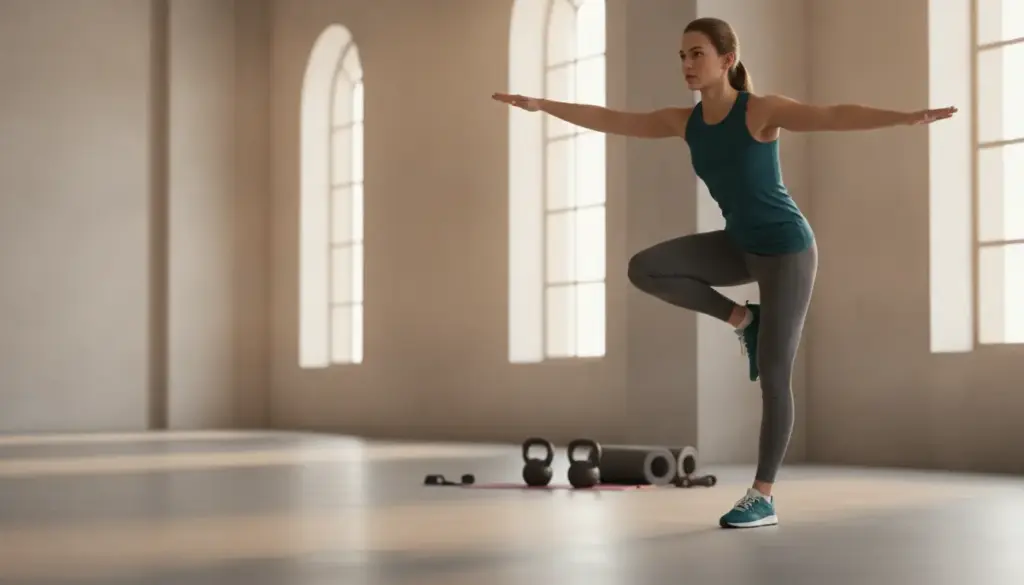





Athletes are often praised for how hard they train, but improvement depends on more than effort. A program filled with repeated sprints, heavy lifting, jumping, and competitive practices can create progress for a time, yet it can also leave little room for recovery or skillful movement. Low-impact training gives athletes another way to develop strength, control, mobility, and conditioning without adding the same level of mechanical stress. It should not replace the demands of the sport, but it can help an athlete tolerate those demands more effectively. The key is knowing where lower-impact work belongs and what purpose it is meant to serve.
Using Whole-Body Vibration as Supplemental Training
A vibration plate may be incorporated into selected warm-up, strength, balance, or recovery exercises. The platform creates repeated mechanical movement, which requires the body to continually respond while maintaining a position or completing an exercise. Studies have found possible benefits for lower-limb strength, balance, and physical performance in some groups, but outcomes differ according to the device, settings, exercise selection, and population studied. Athletes should therefore treat vibration training as a supplemental method rather than assuming it can replace conventional resistance training or sport practice.
Coaches should introduce the tool with the same care they would use for any unfamiliar training method. Beginning with basic positions allows the athlete to learn how the movement feels before adding weight, speed, or complex exercises. The athlete should remain controlled rather than using the vibration as an excuse for unstable technique.
Managing the Total Training Load
Athletes do not experience each workout in isolation. Practices, games, strength sessions, conditioning, school, work, travel, and sleep all affect how well the body can recover. A training plan may look reasonable on paper while still becoming excessive when all of these demands overlap. Low-impact sessions can help maintain movement and conditioning on days when another high-stress workout would add more fatigue than benefit. They can also provide a structured alternative to complete inactivity.
Load management does not mean avoiding hard work. It means placing hard work where it is most likely to produce adaptation. A coach might follow an intense game with cycling, pool work, mobility exercises, or controlled resistance training rather than another session filled with sprints and jumps.
Improving the Purpose of Warm-Ups
Many athletes complete warm-ups out of habit without considering whether the activities prepare them for the session ahead. A useful warm-up gradually raises body temperature, increases range of motion, activates relevant muscles, and rehearses the patterns the athlete will soon perform at higher intensity. Low-impact exercises are well suited to this stage because they can prepare the body without causing unnecessary fatigue. The warm-up should leave the athlete feeling more coordinated and ready, not already tired.
A runner may need controlled ankle, hip, and single-leg movements, while a throwing athlete may place more emphasis on the trunk and shoulders. Strength sessions can begin with lighter versions of the main lifts and a few targeted activation exercises. Static stretching is not automatically wrong, but long passive holds immediately before explosive work may not be the best centerpiece.
Building Balance and Movement Control
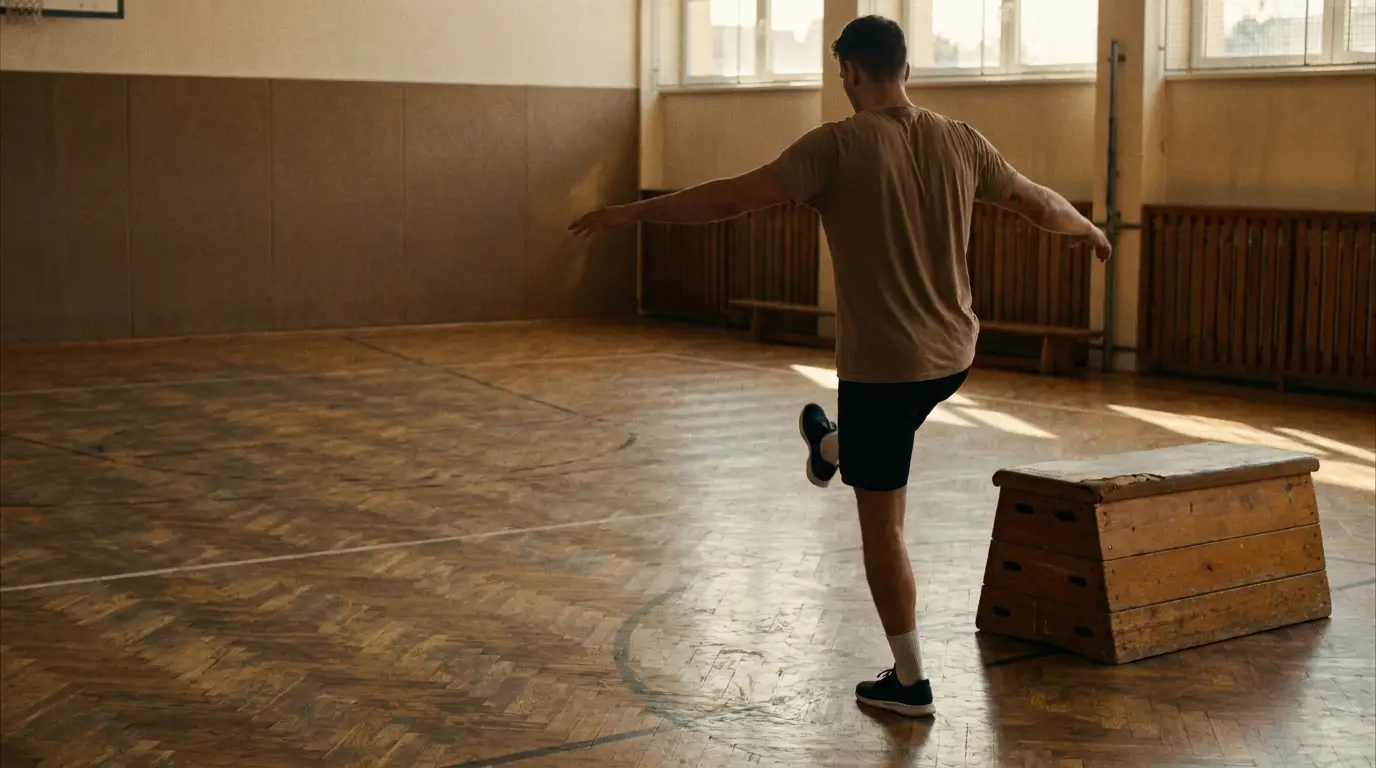
Balance is sometimes treated as a rehabilitation concern rather than an athletic quality, yet nearly every sport requires athletes to control force through changing positions. Cutting, landing, reaching, throwing, and absorbing contact all depend on the ability to stay organized when the body is moving quickly. Lower-impact balance work allows athletes to practice that control without the speed or collision of competition. It can expose weaknesses that are difficult to notice when momentum is carrying the athlete through the movement.
Single-leg exercises, controlled step-downs, split-stance movements, and slow changes of direction can all build awareness. The goal is not to stand on increasingly unstable objects simply to make an exercise look difficult. Athletes should first demonstrate control on a stable surface before adding complexity.
Supporting Recovery Without Chasing Quick Fixes
Recovery products and techniques are often marketed as shortcuts, but the basics remain difficult to replace. Adequate sleep, sufficient nutrition, appropriate hydration, and intelligent scheduling have a greater influence than most single recovery tools. Low-impact movement can support recovery by increasing activity without repeating the same high-force actions that caused fatigue. It may also help athletes feel less stiff after travel, competition, or prolonged sitting.
Preserving Strength While Reducing Impact
When athletes need to reduce running, jumping, or contact, they may worry that they will lose all training momentum. In many cases, strength can still be developed through carefully selected exercises that place less impact on the body. Supported split squats, hip hinges, sled work, rowing movements, controlled isometrics, and machine-based exercises may allow an athlete to train around a temporary limitation. The correct choices depend on the injury, sport, and guidance of qualified professionals.
Low-impact conditioning can also maintain cardiovascular fitness when normal sport practice is restricted. Cycling, swimming, deep-water running, and certain circuit formats can create a meaningful training effect without reproducing the same landing forces.