
August 19, 2026
Athletes are often praised for how hard they train, but improvement depends on more than effort. A program filled with repeated sprints, heavy lifting, jumping, and competitive practices can create progress for a time, yet it can also leave little room for recovery or skillful movement. Low-impact training gives athletes another way to develop strength, control, mobility, and conditioning without adding the same level of mechanical stress. It should not replace the demands of the sport, but it can help an athlete tolerate those demands more effectively. The key is knowing where lower-impact work belongs and what purpose it is meant to serve. Using Whole-Body Vibration as Supplemental Training A vibration plate may be incorporated into selected warm-up, strength, balance, or recovery exercises. The platform creates repeated mechanical movement, which requires the body to continually respond while maintaining a position or completing an exercise. Studies have found possible benefits for lower-limb strength, balance, and physical performance in some groups, but outcomes differ according to the device, settings, exercise selection, and population studied. Athletes should therefore treat vibration training as a supplemental method rather than assuming it can replace conventional resistance training or sport practice. Coaches should introduce the tool with the same care they would use for any unfamiliar training method. Beginning with basic positions allows the athlete to learn how the movement feels before adding weight, speed, or complex exercises. The athlete should remain controlled rather than using the vibration as an excuse for unstable technique. Managing the Total Training Load Athletes do not experience each workout in isolation. Practices, games, strength sessions, conditioning, school, work, travel, and sleep all affect how well the body can recover. A training plan may look reasonable on paper while still becoming excessive when all of these demands overlap. Low-impact sessions can help […]

Mouthguards have earned a reputation for protecting teeth during contact sports, but their value extends far beyond preventing chipped enamel. A properly fitted mouthguard helps cushion the impact of blows to the face, reduces the chance of oral injuries, and gives athletes more confidence during competition. Whether someone plays football, basketball, hockey, martial arts, or even participates in recreational leagues, this simple piece of equipment can prevent painful injuries and expensive dental work. Making a mouthguard part of every practice and game is one of the easiest ways to protect both long-term health and athletic performance. Why Mouthguards Matter Every season brings countless collisions, accidental elbows, falls, and stray balls that can cause serious damage to the mouth. Teeth cannot repair themselves after they crack or break, and injuries to the lips, tongue, and gums often require medical attention. Wearing a mouthguard creates a protective barrier that absorbs part of the force before it reaches the teeth and jaw. Many athletes assume mouthguards are only necessary for high impact sports, but facial injuries happen in activities that seem relatively low risk as well. Basketball, baseball, softball, skateboarding, and mountain biking all present opportunities for unexpected contact. Parents, coaches, and adult athletes alike benefit from treating a mouthguard the same way they treat a helmet or protective eyewear. Consistent use helps reduce preventable injuries while allowing athletes to focus on improving their skills instead of worrying about the next collision. Keeping It Clean A mouthguard spends plenty of time inside the mouth, making proper cleaning just as important as wearing it. Saliva, bacteria, food particles, and moisture can build up quickly when equipment is tossed into a gym bag after practice. That buildup may create unpleasant odors and shorten the life of the mouthguard if it is ignored. Many athletes rinse […]

Sports medicine continues to evolve as new treatments, technologies, and rehabilitation strategies become available. At the same time, the rules governing these services have become more detailed. Sports medicine practitioners are responsible for providing care that meets clinical standards while following federal, state, and professional regulations designed to protect athletes, healthcare organizations, and the public. Every treatment decision, whether it involves physical therapy, diagnostic imaging, medication, injections, or surgical referrals, exists within a larger regulatory framework. Athletes often expect fast recovery and a quick return to competition. While those goals are understandable, providers must ensure every recommendation is appropriate, documented, and supported by accepted medical guidelines. Regulations are not obstacles to treatment. They create a consistent standard that promotes patient safety, ethical decision making, and quality care throughout every stage of recovery. Patient Safety Comes First Every sports medicine practice begins with a commitment to patient safety. Regulations require healthcare providers to perform thorough evaluations before recommending treatment plans. Medical histories, physical examinations, diagnostic testing when necessary, and informed consent all play an important role in developing an appropriate course of care. These requirements help reduce unnecessary risks while giving athletes a clear understanding of their available options. Documentation is another major regulatory expectation. Providers must accurately record diagnoses, treatment recommendations, progress notes, referrals, medications, and follow up care. Complete records support continuity between healthcare professionals and provide important documentation should questions arise later regarding clinical decisions. Many organizations also implement internal compliance programs that extend beyond direct patient care. Pharmacy compliance services that protect patients, products, and reputations by implementing rigorous compliance programs that screen and monitor both licensed and non-licensed staff, partners, and contributors. These programs help healthcare organizations maintain high professional standards while supporting regulatory requirements across multiple operational areas. Treatment Standards Matter Sports medicine providers have […]
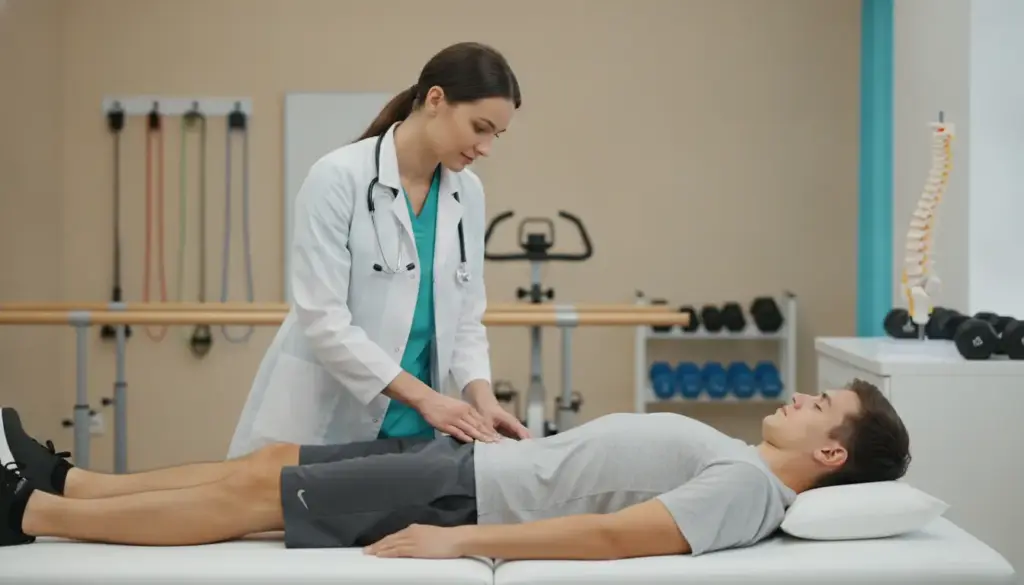
Serious athletes rarely rely on talent alone. Whether they compete at the highest level or simply enjoy pushing their own limits, consistent gym training builds the physical foundation that supports better performance. Strength, mobility, endurance, recovery, and injury prevention all improve when workouts follow a structured plan. While sport-specific practice remains essential, the gym creates opportunities to strengthen weak points, improve movement quality, and prepare the body for greater demands. Athletes who train with purpose often discover that progress happens long before they step onto a field, court, trail, or track. Build Strength That Transfers to Performance One of the biggest advantages of training in a gym is access to equipment that allows progressive overload. Gradually increasing resistance helps muscles, tendons, and connective tissue become stronger over time. This approach improves power, stability, and resilience across nearly every sport. Many gyms in El Paso, Jacksonville and Miami that offer advanced strength equipment, functional training spaces, and experienced coaching make it easier for athletes to follow programs tailored to their goals. Instead of repeating the same routine every week, athletes can cycle through phases that emphasize strength, explosive power, muscular endurance, and recovery. This variety reduces plateaus while encouraging long-term improvement. Strength training also supports better movement mechanics. Stronger hips, core muscles, shoulders, and legs help athletes generate more force while maintaining proper form. Better mechanics often translate into faster sprinting, higher jumping, harder throwing, and greater efficiency during competition. Reduce Injury Risk While Improving Recovery Training harder only works when the body can recover and remain healthy. The gym provides an environment where athletes can strengthen smaller stabilizing muscles that often receive little attention during sport-specific practice. These muscles help protect joints while improving balance and coordination. Mobility work, flexibility exercises, resistance bands, cable machines, and recovery equipment all contribute […]


Advances in artificial intelligence (AI) have quietly redrawn the boundary lines between instinct and information in

Hard training makes your gut work overtime. You might eat bigger meals. Or add extra snacks