
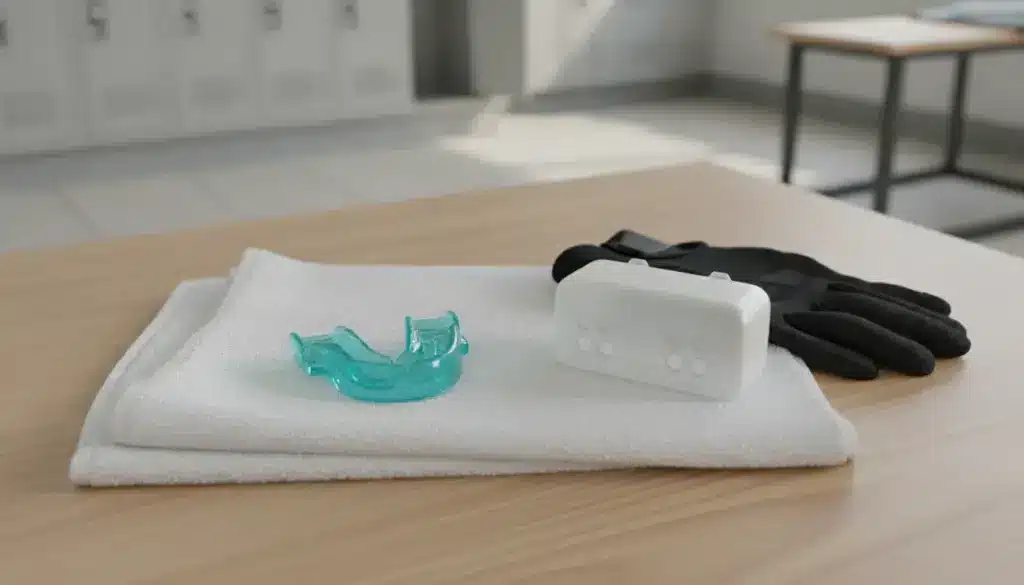





Mouthguards have earned a reputation for protecting teeth during contact sports, but their value extends far beyond preventing chipped enamel. A properly fitted mouthguard helps cushion the impact of blows to the face, reduces the chance of oral injuries, and gives athletes more confidence during competition. Whether someone plays football, basketball, hockey, martial arts, or even participates in recreational leagues, this simple piece of equipment can prevent painful injuries and expensive dental work. Making a mouthguard part of every practice and game is one of the easiest ways to protect both long-term health and athletic performance.
Why Mouthguards Matter
Every season brings countless collisions, accidental elbows, falls, and stray balls that can cause serious damage to the mouth. Teeth cannot repair themselves after they crack or break, and injuries to the lips, tongue, and gums often require medical attention. Wearing a mouthguard creates a protective barrier that absorbs part of the force before it reaches the teeth and jaw.
Many athletes assume mouthguards are only necessary for high impact sports, but facial injuries happen in activities that seem relatively low risk as well. Basketball, baseball, softball, skateboarding, and mountain biking all present opportunities for unexpected contact. Parents, coaches, and adult athletes alike benefit from treating a mouthguard the same way they treat a helmet or protective eyewear. Consistent use helps reduce preventable injuries while allowing athletes to focus on improving their skills instead of worrying about the next collision.
Keeping It Clean
A mouthguard spends plenty of time inside the mouth, making proper cleaning just as important as wearing it. Saliva, bacteria, food particles, and moisture can build up quickly when equipment is tossed into a gym bag after practice. That buildup may create unpleasant odors and shorten the life of the mouthguard if it is ignored.
Many athletes rinse their mouthguard with water and assume the job is finished, but that only removes surface debris. The best sport mouth guard cleaner is cleaning tablets that fizz and you drop your retainer into a container of water according to the product directions. The fizzing action helps loosen buildup in hard to reach areas without aggressive scrubbing that could damage the material. After cleaning, allow the mouthguard to dry completely before placing it in a ventilated storage case. A few minutes of care after each use helps keep equipment fresh, ready for the next workout, and more pleasant to wear.
Finding the Right Fit
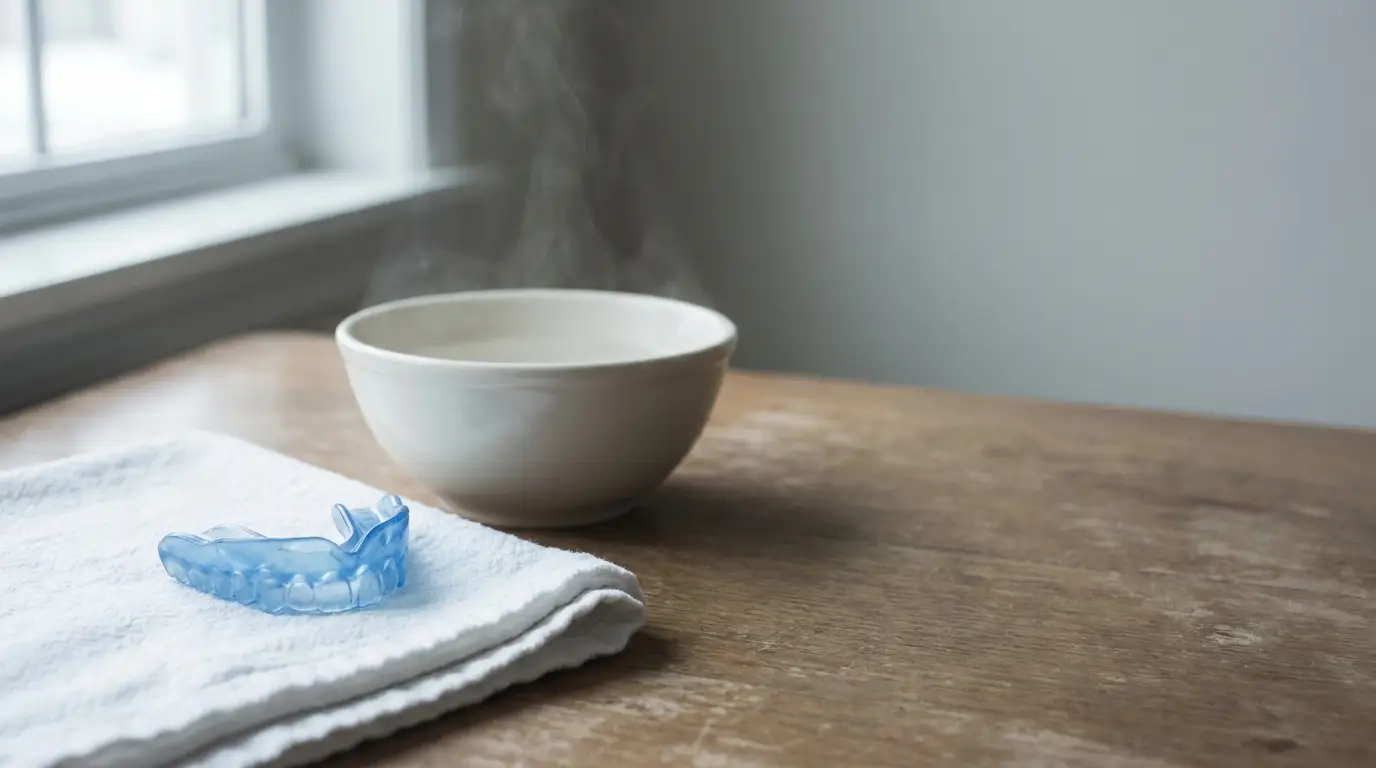
Not every mouthguard provides the same level of comfort or protection. Stock models found on store shelves offer a quick solution, but they often fit loosely and may shift during activity. Boil and bite versions generally provide a more secure fit because they mold around the athlete’s teeth after being softened in hot water. Custom mouthguards created by a dental professional offer the highest level of personalization, especially for athletes who wear braces or have unique dental needs.
Comfort plays a major role in whether athletes continue wearing protective gear. A mouthguard that feels bulky or interferes with breathing will probably spend more time sitting in a locker than protecting teeth. Taking the time to choose the right option increases the likelihood that it will be worn consistently throughout practices and games. Replacing worn or damaged mouthguards also helps maintain proper protection as materials naturally wear down over time.
Building Better Habits
Protective equipment works only when athletes remember to use it every time they compete. Staying consistent with habits often makes the difference between equipment that truly protects and equipment forgotten at home. Creating a simple routine helps remove the guesswork. Keep the mouthguard inside the sports bag after it has dried, check it before leaving for practice, and clean it immediately after every session.
Coaches and parents can reinforce these routines by making equipment checks part of the team’s regular preparation. Athletes who build these habits early usually continue them into adulthood because the process becomes automatic. Small routines repeated throughout an entire season help extend the life of the mouthguard while reducing the chance of preventable injuries. Those few extra minutes of preparation often save hours of discomfort and costly dental treatment later.
Protection Beyond Game Day
A mouthguard is more than another required piece of sports equipment. It represents a practical investment in long-term health, comfort, and confidence. The cost of replacing a damaged tooth or treating an oral injury far exceeds the price of maintaining a quality mouthguard and using it consistently. Athletes who protect their smiles today give themselves one less obstacle to worry about tomorrow.
A little preparation before each practice and game goes a long way. Choosing the right mouthguard, keeping it clean, and wearing it every time creates a simple routine that supports safer participation in sports.