
Health & Care
At-home dance fitness is a practical way to increase movement, improve cardiovascular endurance, and support weight-loss goals without going to a gym. When dancing raises your heart rate and is performed consistently, it can contribute to the energy expenditure needed for weight management. Results still depend on overall activity, eating habits, recovery, and individual factors. You do not need dance experience or expensive equipment. A clear floor, comfortable clothing, water, and music are enough to begin. The seven routines below range from low-impact cardio to higher-intensity intervals, making it easier to choose a style that suits your fitness level. Table of Contents Why at-home dance fitness can support weight loss 7 effective dance workouts to try How to build a weekly routine What you need for a home dance workout Frequently asked questions Why At-Home Dance Fitness Can Support Weight Loss How At-Home Dance Fitness Fits a Weight-Loss Routine Dance can function as aerobic exercise when it keeps you moving and raises your breathing and heart rate. No single workout guarantees a specific weight-loss result. Sustainable progress comes from combining regular movement with eating and recovery habits you can maintain. Why Dance Fitness Can Be Easier to Maintain A dance fitness workout can feel less repetitive than standard cardio because the music, tempo, and choreography can change. You can also shorten a session, extend it, or replace jumps with lower-impact steps. 7 Effective At-Home Dance Fitness Workouts 1. Low-Impact Dance Cardio Use step-touches, gentle knee lifts, heel taps, side steps, and controlled arm movements. Keep at least one foot on the floor to reduce impact. Start with 15 to 25 minutes and add time gradually. 2. Latin-Inspired Dance Workout Combine salsa steps, merengue marches, hip movements, and simple directional changes. If you enjoy guided dance workouts at home, choose routines […]

Recovery is where most athletic progress actually happens. Training breaks muscle tissue down, and the body needs oxygen, nutrients, and time to rebuild it stronger. That is part of why hyperbaric oxygen therapy has drawn attention from athletes and trainers looking for ways to support that repair process more directly. Hyperbaric oxygen therapy, often shortened to HBOT, has been used in medicine for decades to treat wounds and injuries that need extra help healing. More recently, interest has grown in how the same underlying mechanism, increased oxygen delivery to tissue, might apply to athletic recovery specifically. This article covers how HBOT works, what the research says about its role in recovery, and what athletes should know before considering a home chamber. What Is Hyperbaric Oxygen Therapy? Hyperbaric oxygen therapy involves breathing concentrated oxygen inside a pressurized chamber. Raising the air pressure allows the lungs to absorb more oxygen than they would at normal atmospheric pressure, and that oxygen dissolves directly into blood plasma rather than relying only on red blood cells. That matters for recovery because oxygen-rich plasma can reach muscle tissue and joints more efficiently, including areas where blood flow has been reduced by inflammation or fatigue. The Undersea and Hyperbaric Medical Society lists several approved medical uses for HBOT, and athletic recovery research builds on those same oxygen-delivery principles rather than a separate mechanism. How HBOT Fits Into an Athletic Recovery Routine Recovery is not a single event. It involves reducing inflammation, clearing metabolic waste from muscle tissue, and rebuilding muscle fibers stronger than before training broke them down. Each of those steps depends on oxygen. When training volume is high or an athlete is managing an injury, the body’s normal oxygen delivery can struggle to keep pace with what tissue repair actually needs. Some athletes use HBOT sessions […]

It often begins with something small – a sharp zing down the arm when you’re lifting, a weird blackout after a sprint, or a mid-back burn that doesn’t act like normal soreness. Most athletes dismiss it as a consequence of a hard training week. But when those feelings keep coming in the same place and at the same volume, they don’t feel like “just soreness” anymore, they begin to sound like something that requires a real explanation. That’s usually the moment people begin looking beyond the usual sports‑injury routine. And when the search narrows to neurological problems – those that impair coordination, balance or strength – the neurosurgery centers in Germany are quick to come into view. One name, more than most, shines out: Prof. Peter Vajkoczy, a neurosurgeon famous for tackling complex brain and spine cases that don’t fit neatly into the “rest and stretch” box athletes use. Why Athletes Often Mistake Nerve Pain for Muscle Fatigue Hard training comes with aches, and most athletes learn to deal with them. Usually, a dull, constant ache will go away with rest and stretching. So sharp or electric feelings are often dismissed as “just another tight spot.” That is why up to 30% of the symptoms related to the nerves are mistaken for muscular fatigue. Both come out when you train. They feel worse after a long week of training. The distinction is the pattern. Muscle soreness radiates. Nerve irritation shoots in a straight line and often gets angrier when you try to “work it out.” Here are some early warning signs that aren’t “just soreness”: Sharp, electric sensations running in a straight line down the arm, ribs, or leg. Burning pain that encircles the torso or occurs in a narrow strip. Localized numbness or hypersensitivity of the skin that doesn’t […]

Browse long enough through the posts of athletes and you’ll end up with someone who is jumping into a tank of icy cold water, panting and smiling through chattering teeth and saying it’s the best thing that happened to them that day. Just a few years back, it used to be a peculiar practice among pros, confined to locker rooms only. Today, it is the backyard routine, a spa treatment, and even a social media category in itself – the evidence that a practice based on pain can also become viral, like any other. From Elite Locker Rooms to Backyard Tubs While cold water immersion did not exactly design itself into a fitness trend, it was discovered by people who had never had access to it before. Athletes have been using cold exposure following strenuous workouts for some time, mostly for pragmatic reasons such as reduced soreness and resetting the mind for another session. It has not received much attention, partly because it is not particularly glamorous, but also because it is not widely understood. This practice has become visible, and once it became public knowledge that top training facilities were using a technique that used to be practiced in secret, the domestic version was not far behind. Suddenly, a painful experience had become an anticipated one. The science behind it is more mixed than the trend suggests. Some research supports less soreness and a better mood afterward. However, other findings complicate the picture. For example, cold immersion right after strength training may blunt the muscle-building response that lifters are actually trying to achieve. This is important if the goal is size and strength rather than recovery for its own sake. However, none of this has slowed the trend much because the appeal was never purely physiological for many people […]


You’ve probably seen wellness advice that sounds great on paper and falls apart by Wednesday. One

A hard workout is supposed to leave you tired. Yet some sessions produce a different experience:

Pregnancy can change the way your legs feel during exercise surprisingly early. A walk that previously
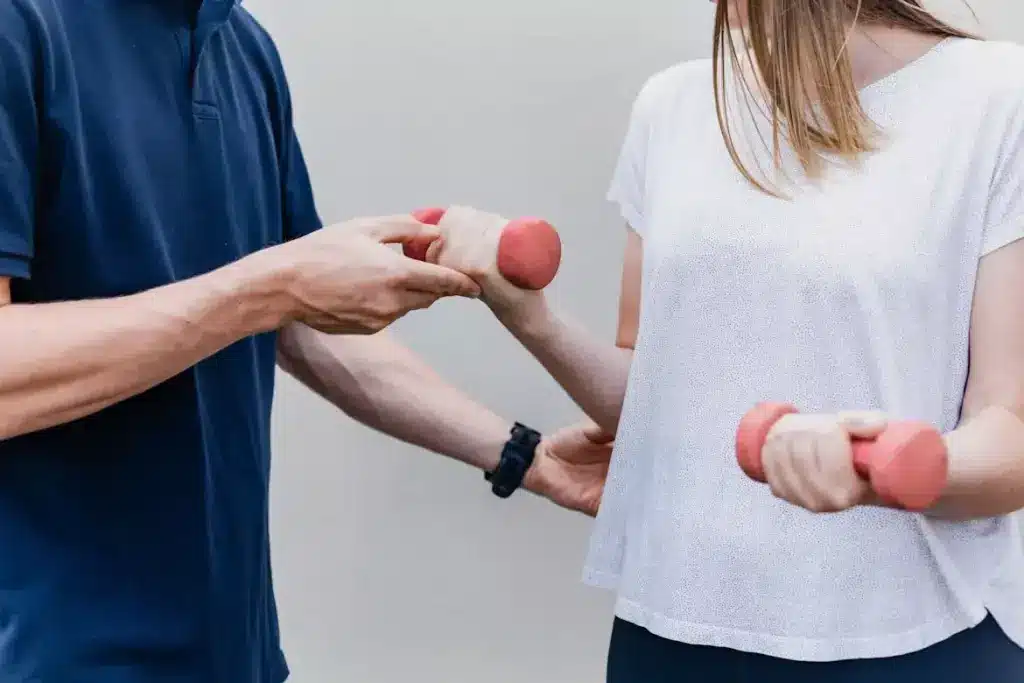
Recovery is where the real gains happen. Most folks work extremely hard in the gym or

Digital entertainment has become a routine part of everyday life in New Zealand. Streaming a favourite

It’s 2 AM, and an elderly father wakes up dizzy on the way to the bathroom.

Traditional self-tanning products contain harsh chemicals that dry out your cells, causing a patchy fade. This
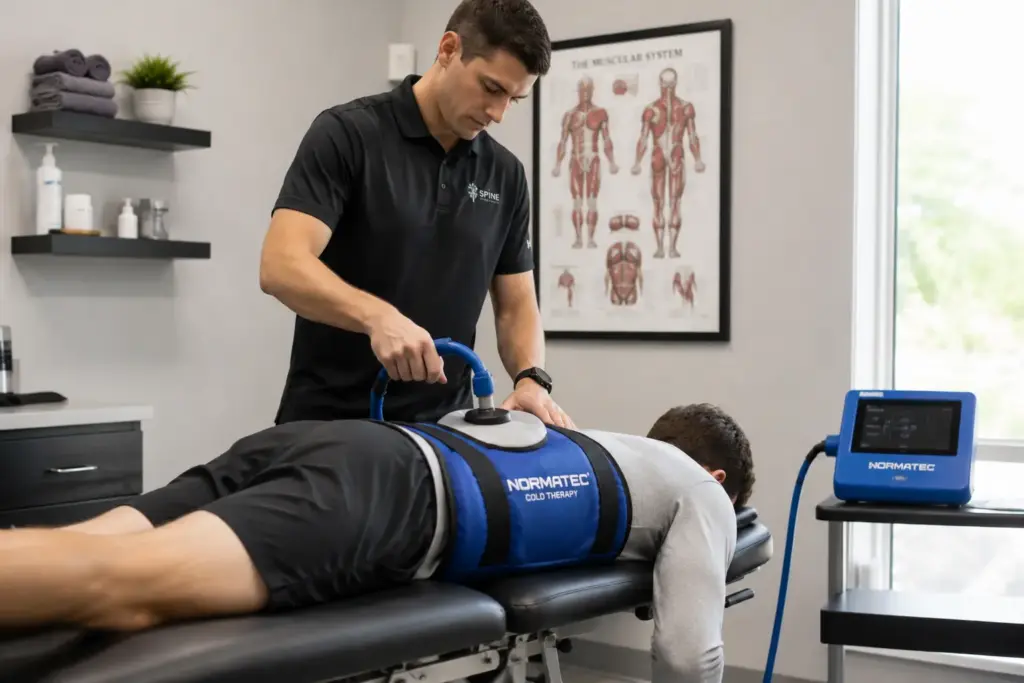
By: Dr. Alex Klein Most people treat ice as the treatment. You roll an ankle, you

In the fields of sport and physical activity, intensity training has always been of primary importance.
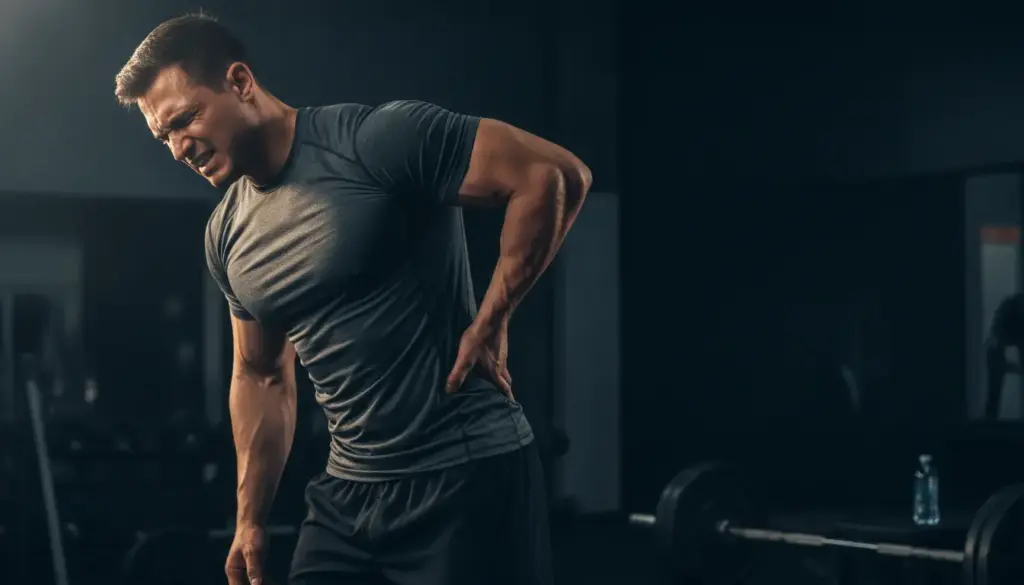
Thousands of athletes push through routine aches every day, assuming localized muscle fatigue is simply the

Mouthguards have earned a reputation for protecting teeth during contact sports, but their value extends far

Sports medicine continues to evolve as new treatments, technologies, and rehabilitation strategies become available. At the