




Back and neck pain don’t discriminate — they hit office workers hunched over laptops, retirees who’ve thrown out their back gardening, and athletes pushing through old injuries alike. It’s one of the most common health complaints on the planet. Whatever’s driving it, whether that’s simple aging, a car accident, degenerative disc disease, or a herniated disc pressing on a nerve, the fallout tends to ripple outward: missed workdays, restless nights, a shrinking list of activities you’re willing to attempt.
Spine treatment used to run on a fairly narrow playbook. Diagnose the condition, apply the standard fix, and move on. And to be fair, that worked well enough for plenty of patients. But doctors have gotten a lot more honest about something patients already knew instinctively: two people with the exact same MRI findings can need completely different treatment plans. Age, job demands, how much pain someone’s willing to tolerate, what they want their life to look like in five years — all of it matters.
Medical technology has caught up with that reality, too. Patients walk into appointments now armed with more research and facing more choices than a decade ago would have offered. That combination — better tools, more informed patients — is pushing spine care toward something more tailored to the individual sitting in the exam room.
No Two Spines Break Down the Same Way
Even a shared diagnosis hides a lot of variation. One patient with a lumbar disc problem might be a weekend hiker desperate to stay active; another might just want to make it through a workday without wincing every time they stand up. Occupation, prior surgeries, general health, personal risk tolerance — these shape what “success” even looks like for a given patient.
That’s part of why more surgeons are bringing up spinal fusion alternatives during consultations rather than defaulting straight to fusion. A closer look at someone’s specific anatomy and goals often turns up options that preserve more natural spinal motion — something that matters a great deal to an active 45-year-old and considerably less to a 75-year-old mainly focused on pain relief.
Good spine care now starts with a fuller picture: imaging, yes, but also a real conversation about function, expectations, and what the patient is actually trying to get back to.
Better Imaging Means Better-Targeted Treatment
Diagnostic technology deserves a lot of credit here. MRI and CT scans let physicians see disc degeneration, nerve compression, and vertebral alignment with a level of detail that simply wasn’t available a generation ago. Combine that with hands-on functional testing — checking range of motion, strength, how a patient actually moves in daily life — and physicians get a much sharper sense of what’s actually causing the pain, not just where it hurts.
That distinction matters. Pinpointing the real source of a problem, rather than treating symptoms broadly, is what makes a targeted treatment plan possible in the first place.
More Options Than Patients Used to Have
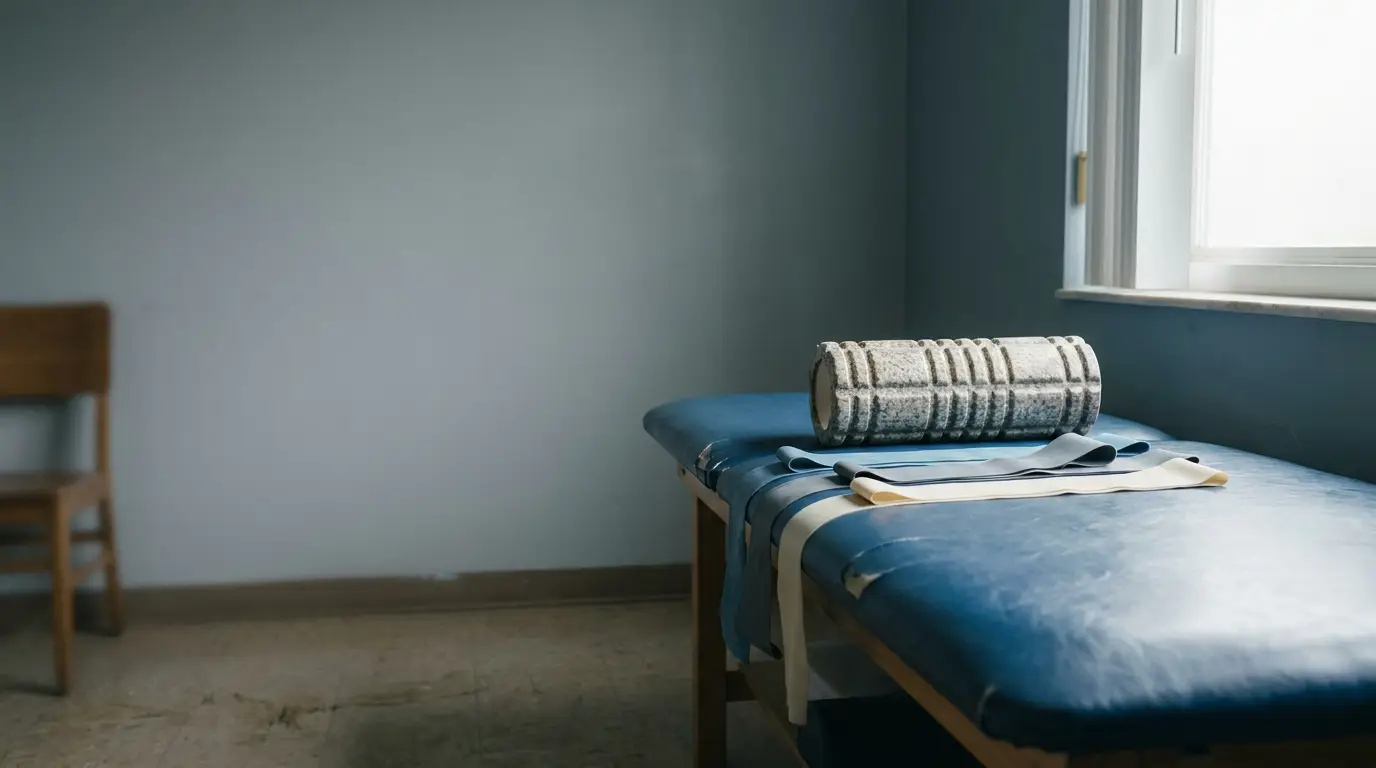
Spine care isn’t a two-lane road anymore. Physical therapy, targeted exercise programs, weight management, and pain management strategies still do a lot of heavy lifting for many patients, and often resolve issues without anyone touching a scalpel. When conservative care isn’t enough, minimally invasive procedures have opened up middle-ground options that didn’t exist twenty years ago — smaller incisions, shorter recovery, less disruption to surrounding tissue.
With more roads available, picking the right one takes more thought, not less. What works beautifully for one patient can underperform for another with a nearly identical diagnosis. That’s the whole argument for slowing down and reviewing the full menu of options before committing to one.
Tailored Treatment, Better Outcomes
Recovery isn’t purely a physical process, either. A single parent juggling childcare recovers differently than a retiree with plenty of downtime; a construction worker has different return-to-work pressures than someone at a desk job. Factoring in those realities — rather than handing everyone the same generic recovery timeline — tends to produce plans people can actually follow through on.
Patients as Partners, Not Just Recipients
The bigger shift underneath all of this is collaborative decision-making. Instead of a doctor issuing a verdict and a patient nodding along, more spine practices are treating treatment planning as a two-way conversation — risks, benefits, trade-offs, and personal preferences all on the table.
Patients who get to ask questions and push back on options tend to leave appointments more confident in whatever path they choose and more invested in seeing it through. Personalized spine care leans into that dynamic instead of working around it.
At the end of the day, no two spines — and no two patients — are identical. Diagnostic advances, a broader menu of treatment options, and a genuine shift toward shared decision-making are all pulling spine care in the same direction: away from one-size-fits-all protocols and toward plans built around the actual person in front of the doctor. For anyone dealing with back or neck pain, that shift means more say in decisions that affect their own body — and treatment that’s built around where they actually want to end up.
If you’re dealing with ongoing back or neck pain, the best first step is simply starting the conversation with a spine specialist. Bring your questions, your goals, and your concerns to that first appointment — a good provider will treat that input as part of the diagnosis, not an interruption to it. The right treatment plan isn’t the one that worked for someone else; it’s the one built around where you are now and where you want to be.