July 9, 2026
Adult fitness is shifting away from repetitive pavement pounding in favor of smoother cardiovascular conditioning. Success in outdoor skating relies heavily on choosing the right introductory equipment to build foundational balance and prevent early injuries. Stabilizing boot structures paired with shock-absorbing wheels characterize USA Skate Shop’s roller skates for beginners, providing essential support for adults returning to the sport. This growing movement highlights the measurable health advantages of gliding across the pavement rather than striking it with heavy running shoes. Why Cardiovascular Health Requires Less Joint Shock Running exacts a heavy toll on the body due to repetitive vertical force. Biomechanical studies indicate that skating produces up to fifty percent less impact shock on lower extremity joints compared to running. This significant reduction in vertical force makes it an ideal alternative for older adults or individuals managing early-stage knee deterioration from previous athletic pursuits. A skater relies on a lateral push-and-glide mechanism to move forward, which alleviates the downward pressure typically placed on the meniscus and ankle ligaments during a jog. Participants can still elevate their heart rates into the aerobic zones necessary for cardiovascular conditioning without the compounding micro-trauma associated with high-impact sports. Medical professionals frequently recommend this movement pattern as a way to maintain intense cardiovascular output while protecting the skeletal system from long-term damage. Muscle Activation and Core Engagement From Quad Skates Unlike stationary cycling or jogging, which operate primarily in a linear plane, outdoor skating demands constant engagement from multiple muscle groups to maintain momentum over varying terrain. Balancing on quad skates forces the body to recruit core stabilizing muscles continuously. Every stride requires micro-adjustments from the erector spinae in the lower back and the transverse abdominis, turning a simple park loop into an effective postural workout. The biomechanics of self-propulsion target the abductors, gluteus maximus, […]

The 2026 FIFA World Cup has reached the stage where every remaining match carries enormous weight. The expanded tournament has showcased tactical variety, emerging stars, and several established powers that continue to justify their reputation. With only the strongest teams left in contention, discussions have shifted from who can make a deep run to who has the complete package required to lift the trophy. Championship teams rarely succeed through talent alone. Defensive organization, midfield control, squad depth, coaching decisions, and the ability to perform under pressure all separate contenders from pretenders. Looking at each remaining favorite through those factors provides a clearer picture of which nation is best positioned to become the next world champion. How to Read the Favorites For many fans following the tournament, World Cup outright odds reflect far more than public opinion. They generally respond to measurable factors like expected goals, defensive efficiency, squad availability, historical performance, and projected knockout paths. As each round concludes, markets adjust based on new information rather than reputation alone. Spain continues to attract strong support because its balanced profile produces consistent performance. Brazil remains highly rated thanks to elite attacking talent and improved defensive organization. France earns similar respect because of exceptional squad depth across every position, allowing replacements to maintain quality when injuries or suspensions occur. Argentina remains competitive through tactical discipline, experienced leadership, and efficient finishing in decisive moments. England also stays near the top thanks to a productive attack supported by one of the deepest player pools in international football. While betting markets never determine results on the field, they offer another perspective on which teams consistently meet the performance indicators associated with championship success. Combined with tactical analysis, they help explain why a small group of nations continues leading conversations throughout the knockout stage. Spain’s Midfield […]

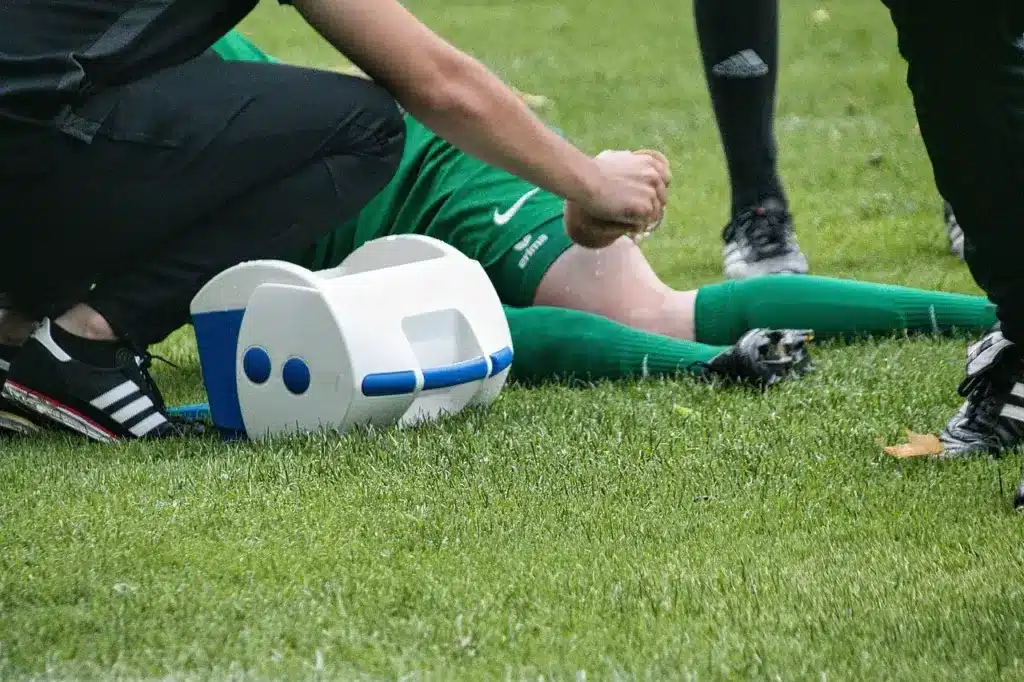
Torn ACL. Rotator cuff surgery. A cortisone shot for stubborn tennis elbow. Each year thousands of athletes and weekend warriors sign a consent form before they become somebody’s patient. Most people sign their name without even reading it. That’s a huge mistake. Informed consent isn’t paperwork. It’s conversation that safeguards your body, your rights and your future. Here’s the truth: In one study, more than 50% cited consent issues as the basis for lawsuits following cervical spinal surgery. Half?! Procedures following sports injuries sometimes have higher risk due to athletes needing to perform as well as heal. In This Guide: What Informed Consent Really Means Why Sports Injury Procedures Are Different The Risks You Should Be Told About What Happens When Consent Fails How to Protect Yourself Before Signing What Informed Consent Really Means Informed consent is a legal document. The doctor should explain the procedure, risks, alternatives, and prognosis. You should not sign anything until after this conversation. A proper informed consent process should cover: Your diagnosis in plain language The proposed treatment or procedure All material risks (including rare but serious ones) Alternative options (including doing nothing) Who will actually be performing the procedure Expected recovery and long-term impact Sounds simple, right? In practice though, it often gets abbreviated. Patients are handed a pile of forms right before surgery. A nurse enters the room, points to the signature spot and exits. That is not informed consent. That is a paperwork exercise. But when something DOES go wrong (you get an anesthesia error claim following a routine knee scope procedure) that conversation you had is at the heart of the matter. This is when many victims seek out a winning California medical malpractice lawyer to evaluate if they were informed of risks prior to the procedure. Why Sports Injury […]