July 15, 2026
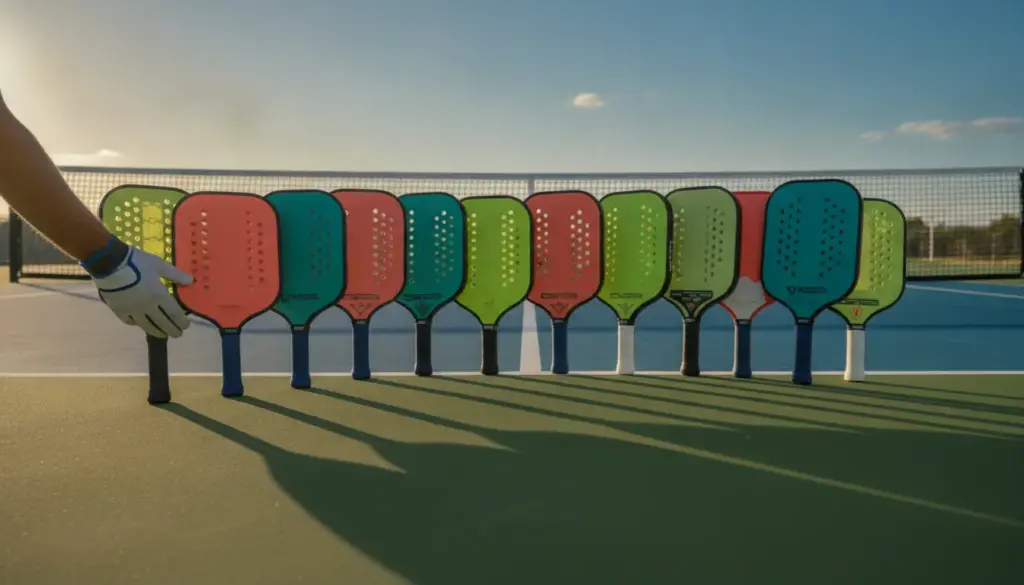
Pickleball is easy to start, but paddle choice can quickly affect comfort, accuracy, and confidence on the court. The right paddle helps with touch at the kitchen line, controlled drives from the baseline, quick reactions during volleys, and steady shot placement under pressure. Many paddles look similar at first glance, yet small details make a major difference. Shape, weight, core thickness, face material, grip size, and balance all influence how the paddle feels in play. A paddle that suits one player may feel too heavy, stiff, or unpredictable for another. Choosing well means understanding how you play, where you play, and what kind of response you need from the paddle. Control, power, and outdoor performance should all be considered before buying. Why Paddle Choice Matters in Pickleball A pickleball paddle is the main connection between the player and the ball. It affects dinks, drops, blocks, volleys, serves, returns, resets, and drives. When a paddle feels balanced, players can place the ball with more confidence. When it feels wrong, even simple shots can become inconsistent. Control-focused players usually want a paddle that softens contact and helps them keep the ball low. Power-focused players may prefer extra pop for serves, drives, and put-away shots. Most recreational players need a balanced option that offers enough control for touch shots and enough power for deeper returns. The right paddle should support your natural game. Beginners often benefit from forgiveness and comfort, while more experienced players may want added spin, reach, or pace. Paddle choice can also help reduce common problems such as mishits, weak returns, wrist discomfort, and poor control caused by unsuitable weight, grip size, or face response. Start With Your Playing Style Before comparing paddle materials or prices, think about how you usually win points and where you struggle. Control players rely […]
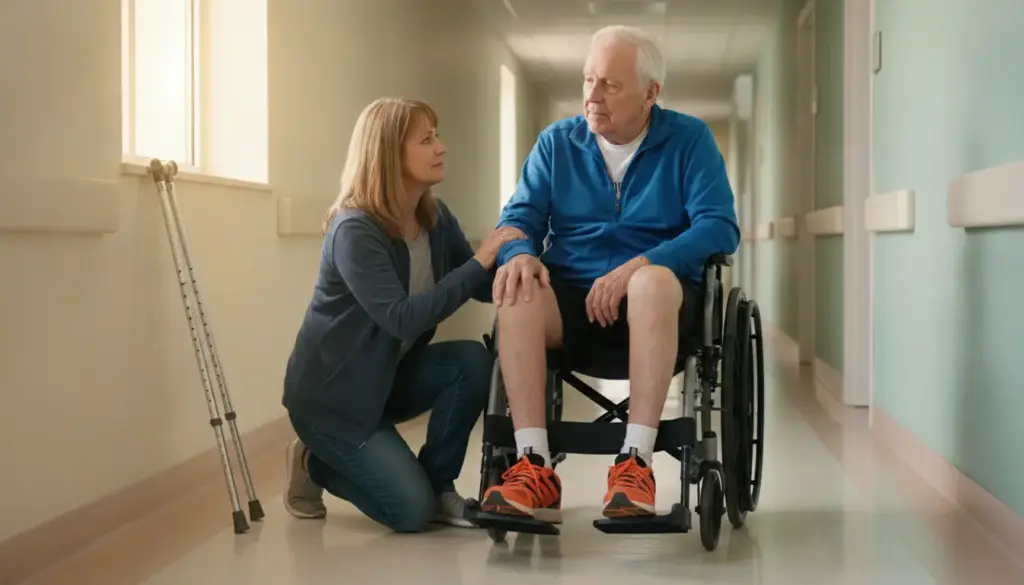
Why Recovery Can Become Complicated After an Active Life Many older adults stay active through walking, golf, pickleball, swimming, cycling, gardening, or regular fitness routines. That activity supports strength, balance, confidence, and social connection. Still, one serious fall, fracture, surgery, or mobility setback can quickly change what daily life requires. After an injury, an older athlete may need more support than family members can safely provide at home. A short-term rehabilitation center, skilled nursing facility, or long-term care setting may become part of the recovery plan. Families usually expect that stay to help their loved one regain strength, rebuild confidence, and return to a safer level of independence. Recovery can be slow. Pain, fatigue, frustration, limited movement, and emotional changes may all occur during the healing process. At the same time, families should know when a difficult recovery begins to look like unsafe care. Older adults healing from injuries can be more vulnerable to neglect, poor supervision, medication errors, dehydration, and preventable harm. The goal is not to assume every setback is mistreatment. The goal is to recognize concerning patterns early, ask direct questions, and protect an older loved one before a small issue becomes a serious injury. When Recovery Problems May Point to Unsafe Care Families often struggle to separate normal recovery challenges from signs that something is wrong. A loved one may already be dealing with pain, weakness, limited mobility, or fear of falling again. Those issues can make neglect or abuse harder to recognize in a care setting. Repeated falls, unexplained bruises, sudden weight loss, poor hygiene, untreated pain, missed meals, dehydration, and unclear explanations from staff all deserve closer attention. Emotional changes matter as well. If an older adult becomes unusually quiet, anxious, withdrawn, or fearful around certain staff members, families should take that change seriously. […]