
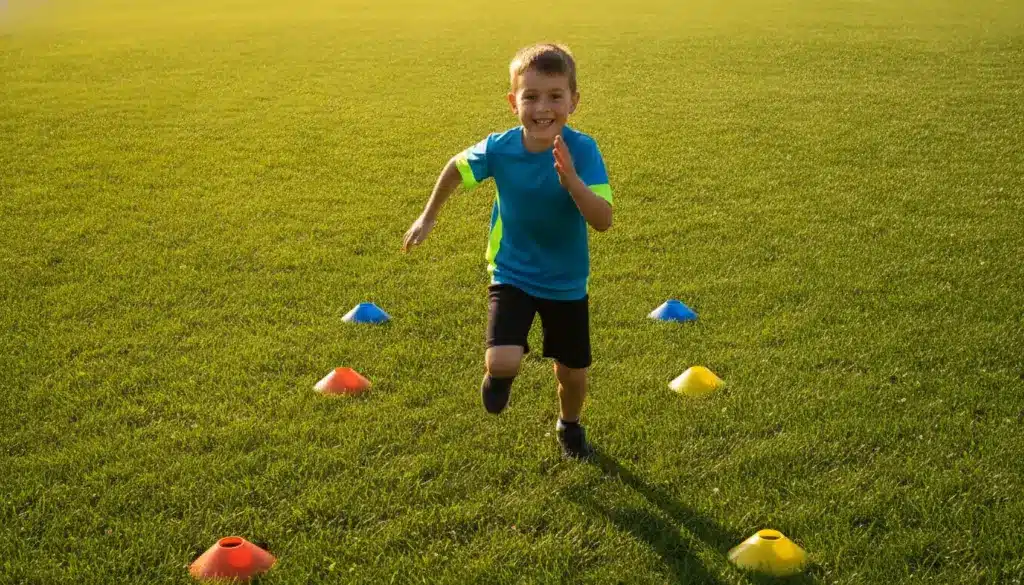



Youth sports play a vital role in helping children grow stronger, healthier, and more self-assured. While physical fitness is often the most obvious benefit, sports also develop coordination, agility, balance, and confidence that support children in everyday activities. From learning how to control body movements to making quick decisions under pressure, sports provide valuable life skills that extend far beyond the playing field.
Parents often focus on popular team sports, but many athletic activities can improve a child’s overall movement and physical awareness. Whether a child enjoys running, swimming, tennis, gymnastics, martial arts, or archery, consistent participation encourages both physical and mental development. The right sport can help children become more coordinated while boosting self-esteem through steady progress and personal achievements.
Why Coordination Matters for Young Athletes
Coordination is the ability to move different parts of the body smoothly and efficiently together. Good coordination allows children to perform everyday tasks more easily while reducing the risk of falls and injuries.
Sports naturally improve:
- Hand-eye coordination
- Footwork
- Reaction time
- Balance
- Body control
- Spatial awareness
These abilities benefit children not only in athletics but also in school activities, outdoor play, and everyday routines.
The earlier children develop these skills, the easier it becomes to learn more advanced movements later in life.
Agility Builds Quick Thinking
Agility is much more than running fast. It involves changing direction quickly while maintaining balance and control.
Many youth sports require athletes to:
- React to moving objects
- Adjust body position instantly
- Change speed rapidly
- Make split-second decisions
As children practice these movements repeatedly, they become more comfortable responding to changing situations. This combination of physical movement and mental focus strengthens both athletic performance and confidence.
Confidence Grows Through Progress
One of the greatest advantages of youth sports is the confidence that develops through gradual improvement.
Children quickly realize that effort produces results. They may not master a skill immediately, but each practice session brings noticeable progress.
Learning a new skill—whether it’s serving a tennis ball, balancing on a skateboard, or hitting a target—creates a strong sense of accomplishment.
Instead of comparing themselves with others, many young athletes begin focusing on personal improvement, which builds healthy self-confidence over time.
Tennis Develops Precision and Coordination
Tennis is one of the most effective sports for improving coordination because it combines movement, timing, and concentration.
Players constantly practice:
- Hand-eye coordination
- Footwork
- Balance
- Timing
- Quick reactions
Regular TennisProNow lessons provide structured instruction that allows children to build these skills gradually while developing proper technique. As players become more comfortable on the court, they gain confidence in both their athletic abilities and decision-making.
The sport also encourages discipline, patience, and strategic thinking, making it an excellent long-term activity for young athletes.
Swimming Improves Full-Body Control
Swimming is unique because it engages nearly every major muscle group while promoting smooth, coordinated movement.
Young swimmers develop:
- Body awareness
- Breathing control
- Endurance
- Core strength
- Flexibility
Unlike many land-based sports, swimming also reduces stress on growing joints, making it suitable for children of various fitness levels.
As swimmers improve their techniques and endurance, they gain confidence in their physical abilities while enjoying a low-impact form of exercise.
Martial Arts Teach Discipline and Balance
Martial arts emphasize body control, discipline, and respect alongside physical development.
Children learn how to:
- Improve posture
- Strengthen balance
- Control movements
- Focus attention
- Stay calm under pressure
Because progress is measured through skill development rather than competition alone, many children gain confidence without feeling overwhelmed.
Martial arts also encourage perseverance, teaching students that consistent practice leads to improvement.
Gymnastics Builds Strong Foundations
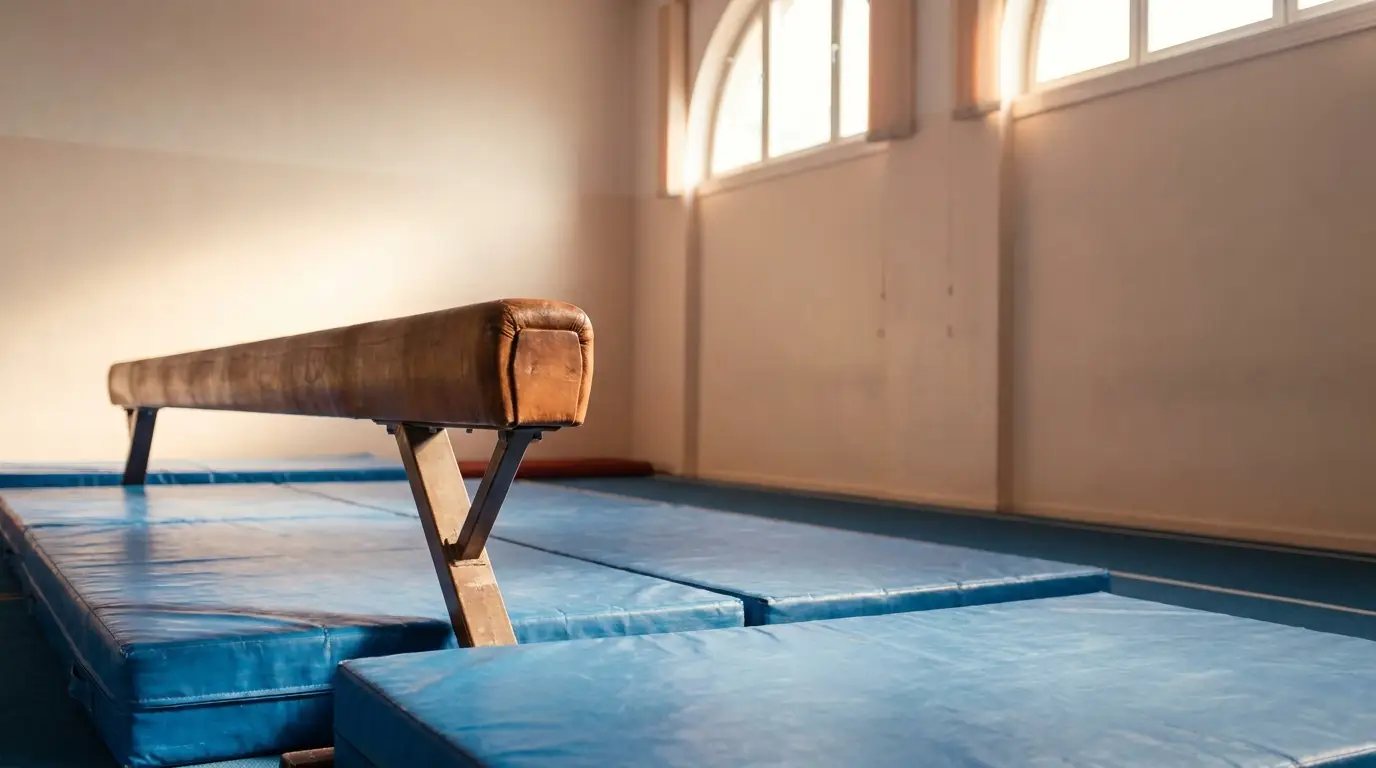
Gymnastics introduces children to a wide range of movement patterns that improve overall athletic ability.
Participants develop:
- Flexibility
- Balance
- Strength
- Coordination
- Spatial awareness
Many athletes in other sports benefit from gymnastics because it builds body control that transfers well to nearly every physical activity.
Children also become comfortable trying new movements, reducing fear while increasing confidence.
Skateboarding Encourages Balance and Persistence
Skateboarding requires continuous adjustments in balance and body positioning.
Every new movement challenges children to improve:
- Stability
- Coordination
- Reaction time
- Focus
- Confidence
Progress often comes through repeated practice and perseverance.
Although learning new tricks may take time, each successful attempt reinforces the value of persistence and determination.
This mindset often carries into academics and other personal goals.
Archery Develops Focus and Control
Archery may appear calm compared to fast-paced sports, but it requires exceptional coordination and concentration.
Young participants improve:
- Hand-eye coordination
- Posture
- Fine motor skills
- Mental focus
- Precision
Participating in archery classes helps children learn patience while developing consistent shooting techniques. Because success depends on accuracy rather than speed, young athletes learn the importance of concentration and self-control.
Archery also provides a welcoming environment for children who may prefer quieter sports over highly competitive team activities.
Running Strengthens Athletic Foundations
Running is one of the simplest ways to improve athletic performance.
Youth running programs help develop:
- Cardiovascular fitness
- Leg strength
- Endurance
- Coordination
- Mental resilience
Children who participate in running often perform better in many other sports because improved endurance allows them to practice longer without becoming fatigued.
Running also teaches pacing and goal setting, encouraging athletes to measure progress over time.
The Role of Consistent Practice
Skill development depends more on consistency than intensity.
Regular practice allows children to:
- Build muscle memory
- Improve technique
- Gain confidence
- Develop healthy routines
- Track measurable progress
Even short practice sessions completed several times each week can produce significant improvements over time.
Parents who encourage consistency rather than perfection often see greater long-term success.
Positive Coaching Makes a Difference
A supportive coach can dramatically influence a child’s athletic confidence.
Good coaches focus on:
- Encouraging effort
- Teaching proper technique
- Providing constructive feedback
- Celebrating improvement
- Building resilience
Children are more likely to remain engaged when they feel supported throughout the learning process.
Positive coaching creates an environment where mistakes become opportunities for growth instead of reasons to quit.
Benefits Beyond Sports
The coordination and confidence developed through sports benefit children in many areas of life.
Young athletes often become better at:
- Solving problems
- Managing responsibilities
- Working toward goals
- Handling challenges
- Communicating effectively
Sports also encourage independence as children learn to manage practice schedules, improve skills, and stay motivated.
These experiences prepare them for future academic, social, and professional success.
Helping Children Choose the Right Sport
Every child has different interests and strengths.
Some enjoy fast-paced competition, while others prefer activities that emphasize individual progress.
Parents can support long-term participation by allowing children to explore different sports before committing to one.
The best choice is often the activity that keeps a child excited to learn, practice, and continue improving.
When children enjoy the process, they naturally become more confident and committed to staying active.
Final Thoughts
Youth sports offer much more than physical exercise. They help children develop coordination, agility, confidence, and resilience while teaching valuable life skills that continue well into adulthood. Whether participating in tennis, swimming, gymnastics, martial arts, skateboarding, running, or archery, every practice session contributes to stronger movement, better balance, and greater self-belief.
By encouraging consistent participation and celebrating progress rather than perfection, parents and coaches can help young athletes build confidence that extends far beyond sports. These lessons create healthy habits, stronger character, and a lifelong appreciation for physical activity.