
June 30, 2026
Athletic confidence is more than simply believing you can win a game or master a skill. It is the foundation that encourages individuals to keep improving, overcome setbacks, and enjoy physical activity throughout life. While team sports often receive much of the attention, individual sports offer unique opportunities for developing confidence because they place personal growth, self-discipline, and independent achievement at the center of the experience. Whether someone is learning to swim, skateboard, run, practice martial arts, or compete in tennis, individual sports encourage athletes to measure success against their own progress rather than constantly comparing themselves with others. Every milestone, no matter how small, becomes a personal victory that strengthens both physical abilities and mental resilience. Why Individual Sports Build Confidence Unlike team sports, where responsibilities are shared among multiple players, individual sports allow participants to take complete ownership of their development. Every improvement is the direct result of personal effort, practice, and determination. This creates a strong connection between hard work and success. As athletes recognize that consistent practice leads to better performance, they begin trusting their own abilities. That confidence often extends beyond sports into school, work, and everyday challenges. Individual sports also eliminate some of the pressure that comes from worrying about letting teammates down. Instead, athletes can focus on improving at their own pace while celebrating personal achievements. Learning Through Small Victories Confidence is rarely built overnight. It grows from accomplishing small goals consistently. For beginners, these milestones may include: Completing a full swimming lap Landing a basic skateboard trick Running a longer distance without stopping Improving flexibility Hitting a tennis serve accurately Mastering proper balance and coordination Each success provides positive reinforcement that motivates continued learning. Rather than aiming for perfection, successful athletes focus on gradual progress. Every session offers an opportunity to improve […]

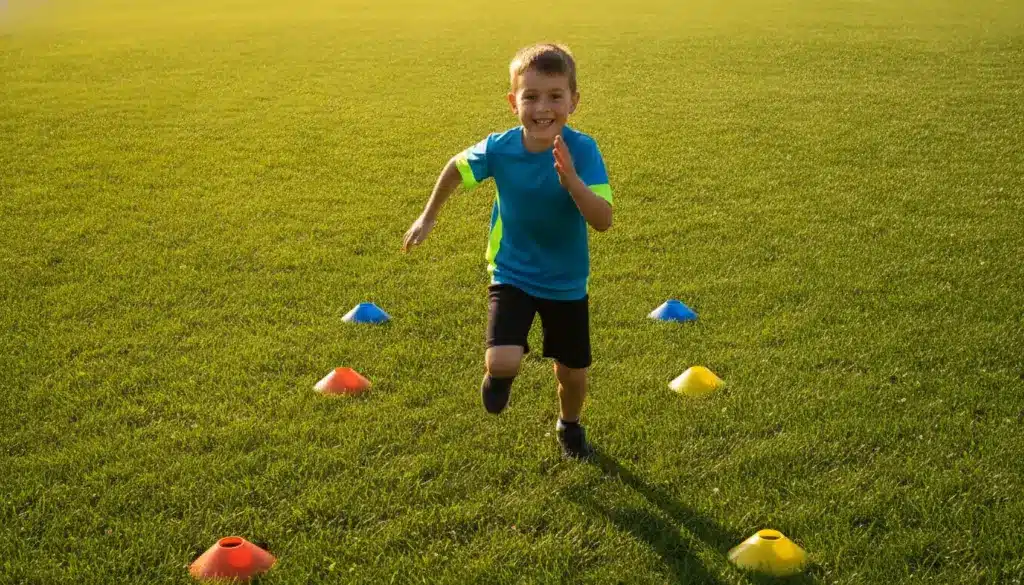
Youth sports play a vital role in helping children grow stronger, healthier, and more self-assured. While physical fitness is often the most obvious benefit, sports also develop coordination, agility, balance, and confidence that support children in everyday activities. From learning how to control body movements to making quick decisions under pressure, sports provide valuable life skills that extend far beyond the playing field. Parents often focus on popular team sports, but many athletic activities can improve a child’s overall movement and physical awareness. Whether a child enjoys running, swimming, tennis, gymnastics, martial arts, or archery, consistent participation encourages both physical and mental development. The right sport can help children become more coordinated while boosting self-esteem through steady progress and personal achievements. Why Coordination Matters for Young Athletes Coordination is the ability to move different parts of the body smoothly and efficiently together. Good coordination allows children to perform everyday tasks more easily while reducing the risk of falls and injuries. Sports naturally improve: Hand-eye coordination Footwork Reaction time Balance Body control Spatial awareness These abilities benefit children not only in athletics but also in school activities, outdoor play, and everyday routines. The earlier children develop these skills, the easier it becomes to learn more advanced movements later in life. Agility Builds Quick Thinking Agility is much more than running fast. It involves changing direction quickly while maintaining balance and control. Many youth sports require athletes to: React to moving objects Adjust body position instantly Change speed rapidly Make split-second decisions As children practice these movements repeatedly, they become more comfortable responding to changing situations. This combination of physical movement and mental focus strengthens both athletic performance and confidence. Confidence Grows Through Progress One of the greatest advantages of youth sports is the confidence that develops through gradual improvement. Children quickly […]
When you’ve spent countless hours preparing for months (the long run, the lift program, the recovery) and a rolled ankle, cancelled race, or abrupt change at work causes everything to fall apart, you may experience motivation loss. This isn’t due to physical exhaustion, but rather because your well-structured plan has fallen apart. Athlete’s success during setbacks lies in their ability to be mentally flexible. Changing the way you think when obstacles occur typically makes a big difference in whether an athlete loses a week versus losing a season. However, mental flexibility doesn’t mean you ignore your frustration, nor should it cause you to pretend an injury didn’t hurt. Instead, mental flexibility allows you to remain malleable in your actions while remaining true to your objectives. Below we’ll discuss what mental flexibility truly represents in sports, the importance of having this type of mentality when faced with adversity, and provide tips on building more adaptability in both your training and recovery processes. What does flexibility in thought represent in sports? In essence, mental flexibility is the ability to switch your tactics, or plan of action, or routine when circumstances change and maintain focus on your objective. To illustrate this concept: imagine you’re driving to a vacation destination and you know exactly which highway you need to take to get there. Now imagine instead that you were provided with a map that showed multiple highways to get to the same destination. The first representation illustrates a rigid thought process. The second illustration demonstrates a more flexible thought process. Your rigid self thinks “if I cannot run today my week is shot”. Your flexible self asks a much better question. “if I am unable to run today, what else will continue to move me closer to my goals?” Perhaps that could be pool […]

Think about the last time a visa delay cost an athlete a competition slot. It happens more than most people realize — a sprinter misses a Diamond League qualifier, a footballer can’t report for pre-season trials, a fighter loses a late-notice bout because a consulate appointment wasn’t available in time. A second passport isn’t a luxury anymore. For professional athletes in 2026, it’s performance infrastructure — as essential as a physio or a strength coach. According to the Henley Passport Index, top-ranked passports (Singapore, Japan, South Korea) now unlock around 188–192 destinations visa-free. Some home passports reach fewer than 50. That gap doesn’t just inconvenience athletes — it actively threatens contracts, sponsorships, and career timelines. So what are the real options? And how do athletes actually go about securing one? Why the Passport Divide Matters for Athletes Specifically The mobility gap has widened considerably heading into 2026. But what makes it uniquely painful for athletes compared to other high-net-worth individuals is the calendar problem. A corporate executive can reschedule a board meeting. An athlete cannot reschedule the Champions League knockout round. There are four dimensions where passport strength directly affects athletic careers: Sponsorship and contract value — Sponsors are increasingly factoring passport strength into deal negotiations. Appearance fees, media days, and global endorsement campaigns depend on frictionless travel. Some brands and leagues explicitly require Schengen or US access for promotional tours and preseason camps. A weak passport creates execution risk that brands price accordingly. Tax efficiency — Athletes typically earn across multiple streams: club salary, appearance fees, image rights, and endorsement deals spanning several jurisdictions. Strategic residency through a golden visa can anchor income in regimes with favorable treatment on foreign earnings — Portugal, Italy’s flat-tax regime, or the UAE’s territorial tax system — and prevent accidental tax residency triggered by days […]