
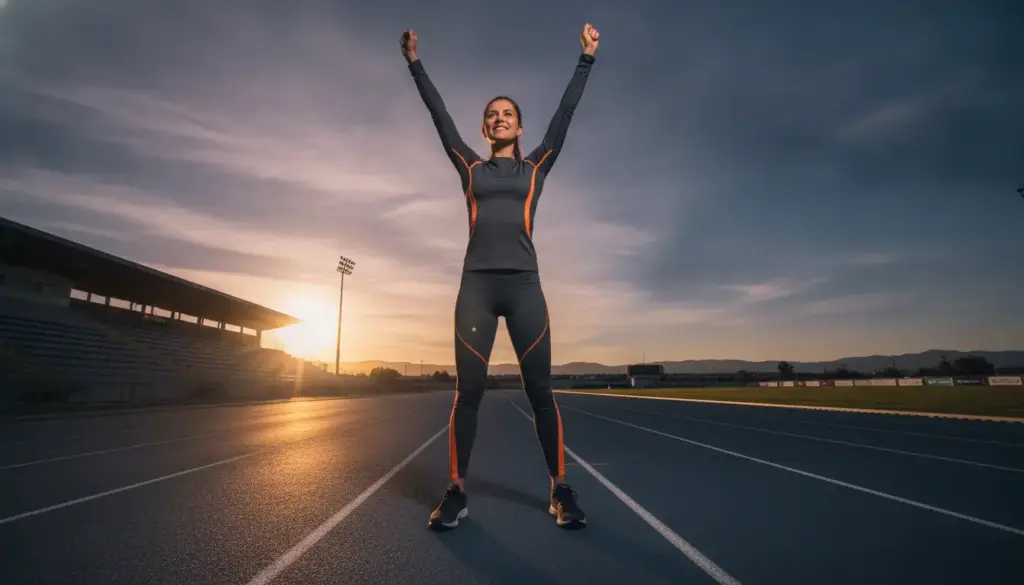



Athletic confidence is more than simply believing you can win a game or master a skill. It is the foundation that encourages individuals to keep improving, overcome setbacks, and enjoy physical activity throughout life. While team sports often receive much of the attention, individual sports offer unique opportunities for developing confidence because they place personal growth, self-discipline, and independent achievement at the center of the experience.
Whether someone is learning to swim, skateboard, run, practice martial arts, or compete in tennis, individual sports encourage athletes to measure success against their own progress rather than constantly comparing themselves with others. Every milestone, no matter how small, becomes a personal victory that strengthens both physical abilities and mental resilience.
Why Individual Sports Build Confidence
Unlike team sports, where responsibilities are shared among multiple players, individual sports allow participants to take complete ownership of their development. Every improvement is the direct result of personal effort, practice, and determination.
This creates a strong connection between hard work and success. As athletes recognize that consistent practice leads to better performance, they begin trusting their own abilities. That confidence often extends beyond sports into school, work, and everyday challenges.
Individual sports also eliminate some of the pressure that comes from worrying about letting teammates down. Instead, athletes can focus on improving at their own pace while celebrating personal achievements.
Learning Through Small Victories
Confidence is rarely built overnight. It grows from accomplishing small goals consistently.
For beginners, these milestones may include:
- Completing a full swimming lap
- Landing a basic skateboard trick
- Running a longer distance without stopping
- Improving flexibility
- Hitting a tennis serve accurately
- Mastering proper balance and coordination
Each success provides positive reinforcement that motivates continued learning.
Rather than aiming for perfection, successful athletes focus on gradual progress. Every session offers an opportunity to improve one skill a little more than the day before.
Developing Mental Strength
Confidence is closely connected with mental toughness.
Every athlete experiences setbacks such as failed attempts, disappointing performances, or slow improvement. Individual sports teach participants how to respond constructively rather than giving up.
Athletes learn to:
- Accept mistakes as part of learning.
- Analyze what went wrong.
- Adjust their technique.
- Return with greater determination.
This process develops resilience, helping individuals remain calm under pressure and continue working toward long-term goals.
Over time, athletes begin viewing challenges as opportunities rather than obstacles.
Building Independence
One of the greatest advantages of individual sports is the development of independence.
Athletes become responsible for:
- Managing practice schedules
- Tracking improvement
- Setting realistic goals
- Maintaining motivation
- Developing healthy habits
These responsibilities encourage self-discipline and accountability from an early age.
Children who participate in individual sports often become better at managing responsibilities in other aspects of life because they understand the relationship between preparation and results.
The Importance of Goal Setting
Setting achievable goals gives athletes a clear direction.
Instead of focusing only on winning competitions, successful athletes often establish performance-based goals such as:
- Improving balance
- Increasing endurance
- Learning a new technique
- Reducing mistakes
- Building consistency
These measurable objectives provide regular opportunities for success.
When athletes accomplish one goal, they naturally become motivated to pursue the next challenge.
Overcoming Fear of Failure

Fear of failure can prevent many people from trying new sports.
Individual sports provide a supportive environment where mistakes become valuable learning experiences rather than embarrassing moments.
Coaches often encourage athletes to celebrate effort as much as results. This mindset reduces anxiety while promoting healthy risk-taking.
For example, someone learning new skateboarding programs may spend several sessions practicing balance before attempting tricks. Every unsuccessful attempt becomes part of the learning journey, gradually replacing fear with confidence and improved skill.
Improving Physical Awareness
Athletic confidence also comes from understanding how the body moves.
Individual sports improve:
- Balance
- Coordination
- Flexibility
- Agility
- Body control
- Spatial awareness
As athletes become more comfortable with movement, everyday physical activities become easier and more enjoyable.
Improved body awareness also reduces hesitation when trying unfamiliar exercises or recreational activities.
Building Self-Motivation
External rewards may provide temporary motivation, but lasting confidence develops from internal satisfaction.
Individual athletes often discover the joy of personal achievement.
Instead of competing solely for medals or recognition, they become motivated by:
- Breaking personal records
- Learning new skills
- Feeling healthier
- Becoming stronger
- Mastering difficult techniques
This intrinsic motivation creates lifelong participation in physical activity.
The Role of Coaches and Instructors
Supportive coaching plays a major role in confidence development.
Effective coaches understand that every athlete learns differently.
They provide:
- Constructive feedback
- Positive encouragement
- Individualized instruction
- Realistic expectations
- Opportunities for gradual progression
Rather than criticizing mistakes, skilled instructors focus on improvement strategies.
This positive environment allows athletes to take risks without fear of judgment.
For younger participants especially, patient instruction often makes the difference between quitting early and developing long-term confidence.
Learning Consistency Through Practice
Confidence grows when athletes see regular improvement.
Consistent practice helps develop muscle memory, allowing movements to become more natural over time.
Even short practice sessions completed regularly often produce better results than occasional intense workouts.
Routine practice teaches athletes that progress comes through persistence rather than shortcuts.
As consistency becomes a habit, confidence naturally follows.
Individual Sports for Children
Children often experience tremendous confidence gains through individual sports.
These activities encourage them to:
- Solve problems independently
- Make decisions
- Learn responsibility
- Improve concentration
- Handle challenges positively
Parents can further support this growth by celebrating effort instead of focusing only on results.
Positive reinforcement encourages children to continue learning even when progress feels slow.
Swimming and Confidence
Swimming is one of the most valuable individual sports for developing confidence because it combines physical skill with safety education.
Learning proper swimming techniques helps children and adults become comfortable in the water while improving cardiovascular fitness, coordination, and endurance.
Structured Nemo Swim training allows participants to progress through carefully designed skill levels, helping beginners build confidence one achievement at a time. As swimmers master each technique, they gain both physical competence and greater self-belief that often carries into other areas of life.
Handling Competition in a Healthy Way
Competition can either strengthen or weaken confidence depending on how it is approached.
Healthy competition focuses on:
- Personal improvement
- Respect for opponents
- Learning from performances
- Maintaining sportsmanship
Athletes who compare themselves only with others may become discouraged.
Instead, measuring progress against previous performances encourages long-term development and sustained motivation.
Confidence Beyond Sports
The confidence developed through individual sports often transfers into everyday situations.
Athletes frequently become more comfortable:
- Speaking in public
- Taking leadership roles
- Solving problems independently
- Managing stressful situations
- Trying new experiences
The lessons learned through regular practice extend far beyond athletic performance.
Many successful professionals credit sports participation for helping them develop discipline, persistence, and confidence throughout their careers.
Encouraging Lifelong Fitness
One significant advantage of individual sports is that many can be enjoyed throughout life.
Activities such as swimming, cycling, running, golf, martial arts, and skateboarding can continue well into adulthood.
Because participants focus on personal improvement rather than team selection, they often remain active for many years.
Lifelong participation supports physical health while maintaining confidence and emotional well-being.
Final Thoughts
Building athletic confidence is a gradual process rooted in patience, persistence, and personal growth. Individual sports provide an ideal environment for developing self-belief because every accomplishment reflects an athlete’s own dedication and effort. From learning basic movements to mastering advanced skills, each milestone reinforces resilience, independence, and motivation.
Whether practicing in the pool, on a running track, or through activities like skateboarding, athletes gain valuable life skills alongside physical abilities. The confidence developed through individual sports extends far beyond competition, helping people approach everyday challenges with determination, self-assurance, and a willingness to keep learning throughout life.