


Recovery is where the real gains happen.
Most folks work extremely hard in the gym or on the track…but they neglect one thing:
Your body only grows when it rests.
If you are missing recovery you are missing out on MASSIVE gains. Period.
Here you will learn about all the best passive recovery techniques to compliment your active training efforts. No additional exercise, no extra work and no gadgets needed.
Let’s jump in!
What’s Inside This Guide:
- Why Passive Recovery Matters
- Sleep: The Foundation
- Hyperbaric Wellness Therapy
- Compression & Cold Therapy
- Massage & Self-Care
- Mindful Recovery
Why Passive Recovery Matters
Passive recovery is any recovery method that does not require you to move.
Translation: That means your body has time to recover without any additional stress. Sounds too good to be true, doesn’t it?
However there is a caveat. You must be deliberate. Snoozing in front of Netflix all day doesn’t count. Passive recovery should be scheduled into your week just as you would schedule your workouts.
And when done properly, it delivers three massive benefits:
- Better muscle repair: your body rebuilds stronger between sessions
- Reduced injury risk: fatigued muscles are injury-prone muscles
- Improved performance: fresh legs beat tired legs every single time
The key is understanding which passive methods are effective. Some of them aren’t. Let’s dive into which ones work and which ones don’t.
Sleep: The Passive Recovery Powerhouse
If you’re going to learn ONE passive recovery technique… learn to sleep.
Sleep is magic time. During sleep your growth hormone surges, your muscles build protein, and your nervous system recovers. If you don’t get enough you sabotage your hard training efforts.
Here’s the kicker:
Studies indicate that athletes repair muscles best when they spend approximately half their sleep cycle in deep sleep. You don’t get that when averaging 5x hours of sleep per night.
Studies also show that chronic sleep restriction reduces protein synthesis by nearly 20%.
Yeah that’s massive. Almost 1/5th of your muscle gains… gone. Just from poor sleeping patterns.
Here is how to fix it:
- Get 7-9 hours of sleep consistently every night
- Keep your room cool, dark and quiet
- Cut caffeine after 2pm
- No screens 30 minutes before bed
Easy things. Things most people don’t do. Things most people question why they haven’t seen any results in their training for months.
Do not be that person.
Hyperbaric Wellness Therapy
Now for the fun one.
Hyperbaric wellness therapy is currently one of the most popular forms of passive recovery. People from all sports are utilizing it to recover quicker and return to training better than ever.
Here is how it works:
You lay in a chamber that is pressurized and gives your body more oxygen than you would normally get. This additional oxygen allows your tissues to heal more quickly, decreases inflammation, and aids in your body’s recovery. It’s completely passive…you literally just sit there and breathe.
A seated hyperbaric chamber is the easiest way to receive this treatment in the comfort of your own home. No pool. No gym. No difficult installation. Simply sit back and breathe.
Hyperbaric wellness therapy has been used by:
- Pro NFL players
- UFC fighters
- Ironman competitors
- Olympic swimmers
If they can do it…..so can you! Most sessions last between 60-90 minutes so they can easily be worked around your day without altering your normal routine.
Bonus: it also feels amazing.
Compression & Cold Therapy
Compression therapy involves wearing compression garments (sleeves, boots) that apply pressure to your muscles. This can increase blood flow and help eliminate metabolic waste accumulated from intense training.
Cool right?
Many professional athletes don compression boots for 20-30 minutes following their hardest workouts. Passive. Easy. Really effective.
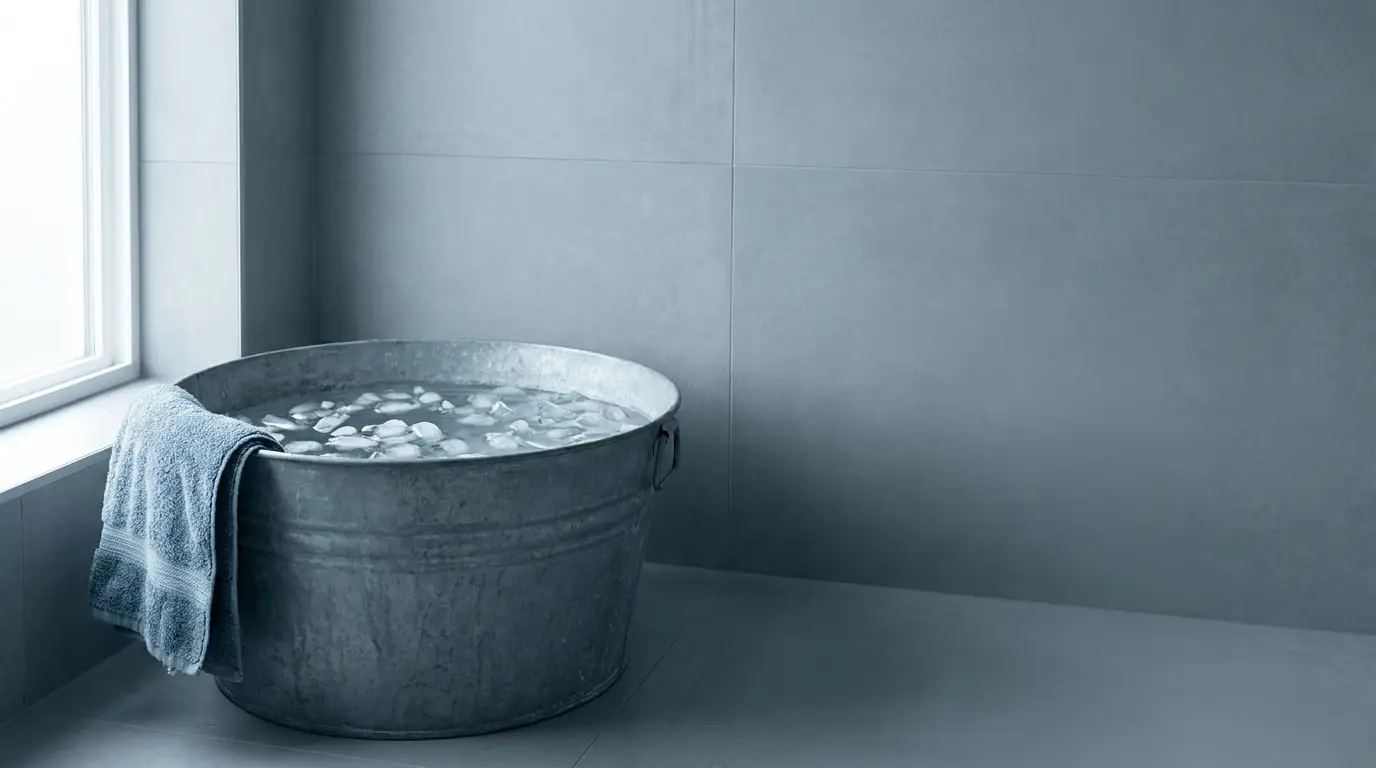
Cold therapy is yet another passive recovery trick you should consider experimenting with. Ice baths and cold showers help decrease inflammation and delayed muscle soreness. You simply sit in ice water for a few minutes and allow the cold to work its magic.
Caution: Cold therapy can dampen certain adaptations to training if applied immediately post strength training. Use it on high-volume training days or during peaking for competitions for optimal effect.
Timing matters here. Get the timing right, and the results speak for themselves.
Heat counts too. Short sessions in an infrared sauna can boost peripheral circulation, promote relaxation, and support perceived recovery without additional mechanical stress. For home use, look for low-EMF, far-infrared designs built for therapeutic sessions see options like far infrared saunas by High Tech Health, available in multiple sizes for easy in-home setup. Begin with 15–25 minutes, stay hydrated, and schedule heat on high-volume or rest days rather than right after heavy strength work.
Massage & Self-Care
Massage is the classic passive recovery method… and it still works today.
You also don’t have to spend money on a professional weekly. Foam rolling and using a massage gun at home can get you 80% of the benefits for way cheaper.
Focus your efforts on:
- Tight muscle groups
- Areas you use most in training
- Any spots that feel “knotty” or stiff after workouts
Shoot for 10-15 minutes several times a week. That is enough to get results. Just make sure you do it regularly and establish a routine.
Mindful Recovery
The final piece of the puzzle… your mind.
Stress plays a huge role in your recovery from a physiological standpoint. When your mind is overwhelmed your body will have a hard time recovering properly. Cortisol levels increase, sleep won’t be as good, everything starts to fall apart.
Meditation, intentional deep breathing, and brief walks can help reduce stress hormones and settle down the nervous system. Just 10 minutes daily can create lasting effects.
Don’t turn your nose up at this one because it seems “too easy” to count as training. Pros sweat this stuff…you should too.
The Bottom Line
Passive recovery is vastly underrated in any training program.
You don’t have to work harder to achieve better results … you just have to learn how to rest smarter.
To quickly recap:
- Sleep 7-9 hours a night, every night
- Try hyperbaric wellness therapy for faster tissue recovery
- Use compression and cold therapy strategically
- Foam roll and massage tight areas regularly
- Keep your mind fresh with meditation and light walks
Layer a few of these principles on top of each other. Watch your performance skyrocket. Your workouts will feel better. Your recovery time will decrease. Your gains will begin to compound on themselves.
The beauty of these passive recovery techniques? They don’t ask anything more of you. They just ask that you be consistent. Begin with sleep, tack on another method each week, and grow from there.
Your future self will thank you for it.