
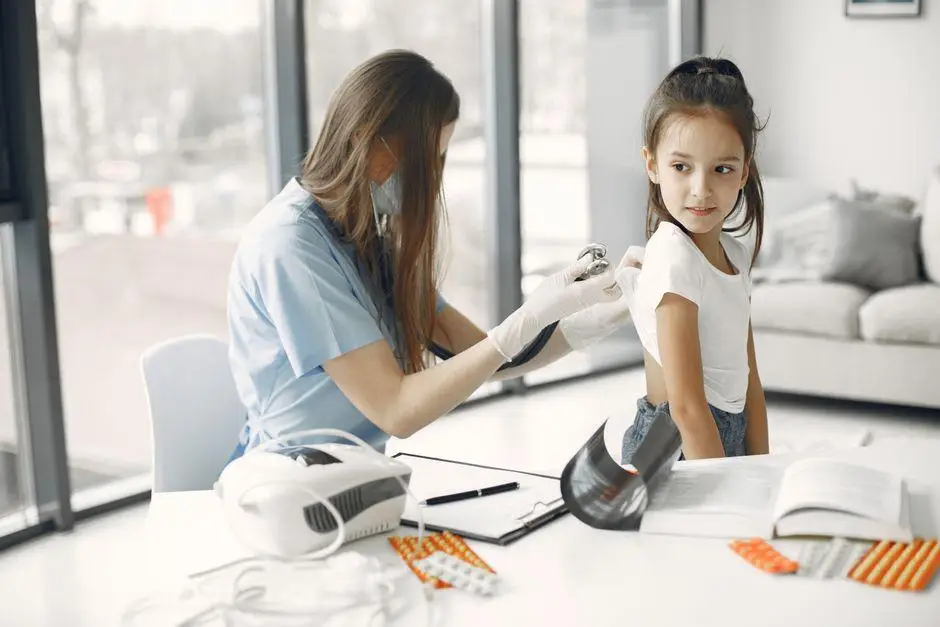



Children’s healthcare is becoming more complex for many families. Parents are juggling more appointments, more questions, and often longer waits for help with everything from common illnesses to chronic conditions and mental health concerns. In this environment, pediatric nurses are more essential than ever.
Their role goes far beyond giving medication or assisting with routine treatment. Pediatric nurses help children feel safe, guide parents through stressful decisions, and make care more personal and effective. As demand for pediatric services rises, so does the need for highly trained nurses who understand children’s unique medical and emotional needs.
Growing Care Needs
Managing long-term wellness requires consistent adaptation across the entire medical landscape. Young patients still need treatment for everyday illnesses and injuries, but many also need long-term support for asthma, diabetes, severe allergies, developmental disorders, anxiety, and depression. These expanding clinical needs place immense structural pressure on specialized hospital clinics and local practitioners, often resulting in delayed appointment times or forcing rural families to travel long distances to find appropriate providers.
Analyzing regional medical staffing trends reveals critical vacancies across specialized healthcare systems. Expanding clinical pipelines depends heavily on evaluating where specialized pediatric nursing shortages impact patient care timelines. Investigating why are pediatric nurses in high demand highlights the broad systemic necessity for advanced training pathways that prepare doctoral-level clinical leaders to fill urgent workforce shortages. Leaving these specialized clinical roles unfilled causes extended emergency room wait times and compromises long-term pediatric wellness outcomes.
What Pediatric Nurses Do
Pediatric nurses care for infants, children, and adolescents based on each patient’s age, developmental stage, and medical condition. That requires specialized skill. A baby cannot explain pain, a toddler may resist an exam, and a teenager may minimize symptoms or emotional distress.
These nurses work in hospitals, pediatric offices, urgent care centers, schools, and community programs. Their responsibilities often include taking vital signs, giving medications, assisting with treatments, monitoring recovery, educating families, and answering questions about care at home.
What makes pediatric nurses especially valuable is their ability to care for both the child and the parent. They explain procedures in ways children can understand while giving adults clear, reassuring information. They often notice when a child is frightened, overstimulated, tired, or in pain, even if the child says very little.
This mix of clinical expertise and emotional awareness makes pediatric nurses a steady presence during difficult moments. Their work is not only technical. It is also deeply relational, and that is a major part of quality pediatric care.
Why Parents Notice Shortages
Families usually feel pediatric nurse shortages through everyday frustrations rather than official reports. Appointments may be harder to schedule, wait times may increase, and visits can feel rushed when too few staff members are caring for too many patients.
Parents may also see services shrink locally. Clinics sometimes reduce hours or cut back programs when they cannot hire or keep enough trained pediatric staff. In rural or smaller communities, this can make support for behavioral health, chronic illness, or medically complex children especially hard to access.
These challenges do not usually reflect a lack of commitment. More often, they show what happens when healthcare professionals work under constant pressure. Heavy workloads can lead to burnout, which affects retention and continuity of care. Families may need to repeat the same information to multiple providers, wait longer for follow-up, or travel farther for treatment.
When pediatric nursing teams are fully staffed and well supported, the difference is noticeable. Care becomes smoother, safer, and more responsive. Parents have more time to ask questions, children receive more individual attention, and the healthcare experience is less stressful overall.
Care Beyond the Hospital
Many people picture pediatric nurses mainly in hospitals or emergency rooms, but much of their impact happens elsewhere. They are central to preventive and ongoing care, helping children stay healthy enough to avoid more serious problems later.
In primary care clinics and pediatric offices, nurses support wellness visits, vaccinations, growth tracking, developmental screenings, hearing and vision checks, and family education about nutrition, sleep, and healthy routines. These services may seem routine, but they are critical for early detection and long-term well-being.
Pediatric nurses are also deeply involved in chronic disease management. For children with asthma, epilepsy, diabetes, or severe allergies, they may monitor symptoms, explain treatment plans, teach families how to use medications or medical devices, and guide them on what to do when symptoms get worse. This kind of support can prevent emergencies and help parents feel more confident at home.
Schools are another important setting. School nurses give medications, respond to injuries, maintain individualized health plans, and identify concerns that may need medical follow-up. Community-based programs also rely on pediatric nurses to teach families when to seek urgent care, how to manage minor illnesses, and how to build healthier daily habits.
Much of this work happens quietly, but it is vital. By helping families address problems early, pediatric nurses keep smaller concerns from becoming much larger ones.
Why This Career Matters
Pediatric nursing matters because children are not simply small adults. Their bodies change quickly, symptoms can appear differently than they do in older patients, and emotional and developmental needs vary widely by age. Caring for them well requires patience, close observation, and strong communication.
Trust is especially important in pediatric care. A child who feels safe is more likely to cooperate during an exam, talk about symptoms, and return for future care with less fear. Parents also need confidence in the people caring for their child. When a nurse explains what is happening clearly and kindly, it reduces confusion and helps families make better decisions.
That is one reason pediatric nursing is such a meaningful profession. Pediatric nurses are often the people families remember after a difficult diagnosis, a frightening hospital stay, or a stressful urgent care visit. They advocate for children, notice subtle changes, and help parents understand complicated situations.
For people considering a healthcare career, pediatric nursing offers a chance to make a difference early in life. Supporting a child’s health can affect not just one appointment but years of growth, learning, and development.