
July 21, 2026
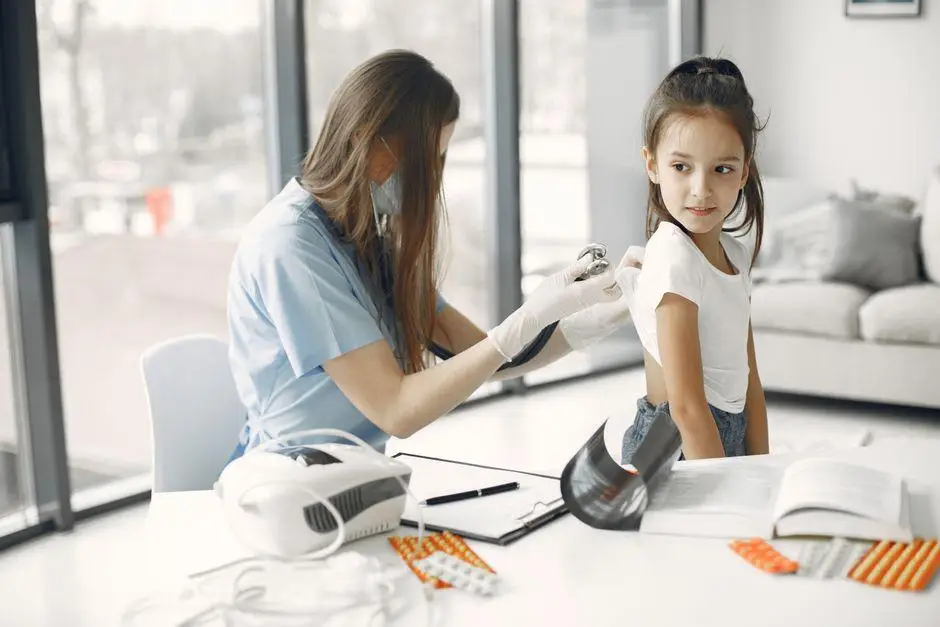
Children’s healthcare is becoming more complex for many families. Parents are juggling more appointments, more questions, and often longer waits for help with everything from common illnesses to chronic conditions and mental health concerns. In this environment, pediatric nurses are more essential than ever. Their role goes far beyond giving medication or assisting with routine treatment. Pediatric nurses help children feel safe, guide parents through stressful decisions, and make care more personal and effective. As demand for pediatric services rises, so does the need for highly trained nurses who understand children’s unique medical and emotional needs. Growing Care Needs Managing long-term wellness requires consistent adaptation across the entire medical landscape. Young patients still need treatment for everyday illnesses and injuries, but many also need long-term support for asthma, diabetes, severe allergies, developmental disorders, anxiety, and depression. These expanding clinical needs place immense structural pressure on specialized hospital clinics and local practitioners, often resulting in delayed appointment times or forcing rural families to travel long distances to find appropriate providers. Analyzing regional medical staffing trends reveals critical vacancies across specialized healthcare systems. Expanding clinical pipelines depends heavily on evaluating where specialized pediatric nursing shortages impact patient care timelines. Investigating why are pediatric nurses in high demand highlights the broad systemic necessity for advanced training pathways that prepare doctoral-level clinical leaders to fill urgent workforce shortages. Leaving these specialized clinical roles unfilled causes extended emergency room wait times and compromises long-term pediatric wellness outcomes. What Pediatric Nurses Do Pediatric nurses care for infants, children, and adolescents based on each patient’s age, developmental stage, and medical condition. That requires specialized skill. A baby cannot explain pain, a toddler may resist an exam, and a teenager may minimize symptoms or emotional distress. These nurses work in hospitals, pediatric offices, urgent care centers, schools, and […]
For nurses choosing where to build a career, salary is only part of the decision. Daily life matters just as much. A strong job can lose its value if high housing costs, exhausting commutes, and constant stress leave little time for rest, family, or personal interests. That is one reason Ohio continues to attract attention from nurses who want both career stability and a manageable lifestyle. Ohio offers a practical mix of professional opportunity, affordability, and flexibility. Nurses can find work in major cities, suburbs, and smaller communities without facing the same level of cost and pressure found in some larger states. For people looking for a sustainable long-term career, Ohio is worth serious consideration. Why Ohio Stands Out Many people exploring nursing in Ohio are searching for more than a paycheck. They want dependable employment, reasonable living expenses, and a place where life feels balanced rather than overwhelming. Ohio offers that combination in a way that is easy to overlook but hard to dismiss. One of Ohio’s biggest advantages is variety. Nurses can pursue careers in large metropolitan areas such as Columbus, Cleveland, and Cincinnati, where major hospital systems and specialty care settings create broad professional options. At the same time, the state includes suburbs and smaller towns that may offer a quieter pace and a stronger sense of community. That range matters because nurses do not all want the same lifestyle. Some thrive in large healthcare systems with high patient volume and complex cases. Others prefer shorter drives, calmer neighborhoods, and more close-knit workplaces. Ohio supports both approaches. The state also offers a strong sense of job stability. Healthcare services are needed across urban, suburban, and rural regions, so nurses are not limited to one city or one employer. That wider demand can create more security and more […]