
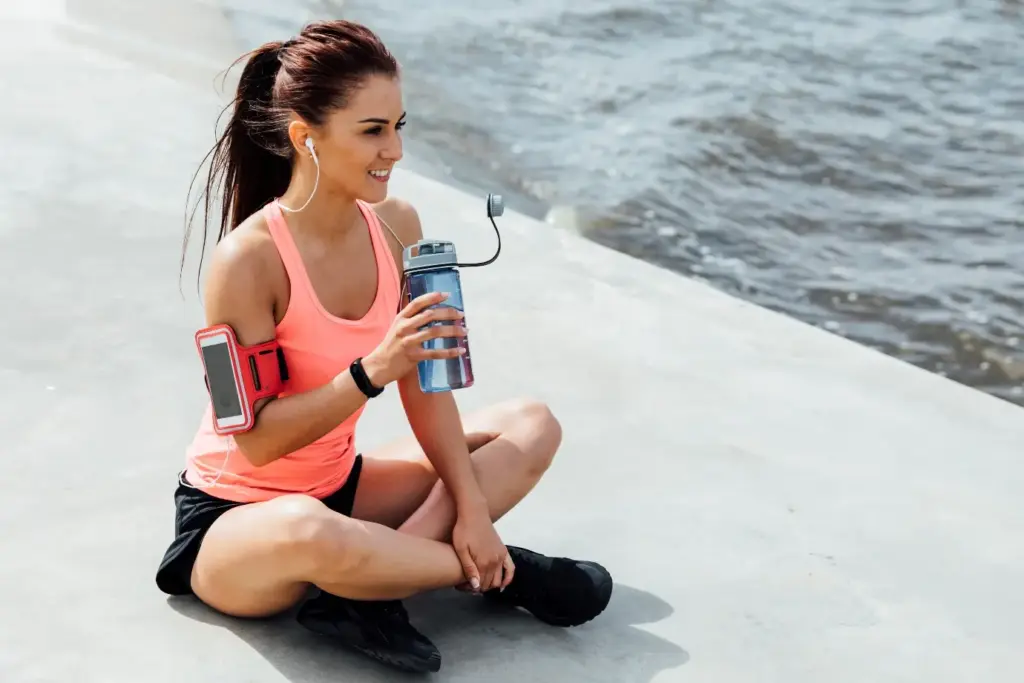




Most people think of recovery as something that happens after a hard session: a foam roller, an ice bath, maybe a rest day marked on the calendar. But the truth is that recovery is built long before you ever step onto a mat or lace up for a run. It is shaped by the small, ordinary choices you make between workouts, how you sleep, what you eat, how much you move throughout the day, and even the shoes you wear to the shops.
If training is the stimulus, everyday habits are what turn that stimulus into progress. Skip the habits and the workouts stop paying off, no matter how hard you push.
What Recovery Really Means
Recovery is not a single event. It is the ongoing process your body uses to repair muscle, replenish energy stores, and reset your nervous system so you can perform again. This happens continuously, not just in the hour after exercise. Sleep, meals, posture, hydration and daily movement all feed into that process.
That is why two people can follow the exact same training plan and get very different results. The one who sleeps well, eats sensibly and stays active throughout the day will almost always recover faster and adapt better than the one who trains hard and then does nothing to support it.
The Everyday Habits That Do the Heavy Lifting
You do not need anything fancy to recover well. A few consistent habits make a bigger difference than most supplements or gadgets ever will.
- Sleep, ideally seven to nine hours a night, since this is when most tissue repair takes place
- Steady hydration throughout the day, not just around training sessions
- Balanced meals with enough protein to support muscle repair
- Short walks or gentle movement on rest days to keep blood flowing
- Comfortable, supportive footwear for everyday walking, which takes pressure off tired joints
That last point is easy to overlook, but it matters more than people think. If your training shoes are doing all the work while your everyday shoes are flat, worn or unsupportive, your feet and joints never really get a break. A comfortable, well cushioned pair for daily wear, such as women’s skechers, can make walking to work, doing the school run or simply standing around far less tiring on the legs, which leaves more in the tank for your next proper session.
Why Consistency Beats Intensity

It is tempting to believe that recovery is about doing something dramatic, an ice bath, a long massage, a special drink. In reality, consistency wins. Going to bed at a reasonable time most nights, drinking enough water, and moving gently on rest days will outperform an occasional big recovery gesture every time.
This is the same principle behind a well planned training and recovery routine, where small daily habits, rather than one heroic effort, are what keep progress steady over months and years.
Signs Your Everyday Habits Need Attention
Sometimes the body gives clear signals that recovery is being neglected. Keep an eye out for:
- Waking up tired even after a full night’s sleep
- Persistent muscle soreness that lingers for days
- Feeling flat or unmotivated during sessions that used to feel manageable
- Frequent niggling aches in the feet, knees or lower back
- Craving sugary snacks or caffeine just to get through the day
None of these are emergencies, but they are worth listening to. They usually mean it is time to look at sleep, food and daily movement before adding anything else to the training plan.
Building Habits That Actually Stick
Big lifestyle overhauls rarely last. Small, repeatable changes tend to work far better. Try starting with just one or two of these:
- Set a consistent bedtime, even on weekends
- Keep a water bottle within reach throughout the day
- Add a short walk after lunch or dinner
- Swap one unsupportive pair of daily shoes for something more comfortable
- Prepare simple, protein rich snacks in advance so you are not caught out
Once one habit feels automatic, add another. This gradual approach is far more sustainable than trying to change everything at once.
Workouts get the credit, but everyday habits do much of the real work behind the scenes. Sleep, hydration, sensible eating, gentle daily movement and comfortable footwear all add up to faster, more reliable recovery.
Focus on getting the small things right consistently, and the results from your training will start to show up faster and last longer.