




Adult fitness is shifting away from repetitive pavement pounding in favor of smoother cardiovascular conditioning. Success in outdoor skating relies heavily on choosing the right introductory equipment to build foundational balance and prevent early injuries. Stabilizing boot structures paired with shock-absorbing wheels characterize USA Skate Shop’s roller skates for beginners, providing essential support for adults returning to the sport. This growing movement highlights the measurable health advantages of gliding across the pavement rather than striking it with heavy running shoes.
Why Cardiovascular Health Requires Less Joint Shock
Running exacts a heavy toll on the body due to repetitive vertical force. Biomechanical studies indicate that skating produces up to fifty percent less impact shock on lower extremity joints compared to running. This significant reduction in vertical force makes it an ideal alternative for older adults or individuals managing early-stage knee deterioration from previous athletic pursuits.
A skater relies on a lateral push-and-glide mechanism to move forward, which alleviates the downward pressure typically placed on the meniscus and ankle ligaments during a jog. Participants can still elevate their heart rates into the aerobic zones necessary for cardiovascular conditioning without the compounding micro-trauma associated with high-impact sports. Medical professionals frequently recommend this movement pattern as a way to maintain intense cardiovascular output while protecting the skeletal system from long-term damage.
Muscle Activation and Core Engagement From Quad Skates
Unlike stationary cycling or jogging, which operate primarily in a linear plane, outdoor skating demands constant engagement from multiple muscle groups to maintain momentum over varying terrain. Balancing on quad skates forces the body to recruit core stabilizing muscles continuously. Every stride requires micro-adjustments from the erector spinae in the lower back and the transverse abdominis, turning a simple park loop into an effective postural workout.
The biomechanics of self-propulsion target the abductors, gluteus maximus, and the entire quadriceps complex. “Skating provides a comprehensive aerobic workout while highly engaging the gluteal and hamstring muscle groups simultaneously,” notes Dr. John Porcari, a clinical exercise physiologist. Pushing outward against the pavement activates the lateral hip muscles, which are often underdeveloped in traditional runners. Strengthening these muscle groups leads to improved pelvic stability and a reduced risk of lower back pain in daily life.
Practical Equipment Selection and Safety Protocols
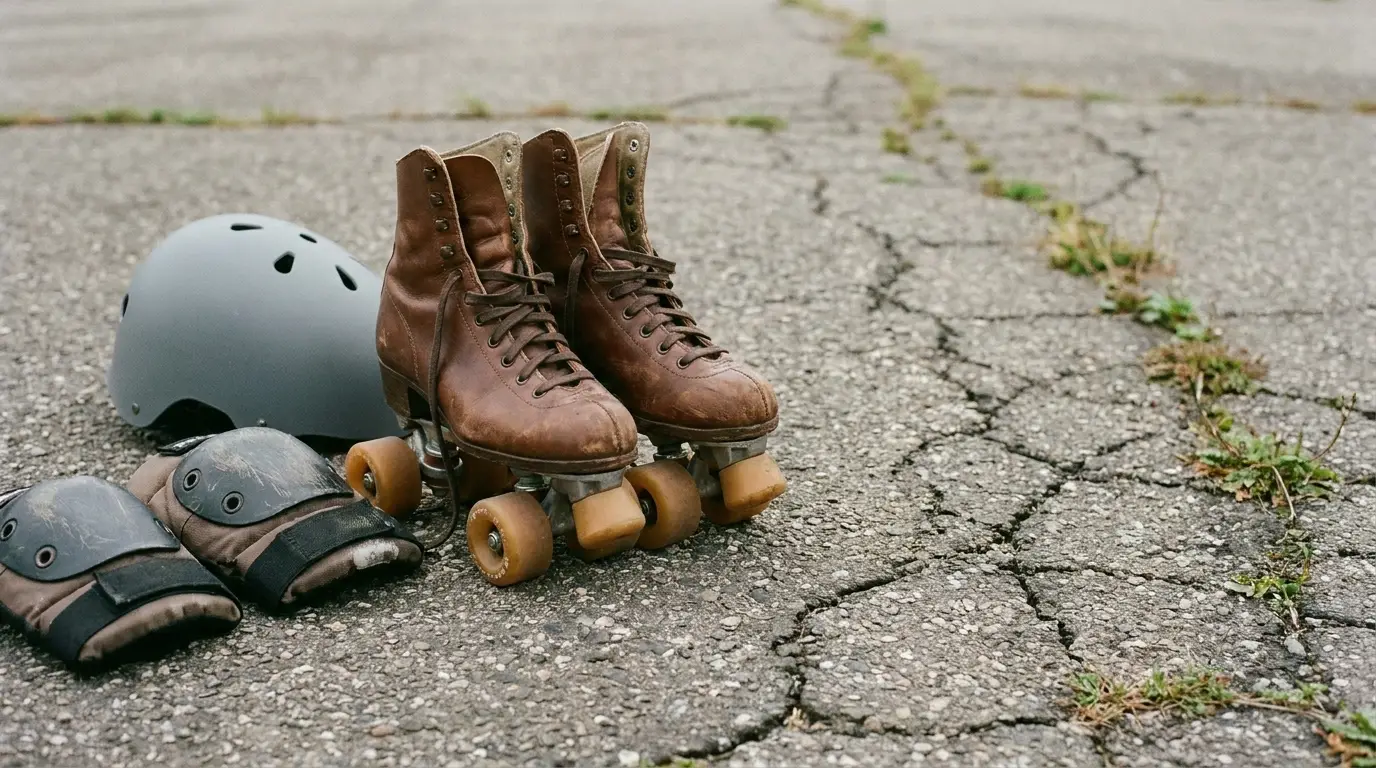
Transitioning from indoor rinks to unpredictable outdoor pathways requires technical knowledge of gear construction. Asphalt introduces debris, varying textures, and road vibrations that demand specific hardware. A wheel with a softer durometer rating, typically around 78A, acts as a primary suspension system. This high polyurethane content absorbs surface irregularities, ensuring the skater maintains their footing when encountering small pebbles or sidewalk cracks.
Protective equipment is a non-negotiable aspect of outdoor conditioning. A standard safety profile should include high-density foam knee pads, hard-shell elbow protectors, reinforced wrist guards, and a certified multisport helmet. Wrist guards are particularly effective at preventing distal radius fractures—the most common acute injury seen in emergency rooms among new riders. Wearing the proper protective gear removes the anxiety of falling, allowing adults to commit fully to their stride extensions and engage muscle groups correctly without defensive posturing.
Regional Adoption and Amateur Sporting Communities
The social infrastructure supporting outdoor skating has grown alongside the fitness trend itself. Major metropolitan areas frequently close specific thoroughfares to motorized vehicles on weekends, dedicating kilometers of smooth asphalt to amateur athletes. Berlin and Paris host weekly night-skating events that draw thousands of participants, while smaller regional towns are developing local weekend groups through community networks.
Joining a local fitness collective provides invaluable observational learning opportunities for newcomers. Novices can watch experienced athletes navigate complex urban topographies, such as steep driveways or uneven crosswalks, in real-time. This community environment promotes consistency and accountability, which are the primary drivers of long-term fitness results. When an activity transitions from a solitary physical task into a shared cultural experience, participants are significantly more likely to maintain their cardiovascular routines across multiple seasons.