
Health & Care
Digital entertainment has become a routine part of everyday life in New Zealand. Streaming a favourite programme, scrolling through social media, playing games or catching up with friends online can provide convenient ways to relax. Yet, as more leisure activities move onto screens, finding a balance between online entertainment and physical wellbeing becomes increasingly important. A healthy relationship with technology does not necessarily require abandoning digital activities. Instead, small decisions about when and how devices are used can make a difference. Making time for movement, protecting sleep and taking regular breaks can allow people to enjoy online entertainment while maintaining healthier everyday routines. Building Better Habits Around Screen Time Screen time itself covers many different activities. Someone might spend an hour video calling family, another hour watching a film and additional time working or studying. For that reason, creating balance can be more practical than focusing exclusively on the total number of hours spent looking at a screen. The New Zealand Ministry of Health provides information and guidance around physical activity and healthy lifestyles. Incorporating movement throughout the day is particularly relevant when work and entertainment both involve long periods of sitting. Simple changes can help. Taking a short walk between episodes, stretching after spending time at a computer or choosing an outdoor activity before settling down with a game can interrupt long periods of inactivity. New Zealand also offers plenty of opportunities to make movement enjoyable, from neighbourhood walks to beaches, parks and hiking tracks. Keeping Online Gaming in Perspective Gaming can provide relaxation, competition and social interaction, but it is also an activity where healthy boundaries can be useful. Rather than allowing a gaming session to continue indefinitely, players can decide beforehand how much of their free time they want to dedicate to it. Online gaming also encompasses […]

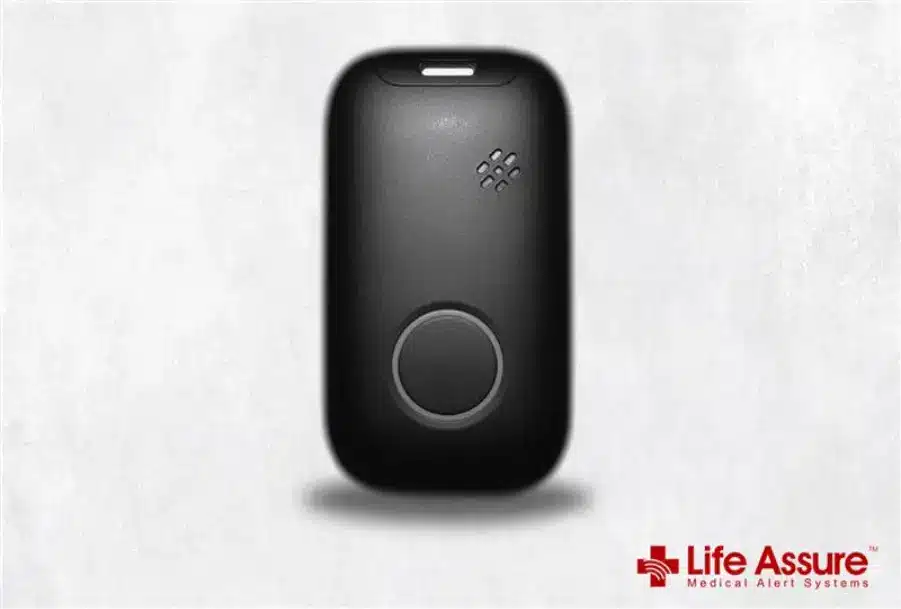
It’s 2 AM, and an elderly father wakes up dizzy on the way to the bathroom. He grips the door frame. He misses. He falls on the tile floor, alone, his phone charging in the adjoining room. Such an incident occurs in households all over the nation on a daily basis. This is precisely the reason why there are medical alert devices. It is activated by a small button or pendant that is worn. It takes a two-minute reaction to trained assistance out of a frightening, silent fall, rather than hours on the cold tile. So how does that little device pull off something so critical? These are the five things that occur behind the scenes, sequentially, since it is put on until help arrives. A Wearable Button Sits Ready At All Times Learning how medical alert device works begins with the item that a senior carries: in fact, a pendant, wristband, or clip-on device, which is kept in easy reach around the clock. A mobile phone may be left on a nightstand or even lost in a wallet. This button does not; it remains on the body, in the shower, in the garden, on a walk around the block. A small radio transmitter, matched to a base unit or a cellular chip, is located inside. Pushing the button does not call 911. Rather, it transmits a message to an emergency-constructed monitoring center. A few features make this reliable: Shower and outdoor casing that is water-resistant. Several months of stand-by battery life. Signal range that reaches every room in a typical home The Signal Travels To A Monitoring Center Within Seconds When the button is pressed, the transmitter transmits a signal. A base station at a landline or cellular network is used to route home units. Mobile units are directly […]
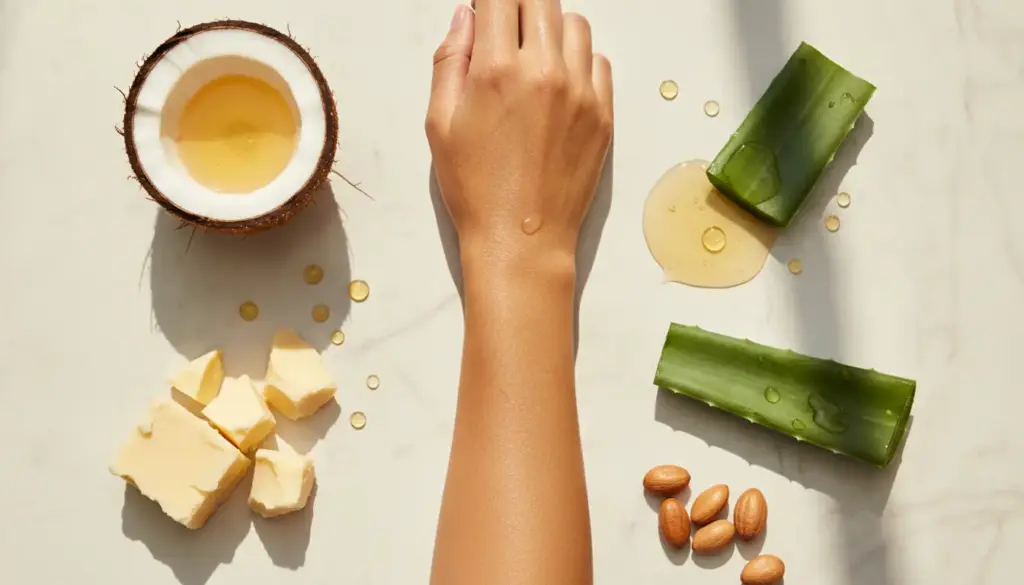
Traditional self-tanning products contain harsh chemicals that dry out your cells, causing a patchy fade. This dryness can cause your beautiful glow to rub off in uneven dark patches after a few days. Finding nourishing formulas can brighten and beautify your skin. This blog discusses six hydrating ingredients to look for when buying your self-tanning bottles. 1. Pure Aloe Vera Extract Aloe vera is a classic plant extract that can cool, soothe, and hydrate irritated skin tissue. Adding it to a foam that gives you a bronzing effect is like giving your parched limbs a drink of water. It can treat minor shaving irritation right away. In this manner, the tinting agents are able to reach your body without becoming trapped between dry and rough areas. It provides your colour with a base that is smooth and uninterrupted from head to toe. 2. Rich Coconut Oil Coconut oil is rich in essential fatty acids that make for a strong moisture shield on your skin. Hydration is kept in place in your cells and prevents early flaking or dry scaling. It gives your limbs a beautiful natural shine right away. Products that are made with premium self tan oils will keep your skin soft after a shower rinse. If you put oil on your knees and elbows, dark spots won’t be able to soak in. It ensures an extremely successful blend. 3. Hyaluronic Acid Magic Hyaluronic acid is a superstar skincare molecule which can hold up to 1,000 times its weight in pure water. Adding such an incredible powerhouse to your body bronzer transforms your weekly colour session into a deep anti-ageing skin treatment. It fills up your tissue layers instantly. This intense burst of moisture plumps up fine lines on your chest and wrists for a smooth, youthful look. It […]
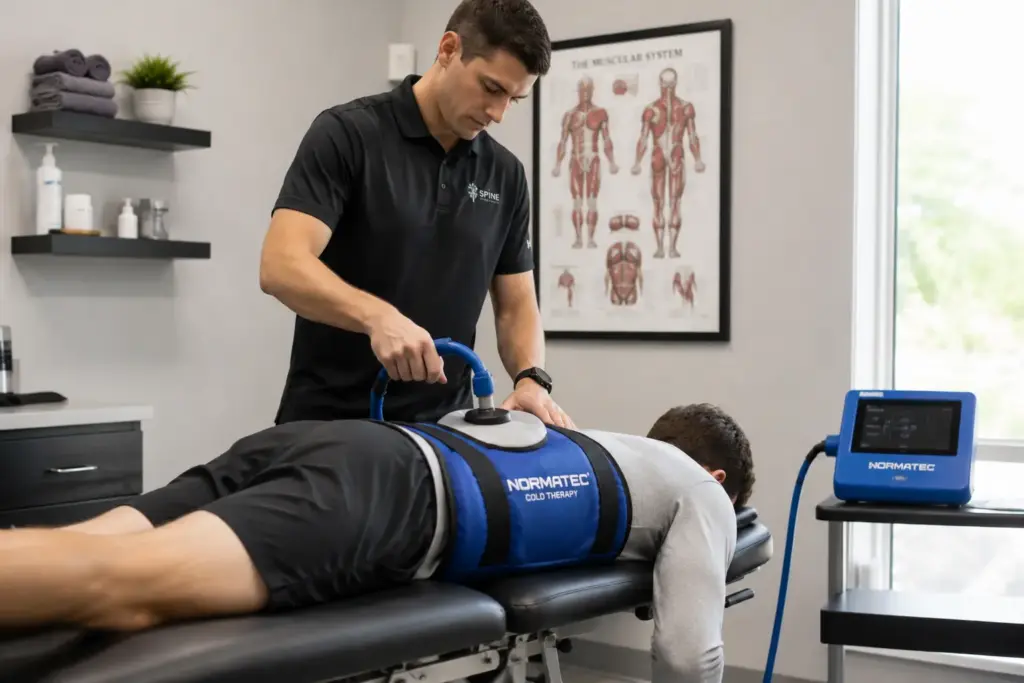
By: Dr. Alex Klein Most people treat ice as the treatment. You roll an ankle, you grab a bag of frozen peas, you elevate, and you wait. The problem is that the evidence for ice as a healing tool has never been strong, and the man who invented the acronym you learned it from spent the last decade of his career saying so. What has held up is something less satisfying and more useful: cold controls pain, movement drives recovery, and the two belong in a specific order. That order is where a good clinician earns their fee. What Cold Therapy Actually Does Cold works through a short list of real, measurable effects. It constricts blood vessels, slows nerve conduction, reduces tissue metabolic rate, and dulls pain. That last one is the reliable one. Every serious review that questions ice still concedes the analgesic effect, which tells you something about where the ground is solid. Where it gets thin is healing. A systematic review of 22 randomised trials covering 1,469 participants found little evidence that adding ice to compression has any significant effect. A 2022 umbrella review of ankle sprain management went further, noting that the highest-quality review it examined found no evidence for the effectiveness of RICE at all. Soreness is a different question with a better answer. A Cochrane review found some evidence that cold water immersion reduces delayed onset muscle soreness compared with doing nothing, though it rated the underlying study quality as low. Feeling less sore is a genuine benefit. It just is not the same thing as healing faster, and conflating the two is how people end up icing for six weeks and wondering why their ankle still feels unstable. The Man Who Invented RICE Changed His Mind Dr. Gabe Mirkin coined RICE in his […]
My father has played the same eight numbers for thirty years. Two birthdays, an anniversary, the

What Is the Female “Nesting Instinct”? The female “nesting instinct” is a phenomenon that has intrigued
Youth sports play a vital role in helping children grow stronger, healthier, and more self-assured. While

When you’ve spent countless hours preparing for months (the long run, the lift program, the recovery)

Table of Contents 1. Tighten Up Your Daily Hygiene Habits 2. Use Heat and Light for

The simplest tricks to boost confidence and stay active after 50 involve streamlining your get-ready routine,

Table of Contents 1. Let The Weekend Do The Work 2. Ride Vehicles That Build Your

Most teenagers dealing with anxiety, depression, or ADHD don’t get help fast enough. That’s the quiet
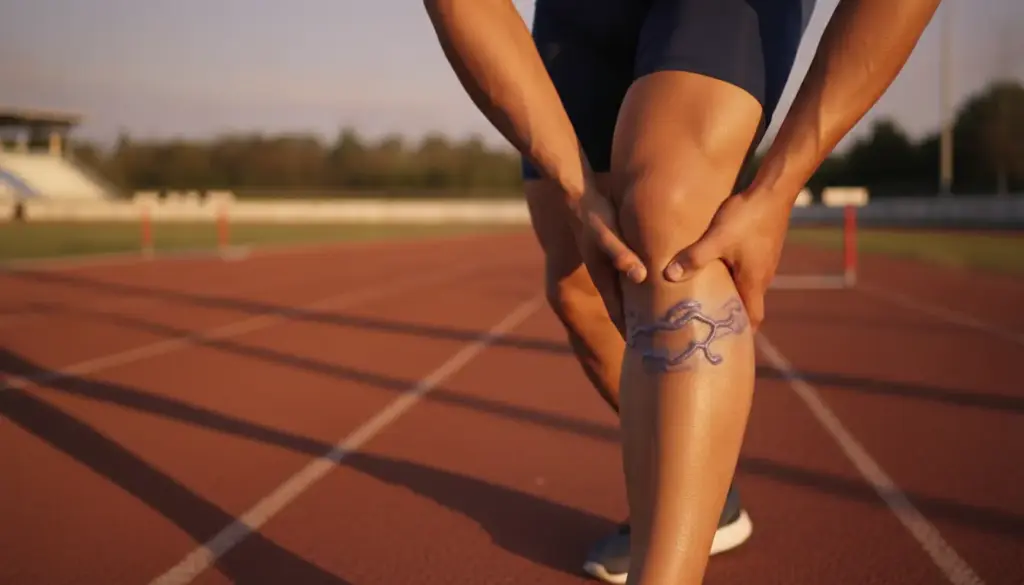
Varicose veins in athletes occur more often than most people realize, because high training volume and

Nothing derails training momentum like persistent muscle soreness and sluggish recovery. While you’re committed to putting
Studies of marathon training cohorts report injury rates between 50 and 90% across a single training
Cannabis is showing up in more athlete recovery conversations. Partly because hemp-derived products are now widely