
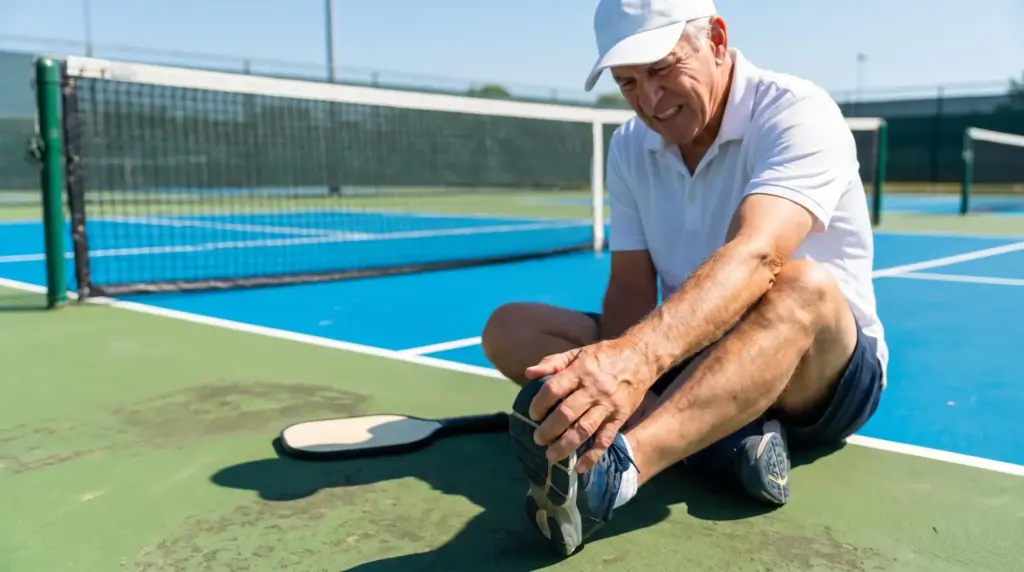


Pickleball may look easy on the body, but it puts repeated stress on the feet through quick stops, pivots, lunges, and side-to-side movement. Older players are especially likely to experience discomfort after playing. Age-related changes, old injuries, swelling, balance issues, and poor shoe fit can all make the feet more sensitive. Experiencing pickleball foot pain can be a sign that your footwear, playing load, or foot mechanics need attention. This article serves as a practical guide to the most common shoe fit mistakes older players make and how to avoid them.
Why Pickleball Is Hard on Older Players’ Feet
Pickleball involves short bursts of movement rather than steady forward motion. Players constantly navigate hard court surfaces through sudden stops, quick pivots, and continuous lateral movement. Lunges toward the kitchen line and fast push-offs place repeated pressure on the forefoot, heel, and arch.
For older players, these physical demands compound. They typically face reduced natural cushioning under the feet and stiffer joints that absorb less impact. Previous ankle or foot injuries alter stability, while swelling during activity adds pressure inside the shoe. Additionally, lower balance confidence makes players grip the court harder. Older players also face longer recovery time after games, meaning shoe-induced fatigue compounds over a tournament weekend. Managing these factors requires a highly practical and sports-specific approach to court footwear rather than general aging advice.
Mistake #1: Wearing Running Shoes Instead of Court Shoes
Running shoes are usually designed for forward motion, prioritizing smooth heel-to-toe transitions. In contrast, pickleball requires strong lateral support. While running shoes may feel comfortable when you put them on, they are usually not ideal for court dynamics.
The soft, thick cushioning that makes some running shoes comfortable can feel unstable during side movement. Pushing off this elevated profile significantly increases ankle-roll risk during directional changes. Court shoes are typically better for pickleball because they feature reinforced sidewalls to expressly support aggressive side-to-side movement.
Importantly, older players should not choose shoes based only on comfort while standing or casually walking around the store. You must evaluate how the shoe performs under actual match conditions. Think carefully about how the shoe responds during sharp pivots, baseline shuffles, and sudden stops before committing.
Mistake #2: Wearing Shoes That Are Too Narrow for Side-to-Side Movement
Shoe width matters more in pickleball than many competitive players realize. During intense lateral movement, the foot spreads and presses forcefully into the sides of the shoe. If the shoe is too narrow, the player may directly feel rubbing, pinching, blisters, toe pressure, or forefoot pain. This risk is higher for wide feet, toe crowding, bunions, hammertoes, or generalized swelling during play. Additionally, players using orthotics often find those inserts take up extra internal room. Therefore, it is crucial to understand the difference between standard shoe length and functional shoe width, as well as the difference between a simply roomy toe box and true extra-wide sizing. Men’s shoe widths usually move from standard widths into wider options such as 2E, 4E, and beyond. A 2E shoe may work for men who need extra space across the forefoot, while 4E is often used for much wider feet, swelling, bunions, or orthotic inserts. Some players may need even more room if standard wide or extra-wide options still create pressure during lateral movement. If standard wide sizes still feel tight or cause rubbing around the toes, men may need to look at true extra-wide options, including 6E, for more forefoot room.
Mistake #3: Ignoring Arch Support
Arch support directly affects how the foot handles repeated movement and impact during pickleball matches. Players with flat feet, high arches, or natural overpronation may be more prone to discomfort. Without adequate structure, some players may experience heel pain, arch fatigue, or plantar fasciitis symptoms. Unsupported feet typically feel far worse after multiple games because the internal physical structures are forced to handle the strain alone.
Crucially, proper arch support does not mean arbitrarily selecting the stiffest shoe possible. Older players specifically need targeted support that precisely matches their exact foot type, natural comfort level, and weekly playing frequency. An overly rigid arch can cause additional issues if it completely ignores your natural foot anatomy. Supportive insoles or custom orthotics may greatly help some players achieve necessary alignment, but remember that they also require a shoe with enough internal depth and overall width to house them.
Mistake #4: Playing in Worn-Out Shoes
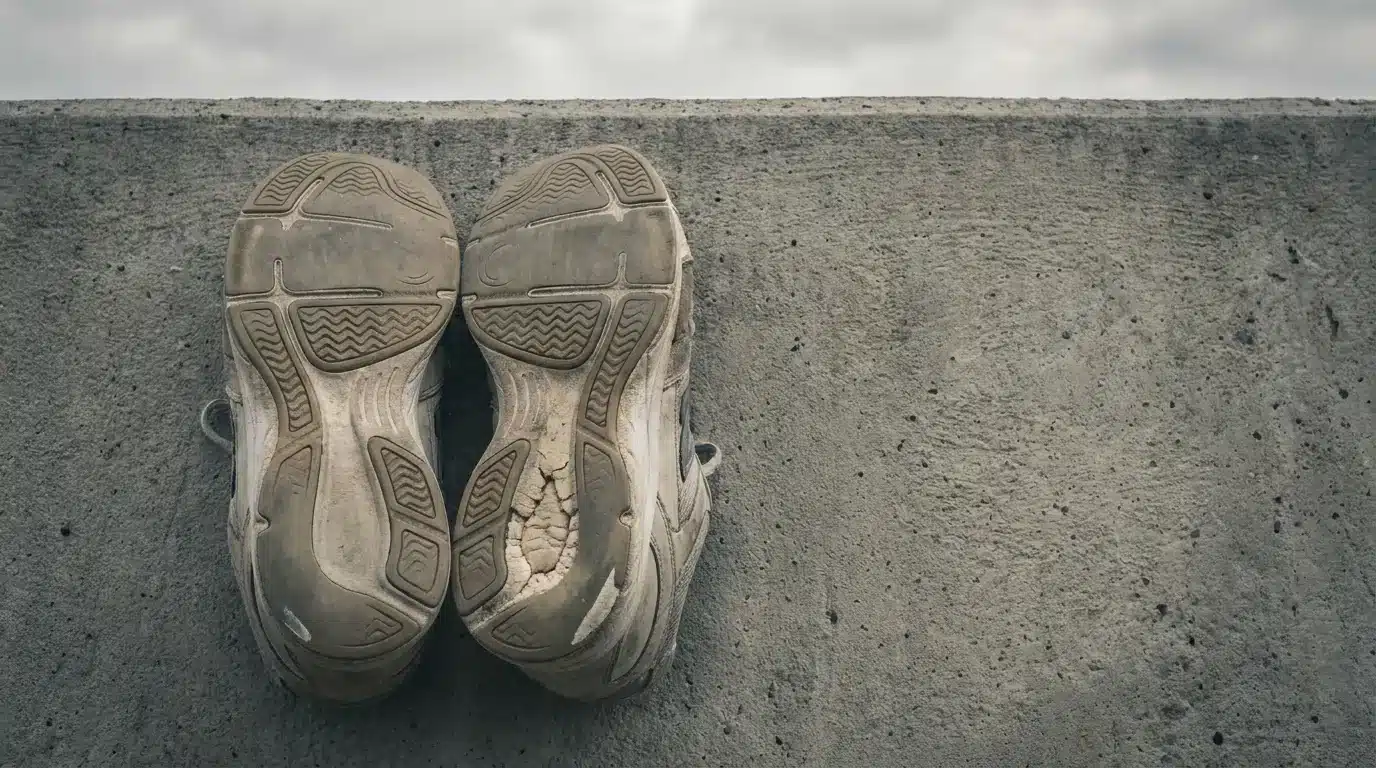
Shoes can lose their structural support long before they look completely worn out on the outside. Compressed midsoles, worn tread, reduced traction, and entirely unstable heel counters compromise performance. Watch for uneven outsole wear or shoes that inevitably feel flat or sloppy during play. When this happens, feet end up aching much sooner than usual after routine games.
Watch for these practical replacement signs: first, inspect if the outsole is completely smooth in high-pressure areas. Second, check if the shoe twists too easily when manipulated by hand. Third, investigate if the heel feels loose during motion. Fourth, notice if the cushioning feels dead and unresponsive. Finally, replace them if the player starts predictably slipping, feeling physically unstable, or if foot pain suddenly appears even though playing habits have not changed.
Mistake #5: Choosing Cushioning Without Stability
Cushioning is clearly important, but choosing too much soft cushioning can make a shoe noticeably unstable during pickleball. Older players understandably want more cushioning to dampen joint impact, but very soft shoes feel dangerously wobbly during fast lateral movement.
To prevent injury, heel cushioning, rigid sidewalls, and an adequately wide base all matter. The absolute best shoe should balance vital shock absorption with reliable physical structure.
Ultimately, a good pickleball shoe should consistently feel highly protective without ever letting the foot slide around inside the shoe during active rallies.
Mistake #6: Not Breaking Shoes in Before Match Play
Even perfectly well-fitting shoes can cause painful hot spots if they are worn for the first time during a full match or tournament. Start with short test walks and light practice sessions.
Practice while wearing the exact same socks planned for games. Thoroughly check for any internal rubbing around the toes, the heel, and the sides. Actively test specific pivots and side shuffles before engaging in competitive play, carefully avoiding brand-new shoes on tournament day. Ultimately, older players should take early rubbing seriously because small pressure points can become intensely painful quickly during repeated court movement.
Where Your Pain Shows up Can Tell You What’s Wrong
Use this informational guide to investigate potential footwear gear failures. Do not use this to diagnose medical conditions; always consult a healthcare professional for persistent health issues.
Heel Pain
Pain located directly under the heel is frequently linked to poor heel cushioning, irritation related to plantar fasciitis, or the recurring, punishing impact of repeatedly playing on hard courts.
Back-of-Heel Pain
Aching specifically at the rear of the heel is often linked to poor structural support within the shoe, tight calves pulling on the heel bone, general localized overuse, or repetitive strain from aggressive push-offs during serves.
Toe Pain
Bruised, pinched, or aching toes may be linked to shoes that are too short, a narrow toe box, or repeated pressure during lunges toward the kitchen line.
Arch Pain
Discomfort centralized under the foot is primarily linked to poor internal arch support, overall muscular fatigue from extended matches, or deeply incorrect mechanical alignment driving your foot downward.
Ankle Pain
Ankle joint strain is deeply linked to poor lateral stability, continuing to play in severely worn-out shoes that have lost internal structure, or the critical mechanical mistake of actively using running shoes on the court.
When to Stop Playing and Get Help
Mild muscular soreness can normally happen after any physical activity, but some distinct symptoms should not be ignored. Players must immediately stop playing and deliberately consider seeking professional guidance if they experience sharp pain, localized swelling, outward bruising, an audible popping sensation, or noticeable limping.
Take definitive action for any joint or foot pain that stubbornly lasts more than a few days, cases of recurring heel pain, or complaints of recurring Achilles pain. Similarly, any noticeable numbness or tingling requires cautious attention. Finally, if any pain gets actively worse during play, pause your game entirely.
Final Shoe-Fit Checklist for Older Pickleball Players
Review this quick checklist before hitting the court:
- Court shoes choice
- Lateral movement support
- Toe box width
- Heel slip check
- Arch support match
- Avoiding too-soft shoes
- Replacing worn shoes
- Breaking in shoes
- Proper socks
- Stopping for sharp pain
Remember, pickleball foot pain is often not caused by pickleball itself, but by shoes that do not match the player’s foot shape, movement style, or support needs.