
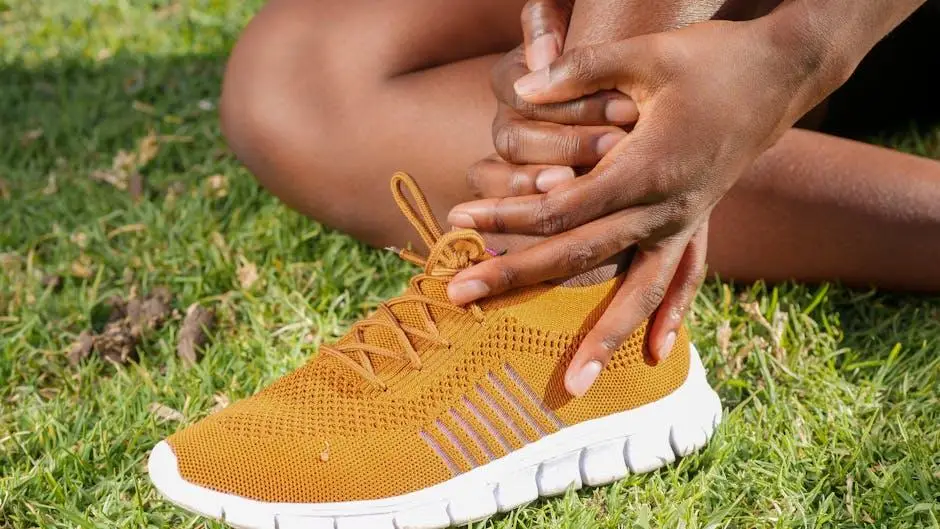




The same disciplined evaluation that informs other consequential training decisions translates to clinic selection. Multi-disciplinary clinics like Core Medical & Wellness in New Jersey show the depth athletes should look for. The practice covers non-surgical orthopaedics, spine and sports medicine, interventional pain management, and physical therapy under one roof. A modern sports injury clinic coordinates orthopaedic, physiatry, physical therapy, and interventional pain expertise rather than treating each as a separate referral chain. The decision rewards a few hours of structured preparation before booking the first visit.
Why Has Clinic Selection Become More Strategic for Athletes?
Three structural shifts have moved clinic selection into more strategic territory for athletes. The first is the non-surgical orthopaedics shift. Modern injection therapies, regenerative options, and targeted rehabilitation often resolve issues that previously required surgical intervention.
The second is the integrated-care expectation. Athletes increasingly expect orthopaedic, physical therapy, and interventional pain expertise to operate as a coordinated team rather than a sequence of disconnected referrals. The third is the return-to-sport data shift. Modern functional testing and outcome tracking now inform when an athlete can safely resume full training load.
The same long-horizon thinking visible in coverage of the best muscle recovery foods and drinks after a workout translates to the clinical-relationship decision. The right partnership extends across years rather than a single injury cycle.
What Should Athletes Verify Before Booking?
Six checks belong on every shortlist. The table below summarises what athletes should weigh before commitment.
| Criterion | What to Verify | What a Strong Answer Looks Like |
|---|---|---|
| Multi-disciplinary scope | Orthopaedics, PT, pain management | All three under one roof |
| Imaging access | On-site or coordinated | Same-week MRI or ultrasound available |
| Non-surgical focus | Conservative-first care | Injection and regenerative options offered |
| Athlete-population experience | Sports-specific caseload | References from comparable athletes |
| Return-to-sport protocol | Documented functional testing | Clear milestone framework |
| Insurance navigation | Network status confirmed | Pre-booking eligibility check completed |
A consultation that produces clear answers across these areas signals a clinic worth retaining. A consultation that deflects on any of them signals a clinic that may not match the athlete’s needs. The MedlinePlus sports injuries reference page outlines the foundational framework athletes should understand.
Which Athlete Categories Reward Specialist Counsel Most?
Three athlete categories reward clinic depth more than the others:

Photo by www.kaboompics.com on Pexels
Alt text: A patient working through resistance-band rehabilitation at a clinic
- Endurance athletes managing overuse patterns where biomechanics, training load, and recovery discipline interact across long training cycles
- Strength-training athletes managing shoulder, lower-back, and knee patterns where load progression and form correction shape long-run trajectory
- Returning athletes rebuilding after surgery or extended layoff where progressive loading sits alongside pain management
The CDC’s physical activity guidelines for adults outline the broader activity framework athletes reference. The self-care framing in how to help sore muscles after exercise helps athletes coordinate at-home routines with clinical care. Nutrition sits alongside clinical care, and the sports clinic conversation injured athletes face is where the right practice supports the full return-to-training plan. The first consultation typically runs 45 to 90 minutes including assessment, imaging review, and a written care plan with clear milestones.
What Common Errors Surface in Sports Clinic Selection?
Several patterns recur. The first is choosing on proximity alone. The closest practice often offers narrower scope than a slightly farther multi-disciplinary clinic.
The second is treating the first appointment as the final answer. A clinic that listens carefully, explains the realistic recovery timeline, and recommends a phased plan signals a clinician worth retaining.
The third is overlooking the rehabilitation pathway. A great diagnostic conversation followed by a thin physical therapy plan often produces middling outcomes for athletes.
The fourth is forgetting the return-to-sport milestone framework. A clear functional testing protocol typically beats a self-assessment for clearing the athlete to resume full load. The fifth is signing without confirming the insurance and out-of-pocket structure.
The sixth pattern is skipping the second opinion. Diagnostic nuance often surfaces at a second consultation. Athletes who treat the early-symptom phase as decision-making time tend to land better outcomes than athletes who default to whichever clinic was first recommended after the injury occurred.
What Is the Bottom Line for Active Athletes?
The clinic selection decision rewards athletes who plan rather than improvise. The window for thoughtful preparation typically runs from the early-symptom phase through to the consultation booking. The right clinic coordinates the diagnostic, the conservative care, the rehabilitation, and the return-to-sport pathway rather than treating each as a separate engagement.
Whether the athlete trains near a major US metro or a smaller US city, the criteria translate cleanly. Patients within driving distance of New Jersey can reach a coordinated multi-disciplinary team like the Core Medical and Wellness practice. The first consultation should answer specific questions about the suspected condition, the realistic timeline, and the rehabilitation pathway. Athletes who run real comparison processes early end up with cleaner long-run outcomes than athletes who default to whichever clinic was first recommended.
Pre-engagement preparation pays back across the entire recovery cycle. Annual check-ins or post-event reviews keep the plan aligned with training progression. The first conversation usually carries the insurance copay or a modest out-of-pocket charge rather than a substantial fee. Specialist multi-disciplinary practices typically charge a premium relative to single-specialty clinics. The premium typically returns through faster, more durable recovery outcomes.
Frequently Asked Questions
When Should an Athlete See a Sports Injury Clinic?
Book a consultation when pain persists beyond 7 to 10 days of conservative self-care. An acute injury that limits normal training also warrants a visit. Recurring overuse patterns across training cycles deserve clinical input. Most insurance plans treat sports medicine as a covered specialty.
What Does a First Consultation Typically Cost?
Most athletes pay an insurance copay rather than a full out-of-pocket fee. Self-pay rates typically run 200 to 400 dollars depending on clinic location and specialist credentials. Initial visits usually include 45 to 90 minutes with the clinician, basic in-room assessment, and a written care plan. Imaging adds separately if ordered.
How Long Does a Typical Recovery Plan Last?
Recovery timelines vary widely by condition. Acute overuse issues often resolve within 4 to 8 weeks of disciplined physical therapy. Post-surgical recoveries run 12 to 26 weeks depending on procedure. Returning athletes often work with the clinic across a 6 to 12 month window before formal discharge. Annual check-ins keep the relationship live for longer-run training questions.
How Do I Know If a Clinic Is Right for My Sport?
The first consultation should produce clear answers about the suspected condition, realistic recovery timeline, and rehabilitation pathway. A clinician who listens to the full training history, examines carefully, recommends conservative options before invasive ones, and explains realistic limitations signals a clinic worth retaining. Discomfort with the recommended approach is itself a useful data point.