May 18, 2026
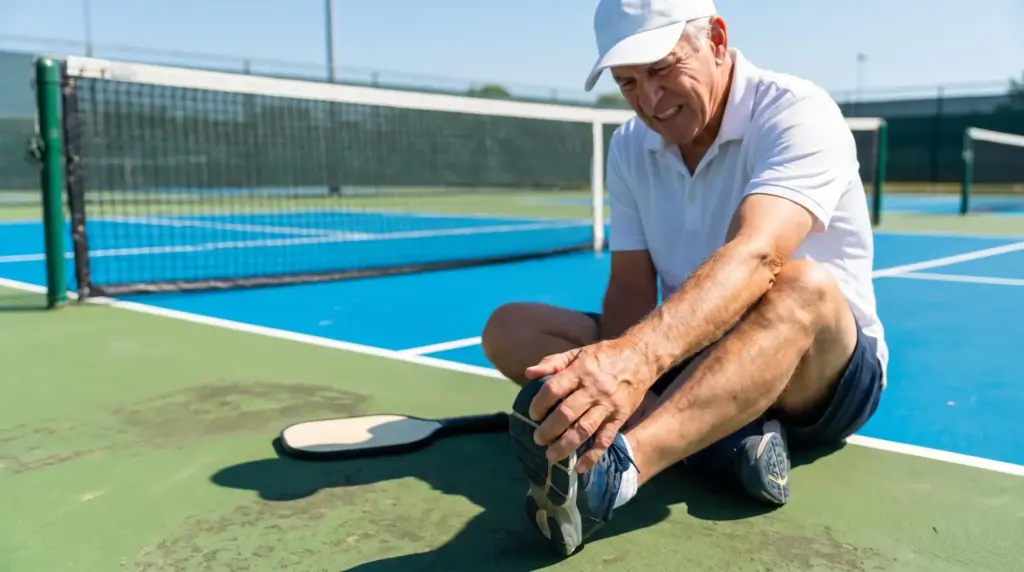
Pickleball may look easy on the body, but it puts repeated stress on the feet through quick stops, pivots, lunges, and side-to-side movement. Older players are especially likely to experience discomfort after playing. Age-related changes, old injuries, swelling, balance issues, and poor shoe fit can all make the feet more sensitive. Experiencing pickleball foot pain can be a sign that your footwear, playing load, or foot mechanics need attention. This article serves as a practical guide to the most common shoe fit mistakes older players make and how to avoid them. Why Pickleball Is Hard on Older Players’ Feet Pickleball involves short bursts of movement rather than steady forward motion. Players constantly navigate hard court surfaces through sudden stops, quick pivots, and continuous lateral movement. Lunges toward the kitchen line and fast push-offs place repeated pressure on the forefoot, heel, and arch. For older players, these physical demands compound. They typically face reduced natural cushioning under the feet and stiffer joints that absorb less impact. Previous ankle or foot injuries alter stability, while swelling during activity adds pressure inside the shoe. Additionally, lower balance confidence makes players grip the court harder. Older players also face longer recovery time after games, meaning shoe-induced fatigue compounds over a tournament weekend. Managing these factors requires a highly practical and sports-specific approach to court footwear rather than general aging advice. Mistake #1: Wearing Running Shoes Instead of Court Shoes Running shoes are usually designed for forward motion, prioritizing smooth heel-to-toe transitions. In contrast, pickleball requires strong lateral support. While running shoes may feel comfortable when you put them on, they are usually not ideal for court dynamics. The soft, thick cushioning that makes some running shoes comfortable can feel unstable during side movement. Pushing off this elevated profile significantly increases ankle-roll risk during directional […]
The same disciplined evaluation that informs other consequential training decisions translates to clinic selection. Multi-disciplinary clinics like Core Medical & Wellness in New Jersey show the depth athletes should look for. The practice covers non-surgical orthopaedics, spine and sports medicine, interventional pain management, and physical therapy under one roof. A modern sports injury clinic coordinates orthopaedic, physiatry, physical therapy, and interventional pain expertise rather than treating each as a separate referral chain. The decision rewards a few hours of structured preparation before booking the first visit. Why Has Clinic Selection Become More Strategic for Athletes? Three structural shifts have moved clinic selection into more strategic territory for athletes. The first is the non-surgical orthopaedics shift. Modern injection therapies, regenerative options, and targeted rehabilitation often resolve issues that previously required surgical intervention. The second is the integrated-care expectation. Athletes increasingly expect orthopaedic, physical therapy, and interventional pain expertise to operate as a coordinated team rather than a sequence of disconnected referrals. The third is the return-to-sport data shift. Modern functional testing and outcome tracking now inform when an athlete can safely resume full training load. The same long-horizon thinking visible in coverage of the best muscle recovery foods and drinks after a workout translates to the clinical-relationship decision. The right partnership extends across years rather than a single injury cycle. What Should Athletes Verify Before Booking? Six checks belong on every shortlist. The table below summarises what athletes should weigh before commitment. Criterion What to Verify What a Strong Answer Looks Like Multi-disciplinary scope Orthopaedics, PT, pain management All three under one roof Imaging access On-site or coordinated Same-week MRI or ultrasound available Non-surgical focus Conservative-first care Injection and regenerative options offered Athlete-population experience Sports-specific caseload References from comparable athletes Return-to-sport protocol Documented functional testing Clear milestone framework Insurance navigation Network […]
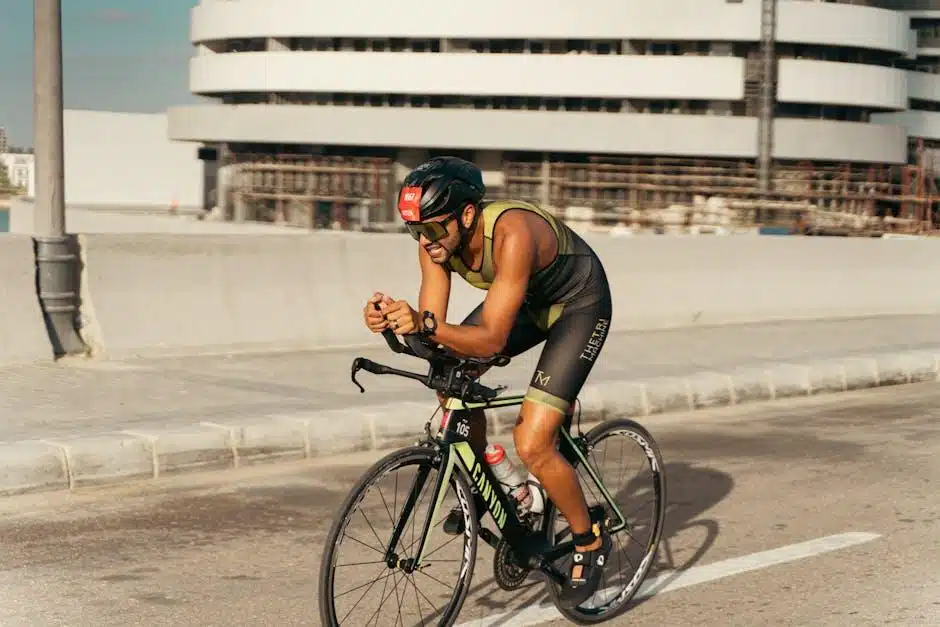
Modern triathlon has become a numbers game. The same analytics revolution that reshaped endurance running and competitive cycling now sits at the centre of how serious triathletes prepare for race day. A casual observer sees three disciplines; a prepared athlete sees three pacing equations that have to add up. Triathletes who want a clean way to translate baseline fitness into a defensible time plan often turn to free planning tools. The Swim Bike Run pacing calculator estimates segment splits, transitions, and overall finish time from current swim, bike, and run benchmarks. The tool helps the first-time triathlete avoid the classic mistake of cooking the bike leg and crawling through the run. What Makes Triathlon Timing Harder Than Single-Sport Racing? Single-discipline races simplify pacing into one curve. Triathlon multiplies the complexity by three, then adds two transitions and a fatigue carryover. The math gets non-trivial fast. The first complication is metabolic carryover. A hard swim leaves residual fatigue that influences bike output. A hard bike leaves the legs heavy for the run. Single-sport athletes rarely encounter this stacked fatigue pattern in training. The second complication is segment-specific economy. A runner’s optimal pace at race effort does not match a triathlete’s run-off-bike pace. The triathlon run typically sits 5 to 15 percent slower than a fresh-legs equivalent. Pacing tools that ignore this gap produce optimistic plans that fall apart at kilometre three. A third complication is transition variance. T1 and T2 can swing from 90 seconds to 5 minutes depending on the athlete’s organisation, the venue layout, and wetsuit-removal speed. Pacing plans that ignore transitions are working with the wrong total budget. Coverage of how to improve running speed reminds readers that single-discipline gains form just one input into the bigger triathlon picture. The other two disciplines and the transitions matter just […]