
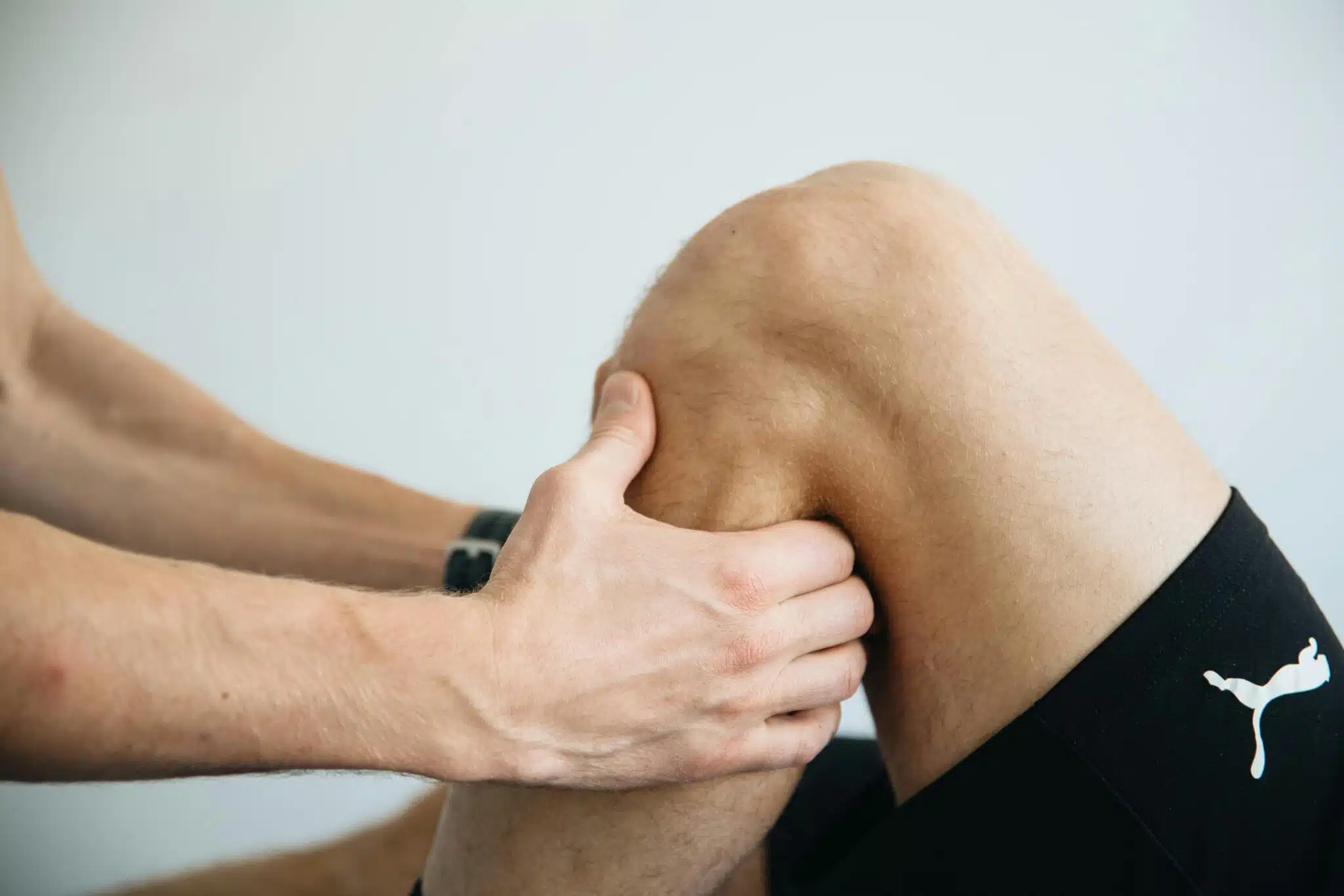



Recovering from a lower-body sports injury challenges both physical healing and daily functioning. The sudden loss of athletic ability paired with the need for proper support makes selecting appropriate equipment a critical step.
Whether dealing with a severe ankle fracture or a complicated surgical repair, your choice of mobility aid directly influences the protection of the injured area, the restoration of your gait, and the level of independence you can maintain while healing.
For active individuals requiring strong support without sacrificing convenience, portable wheelchairs deserve serious consideration during the most restrictive phases of recovery.
Before selecting any device, expert advice is essential. A foot and ankle surgeon can evaluate the injury’s extent, establish your weight-bearing status, and recommend a device tailored to the specific demands of your condition. Using a mobility aid without professional guidance risks causing stress on healing tissue, misalignment, or even a secondary injury.
Weight-Bearing Status Comes First
Determining your weight-bearing classification is the starting point for choosing the right mobility aid. This classification, assigned by your surgeon or orthopedic specialist, relies on imaging results, surgical findings, and the type of damaged tissue.
Non-weight-bearing (NWB) means no load on the injured limb, typically prescribed after complex fractures or ligament reconstruction.
Touch-down weight-bearing (TDWB) allows the foot to rest on the floor for balance but does not transfer body weight through the leg. Partial weight-bearing (PWB) permits a controlled percentage of body weight on the limb, often increased gradually as healing progresses. Weight-bearing as tolerated (WBAT) lets patients load the limb based on their comfort level.
Each status corresponds with a specific category of mobility device. For instance, using a cane during NWB can jeopardize a healing fracture or tendon repair. This classification directs safe recovery through clear clinical boundaries.
Crutches
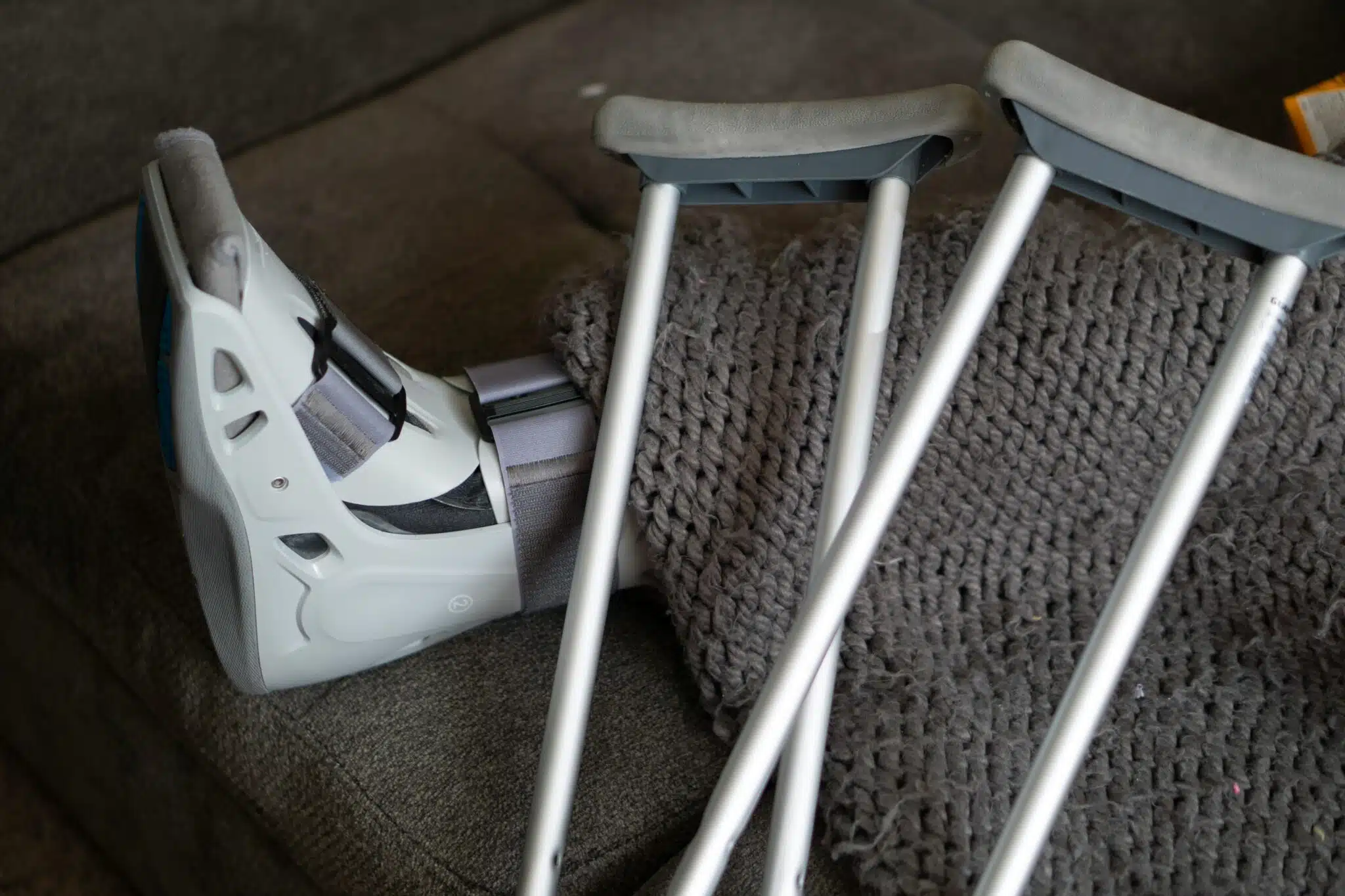
Crutches remain the most frequently prescribed device for NWB injuries. Their wide availability and low cost explain their continued popularity. Two primary types exist.
Underarm (axillary) crutches are the common choice in many clinical settings. They offer adjustability and straightforward use but carry a known risk: patients often place body weight on the underarm pad instead of supporting themselves through the hands. This pressure on the axilla can compress the radial nerve, causing numbness or weakness in the arm.
Forearm (Lofstrand) crutches use a cuff around the forearm to distribute load better and allow users to release their grip without dropping the crutch. These are preferred for longer recovery periods or for patients with previous upper body issues.
Fatigue is the main drawback of crutches. Managing long distances, carrying belongings, or tackling stairs can wear out patients quickly. For athletes used to high physical demands, this limitation might be psychologically challenging. Honestly, crutches can feel like a step backward.
Knee Scooters
For injuries limited to the foot or ankle, knee scooters often offer a more practical alternative to crutches. They support the injured leg on a padded platform, keeping it elevated off the floor, while the healthy leg propels the device.
The benefits include reduced upper body fatigue and improved stability compared to crutches. Many models come with baskets for carrying items. This makes knee scooters well-suited for desk jobs or home environments where maintaining some independence is important.
However, knee scooters have limitations. They cannot navigate stairs and perform poorly on uneven outdoor terrain. Also, they suit only below-the-knee injuries. Knee, thigh, or hip injuries requiring full leg unloading render knee scooters inappropriate.
Wheelchairs
Severe injuries involving the knee or higher, or patients lacking strength and balance for crutches or scooters, often require a wheelchair. This eliminates concerns about weight-bearing and provides a stable, controlled way to move throughout daily activities.
Manual wheelchairs depend on upper body strength for self-propulsion, which may be demanding for those managing pain or fatigue. Transport chairs are lightweight but need a caregiver to push.
Power wheelchairs remove the physical effort required for movement and prove useful in large environments or early return to work. Recently, compact travel-ready power models have become more accessible. They are a practical investment for patients with months of restricted mobility.
Canes
When your weight-bearing status advances to PWB or WBAT, a cane becomes the appropriate support device for transition. It offers enough stability to improve balance and reduce stress on the injured limb without limiting mobility as crutches do.
Single-point canes suit minor balance assistance needs. Quad canes provide more stability with a four-point base and can stand independently.
This helps patients using both hands intermittently. Proper technique is important: the cane should be held in the hand opposite the injured leg and move forward simultaneously with that leg, allowing for natural weight-sharing.
Often, a cane is the last device before resuming unassisted walking. It also helps correct compensatory gait patterns like limping or hip hiking, which may develop during earlier recovery phases and cause further issues. Canes can quietly boost confidence during the final steps of recovery.
Walking Boots and Braces
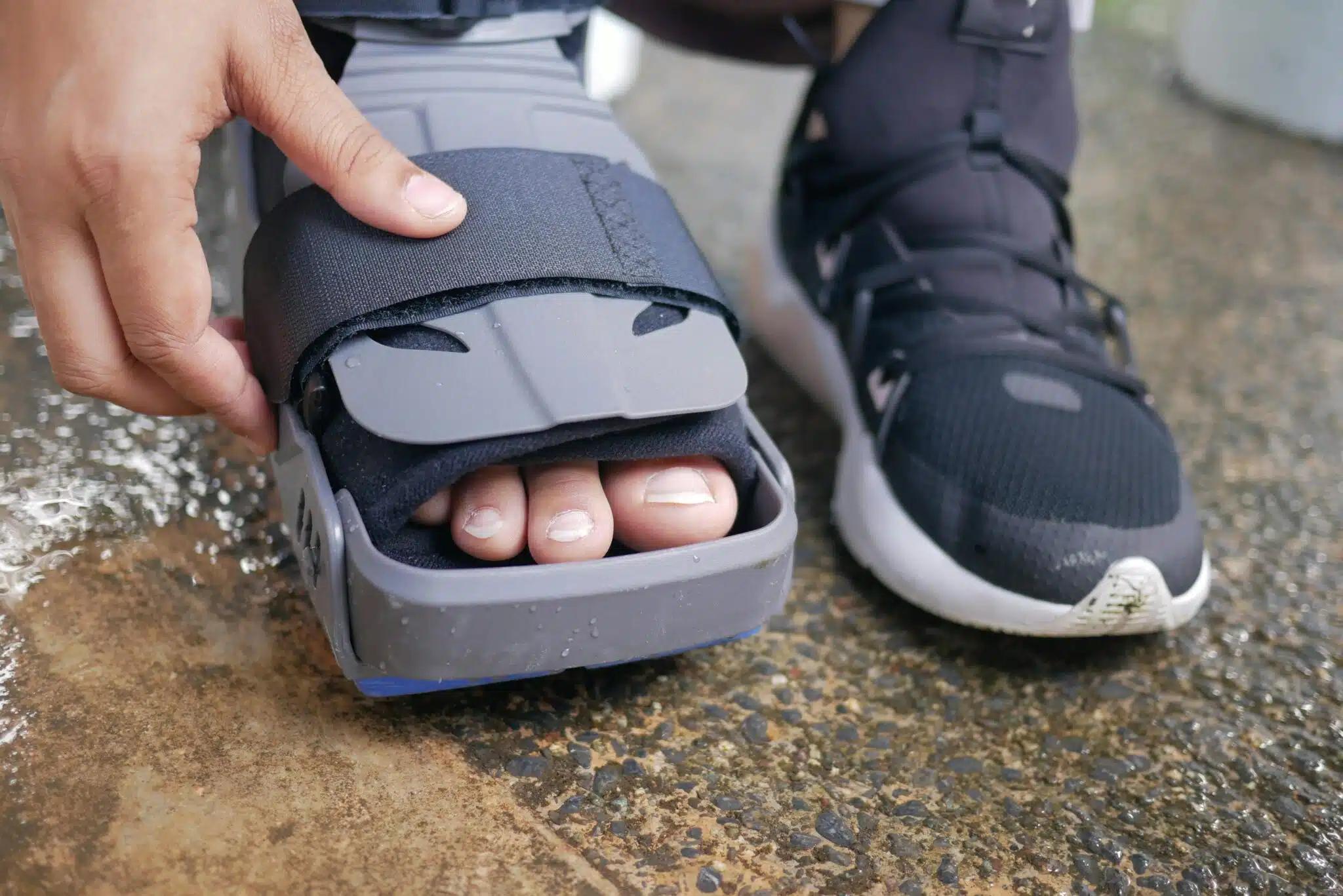
Walking boots, also known as controlled ankle motion (CAM) walkers, are typically prescribed alongside other mobility aids. Their rigid sole limits ankle and foot motion, reducing stress on healing fractures or repaired tendons. Early in recovery, walking boots are worn with crutches or knee scooters. As weight-bearing progresses, the boot itself becomes the primary method of protection.
Knee injuries require a different approach. Hinged knee braces provide medial-lateral stability while permitting controlled flexion and extension. This is particularly relevant after anterior cruciate ligament (ACL) reconstruction or meniscus repair. These braces protect repaired tissue from rotational or valgus forces during rehabilitation when healing is still ongoing.
Practical Factors That Shape the Decision
Practical considerations strongly influence the choice of mobility aid.
Physical condition: Crutches demand endurance in the shoulders, wrists, and grip. Limited strength in these areas warrants knee scooters or wheelchairs to reduce the risk of falls or secondary injury.
Home environment: Features such as stairs, narrow corridors, and uneven floors affect device suitability. Knee scooters are impractical in multi-story homes without elevators. Power wheelchairs require doorways wide enough to accommodate their size.
Recovery timeline: The expected duration of recovery influences the level of investment. Short-term needs may require simpler devices. Longer recoveries justify spending on comfort and independence, which improve daily quality of life.
These factors can make a big difference. Your living situation often decides what’s truly practical.
The Mental Side of Recovery
Sports injuries affect mental health as much as physical healing. Athletes unable to train, compete, or move freely may experience frustration, low mood, and loss of identity related to their sport. Such reactions are normal and should be recognized as part of the process.
Choosing a mobility aid that supports independence positively affects mental well-being. Being able to leave home, manage daily tasks, and stay socially connected helps reduce feelings of isolation during recovery. Beyond mobility aids, activities like reviewing technique, supporting teammates, or focusing on upper body conditioning with medical clearance help maintain a sense of purpose.
Recovery is temporary. However, decisions made during it can influence how fully and safely an athlete returns to activity.
Work with Your Medical Team
Selecting a mobility aid without expert advice is a common misstep. An orthopedic specialist assigns your weight-bearing status and recommends suitable devices. A physical therapist ensures your device fits properly and you use it correctly.
For example, crutches adjusted to the wrong height can cause shoulder impingement and poor posture. Holding a cane on the wrong side can increase load on the injured limb instead of reducing it. These errors may prolong recovery or lead to additional issues. A physical therapist also monitors gait transitions between devices, identifying and addressing compensatory patterns before they become habitual.
Those seeking further information on managing sports injuries and maintaining activity through recovery can explore resources at Sport Hiatus.
The mobility aid you select after a lower-body sports injury matters deeply. It impacts tissue healing, gait restoration, and your ability to carry on with daily life during a challenging period. Securing clinical advice, choosing a device that fits your condition, and using it properly offer the best chance to return to sport fully and without lasting complications.