
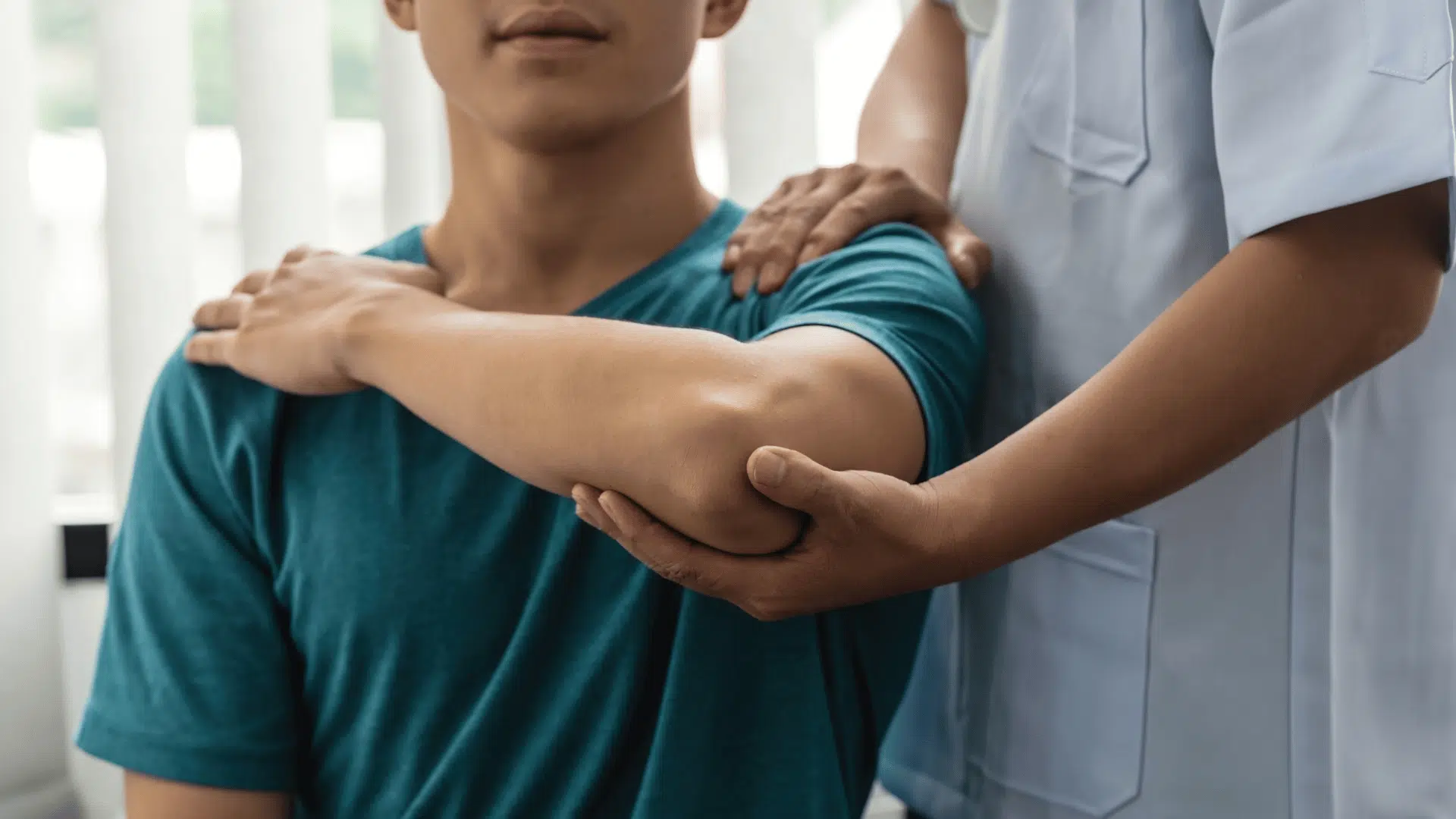




Hearing that you may need surgery on your throwing arm can feel stressful and confusing. I understand why many people want clear answers before starting the process.
You may be wondering how long recovery takes, when you can return to sports, or what daily life will look like after the procedure.
In this guide, I’ll explain Tommy John surgery recovery in simple and easy-to-follow steps.
You’ll learn why the surgery is done, what happens during each stage of healing, and how physical therapy helps rebuild strength.
I’ll also share recovery timelines, pain management, potential setbacks, and tips to help you heal safely.
Doesn’t matter if you’re an athlete, a parent, or someone looking for reliable information, this article will give you a better idea of what to expect before surgery and throughout the recovery process.
What Is Tommy John Surgery?
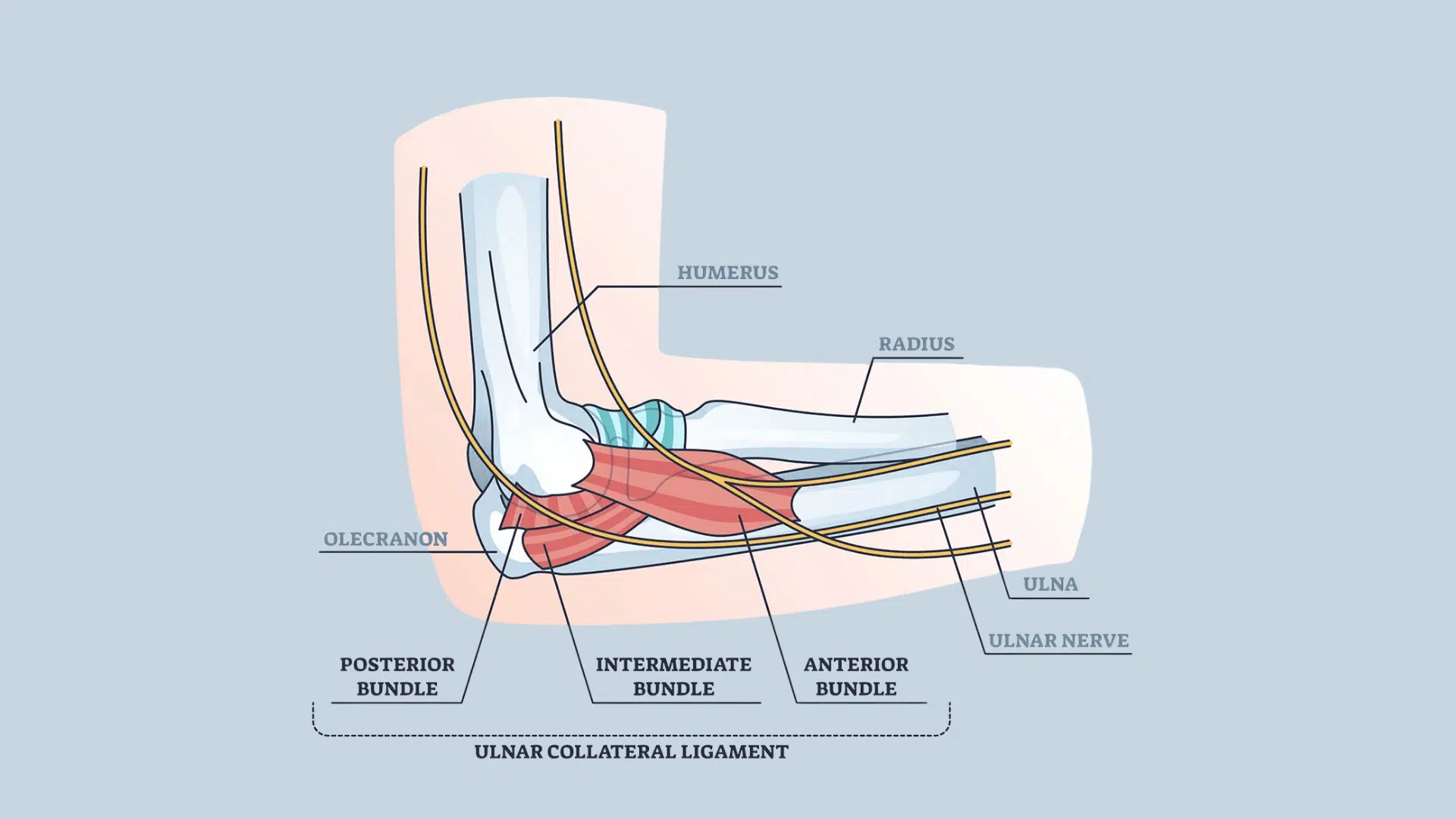
Tommy John surgery, also called ulnar collateral ligament (UCL) reconstruction, is a procedure used to repair a torn ligament in the elbow.
It is most common among baseball pitchers and athletes who perform repeated throwing motions.
During the surgery, doctors replace the damaged ligament with a tendon taken from another part of the patient’s body or from a donor.
The procedure was first performed in 1974 on baseball player Tommy John, after whom it is named. Most athletes regain strength, stability, and range of motion after surgery and can return to sports.
Tommy John surgery has become one of the most successful procedures in sports medicine.
Average Recovery Time After Tommy John Surgery
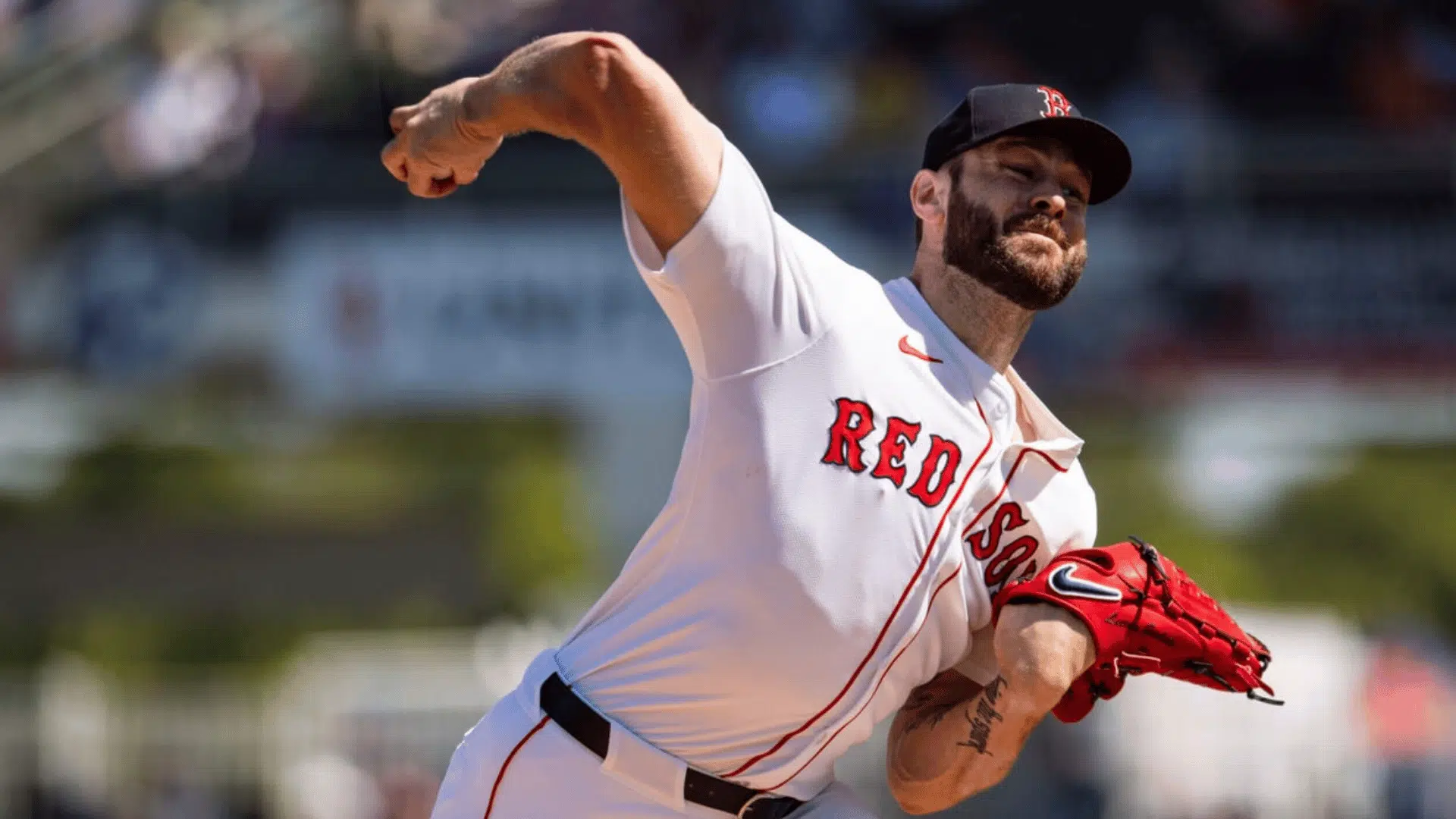
Tommy John recovery time usually takes around 12 to 18 months for most athletes. Baseball pitchers may need more time because throwing puts heavy pressure on the elbow ligament.
The first few weeks after surgery focus on rest, pain control, and gentle arm movement. After that, physical therapy becomes a big part of recovery.
Players work on improving strength, flexibility, and elbow stability in a step-by-step process.
Most athletes start light throwing drills after several months, but full-speed pitching takes much longer.
Recovery time can also change based on age, overall health, and how closely the rehab plan is followed. Some athletes return faster, while others need extra time to avoid re-injury.
Staying patient during rehab is important for a safe and successful return to sports.
Signs and Symptoms of a UCL Injury
A UCL injury can affect elbow strength, movement, and comfort, especially in athletes who perform repeated throwing or overhead actions.
- Pain on the inside of the elbow: Discomfort often occurs during throwing, lifting, or other rapid arm movements and may gradually worsen over time.
- A popping sensation during activity: Some people feel a sudden pop in the elbow when the ligament becomes stretched or completely torn.
- Weak throwing ability: Athletes may notice slower throws, weaker arm power, and trouble performing movements that once felt normal and comfortable.
- Loose or unstable elbow feeling: The elbow may feel shaky or unsupported during movement, especially when throwing, swinging, or lifting heavier objects.
- Numbness in the fingers: Tingling or numb feelings can spread into the ring and little fingers because nearby nerves become irritated easily.
- Difficulty fully moving the elbow: A damaged ligament may limit elbow flexibility, making bending or straightening the arm feel painful and stiff at times.
Non-Surgical Treatment: When Surgery Can Be Avoided?
Not every UCL injury requires reconstruction. Partial tears or injuries in non-throwing athletes are often managed successfully without surgery.
Treatment may include rest, physical therapy to strengthen nearby muscles, and PRP injections in some cases.
The decision comes down to the degree of ligament damage, the athlete’s competitive demands, and how the elbow responds over a six-to-twelve-week conservative trial.
For high-level pitchers with complete tears, surgery is usually the only path back to full competition.
For recreational athletes or players in non-throwing positions, conservative management is worth attempting first before committing to an eighteen-month surgical recovery.
How Is Tommy John Surgery Performed?
Tommy John surgery repairs a torn UCL in the elbow by replacing it with a healthy tendon to restore strength and stability.
1. Preparing for the Surgery
Before Tommy John surgery, doctors carefully evaluate the elbow to understand the extent of the ligament damage.
Patients usually undergo physical exams, MRI scans, and X-rays to confirm the injury and check surrounding tissues.
Doctors also review medical history, medications, and activity level before surgery. General anesthesia is prepared so the patient remains asleep during the procedure.
Proper preparation helps surgeons plan the reconstruction carefully and supports safer surgery and smoother recovery afterward.
2. Removing the Damaged Ligament
The surgeon begins by making a small incision along the inner side of the elbow to reach the torn UCL. Damaged ligament tissue is carefully removed while nearby muscles, tendons, and nerves are protected from injury.
In some cases, the ulnar nerve may be slightly repositioned to reduce postoperative irritation.
Cleaning out the damaged tissue creates space for the new tendon graft and helps prepare the elbow for proper ligament reconstruction and healing.
3. Creating Bone Tunnels
Small holes called bone tunnels are drilled into the upper arm bone and forearm bone near the elbow joint. These tunnels allow the surgeon to pass the tendon graft through the bones securely in a stable pattern.
Surgeons often use figure-eight or docking methods to recreate the natural position of the original ligament.
This step provides the reconstructed ligament with strong support and helps the elbow safely handle stress during future throwing and overhead arm movements.
4. Placing and Securing the Tendon Graft
A healthy tendon graft is threaded carefully through the drilled bone tunnels to form a new ligament inside the elbow.
Surgeons tighten and secure the graft using stitches, screws, or anchors, depending on the chosen surgical technique.
Over time, the graft becomes incorporated into the body and begins functioning like the original UCL.
Correct placement is important because it restores elbow stability, supports movement, and improves long-term strength after rehabilitation and recovery are completed.
5. Closing the Incision and Beginning Recovery
After securing the tendon graft, the surgeon closes the incision using stitches and places the arm in a brace or splint for protection.
Most patients return home on the same day because the procedure is commonly performed as outpatient surgery.
Recovery starts with rest and restricted movement before physical therapy begins gradually.
Rehabilitation focuses on improving elbow flexibility, strength, and arm control. Full recovery may take between nine and eighteen months, depending on activity level.
Types of Tendon Grafts Used in Tommy John Surgery
Different tendon grafts may be used in Tommy John surgery based on the patient’s needs and the condition of the injured ligament.
- Palmaris tendon: This tendon from the forearm is often used because it is strong and does not affect normal hand movement.
- Hamstring tendon: Surgeons may take a tendon from the hamstring when extra strength or a larger graft is needed for repair.
- Toe tendon: A tendon from the foot can sometimes be used to rebuild the damaged ligament and support elbow stability properly.
- Donor tendon: Some patients receive a donor tendon instead of using tissue from their own body during surgery.
- Plantaris tendon: This small leg tendon may be chosen when other tendon options are unavailable or not suitable for reconstruction.
Recovery Stages After Tommy John Surgery
Recovery from Tommy John surgery happens slowly in stages. Each stage focuses on healing, strength, and safe return to activity.
1. First 2 Weeks After Surgery
During the first two weeks, the elbow is protected in a brace or splint to help the new ligament heal safely.
Swelling, soreness, and stiffness are common during this early stage. Patients are usually told to rest, avoid lifting, and keep the arm elevated when possible.
Doctors may recommend pain medicine and light wrist or hand exercises to improve circulation.
Follow-up appointments help monitor healing progress and ensure the incision heals properly.
2. Weeks 3 to 6
Between weeks three and six, patients usually begin gentle physical therapy exercises to gradually improve elbow movement safely.
The brace may be gradually adjusted to allow greater flexibility as healing continues.
Therapists focus on stretching exercises to reduce stiffness without stressing the new ligament.
Patients still avoid throwing, lifting heavy objects, or intense arm activity. This stage is important for rebuilding safe movement while protecting the healing elbow joint.
3. Months 2 to 4
During months two through four, strengthening exercises become a bigger part of recovery.
Physical therapy focuses on improving strength in the elbow, shoulder, forearm, and upper body muscles.
Patients slowly regain better arm control and stability during movement. Daily activities become easier as pain and stiffness improve over time.
Doctors continue to monitor the elbow closely to ensure healing remains on track and the reconstructed ligament remains protected from unnecessary stress or reinjury.
4. Months 4 to 6
Most athletes begin light throwing programs between four and six months after surgery if healing is progressing well.
Throwing starts with short distances and low intensity to avoid stressing the elbow too quickly.
Therapists and doctors monitor pain, flexibility, and arm strength carefully during this stage. Exercises also focus on proper throwing mechanics and body movement.
Rushing this phase can increase injury risk, so gradual progress remains very important throughout recovery and rehabilitation.
5. Months 9 to 18
Full recovery often takes between nine and eighteen months, especially for baseball pitchers and throwing athletes.
By this stage, many patients regain strong elbow movement, better flexibility, and improved arm strength.
Athletes may slowly return to competitive sports after successfully completing rehabilitation. Doctors continue checking elbow stability and performance during follow-up visits.
Following recovery plans carefully helps reduce the risk of reinjury and improves long-term success after Tommy John surgery.
What Does the UCL Do in The Elbow?
The UCL plays an important role in keeping the elbow strong, stable, and protected during both sports and everyday arm movements.
- Keeps the elbow stable during throwing: The UCL helps stabilize the elbow joint as the arm moves quickly during pitching, serving, or other forceful actions.
- Protects the elbow from too much pressure: This ligament reduces stress on the inner elbow and helps prevent injuries caused by repeated arm movements over time.
- Supports smooth and controlled arm movement: The UCL works with muscles and bones to help the elbow bend, move, and rotate safely during daily activities.
Why Do People Need Tommy John Surgery?
People usually need Tommy John surgery when the UCL becomes badly damaged and no longer supports normal elbow movement or throwing strength.
| Cause of Surgery | Explanation |
| Repeated Throwing Stress | Frequent overhead throwing can slowly weaken the UCL and eventually tear it. |
| Sudden Elbow Injury | A sudden forceful movement or an accident may cause the ligament to tear. |
| Ongoing Elbow Pain | Constant inner elbow pain can make sports and daily activities difficult. |
| Loss of Throwing Strength | Athletes may notice weaker throws and reduced arm performance after a UCL injury. |
| Elbow Instability | A torn UCL can make the elbow feel loose, unstable, or unsafe during movement. |
| Failed Non-Surgical Treatment | Surgery may be needed when rest, therapy, and medication no longer improve symptoms. |
Tommy John Surgery in Youth and Adolescent Athletes
UCL injuries in young athletes are becoming more common, and the trend concerns me as a clinician.
The American Sports Medicine Institute has tracked a significant increase in Tommy John procedures performed on pitchers under 18 over the past two decades.
Young arms are still developing, and surgery on an adolescent elbow carries risks that do not apply to skeletally mature adults, including potential disruption to growth plates.
Year-round single-sport specialization and excessive pitch counts are the primary drivers.
Guidelines from organizations like USA Baseball recommend strict pitch count limits and mandatory rest periods by age group.
For young athletes and their families, surgery should be a last resort, not a default response to elbow pain.
Common Sports Linked to Tommy John Surgery
Tommy John surgery is most commonly linked to sports that involve repeated overhead arm movements and high elbow stress.
Baseball is the leading sport associated with the procedure, especially among pitchers who throw fast and often.
Other baseball players, such as catchers and infielders, can also suffer UCL injuries. In softball, pitchers may develop elbow strain from repetitive throwing motions.
Sports like tennis, javelin throwing, football, volleyball, and gymnastics are also associated with Tommy John surgery because they put pressure on the elbow joint.
Wrestlers and golfers can experience similar ligament stress as well.
Athletes in these sports may need surgery if the UCL is torn or severely damaged due to overuse or a sudden injury.
Risks and Possible Complications
Tommy John surgery is usually successful, but like any surgery, it can involve certain risks and possible complications during recovery.
| Possible Risk | Description |
| Infection | Bacteria may enter the surgical area and cause swelling, pain, or fever after surgery. |
| Nerve Irritation | Nearby nerves can become irritated, causing numbness or tingling in the fingers or hand. |
| Elbow Stiffness | Some patients may have trouble fully bending or straightening the elbow during recovery. |
| Pain After Surgery | Mild to moderate pain can persist for weeks as the elbow heals and gradually strengthens. |
| Graft Failure | The new tendon graft may not heal properly or could weaken under heavy stress. |
| Reinjury | Returning to sports too early can put stress on the repaired ligament and lead to another tear. |
| Blood Clots | Rarely, blood clots may form after surgery due to reduced movement during recovery. |
| Scar Tissue Build-Up | Extra scar tissue around the elbow may limit movement and create discomfort over time. |
Questions to Ask Your Surgeon Before Tommy John Surgery
Most patients arrive at their pre-surgical consultation without a list of questions and leave with less information than they need.
After years of working on the rehabilitation side of these cases, I have found that the patients who prepare specific questions get clearer recovery expectations and experience less anxiety during the process.
Before your surgery date, consider asking your surgeon the following.
- Which graft type do you recommend for my anatomy and activity level, and why?
- Will the ulnar nerve need to be repositioned, and what does that mean for my recovery timeline?
- What objective criteria will you use to clear me for return to throwing?
- How many Tommy John procedures have you performed, and what is your re-tear rate?
- What is your protocol if my recovery stalls or I experience complications?
Ways to Prevent UCL Injuries
Preventing UCL injuries can help keep the elbow strong and reduce the risk of serious damage during sports and throwing activities.
- Warm up before playing sports: Stretching and warming up the arm muscles before activity helps prepare the elbow for repeated throwing and movement safely.
- Build strength in the arm and shoulder: Strong muscles around the shoulder and forearm help support the elbow and reduce pressure on the ligament.
- Avoid throwing too much: Taking regular breaks gives the elbow time to recover and reduces stress from repeated throwing motions.
- Practice proper throwing form: Using the correct throwing technique helps reduce strain on the elbow and protects the ligament from unnecessary stress.
- Pay attention to elbow pain early: Stopping activity when pain begins can prevent minor ligament injuries from progressing to serious elbow injuries later.
The Mental Side of Tommy John Recovery
Physical healing often gets the most attention after Tommy John surgery, but mental recovery can be just as challenging.
Research in the Orthopedic Journal of Sports Medicine found that fear of reinjury and loss of motivation account for nearly 40% of cases in which athletes do not return to their previous level after UCL reconstruction.
Recovery periods that last longer than a year can also lead to stress, frustration, anxiety, and loss of confidence, especially for athletes whose identity is strongly connected to competition.
Many athletes work with sports psychologists or mental performance coaches during rehabilitation to help manage these challenges.
Techniques like visualization, confidence training, and goal setting are commonly used throughout recovery.
Athletes who focus on both mental and physical rehabilitation often return to sports with stronger confidence and a lower risk of re-injury.
Conclusion
Tommy John surgery can feel overwhelming, especially for athletes and active people who depend on strong arm movement every day.
Still, many patients recover successfully with proper treatment, patience, and a well-planned rehabilitation program.
Learning about the surgery, recovery timeline, risks, and prevention methods can help you feel better prepared and more confident if you or someone you know experiences a UCL injury.
Doesnt matter if you’re an athlete, parent, coach, or sports fan; understanding this procedure gives you a better view of how important elbow health really is.
Have you had Tommy John surgery or a UCL injury? Share your recovery story or advice in the comments.
Frequently Asked Questions
Can Athletes Return to Sports After Tommy John Surgery?
Yes, many athletes return to sports after recovery, especially baseball players. Full recovery usually takes 9 to 18 months with rehabilitation.
Can Non-Athletes Need Tommy John Surgery?
Yes, non-athletes may need Tommy John surgery if they suffer severe UCL damage from work injuries, accidents, or repeated elbow stress.
Do Pitchers Throw Harder After Tommy John Surgery?
Some pitchers may appear to throw harder after recovery from surgery due to rehabilitation and training, but surgery itself does not increase pitching speed.
How Painful Is Tommy John Surgery Recovery?
Recovery can involve soreness, stiffness, and moderate pain early on, but medication, rest, and physical therapy usually help manage discomfort effectively.