
May 27, 2026
Dizziness During Training: It’s Common, But Not Always Benign Athletes often experience dizziness during training at some point, but it’s not necessarily benign. Dizziness can feel like lightheadedness, wooziness, spinning, or unsteadiness, and it may be related to hydration, blood pressure, blood sugar, vestibular issues, vision, medication effects, or other causes. Dehydration, under-fueling, overheating, and overtraining are common examples, although some athletes are dizzy even after adjusting everything perfectly. An underappreciated factor is your eyes — vision problems can affect balance, spatial awareness, coordination, and athletic performance. This perspective allows for comprehensive troubleshooting of continued symptoms, with safety in mind. Why Dizziness Matters in Performance Athletes often push through dizziness because they assume it is an inevitable part of hard training. While occasional lightheadedness can happen during intense exertion, repeated episodes should under no circumstances be ignored. Regular dizziness directly compromises five key areas of athletic performance: Your safety during drills or competition Physical balance and coordination Mental focus and reaction time Confidence during execution Ongoing training recovery When your spatial awareness is disrupted, your body cannot process timing efficiently, which severely limits ability and leads to significantly slower reaction times and higher injury risks. Dizziness deserves immediate attention if it happens frequently, appears during moderate efforts, or presents alongside headaches, neck pain, vision discomfort, nausea, or significant imbalance. Severe drops in coordination or sudden imbalance in older athletes act as medical red flags requiring emergency evaluation instead of continued physical training. Common Training-Related Causes of Dizziness Before assuming a more complex issue, review the foundational elements of your routine. These familiar variables are the most frequent culprits for mid-workout lightheadedness. Dehydration and Electrolyte Loss Heavy sweating can contribute to fluid and electrolyte loss, which may lower blood volume and blood pressure and contribute to lightheadedness. This pressure drop prevents […]

Most people think that more exercise always means better results. I used to think the same. But the body does not work that way. Rest is part of progress. Your muscles do not get stronger during a workout. The real change happens after, while your body repairs and rebuilds. Skip recovery too often, and progress can slow down. In my clinic, I often see athletes train through fatigue, only to develop recurring soft-tissue injuries. Recovery gives your body time to repair tissue, restore energy, and adapt to training. Without enough rest, you keep adding stress to a body that has not fully healed. In this article, I will explain why recovery matters and how better rest habits can support your training. Why Is a Recovery Period Between Bouts of Exercise Important? Recovery periods are essential because the body grows stronger after exercise, not during it. Without enough rest, the body cannot fully repair muscles or restore energy levels. Every workout places stress on the muscles, joints, and nervous system. During recovery, the body responds to this stress by repairing damaged muscle fibers, replenishing energy stores, and restoring balance to hormones and the nervous system. This process is what helps improve strength, endurance, and overall performance over time. When exercise sessions are repeated without proper recovery, the body does not get enough time to heal and adapt. Instead of improving results, excessive training can lead to fatigue, reduced performance, muscle soreness, and a greater risk of injury or burnout. Recovery is not simply time away from training; it is a critical part of the fitness process that allows the hard work done during exercise to produce real progress. What Happens to Your Body During Exercise? Exercise puts stress on the body, making muscles, joints, and the heart work harder than usual. […]

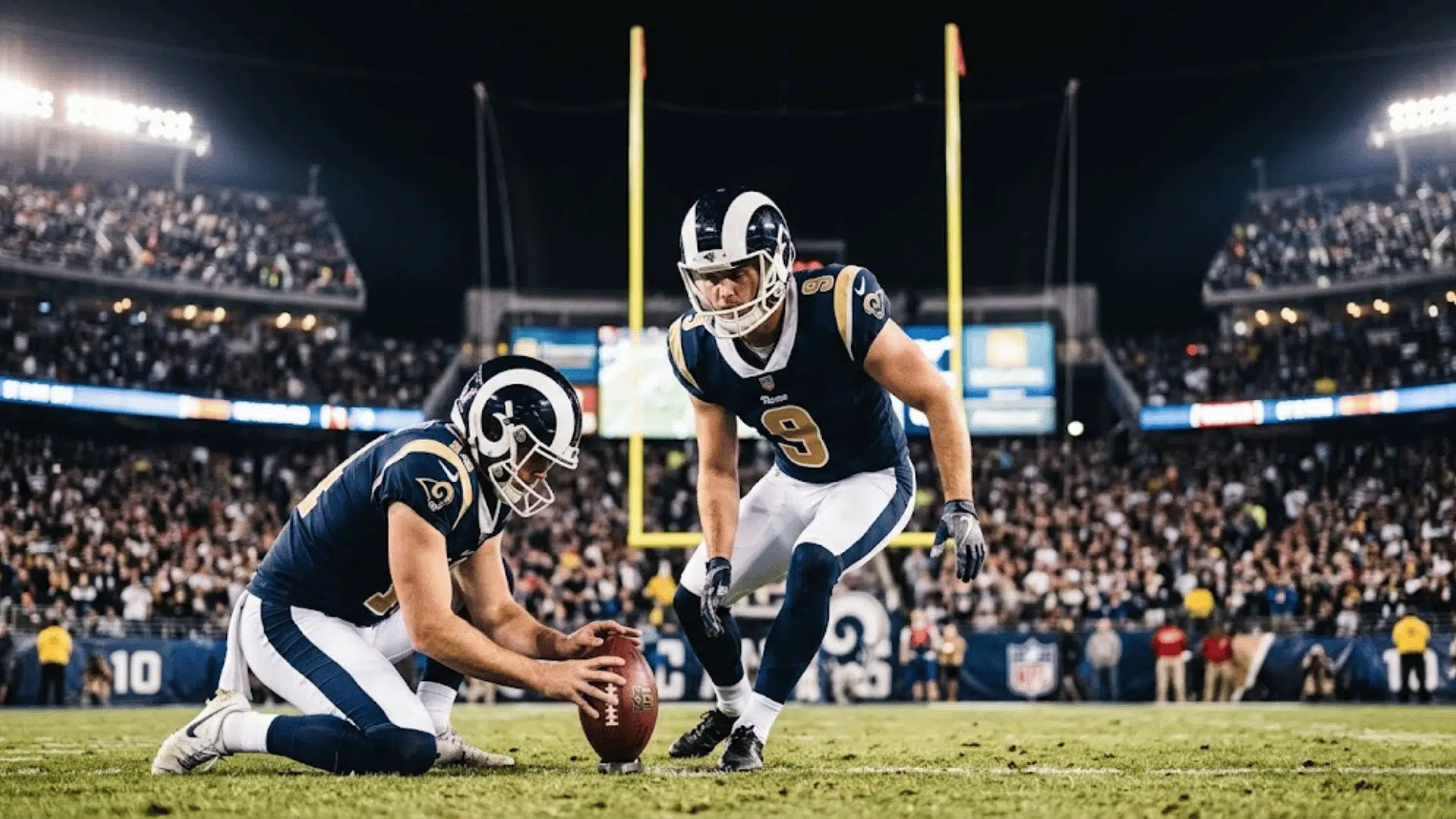
I remember hearing commentators say “PAT” after touchdowns and wondering what they meant. At first, I thought it was just another football term that longtime fans already understood. After watching more games, I realized the PAT is actually a very important part of scoring in football. In this guide, I’ll explain what PAT stands for, how teams score it after touchdowns, and why coaches still rely on it during close games. You’ll also learn the difference between a PAT kick and a two point conversion, plus key NFL rule changes over the years. By the end, football scoring and PAT attempts should feel much simpler to follow during games, even for newer fans watching football for the first time. What Does PAT Mean in Football? In football, PAT stands for Point After Touchdown. It is the extra scoring chance a team gets right after scoring a touchdown. The team can choose between two options. They can kick the ball through the goalposts for 1 extra point, which is called an extra point kick. They can also try a two point conversion by running or passing the ball into the end zone again. A PAT may look simple, but it can change the final score of a game. Many close NFL games are decided by missed or successful PAT attempts. Over the years, the NFL also changed some PAT rules to make extra point kicks harder and more exciting for fans watching the game. What Happens During a PAT Attempt? A PAT attempt happens right after a touchdown before regular play starts again. Teams try to add extra points by kicking the ball or attempting a two-point conversion 1. Special Teams Enter the Field The special teams unit runs onto the field right after the touchdown. Players quickly get into position […]
Running a baseball team can get expensive fast. Between uniforms, travel costs, tournament fees, equipment, and field expenses, the bills add up quickly. Coaches, parents, and team organizers want easy ways to raise money without added stress. In this article, you will find fundraising activities for youth teams, school teams, and travel baseball programs. Some ideas are low-cost, while others can yield higher profits with community support. I will also share tips to help you choose the right fundraiser, avoid common mistakes, and promote your events better. By the end, you should have several ideas ready to help your team raise money and stay focused on the season ahead. How to Choose the Right Baseball Fundraiser? Choosing the right baseball fundraiser depends on your team’s goals, available help, budget, and local community support during the season. Think About Team Size and Volunteers: Larger teams with more volunteers can organize bigger events, while smaller teams usually benefit from simpler fundraising activities. Plan Around Your Budget: Some fundraisers need supplies, equipment, or rental spaces, so teams should carefully choose activities that match their available budget. Choose Simple and Fun Ideas: Easy, engaging fundraisers usually attract more supporters because people enjoy activities that require less time and effort overall. Focus on Family-Friendly Activities: Family-friendly fundraisers help parents, children, and local supporters feel comfortable participating together during community fundraising events successfully. Consider Local Community Interest: Fundraisers connected to local sports fans and community traditions often receive stronger support, participation, and donations from residents. Use Seasonal Fundraising Opportunities: Summer camps, holiday sales, and tournament events often attract larger crowds, boosting fundraising results for baseball teams. Innovative Baseball Fundraising Ideas for Teams Creative fundraising ideas can help baseball teams raise money, build stronger community support, and keep players excited throughout the season. 1. Host a Baseball-Themed […]


Hearing that you may need surgery on your throwing arm can feel stressful and confusing. I
Choosing the right baseball equipment helps you play safely and with confidence. Bats, gloves, helmets, and