





Most people think that more exercise always means better results. I used to think the same. But the body does not work that way. Rest is part of progress.
Your muscles do not get stronger during a workout. The real change happens after, while your body repairs and rebuilds.
Skip recovery too often, and progress can slow down. In my clinic, I often see athletes train through fatigue, only to develop recurring soft-tissue injuries.
Recovery gives your body time to repair tissue, restore energy, and adapt to training. Without enough rest, you keep adding stress to a body that has not fully healed.
In this article, I will explain why recovery matters and how better rest habits can support your training.
Why Is a Recovery Period Between Bouts of Exercise Important?
Recovery periods are essential because the body grows stronger after exercise, not during it. Without enough rest, the body cannot fully repair muscles or restore energy levels.
Every workout places stress on the muscles, joints, and nervous system.
During recovery, the body responds to this stress by repairing damaged muscle fibers, replenishing energy stores, and restoring balance to hormones and the nervous system.
This process is what helps improve strength, endurance, and overall performance over time.
When exercise sessions are repeated without proper recovery, the body does not get enough time to heal and adapt.
Instead of improving results, excessive training can lead to fatigue, reduced performance, muscle soreness, and a greater risk of injury or burnout.
Recovery is not simply time away from training; it is a critical part of the fitness process that allows the hard work done during exercise to produce real progress.
What Happens to Your Body During Exercise?
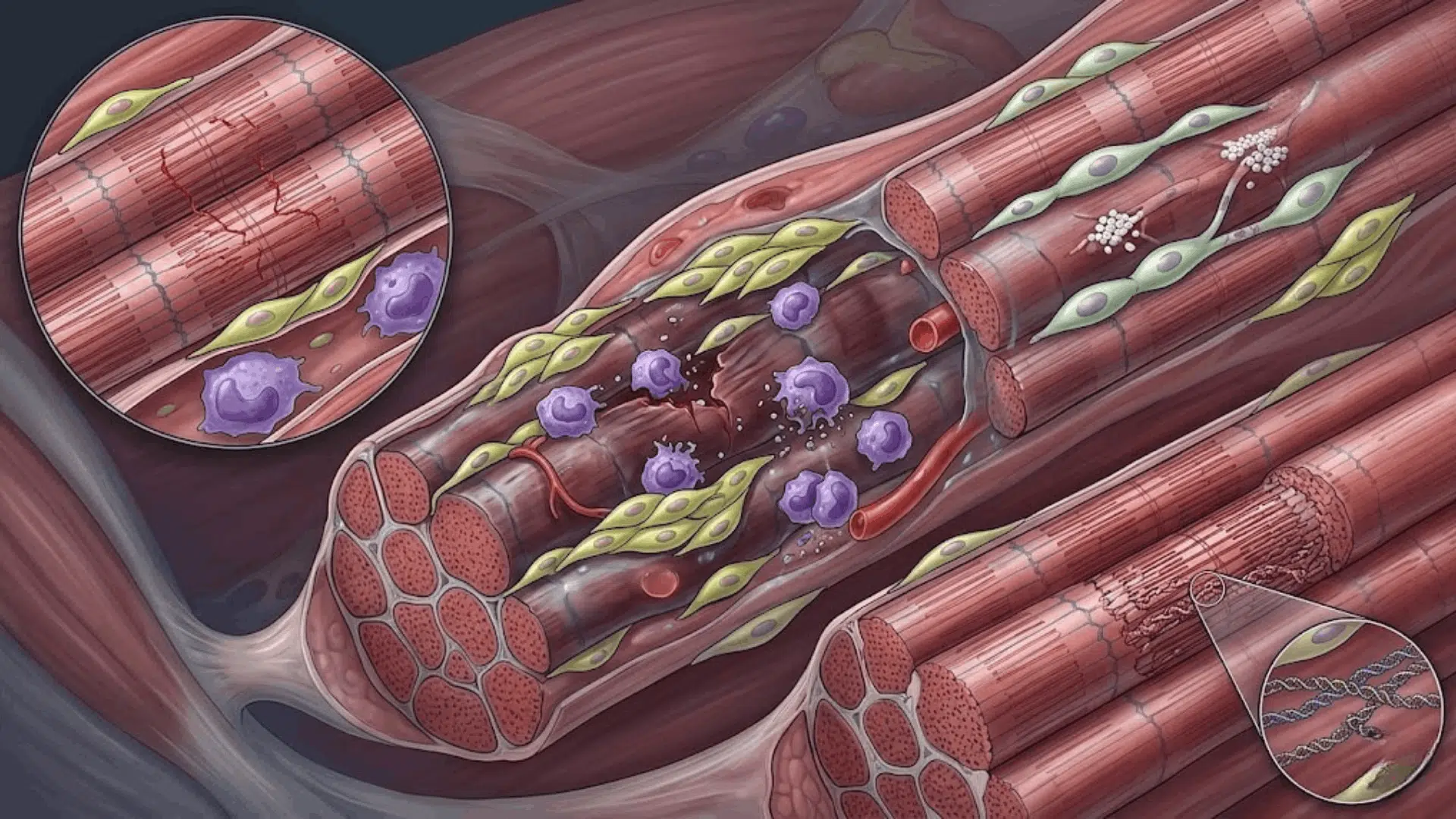
Exercise puts stress on the body, making muscles, joints, and the heart work harder than usual. This process uses energy, breaks down muscle fibers, and triggers adaptations that improve strength and endurance over time.
Muscles Break Down Before They Build Up
During any moderate to intense workout, small tears form in your muscle fibers. This is completely normal.
The soreness felt a day or two later, known as DOMS (delayed-onset muscle soreness), is a direct result of this process.
These micro-tears are not something to avoid. They are what signal the body to repair and grow stronger.
A review in the Journal of Functional Morphology and Kinesiology confirmed that muscle damage is a primary driver of hypertrophy when followed by adequate recovery.
Without enough rest, that repair remains incomplete, and the results remain limited.
Energy Stores Get Depleted Fast
Muscles run on glycogen, which is stored sugar the body uses as fuel during exercise.
The harder the session, the faster those stores drop. Once glycogen runs low, performance drops, form breaks down, and the risk of injury goes up.
Refilling those stores takes time, usually 24 to 48 hours, depending on training intensity.
Eating carbohydrates after a workout helps, but the body still needs adequate rest to fully absorb and store that fuel back into the muscles.
How Much Rest Do You Actually Need?
The amount of rest your body needs depends on how intense your workout was and how well you recover. Proper sleep, nutrition, hydration, and workout intensity all play a major role in determining recovery time.
Light cardio exercises such as walking, jogging, or easy cycling usually require about 24 hours of recovery because they place less stress on the muscles and joints.
Moderate strength training workouts often need around 48 hours so muscles can repair and regain strength effectively.
For more demanding sessions, such as heavy lifting or high-intensity interval training (HIIT), the body may need 48 to 72 hours of recovery due to greater muscle fatigue and breakdown.
Extremely intense activities such as full-body races, endurance competitions, or sports tournaments can require 72 to 96 hours or even longer for complete recovery.
Giving your body enough time to rest is essential for improving performance, building muscle, reducing soreness, and preventing injuries or overtraining.
Key Reasons Why Recovery Affects Your Results
Most people focus on the workout itself. But what happens after training is just as important for seeing real results.
1. Muscle Protein Synthesis Takes 24 to 72 Hours
After a workout, the body starts a repair process called muscle protein synthesis (MPS).
Satellite cells move to damaged muscle fibers, fuse with them, and rebuild them into thicker, stronger fibers.
This process takes 24 to 72 hours, depending on how hard you trained. Going back to hard training before MPS finishes cuts it short.
Research in the American Journal of Physiology found MPS peaks between 24 and 48 hours post-exercise, which is why back-to-back sessions on the same muscle group consistently underdeliver.
2. Your Nervous System Fatigues Too
Heavy lifting, sprinting, and high-intensity training do not just tax your muscles.
They put a serious load on the central nervous system as well. When the CNS is fatigued, reaction time slows, strength output drops, and coordination suffers.
I regularly see this in patients returning from competition. They come in feeling flat rather than sore; that is a neurological signal, not a motivational one.
CNS recovery can take 48 to 72 hours after a demanding session, sometimes longer depending on volume and sleep quality.
3. Hormones Need Time to Rebalance
Exercise raises cortisol, the body’s main stress hormone. A short-term spike is normal and even useful. But when training is too frequent without sufficient rest, cortisol stays elevated.
This suppresses testosterone and growth hormone, both of which are critical for muscle repair and fat metabolism.
Giving the body proper recovery time brings cortisol back down and allows the anabolic hormones to do their job effectively.
4. EPOC: Recovery Continues After Exercise Ends
After exercise ends, the body continues working through a process called excess post-exercise oxygen consumption (EPOC).
During this recovery phase, muscles use additional oxygen to restore energy stores, repair damaged tissue, and remove metabolic waste produced during training.
Heart rate, breathing, and calorie burn may also remain elevated as the body returns to its normal state.
If another intense workout begins before this process is complete, recovery and performance can both suffer. Proper rest allows the body to fully recover and adapt to training stress more effectively.
5. Heart Rate Variability Reflects Recovery Status
Heart rate variability (HRV) is the variation in time between consecutive heartbeats, and it is one of the most reliable indicators of nervous system recovery available to everyday athletes.
A high HRV reading generally signals that the body is well-recovered and ready for demanding training.
A low or declining HRV trend over several days is a practical warning to reduce intensity before training load compounds into overtraining.
Wearables like WHOOP, Garmin, and Oura now make HRV tracking accessible. I recommend that athletes who train five or more days per week monitor HRV trends rather than relying only on perceived effort.
The data often catches under-recovery before the body makes it obvious.
Signs Your Body Is Not Getting Enough Rest
Training without adequate rest does not just slow progress. It actively works against it. Here is what consistently skipping recovery does to the body over time.
- Persistent Fatigue That Sleep Does Not Fix: This goes beyond feeling tired after a hard session. The body never fully resets, and tiredness carries over from one day to the next.
- Suppressed Immune System, More Frequent Illness: High cortisol from overtraining weakens immune function. People who skip rest tend to get sick more often and take longer to bounce back.
- Declining Performance in Familiar Workouts: Weights that once felt manageable now feel heavy. Runs that were comfortable become a grind. This is the body signaling it has not had enough time to rebuild.
- Mood Shifts, Low Motivation, Irritability: When the nervous system stays under prolonged stress, mood takes a hit. Low motivation and short temper are common early warning signs.
- Chronic Joint or Muscle Pain: Tendons and ligaments repair more slowly than muscle. Repeated stress without rest leads to overuse injuries like tendinitis and persistent joint aches that linger.
Types of Recovery and When Each One Works
Not all recovery looks the same. The right type depends on how hard you trained and what your body needs most at that point.
| Recovery Type | What It Involves | How It Helps the Body | Best Used After | Example Activities |
|---|---|---|---|---|
| Passive Rest | Complete rest with little to no physical activity | Gives muscles and the nervous system time to fully recover while reducing fatigue and soreness | Very intense workouts, heavy lifting, or competition days | Rest days, naps, relaxation |
| Active Recovery | Low-intensity movement that keeps the body lightly active | Improves blood flow, reduces stiffness, and speeds up muscle recovery | Moderate training sessions or the day after hard workouts | Walking, yoga, light cycling, swimming |
| Sleep-Based Recovery | Consistent, high-quality sleep each night | Supports muscle repair, hormone balance, and energy restoration | Every night after exercise or physical activity | 7–9 hours of uninterrupted sleep |
| Nutrition-Based Recovery | Eating protein, carbohydrates, and staying hydrated after workouts | Rebuilds muscle tissue and replenishes energy stores | Within 30–60 minutes after exercise | Protein shakes, balanced meals, electrolyte drinks |
| Foam Rolling & Mobility Work | Stretching and self-myofascial release techniques | Reduces muscle tightness, improves flexibility, and prevents soreness | Any type of workout, especially strength or endurance training | Foam rolling, mobility drills, stretching routines |
How Recovery Prevents Overtraining Syndrome?
Overtraining syndrome (OTS) is not just a failure of training philosophy. It is a recognized physiological condition.
Unlike normal post-training fatigue, OTS involves prolonged hormonal dysregulation, immune suppression, and an imbalance of the autonomic nervous system that can take weeks to months to reverse.
Training harder through it does not help. It makes the condition worse.
A study published in the European Journal of Sport Science identified persistent performance decline, mood disturbances, and neuroendocrine dysfunction as core markers of OTS.
In my clinical experience, athletes who reach OTS often present thinking they just need more willpower.
What they actually need is a structured recovery protocol, sometimes involving two to four full rest weeks before any return to training.
Factors that Affect Recovery Time
These are general starting points. Pay attention to how your body feels from session to session. That feedback is still one of the most reliable guides you have.
- Training Intensity and Volume: The harder and longer you train, the more time the body needs to repair. A light jog needs far less recovery than a heavy squat session or back-to-back HIIT days.
- Age and Fitness Level: Older individuals generally recover more slowly due to hormonal shifts. Beginners also need more rest than trained athletes since their bodies are still adapting to the stress of exercise.
- Sleep Quality: Poor sleep slows every part of the recovery process. Even one or two nights of poor sleep can delay when your muscles feel ready again.
- Post-Workout Nutrition: Eating the right foods after training directly affects repair speed. Skipping protein or carbohydrates after a hard session leaves the body without the raw materials it needs to rebuild.
- Stress Load Outside of Training: Work stress and emotional strain independently raise cortisol levels. A person under high life stress needs longer recovery between sessions, even with no change in training volume
Why Sleep Is Important for Muscle Recovery?

Sleep is when the body releases growth hormone in its highest concentrations. This is the hormone responsible for repairing muscle tissue and supporting overall physical recovery.
Cutting sleep short by even an hour or two noticeably slows that process down. The body simply cannot complete the repair work it needs to do in a shortened window.
Deep sleep stages, particularly slow-wave sleep, are when growth hormone secretion peaks.
A study in the Journal of Clinical Endocrinology and Metabolism confirmed that the majority of daily growth hormone release occurs during slow-wave sleep, making sleep architecture, not just duration, a critical recovery variable.
No supplement or recovery method makes up for poor sleep. Aim for 7 to 9 hours every night and treat nights after hard training sessions as a priority.
Small Habits that Support Recovery Every Day
Good recovery does not require expensive equipment or complicated routines. These practical tips make a real difference when done consistently over time.
- Stay on top of hydration: Water plays a direct role in muscle function and waste removal. Drink at least 2 to 3 liters a day, and more on training days.
- Use foam rolling regularly: Rolling out tight muscles 2 to 3 times a week improves blood flow and reduces stiffness between sessions. It takes less than 10 minutes.
- Rotate your muscle groups: Avoid training the same muscles on back-to-back days. Spacing out sessions for each muscle group gives tissue the time it needs to repair.
- Plan rest days like workouts: Rest days do not just happen. Schedule 1 to 2 each week and treat them as a fixed part of your training plan.
- Watch your weekly trends: Check in on your energy, mood, and performance regularly. A consistent drop in any of these is usually the first sign that recovery is falling behind training load.
- Use a deload week every 4 to 6 weeks: Reduce your training volume by 40 to 50% for one full week. Most training plateaus I see clinically resolve within two weeks of implementing structured deloads.
How Recovery Improves Athletic Performance?
Recovery improves athletic performance by helping the body repair muscles, restore energy, and adapt to training stress. Without proper recovery, strength, endurance, and performance gradually begin to decline.
When the body gets enough rest between workouts, muscles rebuild stronger, and energy stores such as glycogen are replenished.
Recovery also helps reduce muscle soreness, improve coordination, and restore nervous system function, all of which are essential for consistent athletic performance.
Athletes who recover properly can train harder, perform better, and lower the risk of fatigue-related injuries.
Recovery also plays a major role in hormonal balance and mental focus. Proper sleep, hydration, and nutrition help regulate stress hormones while supporting muscle repair and endurance.
Over time, steady recovery habits help athletes perform better, adjust faster, and avoid burnout or overtraining.
Conclusion
Rest is essential for serious trainees. Recovery time helps your body repair tissue, balance hormones, and rebuild stronger.
Skipping it does not accelerate progress; it interrupts the process that creates it. The athletes who make the most consistent long-term progress are not the ones who train the hardest.
They are the ones who recover the best. Sleep consistently, eat well after training, manage your stress load, and build deload weeks into your program.
Those habits, applied over months, produce results that grinding through fatigue never will.
How do you handle recovery between training sessions? Drop your thoughts or questions in the comments below.
Frequently Asked Questions
Can You Train Every Day without a Rest Day?
Daily training is possible only if muscle groups are rotated, and intensity varies. Repeatedly stressing the same muscles without rest leads to overuse injuries and stalled progress.
Does Soreness Fading Mean a Muscle Has Recovered?
Not always, muscle repair and glycogen replenishment can still be incomplete even when soreness has resolved.
How Does Dehydration Affect Recovery Speed?
Water transports nutrients to muscle tissue and flushes out metabolic waste. Even mild dehydration noticeably slows the recovery process after training.
Is Active Recovery Better than Complete Rest?
Light movement improves blood flow and clears lactic acid faster. Complete rest is more appropriate after very high-intensity sessions or competition.
Does Recovery Time Improve as Fitness Increases?
Yes, as the body adapts to regular training, it becomes more efficient at repairing muscle tissue and recovering between sessions.