
February 27, 2026
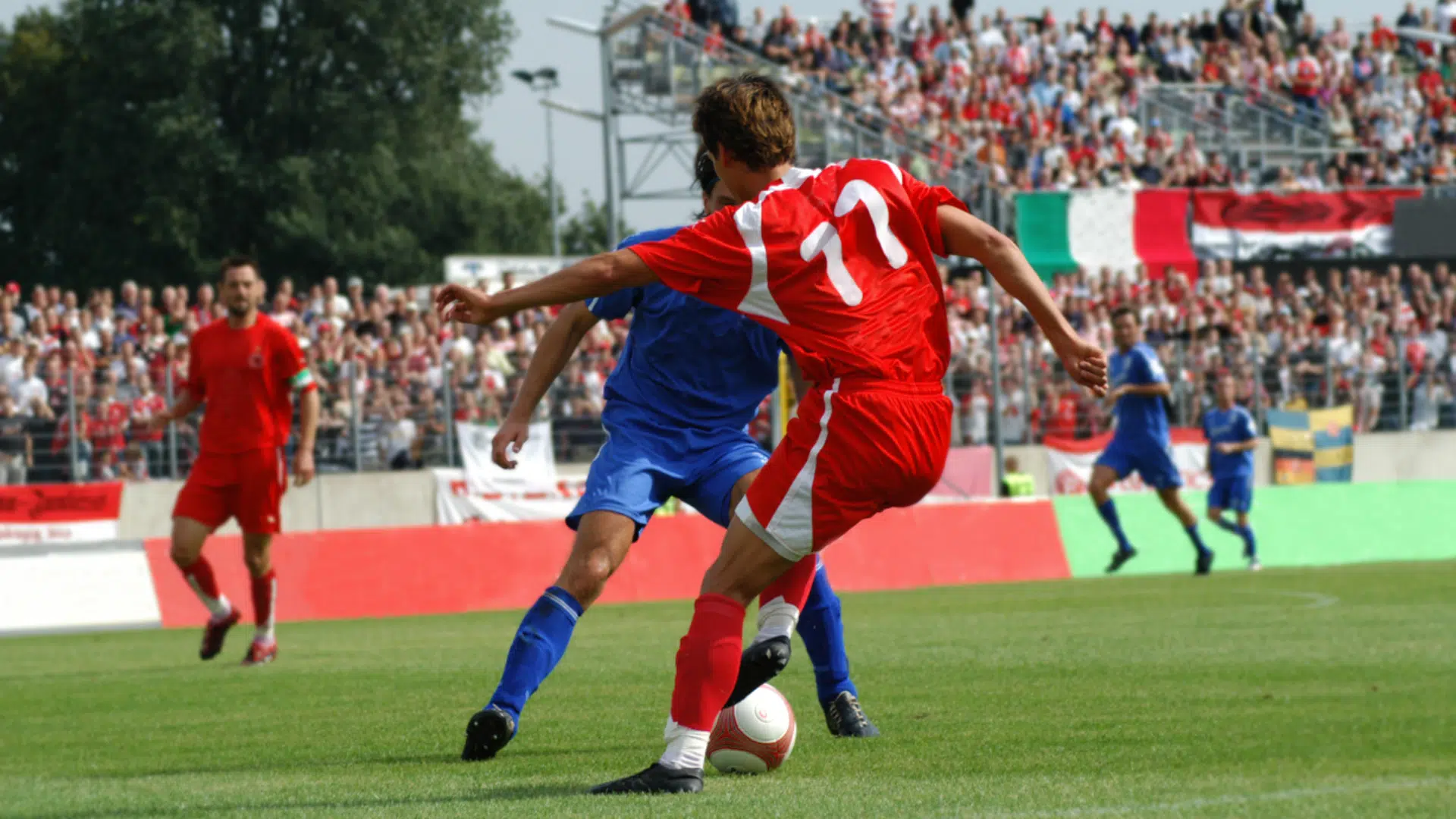
When I first started watching soccer, I kept hearing commentators mention CDM, and I had no idea what they meant. I knew it was a position, but I did not understand its real purpose on the field. If you have asked yourself the same question, you are in the right place. In this article, I will share what CDM means in soccer and why this role is so important to a team’s success. You will learn what a central defensive midfielder does, where they play, and the key skills they need. I will also break down how this position supports both defense and attack. By the end, you will clearly understand the role and be able to spot a strong CDM during any match you watch. What Does CDM Mean in Soccer? CDM stands for Central Defensive Midfielder, a key role in the center of the field. This player lines up just in front of the defenders and helps protect the back line from pressure. While strikers focus on scoring and defenders focus on blocking shots, the CDM works in between them to keep the team balanced. They help control the middle of the field and make it harder for the other team to build attacks there. A Central Defensive Midfielder acts as a shield and a link at the same time. They break up plays by tackling, intercepting passes, and reading the game early. Once they win the ball, they quickly look for safe, smart passes to start a counterattack or maintain possession. Strong positioning, good awareness, and calm decision-making are key traits for this role. Even without scoring goals, a CDM often has a huge impact on how steady and organized the team looks during the match. Tactical Roles of a CDM in Different Formations A CDM’s role […]
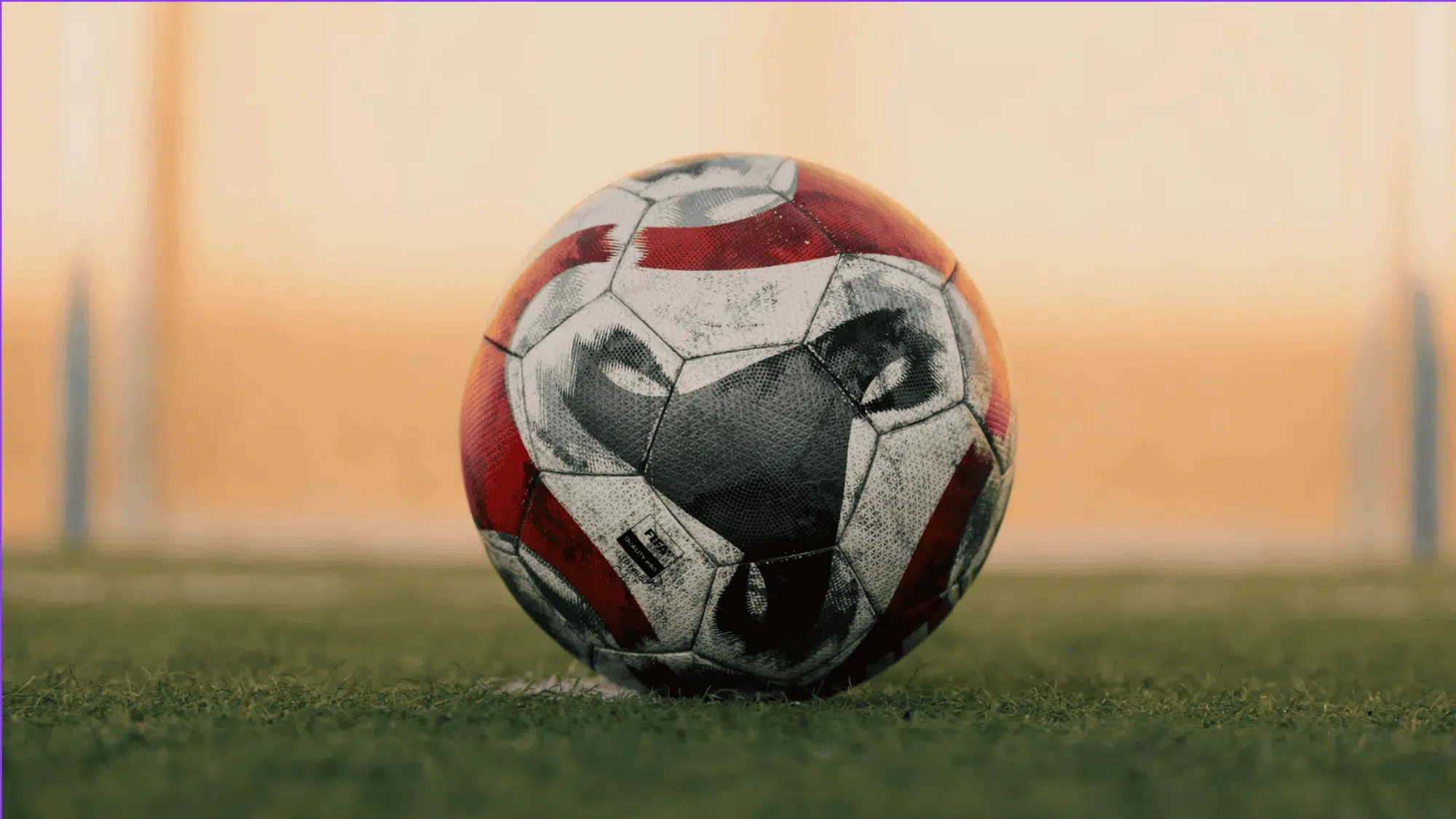
Picking the right soccer ball size may seem simple, but it makes a big difference in how the game feels. A ball that is too big or too small can affect control, confidence, and even safety. That’s why age matters when choosing the right one. In this guide on how to choose the right soccer ball size by age, I’ll explain which size fits each age group and why it works best. You’ll learn the standard ball sizes, how they match player development, and what to check before buying. I’ll also share a few quick tips to make your decision easier. By the end, you’ll have clear answers and know exactly which soccer ball size to pick. This simple guide will help you choose the right fit and keep the game fun and comfortable for every player. What Happens If You Use the Wrong Size? Using the wrong soccer ball size can make the game harder than it needs to be. A ball that is too big feels heavy and harder to control. Younger players may struggle to pass, shoot, and dribble with proper form. This can slow down skill growth and hurt confidence. A ball that is too small can also cause problems. It moves faster and feels lighter, which can affect timing and balance. Players may adjust their kicks in ways that build poor habits over time. The right ball size helps players learn correct technique and stay safe. A ball that matches the player’s age supports better control, smoother passing, and safer play. Choosing the correct size keeps the game fun and helps players improve step by step. Official Soccer Ball Size by Age Choosing the right soccer ball size by age helps players learn and enjoy the game. It makes the ball easier to control and […]
I have treated active people for more than 15 years, and I have seen how a small ache can quickly turn into a serious problem. In this article, I share some of the most common sports injuries in simple words so they are easy to understand. Many people think pain after a game or workout is normal. Sometimes it is. But certain signs should never be ignored. You will learn what these injuries are, why they happen, and how to spot early warning signs before they get worse. I also share simple steps you can take to lower your risk and stay safe while playing. This guide will help you better understand common sports injuries and know when it is time to take action or seek help. Why Sports Injuries Are so Common? Sports injuries are common because many people push their bodies without enough prep or care. Poor warm-up and stretching are a big reason, as cold muscles tear more easily. Many players also use the wrong gear or worn-out shoes, which raises the risk of slips and falls. Playing too often without rest puts stress on muscles and joints, leading to strain over time. Beginners may use the wrong form, while experienced players may push through pain instead of stopping. Lack of proper training also matters, since the body needs time to build strength and balance. Hard surfaces, uneven fields, and bad weather add to the risk. Some injuries happen simply because sports involve quick moves, contact, and sudden changes in direction, which the body cannot always handle safely. Most Common Injuries that Can Occur from Sports Sports put sudden stress on muscles and joints. I once treated a runner who ignored mild knee pain, and it turned serious. Knowing common injuries helps you act early and prevent […]

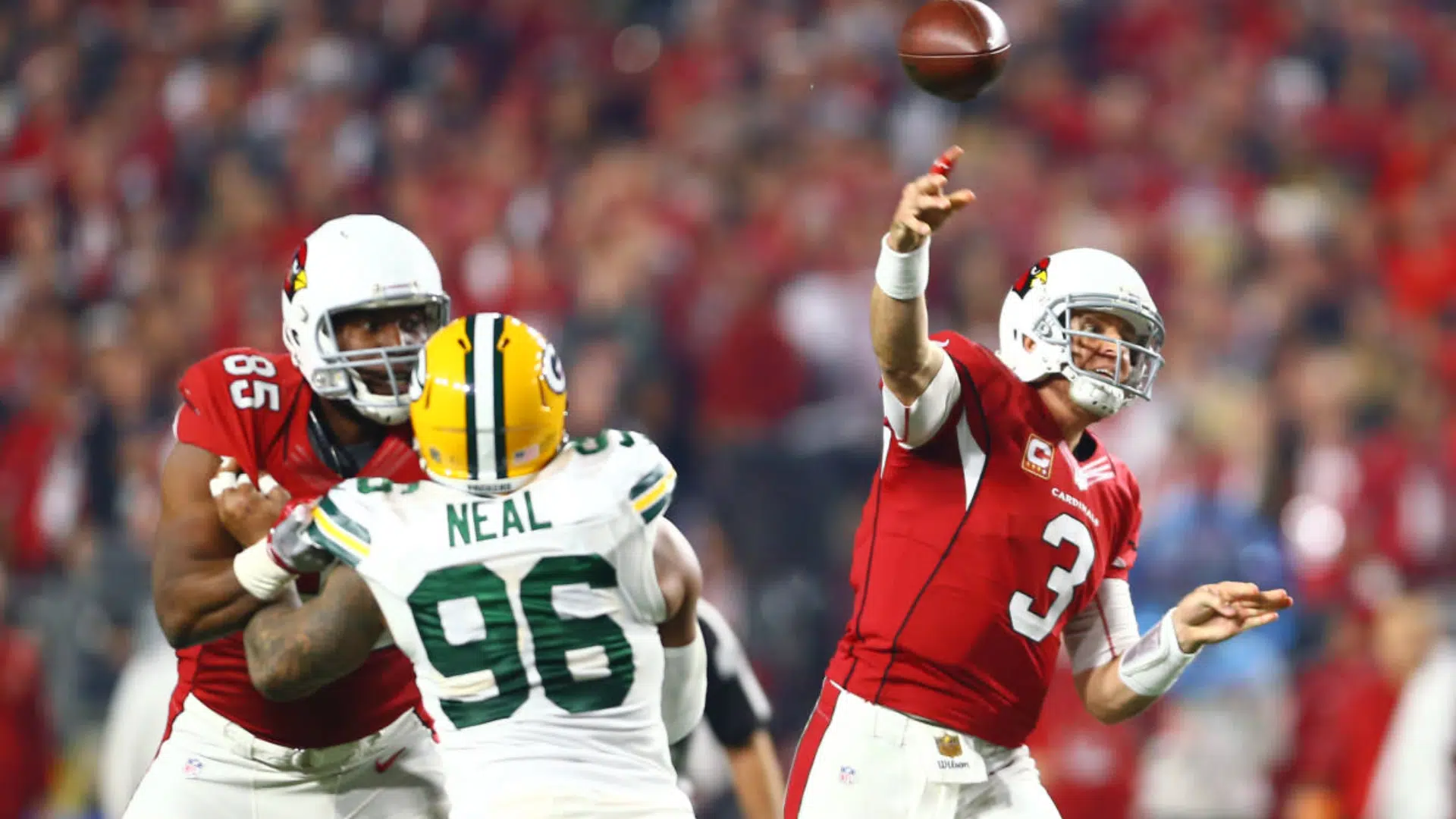
Football debates never get old, especially when the topic is quarterbacks. Fans compare stats, rings, talent, and leadership, and everyone has a different opinion. As a sports journalist who follows athletes’ careers and key moments closely, I like explaining these topics using clear facts and verified information. In this guide, I share some of the best quarterbacks of all time, looking at players from different eras of football. You will learn about their wins, records, performance, and overall impact on the game, showing why certain players stand above the rest. Each ranking highlights what made these quarterbacks special without adding hype or rumor. If you are a longtime fan or just starting to follow football, this list gives you clear comparisons, quick context, and a simple way to see how the greatest quarterbacks stack up. What Defines the Best QB of All Time? Great quarterbacks are judged on more than just numbers. Several factors help explain why some players stand above the rest across different eras. Career achievements: Super Bowl wins, playoff success, and long-term consistency play a big role in how a quarterback is remembered. Individual performance: Passing yards, touchdowns, completion rate, and efficiency show how well a QB performed game after game. Longevity: Playing at a high level for many seasons proves durability, discipline, and the ability to adapt over time. Leadership on the field: Strong quarterbacks guide their teams, stay calm under pressure, and lead during key moments. Impact on the game: Some QBs change how the position is played or influence future generations. Performance in big games: How a quarterback plays in playoffs and championship moments often defines their legacy. Top Contenders for Best QB of All Time These players are frequently discussed when fans and analysts compare careers across different eras. Their names come up […]
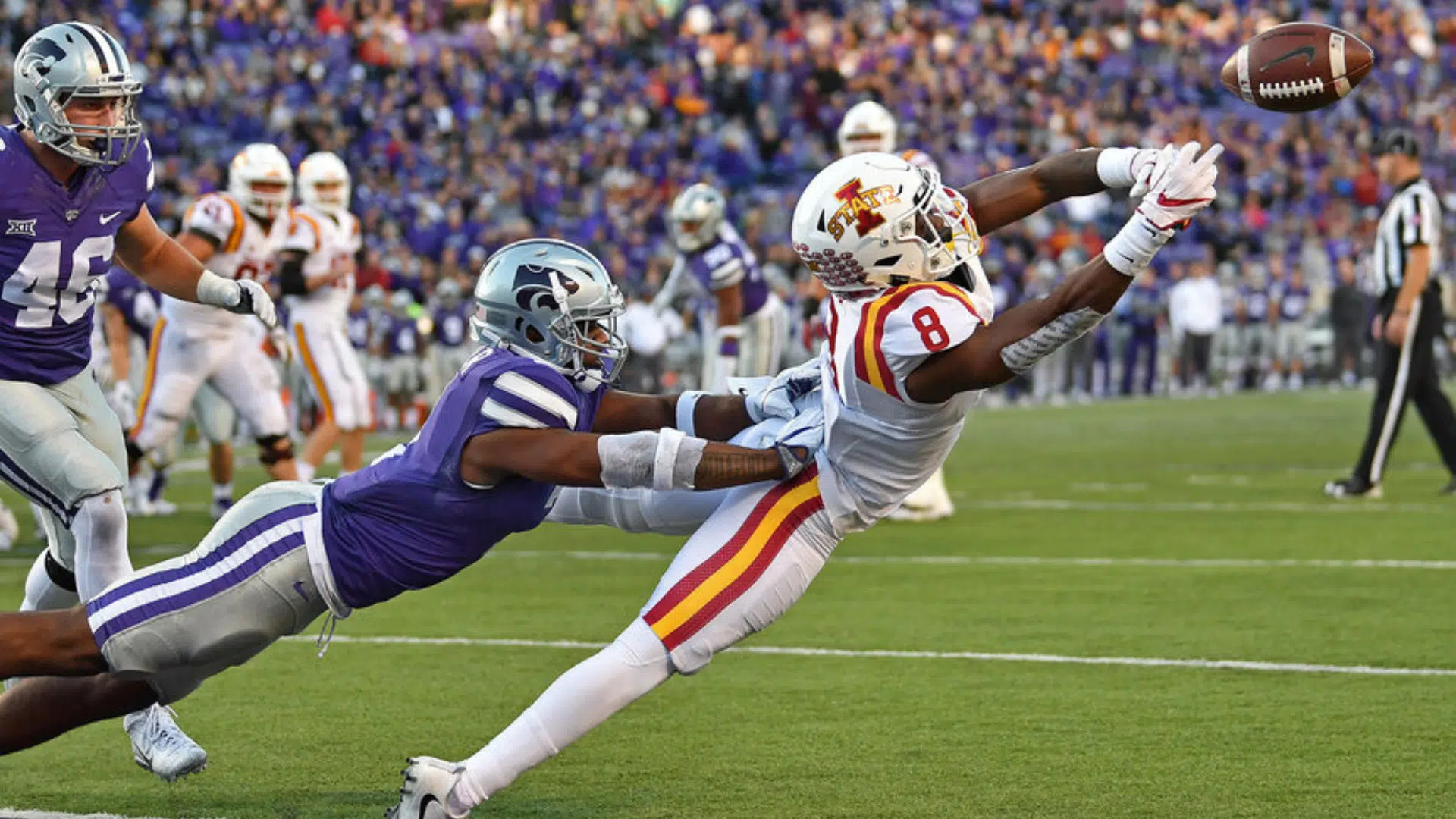
Football has its own language, and I notice that every time I watch game film or