
Health & Care
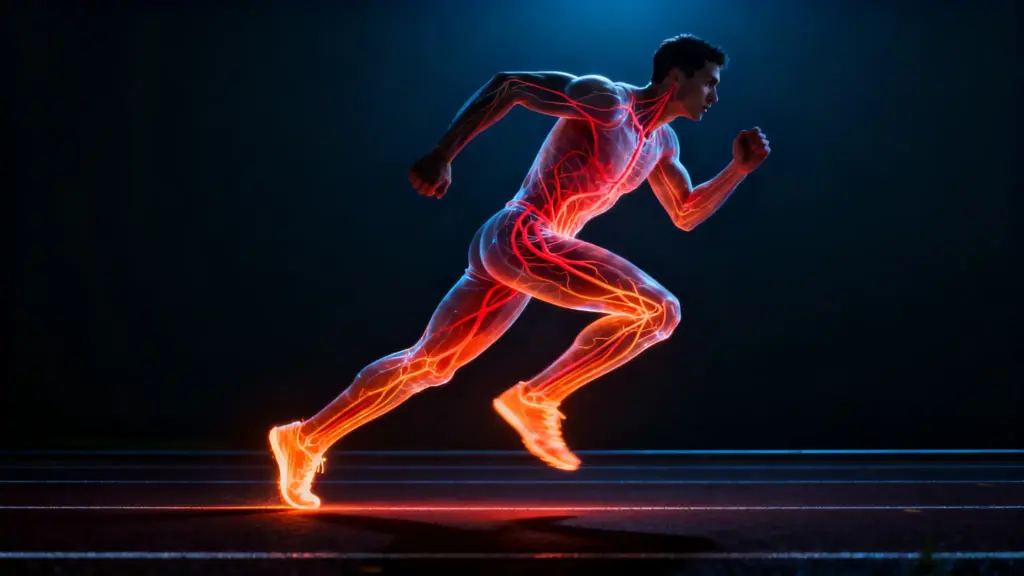
In the fields of sport and physical activity, intensity training has always been of primary importance. However, over time, recovery has become another important component of successful performance. The idea that the capability to restore and adapt is crucial is becoming increasingly popular in the community of athletes and other active people, ranging from professional teams to gym-goers. Modern technologies have been revolutionizing recovery methods, and red and near-infrared light therapy has been recognized as one of the methods that may help athletes in this matter. Contrary to a one-time fix, this technology has been recognized as part of a broader shift toward science-based recovery. Why Recovery Has Become a Key Part of Modern Training Recovery has become one of the most important components of modern sports training. Both professional athletes and recreational trainees have come to understand that improvement does not happen only during workouts, but also during recovery periods. Sports science proves that lack of proper recovery leads to fatigue, overtraining, and injuries. Professional sports teams spend a lot of money on various recovery techniques, including cryotherapy, sleep tracking, etc., as they know how important recovery is for maintaining high performance throughout the season. For instance, NBA teams include recovery days with mobility and low-intensity exercises to avoid fatigue accumulation. Marathon runners add recovery weeks to the training cycle, while strength athletes implement deload weeks to preserve their joints and nervous system. Even gym athletes learn how to recover properly to continue making progress. How Red and Near‑Infrared Light Are Being Explored in Athletic Recovery Light therapy, also referred to as photobiomodulation, involves bothred light and near-infrared light and has become a technology being explored by athletes. Both forms have different depths of penetration into the tissue, with red light mainly affecting the skin and surface muscles while […]

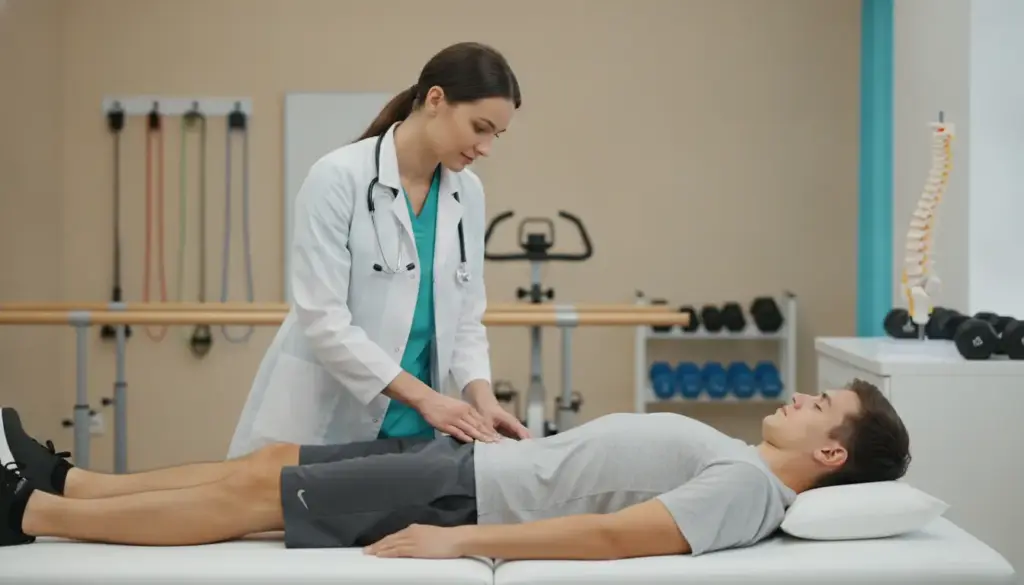
Thousands of athletes push through routine aches every day, assuming localized muscle fatigue is simply the cost of hard training. When dull muscle soreness transforms into sharp zings or localized burning, the underlying issue is often neurological rather than muscular. Ignoring these early warning signs can let minor nerve root irritation escalate into chronic performance deficits. Ordinary post-workout soreness typically presents as a dull, bilateral ache that responds well to rest and light stretching. Nerve-related compression behaves differently, presenting as sharp, unilateral shooting sensations or localized focal tenderness. Understanding this distinction prevents athletes from mismanaging spinal injuries with generic foam rolling or aggressive stretching routines that worsen tissue inflammation. Recognizing Neurological Red Flags in the Mid-Back When spinal nerves experience mechanical friction or structural compression, they manifest symptoms along specific anatomical pathways known as dermatomes. Recognizing these atypical warning signs early helps prevent permanent functional limitations. Red flags include: Sharp electrical sensations or burning pain wrapping around the ribs Unexplained localized numbness or persistent skin sensitivity along the torso Sudden grip or core stabilization weakness during heavy lifts Clinical Evaluation and Modern Treatment Pathways Persistent neurological symptoms require a comprehensive clinical assessment to isolate the exact source of nerve compression within the spinal architecture. Healthcare providers utilize specialized physical maneuvers, sensory mapping, and advanced diagnostic imaging like MRIs to evaluate structural stability. One condition that might be brought to light in this context is thoracic radiculopathy, which occurs when a nerve root in the middle section of the spine becomes compressed, irritated, or inflamed. This specific type of nerve dysfunction usually stems from structural changes in the mid-back, such as a herniated disc, bone spurs, or degenerative joint disease. Because the thoracic spine connects to the rib cage, the resulting pain, numbness, or tingling often wraps around the chest or […]

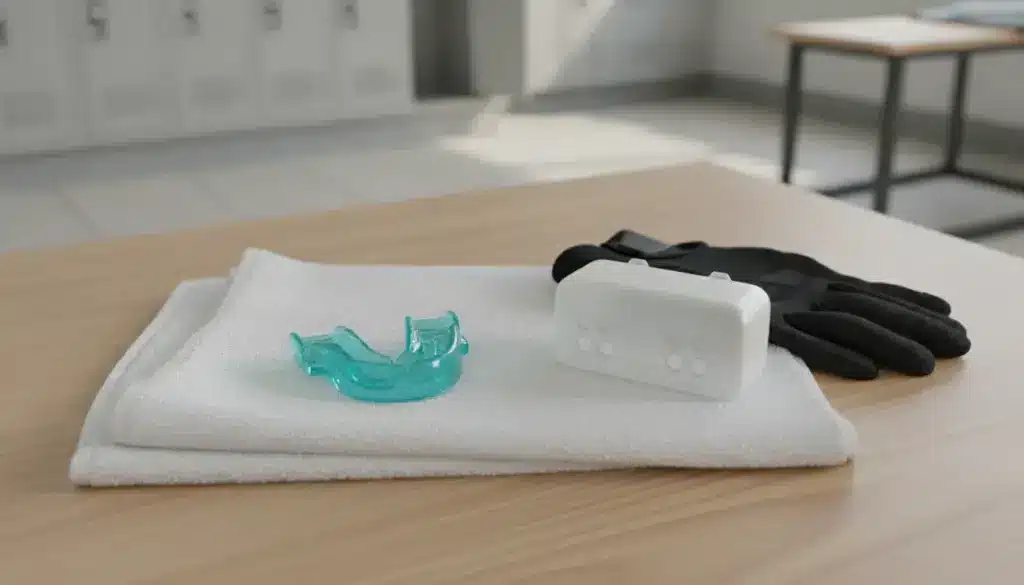
Mouthguards have earned a reputation for protecting teeth during contact sports, but their value extends far beyond preventing chipped enamel. A properly fitted mouthguard helps cushion the impact of blows to the face, reduces the chance of oral injuries, and gives athletes more confidence during competition. Whether someone plays football, basketball, hockey, martial arts, or even participates in recreational leagues, this simple piece of equipment can prevent painful injuries and expensive dental work. Making a mouthguard part of every practice and game is one of the easiest ways to protect both long-term health and athletic performance. Why Mouthguards Matter Every season brings countless collisions, accidental elbows, falls, and stray balls that can cause serious damage to the mouth. Teeth cannot repair themselves after they crack or break, and injuries to the lips, tongue, and gums often require medical attention. Wearing a mouthguard creates a protective barrier that absorbs part of the force before it reaches the teeth and jaw. Many athletes assume mouthguards are only necessary for high impact sports, but facial injuries happen in activities that seem relatively low risk as well. Basketball, baseball, softball, skateboarding, and mountain biking all present opportunities for unexpected contact. Parents, coaches, and adult athletes alike benefit from treating a mouthguard the same way they treat a helmet or protective eyewear. Consistent use helps reduce preventable injuries while allowing athletes to focus on improving their skills instead of worrying about the next collision. Keeping It Clean A mouthguard spends plenty of time inside the mouth, making proper cleaning just as important as wearing it. Saliva, bacteria, food particles, and moisture can build up quickly when equipment is tossed into a gym bag after practice. That buildup may create unpleasant odors and shorten the life of the mouthguard if it is ignored. Many athletes rinse […]
Sports medicine continues to evolve as new treatments, technologies, and rehabilitation strategies become available. At the same time, the rules governing these services have become more detailed. Sports medicine practitioners are responsible for providing care that meets clinical standards while following federal, state, and professional regulations designed to protect athletes, healthcare organizations, and the public. Every treatment decision, whether it involves physical therapy, diagnostic imaging, medication, injections, or surgical referrals, exists within a larger regulatory framework. Athletes often expect fast recovery and a quick return to competition. While those goals are understandable, providers must ensure every recommendation is appropriate, documented, and supported by accepted medical guidelines. Regulations are not obstacles to treatment. They create a consistent standard that promotes patient safety, ethical decision making, and quality care throughout every stage of recovery. Patient Safety Comes First Every sports medicine practice begins with a commitment to patient safety. Regulations require healthcare providers to perform thorough evaluations before recommending treatment plans. Medical histories, physical examinations, diagnostic testing when necessary, and informed consent all play an important role in developing an appropriate course of care. These requirements help reduce unnecessary risks while giving athletes a clear understanding of their available options. Documentation is another major regulatory expectation. Providers must accurately record diagnoses, treatment recommendations, progress notes, referrals, medications, and follow up care. Complete records support continuity between healthcare professionals and provide important documentation should questions arise later regarding clinical decisions. Many organizations also implement internal compliance programs that extend beyond direct patient care. Pharmacy compliance services that protect patients, products, and reputations by implementing rigorous compliance programs that screen and monitor both licensed and non-licensed staff, partners, and contributors. These programs help healthcare organizations maintain high professional standards while supporting regulatory requirements across multiple operational areas. Treatment Standards Matter Sports medicine providers have […]

ADHD telehealth services make it easier for adults and families in California to access licensed clinicians

Ever felt like your training has hit a wall for no clear reason? You’re eating clean.
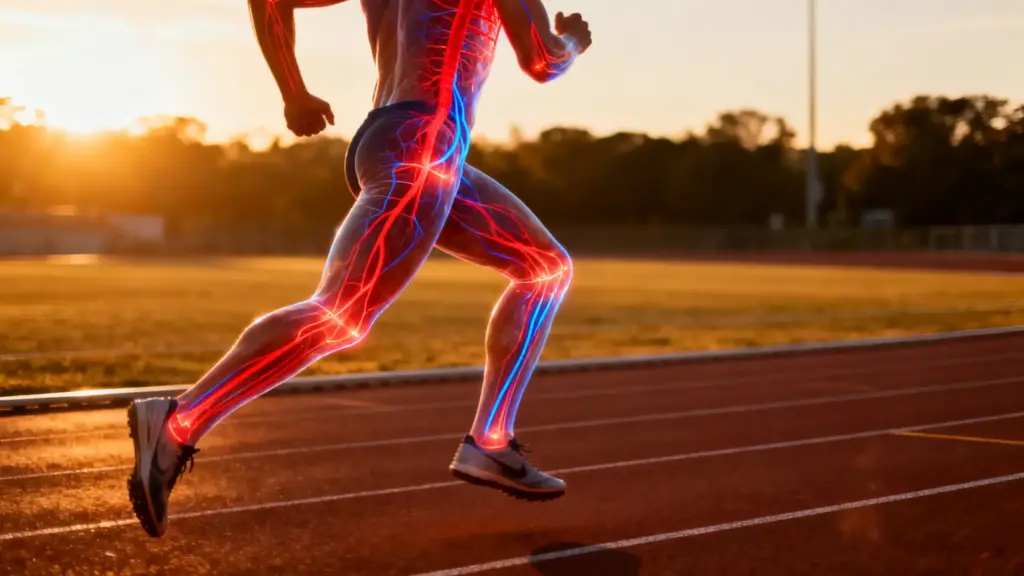
Improving athletic performance usually means fine-tuning any number of aspects of training, from preparation and nutrition
Introduction: The Missing Piece in Athletic Success When improving performance, athletes and fitness buffs dedicate time

Key Takeaways Community support is vital for successful recovery, providing emotional stability and practical resources. Peer-led

After a hard workout, it’s common to wake up feeling sore and wonder if that pain
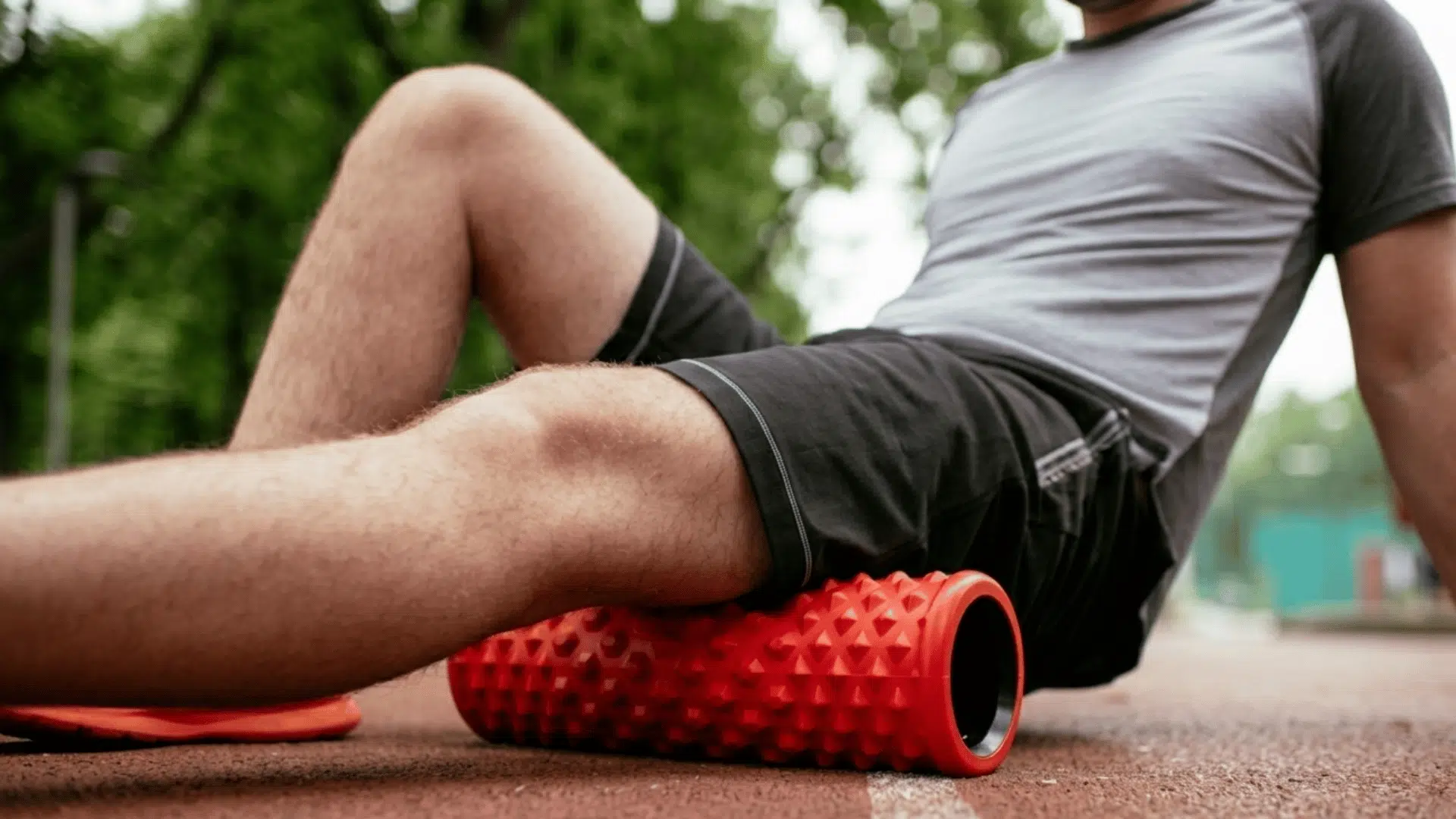
Training hard is important, but recovery matters just as much. I’ve learned that using the right
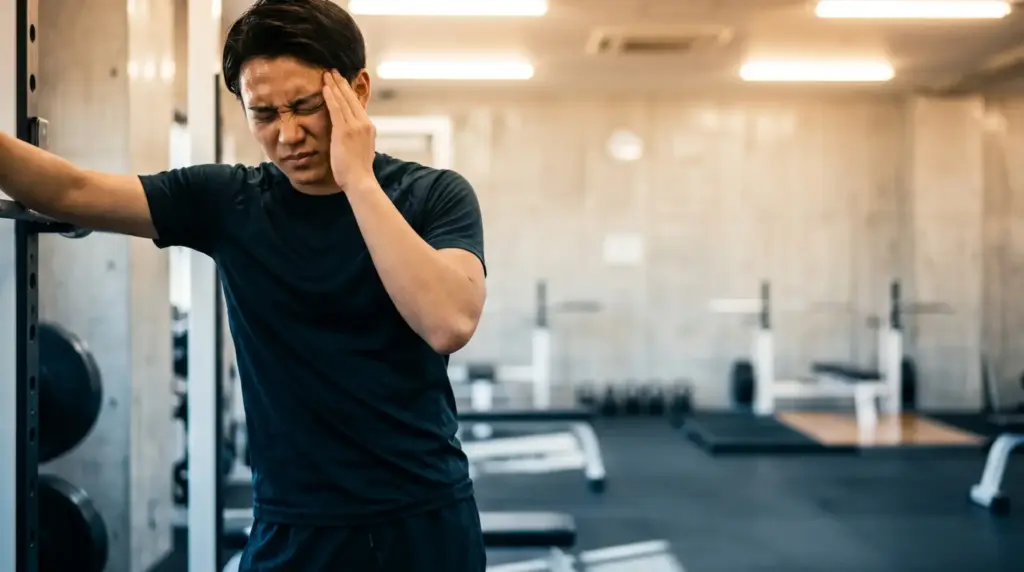
Dizziness During Training: It’s Common, But Not Always Benign Athletes often experience dizziness during training at

Most people think that more exercise always means better results. I used to think the same.

Hearing that you may need surgery on your throwing arm can feel stressful and confusing. I
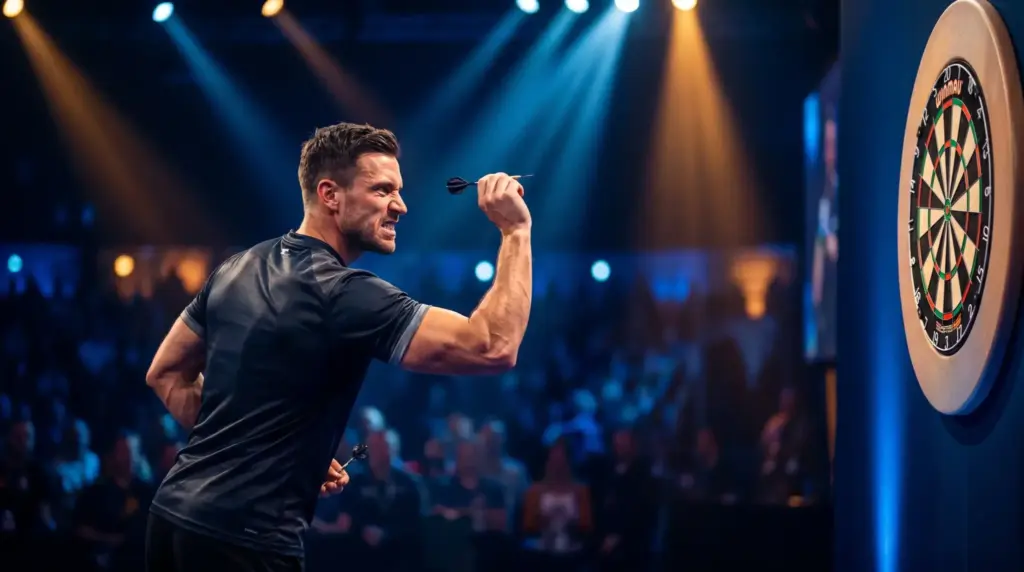
Darts has always had that pub-sport reputation, but the modern game looks very different. Walk into
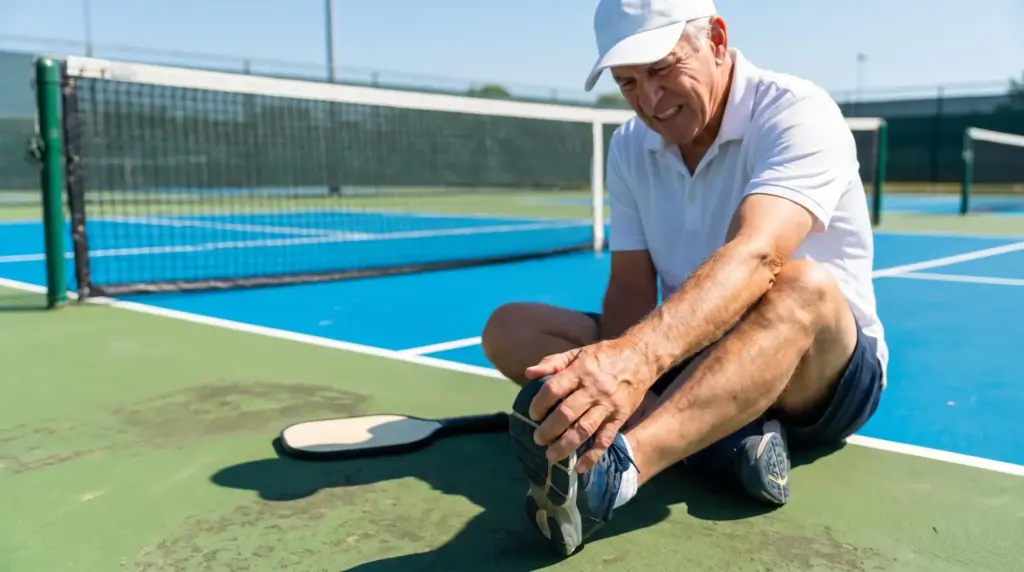
Pickleball may look easy on the body, but it puts repeated stress on the feet through