
February 25, 2026
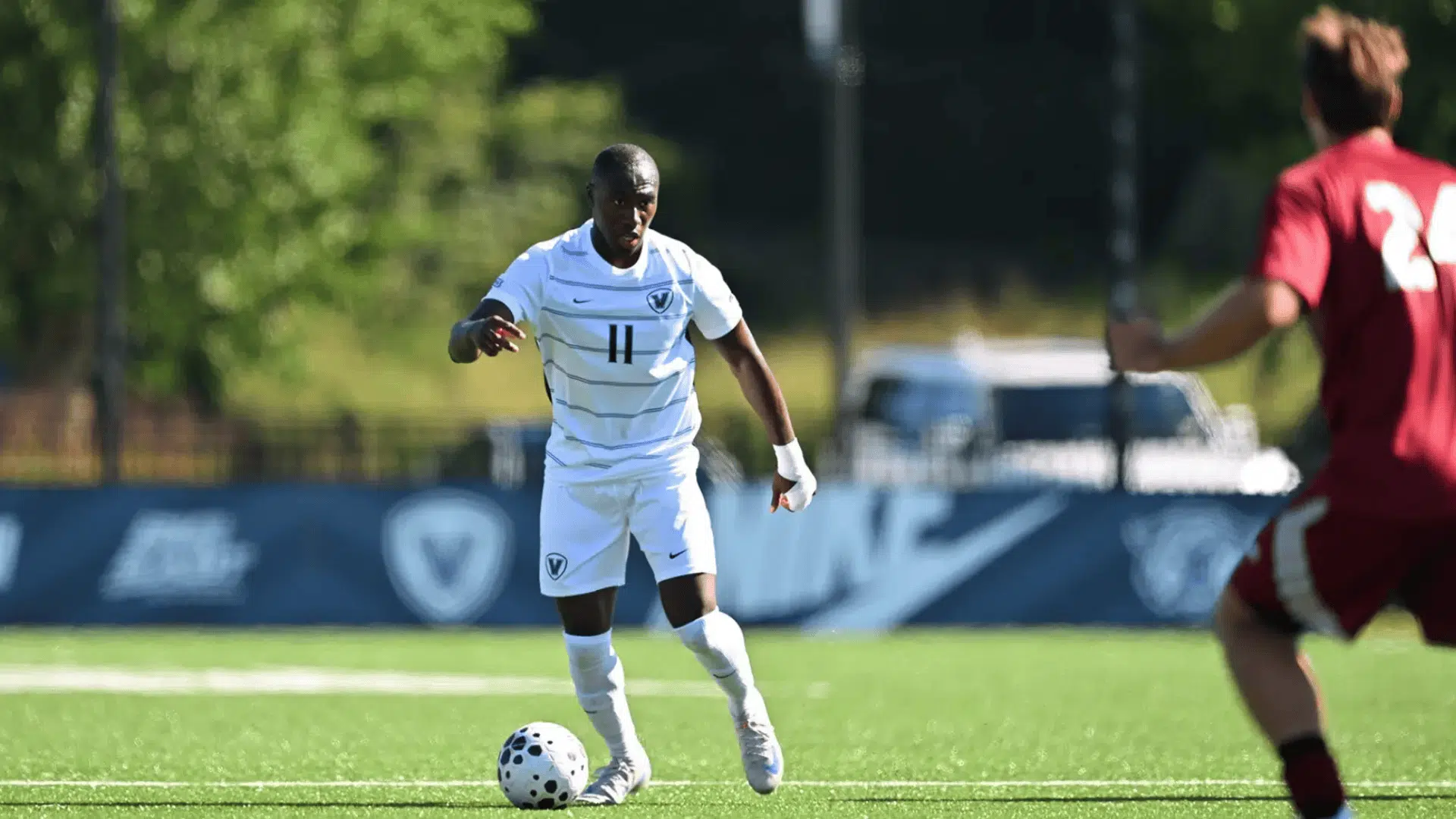
I still remember my first soccer shot flying nowhere near the goal. If that sounds familiar, you’re not alone. Over the years covering soccer, one thing has stood out to me: the difference between a weak shot and a clean strike often comes down to a few simple details. I’ve seen top players adjust their bodies and balance until shooting feels natural. Many players struggle because no one clearly breaks down the basics. From body position and foot placement to balance and follow-through, small changes can quickly improve accuracy and power. In this guide, I’ll share what I’ve learned from observing the game closely and speaking with coaches and players. You’ll also see the common mistakes that throw shots off target and why solid technique matters every time you step up to strike the ball. What You Need Before You Shoot? Before you shoot, set yourself up the right way. First, make sure you have space and time to strike the ball without rushing. Take a quick look at the goal and notice the keeper’s position. This helps you choose where to aim. Next, focus on ball control. The ball should be slightly in front of you, not stuck under your feet. Keep your body balanced and your head steady. A good balance gives you more control over the shot. Also, know your target area before you swing your leg. Don’t just hit and hope. Pick a corner or a clear gap. Finally, stay calm. A rushed mind leads to poor contact. When you prepare with purpose, your shot becomes cleaner, stronger, and more accurate. How to Shoot a Soccer Ball? Shooting is one of the most important skills in soccer and often comes up in games. A solid approach makes it easier to stay calm and make better decisions […]
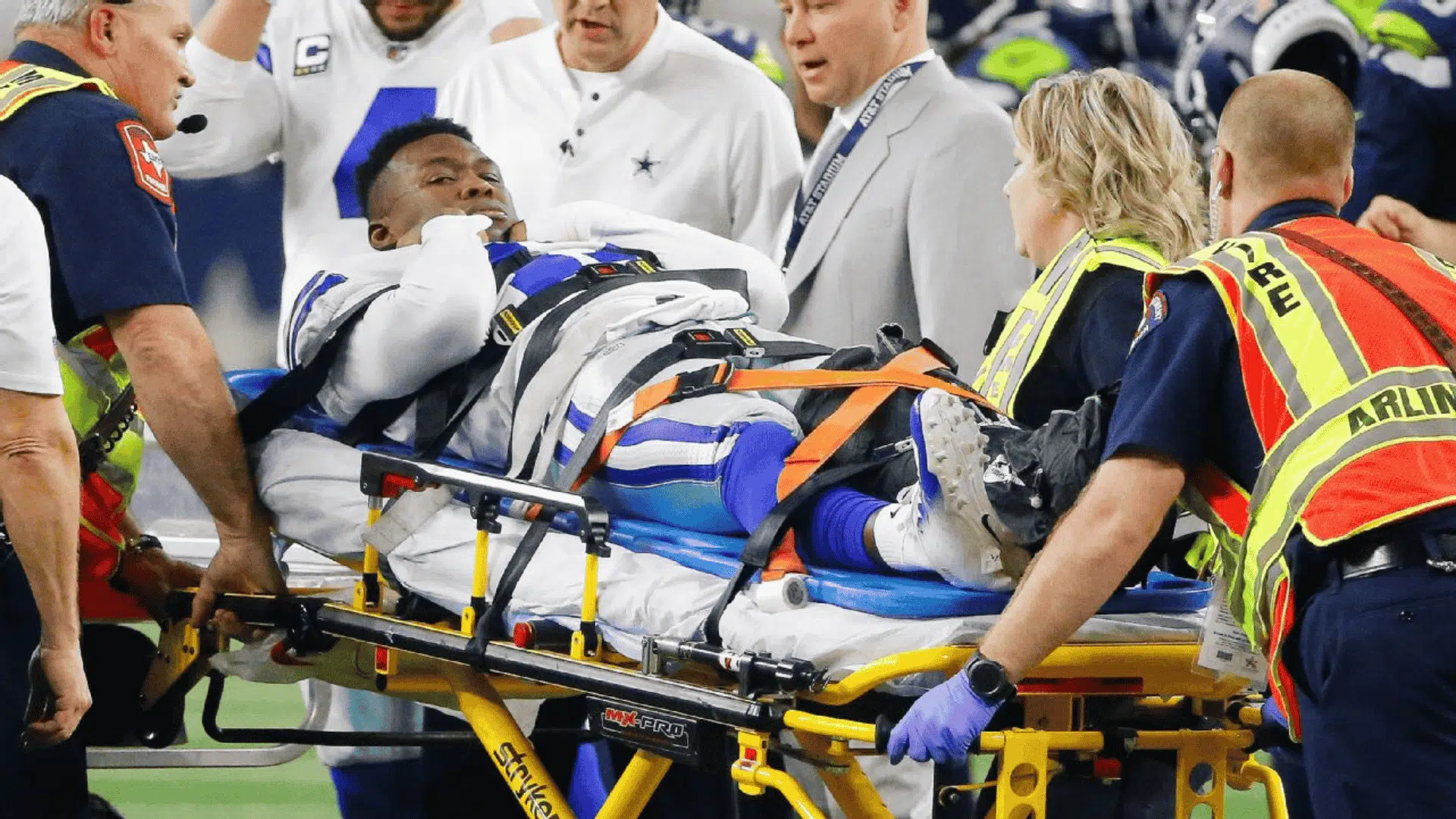
I have watched football for years, and I still remember the first time I saw a player carried off the field. The game is fast and exciting, but it can also turn serious in seconds. If you love football as I do, you know how tough it is to see someone get badly hurt. Football can bring scary injuries that stop play and shock everyone, showing how risky the sport is. Some hits look painful right away, while others slowly change a player’s life forever. In this blog, I will share some of the worst football injuries ever seen, mainly in the NFL. I will cover shocking on-field moments, career-ending injuries, and injuries that fans still talk about many years later. You will also learn why these injuries happened, which ones were the hardest to recover from, and how the NFL reacted to keep players safer. Worst Football Injuries in History Football injuries can range from mild to very serious. Some heal with rest, while others can change a player’s life and require long recovery, careful medical care, and strong safety rules to protect players. 1. Jamal Lewis: Ankle Injury In the 2004 season, Jamal Lewis suffered a serious ankle injury during practice after taking a bad step. Even though no one hit him, the injury was severe enough to keep him out for the entire season and is often listed among the worst football injuries caused by non-contact moments. This showed that injuries can happen even without a hit and pushed the NFL to review practice safety. After this, teams became more careful with drills and training methods to reduce the risk of player injuries during practice. Exact medical diagnosis: Severe ankle sprain with ligament damage Recovery timeline: Missed the entire 2004 NFL season Career impact: Returned the next […]
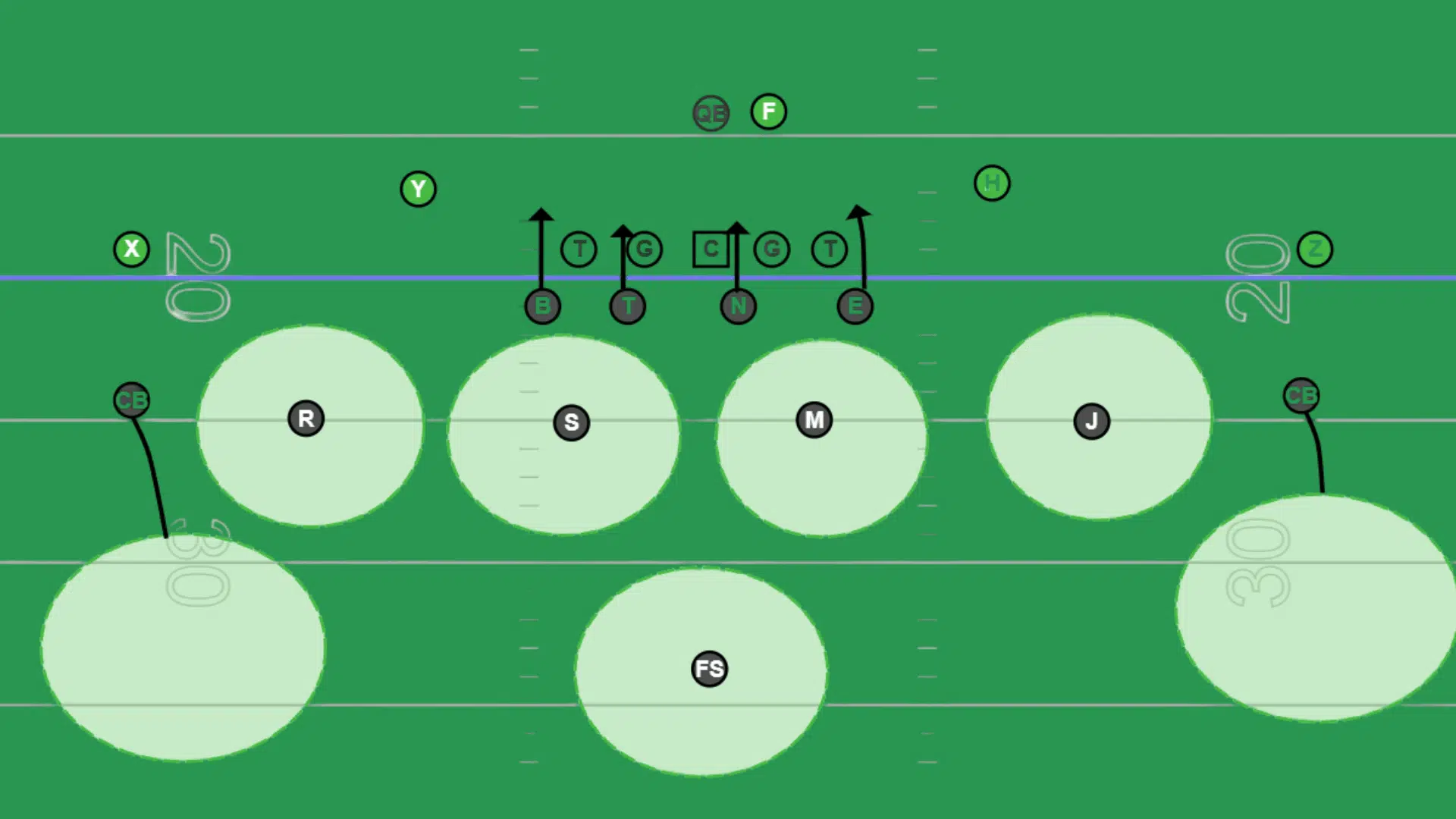
When covering football tactics, I often notice how small adjustments can shift the momentum of a game. One defensive system that consistently shapes the outcome of passing plays is zone coverage football. It may not look flashy, but it controls space, limits big plays, and forces tough throws. Teams that run it well can quickly disrupt an offense’s rhythm. You will often see it on long passing downs or late in close games, when defenses must protect space and avoid mistakes. It looks simple, but it demands awareness, discipline, and strong communication. In this guide, you will learn what zone coverage is and how it works, the main types of teams that use it, and why coaches rely on it against different offensive looks. I also explain how offenses try to attack it and what makes the scheme succeed. What Is Zone Coverage Football? Zone coverage in football is a defensive system in which each player guards a specific area of the field rather than following one receiver. Each defender is responsible for a zone. When a receiver enters that space, the defender covers him. When the receiver moves out, the defender passes him to a teammate and looks for another threat. The main goal is to control open space and prevent big passing plays. Coaches often call zone coverage on clear passing downs because it keeps the action in front of the defense. It also allows defenders to watch the quarterback’s eyes and react to the throw. While it may look simple from the stands, it requires strong communication and discipline. If one player leaves his area too soon, it can create an opening for the offense. Good teamwork and awareness are key to effective zone coverage. Key Techniques for Playing Zone Coverage Strong zone defense depends on discipline […]
Improving a baseball swing requires more than repetition. It requires measurable feedback on how the hands, bat, and body move through each swing. With my background in sports business and data analysis, I value tools that turn performance into clear numbers. In today’s game, player development is closely tied to measurable insights, just like revenue and valuation trends off the field. Blast Motion Baseball is a swing analyzer that uses a compact sensor attached to the bat knob to capture detailed metrics, including bat speed, attack angle, and time to contact. The data syncs with a mobile app, delivering instant feedback, video analysis, and progress tracking. In this article, I will share how Blast Motion works, its key features and specifications, and how it supports more structured, data-focused player development. What Is Blast Motion Baseball? Blast Motion Baseball is a training tool that tracks how a player swings a bat. It uses a small sensor that fits into the knob of the bat and records swing data in real time. The sensor connects to a mobile app through Bluetooth. The app shows clear numbers and simple charts. It measures key stats like bat speed, attack angle, and time to contact. Players can also record video and match it with their swing data. This helps them see what changed in each swing. The goal is to give instant feedback so players can adjust faster. Coaches and players use it to track progress over time. Instead of guessing what feels right, they can look at the data and make smarter training decisions based on real performance results. Key Features of Blast Motion Baseball Blast Motion Baseball offers advanced swing tracking with real-time data and video feedback. It helps players improve bat speed, swing path, and overall hitting performance using clear, measurable metrics. […]


Over the years, I have followed how money flows in sports, from franchise values to player
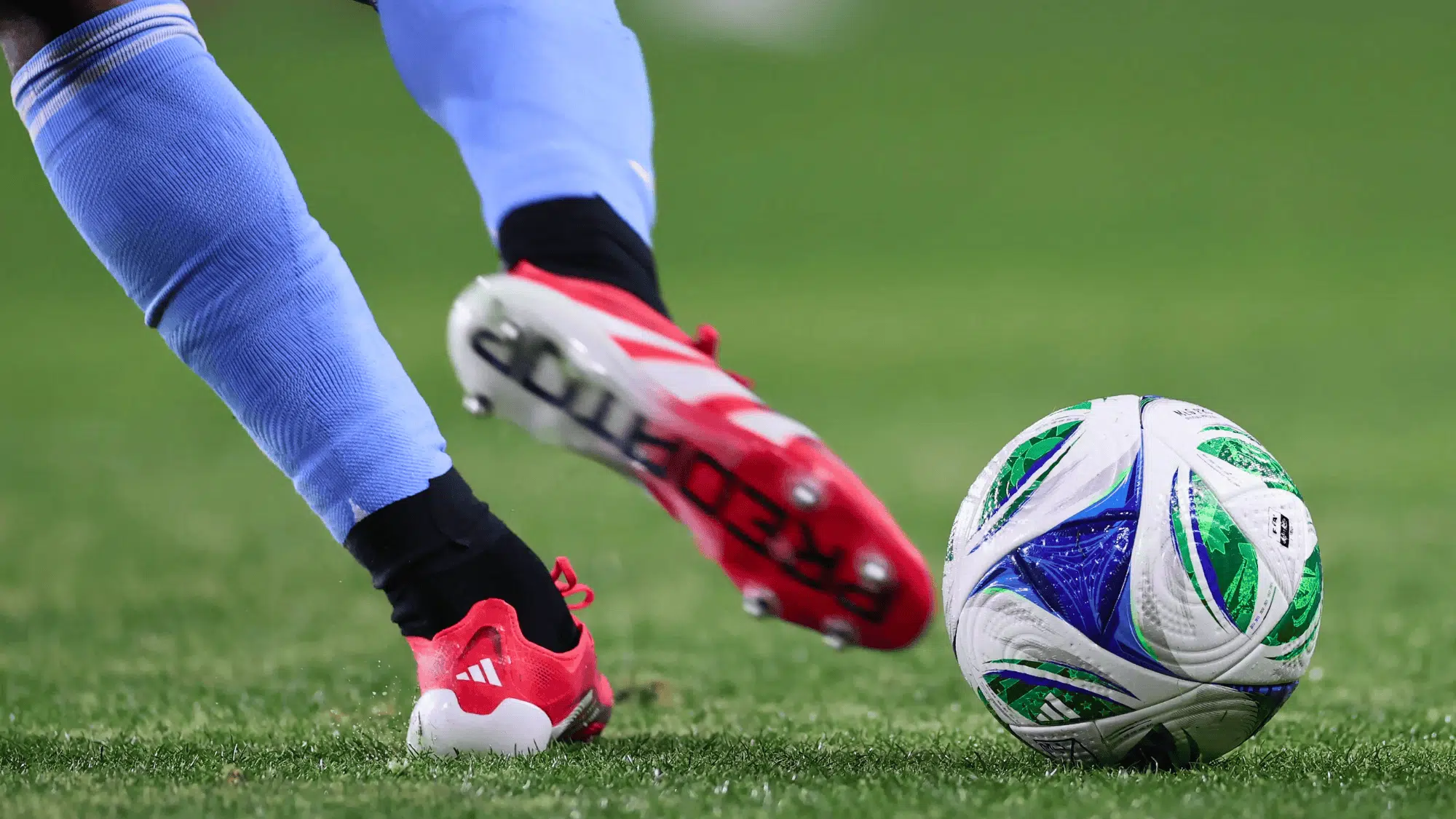
Centre-backs are the backbone of any strong football team. When I look at the history of
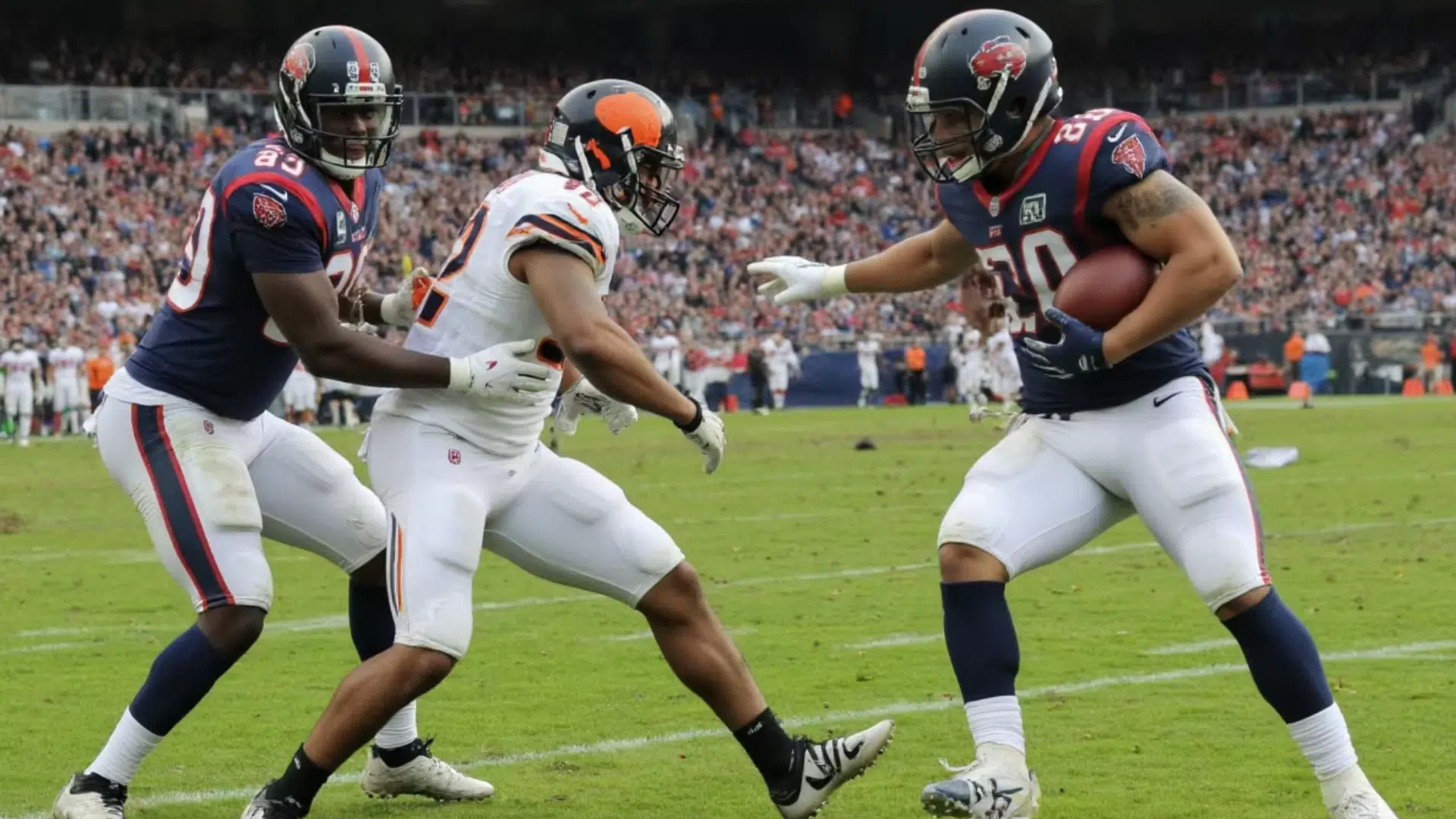
When you watch a football game, a lot is happening at once. Players move fast, the
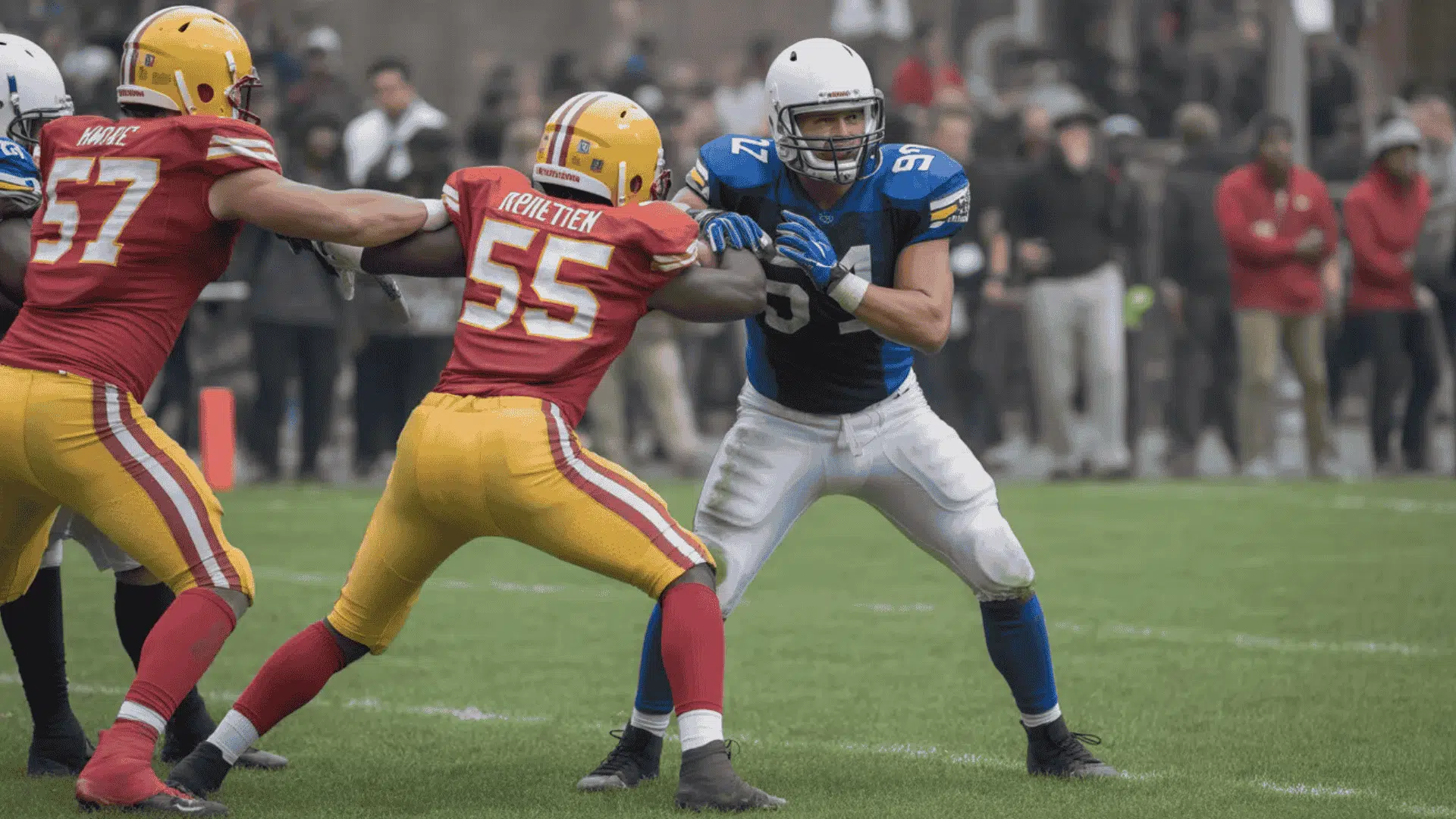
If you are getting into football or want to better understand the game, learning the defensive

Have you ever been to a baseball game and felt like you were the only one
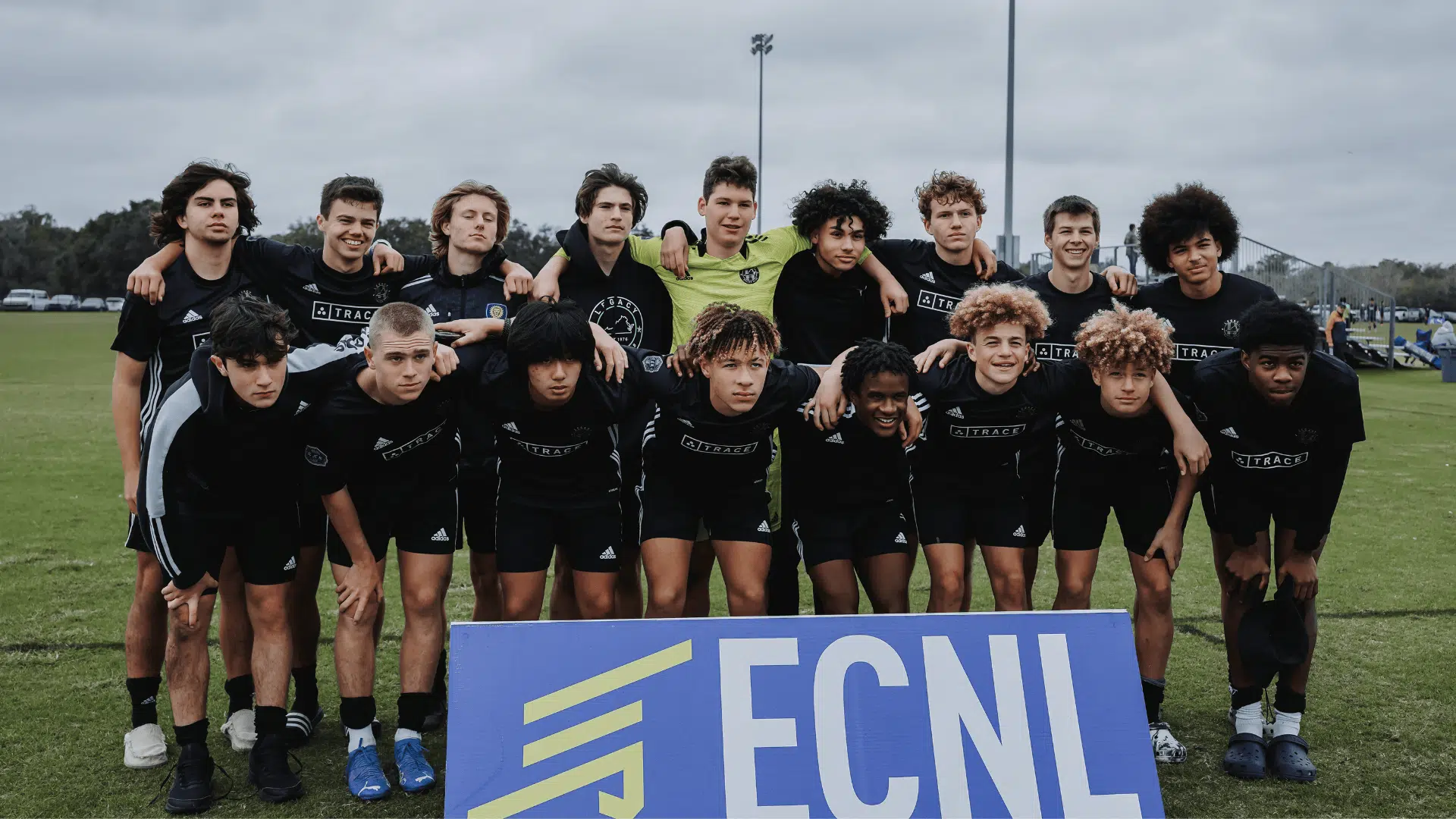
I remember the first time I heard the term ECNL at a soccer game. I saw

The United Football League is stepping into a fresh phase this year, and the updates are

Most fans have no idea how many baseballs are used in a single MLB game. Many
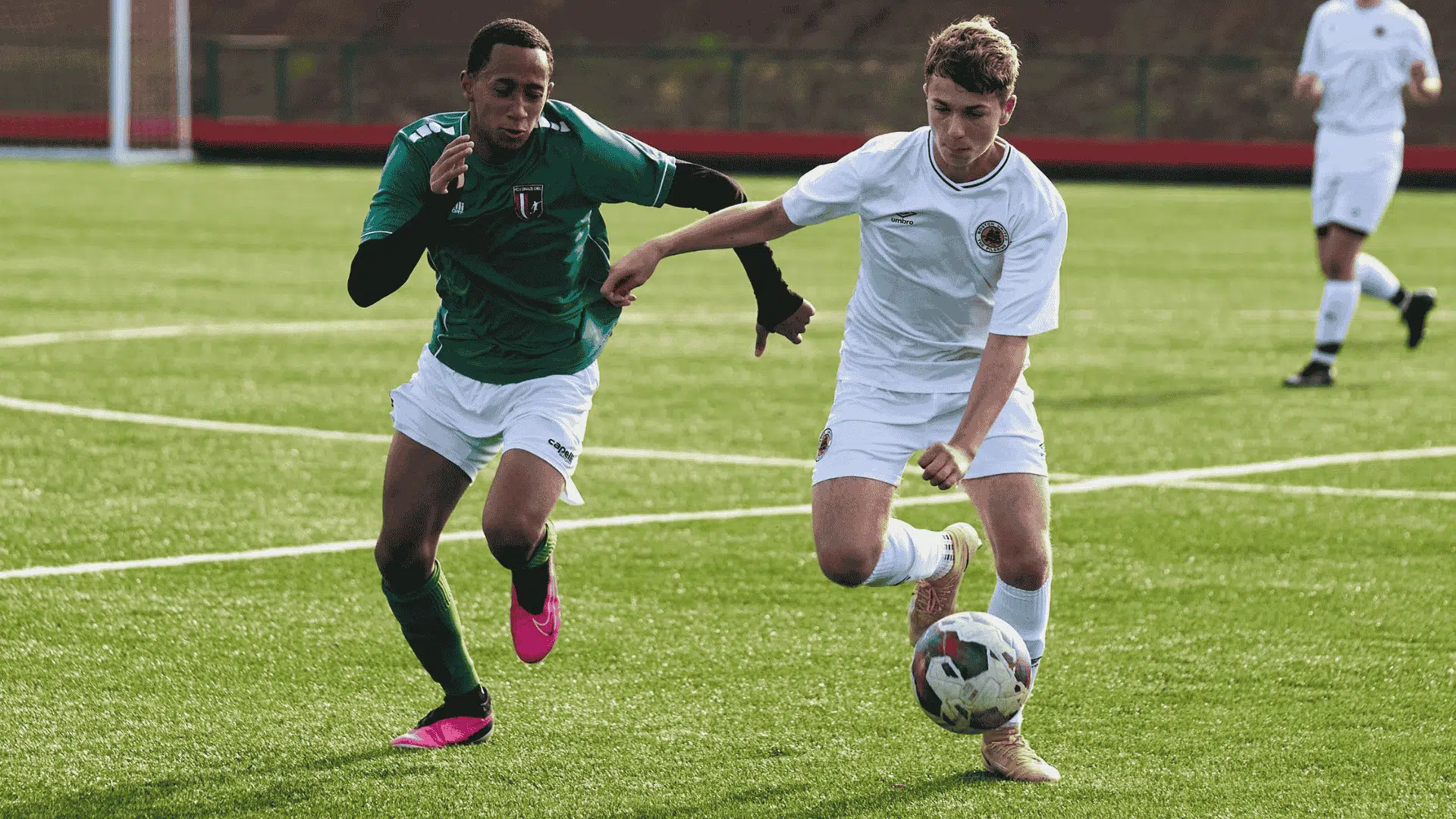
When I watch a football game, I see how much space players have, especially near the
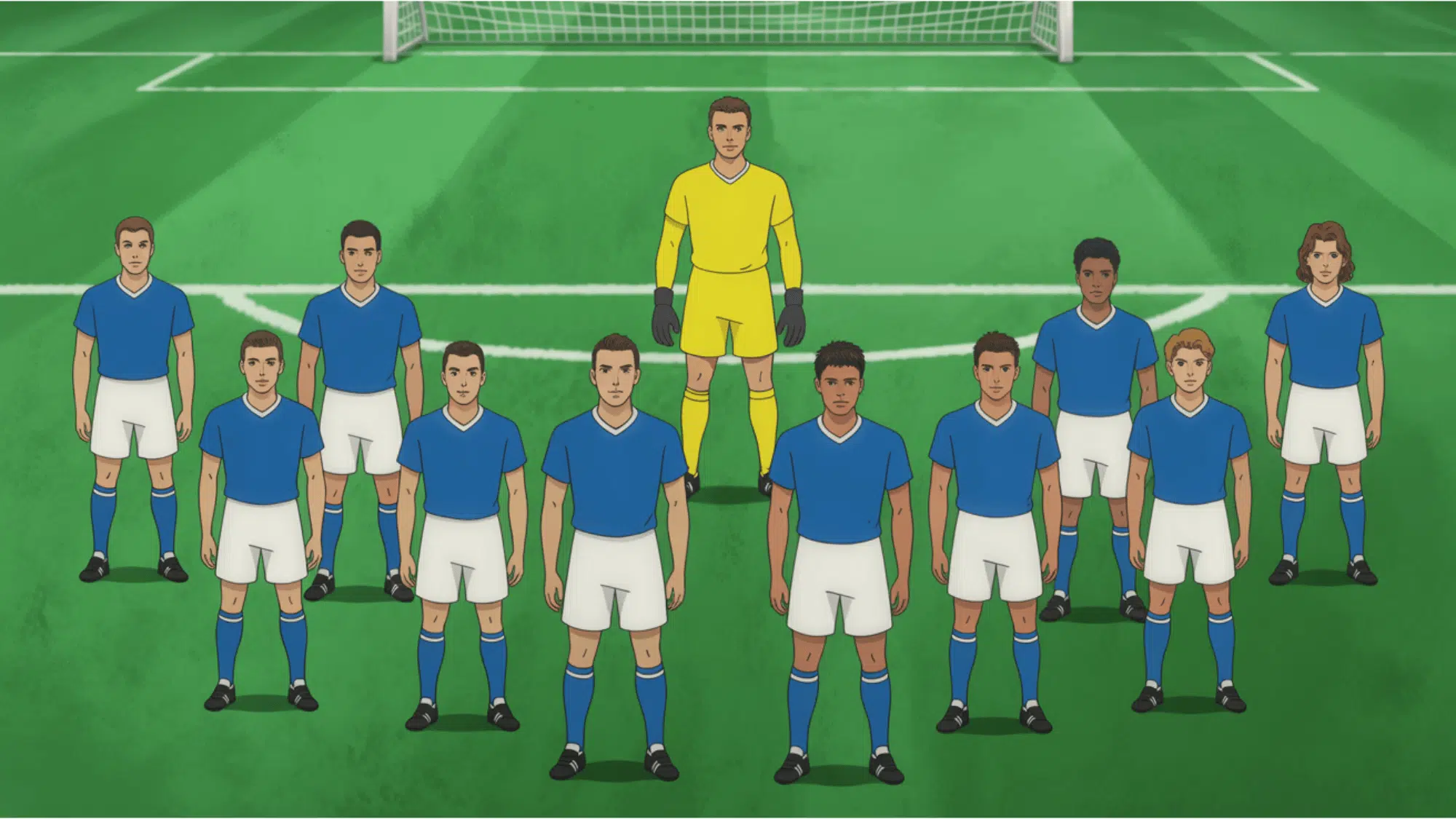
Soccer may look simple, but team size can confuse new fans and players. Many wonder how
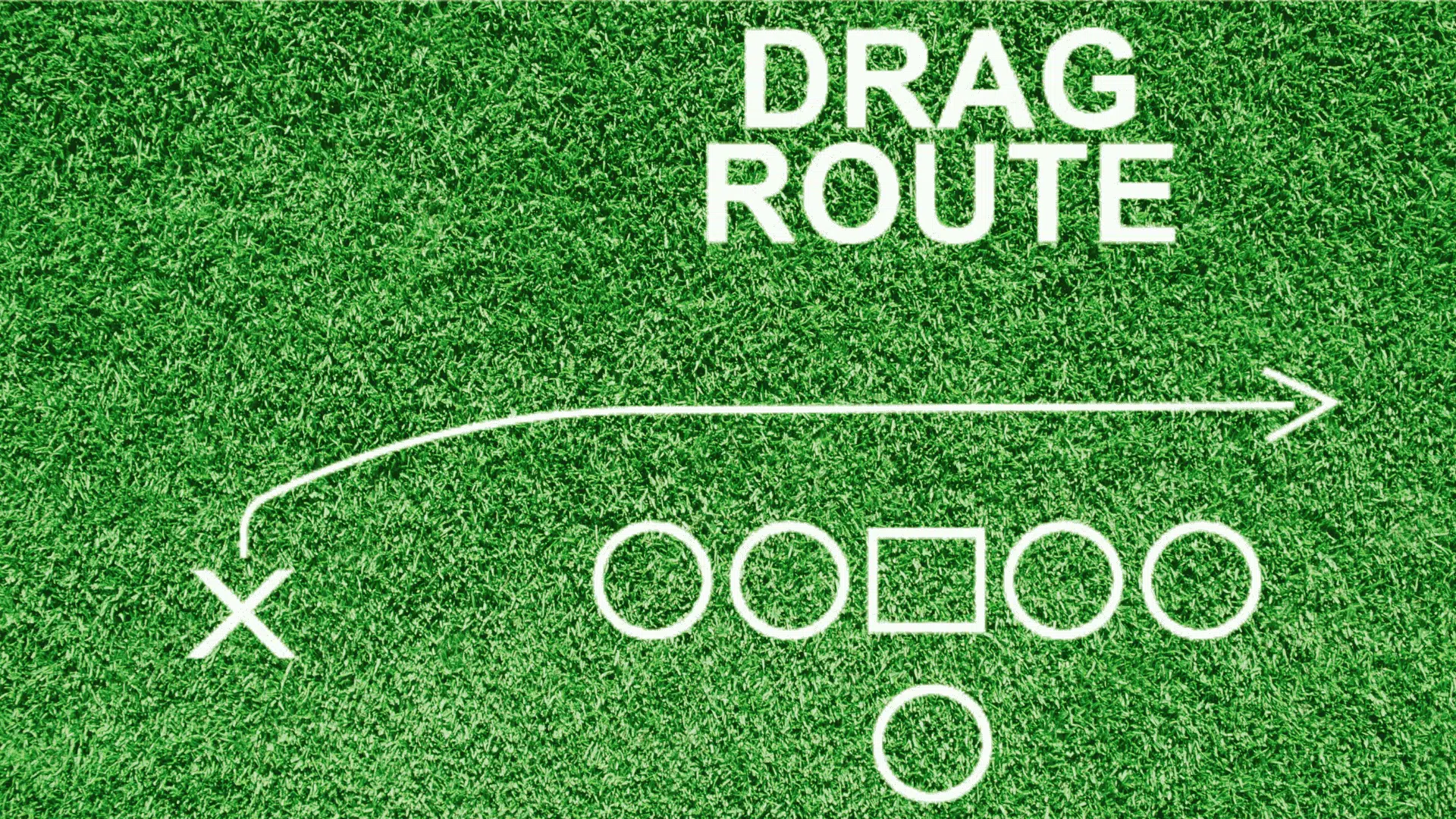
Many fans hear coaches mention the drag route in football, but few fully understand how important
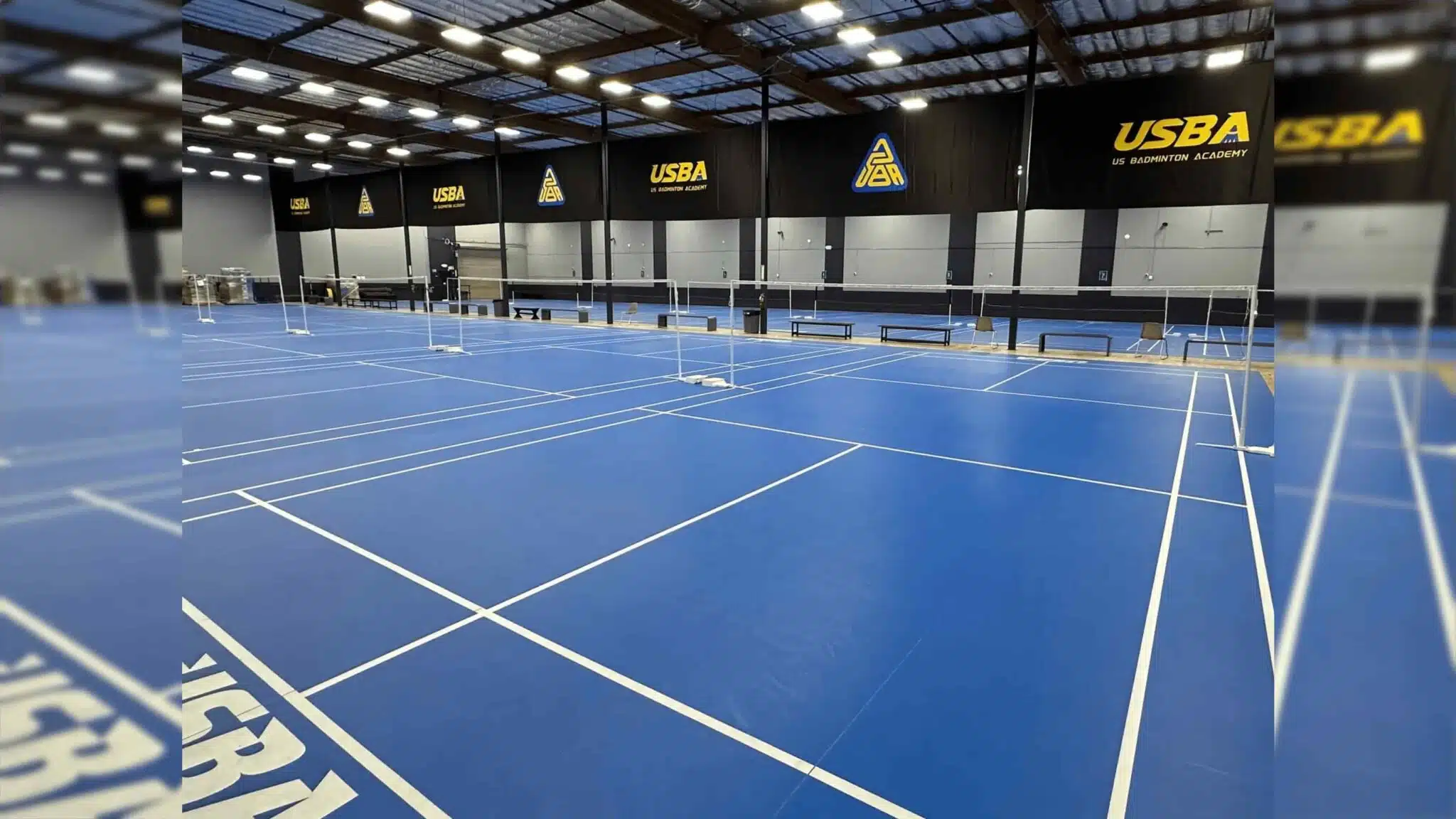
Finding the right badminton court can change how much you enjoy the game. Over 10 years