
February 24, 2026
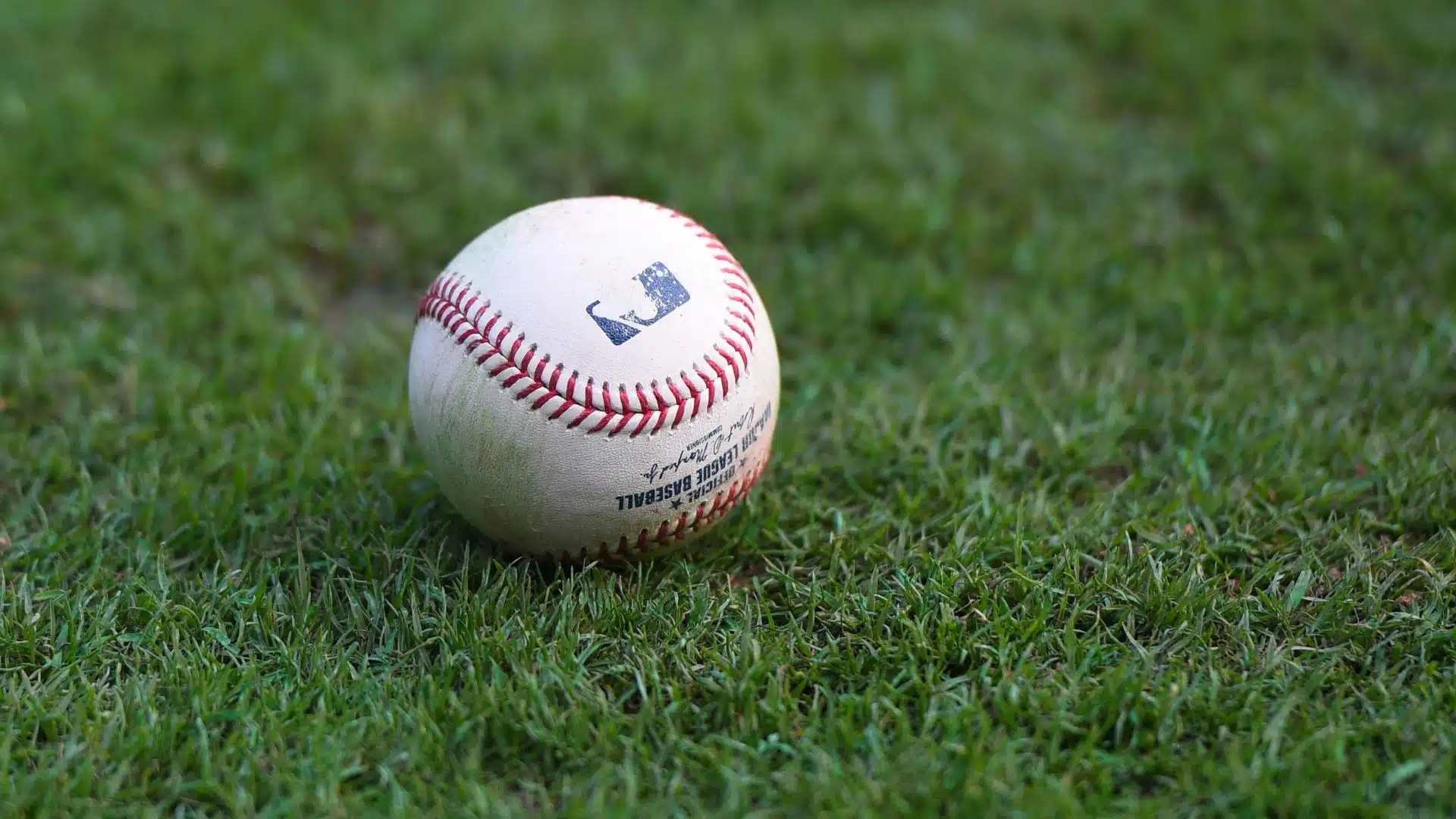
Baseballs may look simple, but after covering enough games and digging into the small details that decide big moments, I can tell you they’re built with a lot more care than most people realize. If you’ve ever wondered what baseballs are made of, the answer is actually pretty easy to follow once you break it down. At the center is a core made of cork and rubber, wrapped tightly in yarn. On the outside, the ball is finished with leather and held together by those familiar red stitches. That build matters because each layer affects how the ball feels, flies, and lasts through nine innings. The materials affect bounce, grip, and speed, so players check the ball before the first pitch. In this article, I’ll walk you through each part of a baseball, explain the materials used, and show how it all comes together into the ball used in games today. What Are Baseballs Made Of? A baseball is built from several layers, each with a clear purpose. These materials work together to create the weight, bounce, and feel players expect. The core, often called the “pill,” sits at the center of the ball. It is made from cork and rubber layers. This part controls how the ball reacts when it is hit or thrown. Around the core are the yarn winding layers. These layers are made of wool, poly, or cotton yarn. The yarn helps the ball keep its shape and adds strength. The outer cover is usually made from cowhide leather. Some practice or youth baseballs use synthetic covers instead. The cover gives players grip and protects the inner layers. Holding everything together is the stitching. The stitches also help pitchers grip the ball better. What’s Inside a Baseball? A baseball may look small, but each part inside […]
You’re playing volleyball when suddenly the ball drops right near your feet. Your hands can’t reach it in time, so you instinctively kick it up. Then you stand there thinking, “Wait, am I allowed to do that?” Most people think volleyball is only about using your hands, so it’s easy to assume other body parts are not allowed. This often leads to confusion about what moves are actually permitted, especially when the ball comes in low or fast. I’ve covered countless rule changes and tricky game situations across different leagues. Many people ask if you can kick the ball in volleyball, and the answer surprises them. In this blog, I’ll explain the rules on using your feet in volleyball and when it’s allowed during a game. Volleyball rules allow different parts of the body to keep the ball in play. Can You Kick the Ball in Volleyball? Many players believe volleyball only allows contact with the hands, but the rules are more flexible. Under current rules, the ball can touch any part of the body, including the feet, legs, knees, chest, or head. A kick is legal as long as the contact is clean and the ball is not caught, lifted, or thrown. Kicks usually happen during quick saves, low balls, or sudden deflections near the floor. While not common, they still count as a normal team contact. This was not always the case. When volleyball was created in 1895, the focus was mainly on hand and arm contact. For years, foot contact was unclear or often ruled a fault. As the sport became faster, players needed more freedom to react. In the 1990s, FIVB updated the rule to allow contact with any body part. This change improved flow and kept rallies alive. What Counts as a Legal Kick in […]

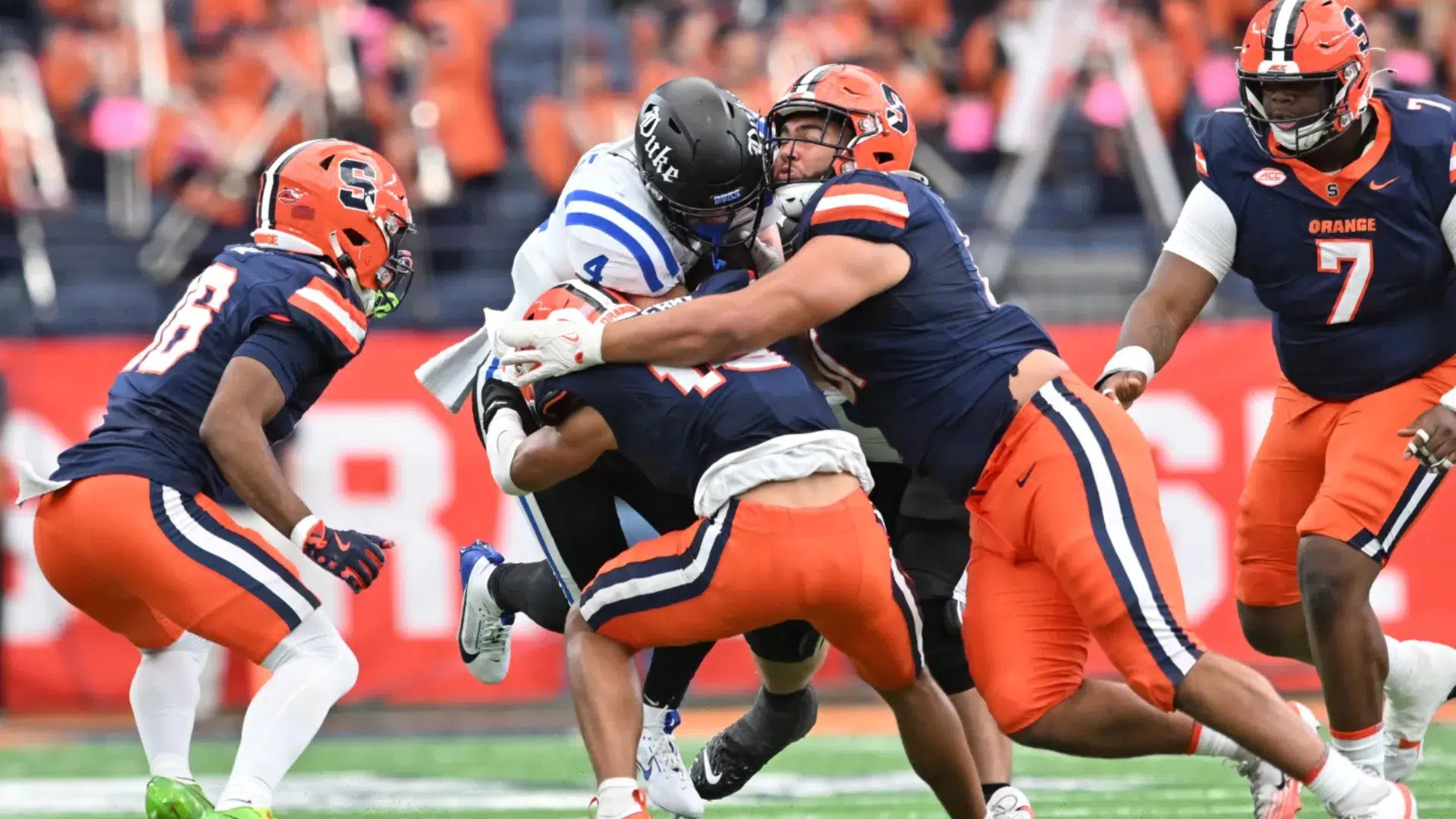
Football is not just about speed and strength. It is also about smart planning, especially on defense. As someone who covers tactics and breaking sports stories, I have seen how small adjustments can completely change a game. Coaches spend hours studying the offense and adjusting their defensive lineup based on the situation. One common adjustment is the dime package in football. It plays a big role in today’s strategy. If you have ever watched a game and heard an announcer say a team is “going to the dime,” you might have paused for a second. What does that really mean, and why does it matter? In this guide, you’ll learn what the dime package in football is, how it is set up, and why teams use it in key moments. By the end, you will understand when coaches use the dime package and how it stops the pass. What Is a Dime Package in Football? The dime package in football is a defensive formation that uses six defensive backs instead of the usual four. The name “dime” follows the same money theme as the nickel defense. Since a nickel equals five cents and adds one extra defensive back, a dime equals ten cents and adds two extra defensive backs compared to a base defense. In a standard 4-3 defense, a team has four defensive linemen, three linebackers, and four defensive backs. When a defense switches to a dime package, it usually removes one or two linebackers and replaces them with extra defensive backs. This creates a setup with six defensive backs on the field, which helps defend against passing plays. Teams mostly use the dime defense in clear passing situations, such as third-and-long. The extra defensive back gives better coverage against multiple wide receivers and helps limit deep passes. Key […]
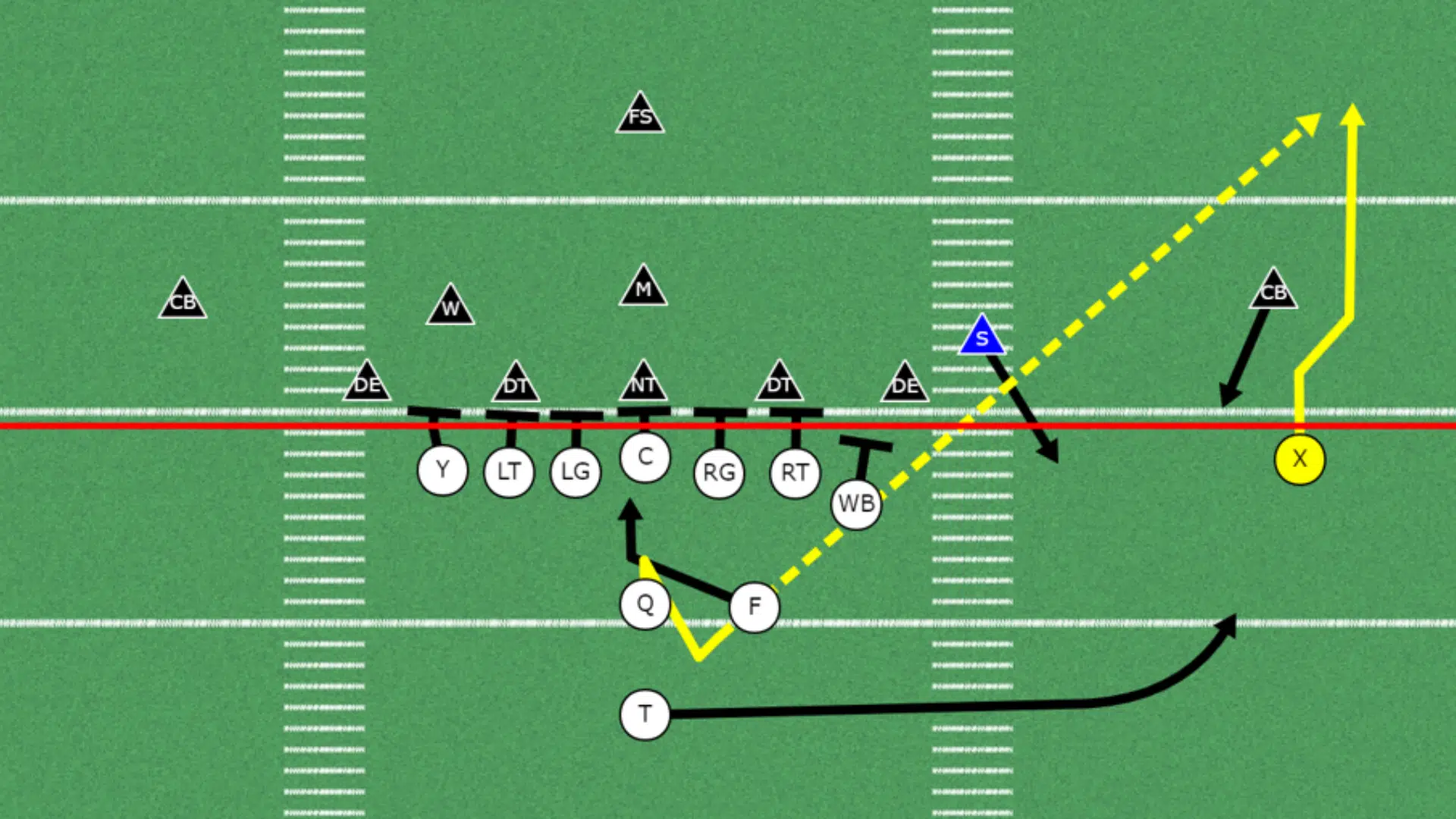
Football terms can feel confusing at first, especially when you hear something like RPO during a game. The action moves fast, and announcers often use short terms without much detail. That can leave you guessing. I have covered rule changes, play styles, and game trends for years, and I know how quickly new terms catch on. If you are trying to understand what RPO really means, you are in the right place. In this guide, I share what the RPO means in football. You will learn how the play works, why teams use it, and how it affects a quarterback’s decision after the snap. By the end, you will understand the strategy without needing a coaching background. What Does RPO Mean in Football? RPO stands for Run-Pass Option. It is an offensive play in football that gives the quarterback the choice to either hand the ball to the running back or throw a quick pass. The decision is made in real time, usually after observing how a specific defender reacts at the snap. In an RPO play, both the run and pass options are built into the same design. The offensive line blocks as if it were a running play, while receivers run short routes. The quarterback watches a key defender. If that defender moves toward the run, the quarterback throws the ball. If the defender stays back to defend the pass, the quarterback hands it off. This ability to choose between a run and a pass makes RPO different from many traditional plays. Instead of calling a fixed run or pass, the offense reacts to the defense. That flexibility is one reason RPO has become a major part of modern football. How does an RPO work in Football? An RPO combines a run play and a quick pass into […]

If you watch baseball often, you’ve probably heard announcers mention a slider. It’s one of the

I have worked in health and care for more than 15 years, and many people ask

With over 15 years in health and care, I often get asked a simple question: what

When people start following boxing, the first challenge is not the punches. It is the language.
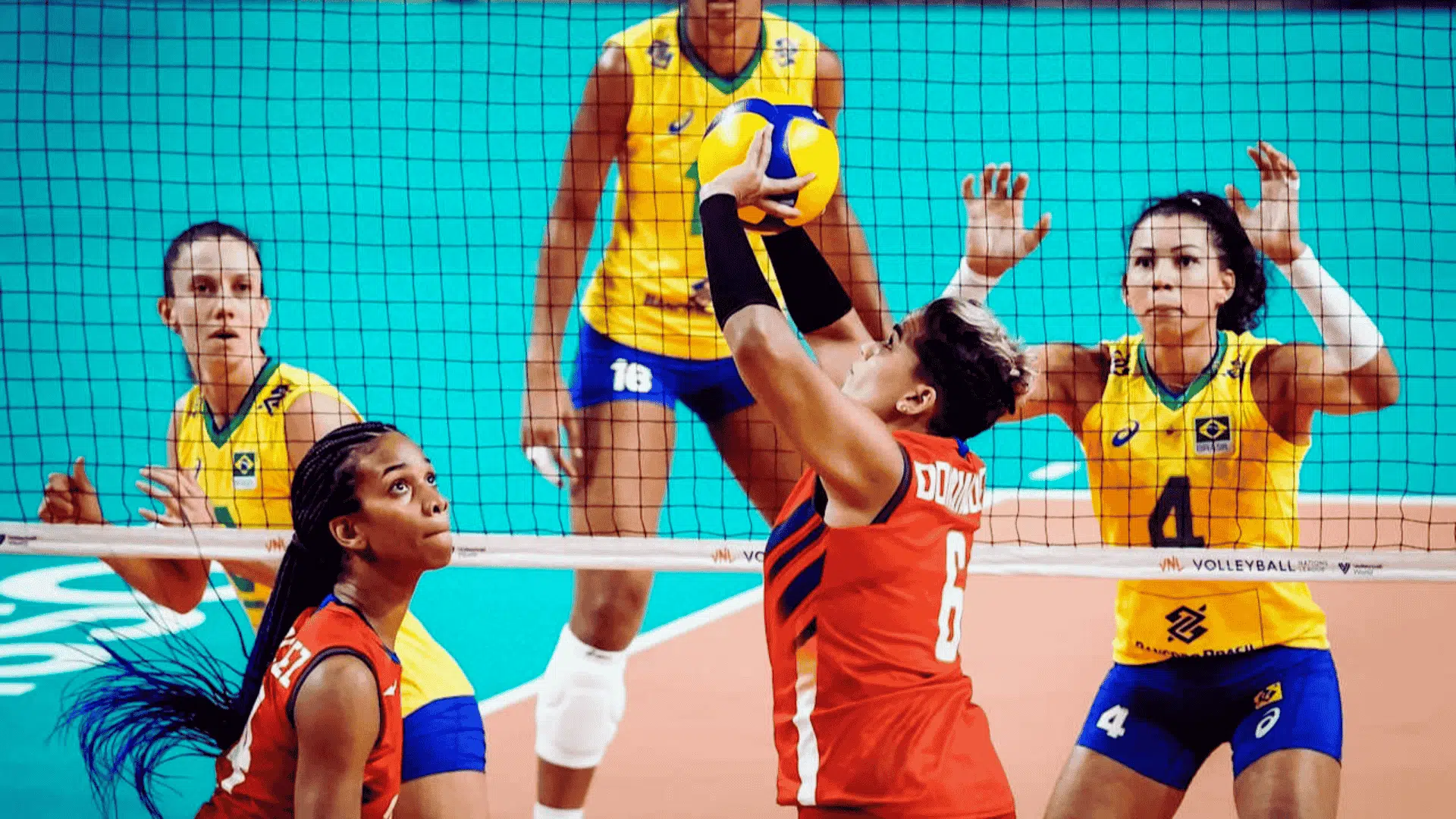
Getting started with volleyball can feel confusing at first. The game moves fast, and it is