June 26, 2026
Table of Contents 1. Tighten Up Your Daily Hygiene Habits 2. Use Heat and Light for Recovery Support 3. Build a Short Evening Wind-Down 4. Keep a Basic Morning Mobility Routine The Path Forward Implementing four low-effort recovery habits, including building an evening wind-down sequence, using thermal therapy, practicing morning mobility, and maintaining structured daily hygiene, directly prevents active lifestyle burnout and restores physical availability. This strategy separates adults who stay active for years from those who gradually stop moving due to accumulated tightness. Dedicated recovery applies equally to desk workers managing Thursday afternoon shoulder tension and weekend hikers waking up stiff on Monday, because the body requires scheduled downtime to process physical stress. Recovery is not an exclusive concept reserved solely for professional athletes managing heavy training blocks. Finding the right balance is often the difference between staying active long-term and burning out after a few busy weeks. Structuring a few reliable wellness habits into your schedule protects your joints and maintains motivation for future workouts. 1. Tighten Up Your Daily Hygiene Habits Dedicated oral care serves as an underrated component of a broader wellness framework. Consistent brushing, flossing, and tongue scraping require under three minutes, yet they actively protect your body’s primary entry point from heavy bacterial accumulation. These actions sit alongside companion hygiene pillars like daytime water intake and regular hand-washing to reinforce a foundational baseline of daily health. Maintaining these crucial micro-habits prevents minor systemic stressors from taxing the body while it attempts to repair muscle tissue. Upgrading the products used during these daily windows offers another practical layer of systemic support. Many people now audit their bathroom cabinets to reduce daily chemical exposure and simplify their personal care routines. For those refining their ingredient choices, fluoride-free toothpaste with hydroxyapatite from Wellnesse provides one resource option […]

The simplest tricks to boost confidence and stay active after 50 involve streamlining your get-ready routine, wearing distraction-free gear, carrying a reliable safety layer, and anchoring light movement to a small weekly social plan. Physical fatigue rarely stops older adults from leaving the house. Instead, the barrier is often the quiet self-consciousness that sets in right before departure. You might worry about your appearance, feel uneasy about not knowing anyone in the class, or hesitate to walk the neighborhood alone. Practical confidence tips focus on moving first, trusting that self-assurance naturally follows the action. 1. Streamline Your Get-Ready Routine An extensive appearance routine before a beginner fitness class quickly erodes your motivation. Spending time styling hair induces decision fatigue before you even start moving. Bypassing this friction requires quick physical shortcuts. Many women reach for natural-looking hair toppers from Daniel Alain to skip styling prep entirely. This single choice sends you out the door with one less task competing for your attention. Leaving your routine at the bare minimum preserves your focus for the exercise. By cutting mirror time in half, you reclaim the drive that anxiety previously drained. Pro Tip: Cutting your pre-workout mirror time in half doesn’t just save minutes, it reallocates mental energy directly to the physical effort, making you more present and less self-conscious. 2. Choose the Right Gear Ill-fitting clothing generates a mental commentary of tugging that competes with physical exertion. Your activewear must disappear into the background so your brain focuses on the route. Build a basic wardrobe around fabric breathability and reliable shoe support. Give your outfit a one-question test before leaving the house. Ask yourself if you will notice this specific clothing item while you walk. If a collar scratches, swap it immediately so physical comfort remains intact. 3. Add a Safety […]
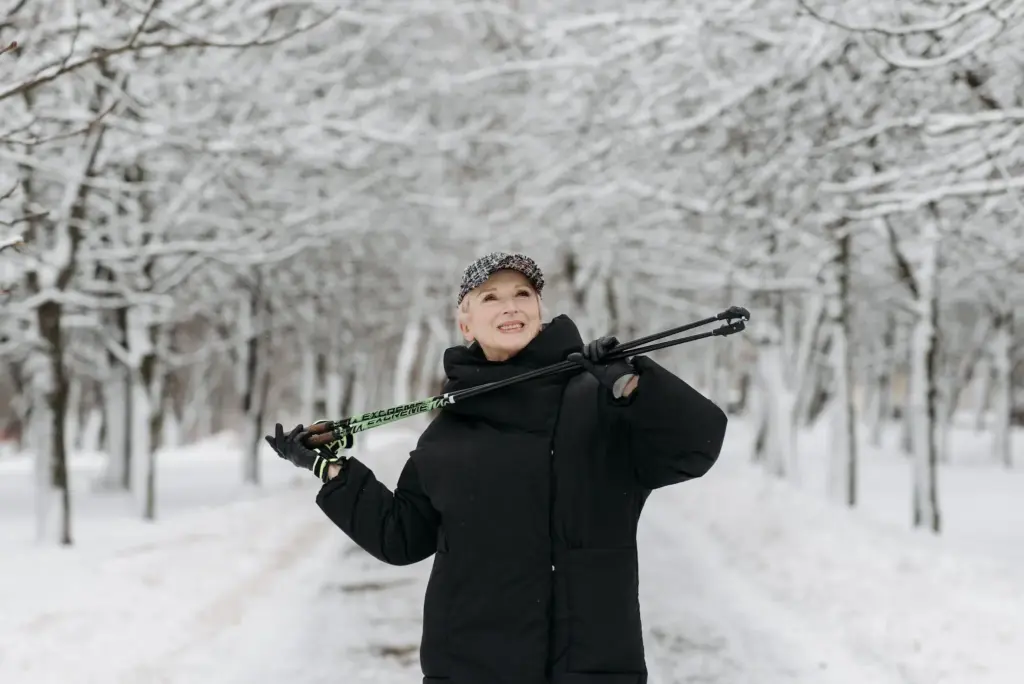
Table of Contents 1. Let The Weekend Do The Work 2. Ride Vehicles That Build Your Core 3. Turn Playground Visits Into Workouts 4. Swap Passive Hobbies For Active Replacements 5. Protect Your Joints For Consistent Movement The Path Forward Staying active without trying requires shifting your focus away from isolated physical routines and instead embedding moderate movement into enjoyable weekend hobbies, family outings, and outdoor recreational spaces. Most adults associate physical activity with obligation and sacrifice rather than leisure. Currently, only about 1 in 5 U.S. adults meets the CDC’s recommended 150 minutes of moderate physical activity per week, yet many outdoor hobbyists easily exceed this threshold naturally. Adopting a few accessible outdoor strategies allows you to accumulate substantial weekly movement. It turns out, Saturday is already doing more work than you think. 1. Let the Weekend Do the Work You accumulate incidental physical activity as a natural byproduct of enjoyable tasks like hiking a dirt path, loading a kayak, or walking through a park. Completing two active weekend days containing 75 minutes of moderate outdoor engagement helps you join the 47.2% of adults who currently meet the federal aerobic guidelines before Monday morning arrives. Families tend to stay longer at public parks that offer physical comfort and protection from the elements. Resting under WillyGoat’s UV-resistant shade structures between active play intervals keeps everyone cool, which directly extends the amount of time you spend moving outdoors. Swapping just 90 minutes of weekend couch streaming for a casual trail walk burns approximately 300 to 400 additional calories while keeping your cardiovascular system engaged. Spontaneous weekend outings to a local nature reserve or a Saturday market easily push your daily step count past the 3,000 mark. Key Insight: Two active weekend days, each yielding 75 minutes of moderate outdoor fun like walking a […]

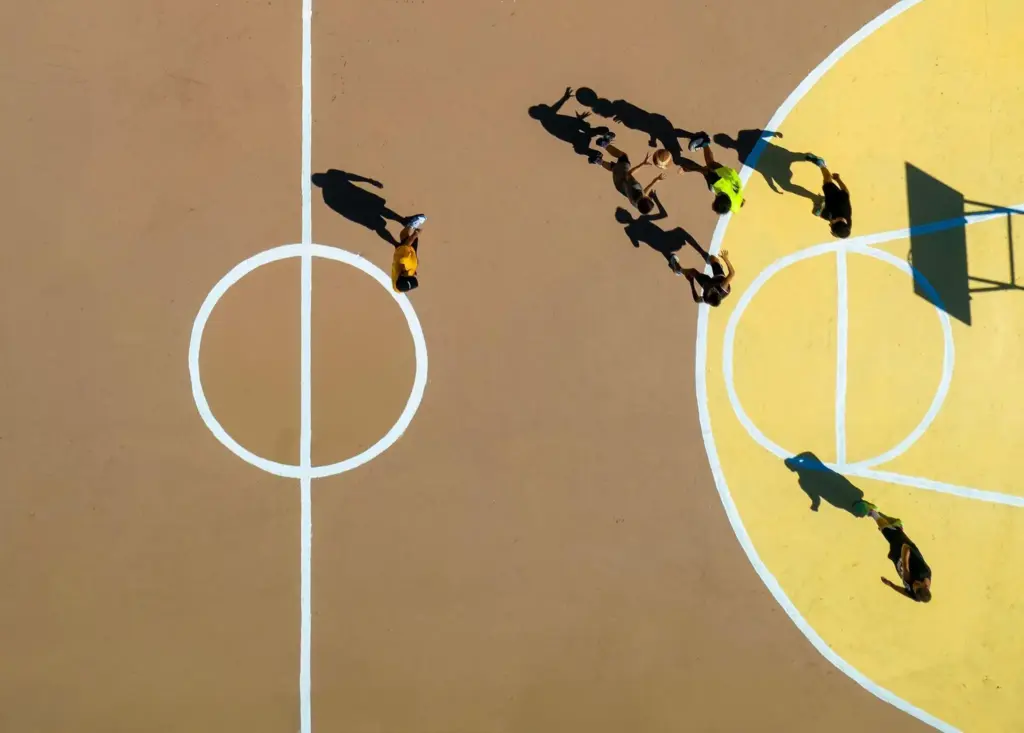
Table of Contents 1. Grab the Right Fabric Without Overthinking 2. Lock In a Fit That Moves With Your Players 3. Get Customization That Lasts 4. Balance Style and Budget for Your Roster The Bottom Line A reliable team jersey guide requires four exact choices: securing moisture-wicking fabric, matching athletic fit to player movement, applying dye-infused printing, and utilizing no-minimum purchasing models. These four specifications eliminate the ordering guesswork for parents coordinating custom gear under tight deadlines. Picture a rec league captain standing in a gym parking lot, fielding rapid text messages from twelve different parents about sizes, colors, and number placements. Coordinating youth basketball gear usually falls on volunteers who possess modest budgets and zero time to study apparel manufacturing. You bypass the technical overwhelm by relying on straightforward shortcuts when picking uniforms under pressure. 1. Grab the Right Fabric Without Overthinking The right fabric creates the foundation for breathable sports uniforms. Teams exploring custom-themed basketball jerseys from Sports Gear Swag will find that flexible ordering models provide professional-quality materials for both small groups and larger teams. Once you establish a reliable purchasing baseline, your immediate focus must shift to the textile itself. Modern athletic garments rely on moisture-wicking materials that actively pull sweat away from the skin instead of absorbing it like traditional cotton. Research confirms the moisture-wicking properties of polyester, demonstrating that relative humidity drops more rapidly after exercise ceases when compared to cotton. These specialized synthetic materials resist water retention, allowing sweat to evaporate rapidly rather than weighing down the garment. Heavy cotton blends trap heat against the body. This restricts ventilation and physically slows players down as the game progresses. Because younger athletes often struggle to regulate their body temperature during intense play, securing advanced fabrics is especially vital for youth basketball gear. 2. Lock in a […]