
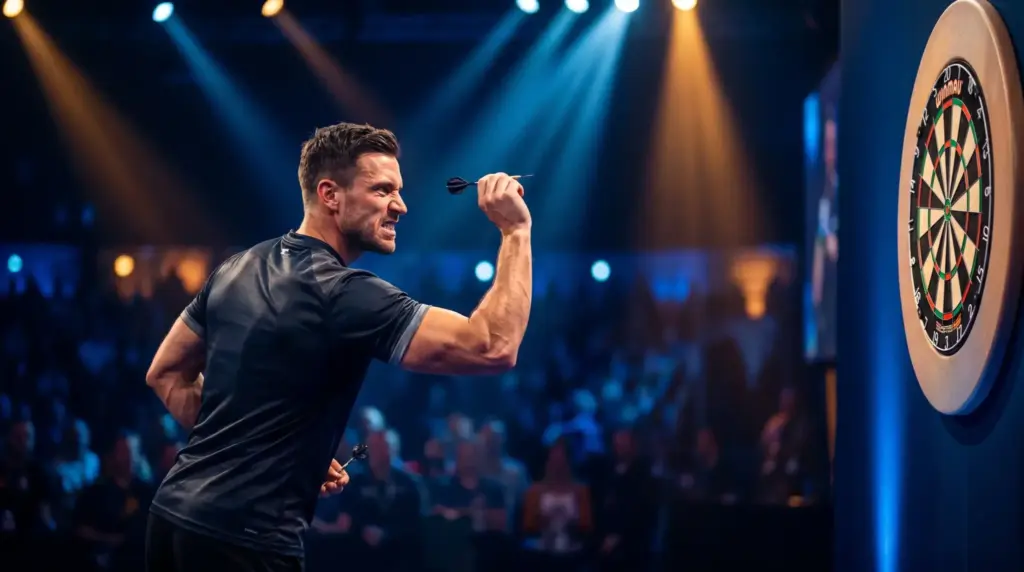




Darts has always had that pub-sport reputation, but the modern game looks very different. Walk into any major tournament now, and you’ll see players treating it less like a casual throwaround and more like a full professional discipline. Training, preparation, and even physical conditioning have become part of the standard routine for those chasing consistency on the big stage.
As the sport evolves, the role of physical preparation is becoming harder to ignore, especially when looking at how players now approach long-format events and back-to-back matches. In fact, this is now being reflected in the latest darts scores and results, with fitter players often showing stronger finishes in deciding legs and maintaining accuracy deep into matches. It’s not just about throwing darts anymore; it’s about having the energy and focus to do it repeatedly under pressure without dropping off.
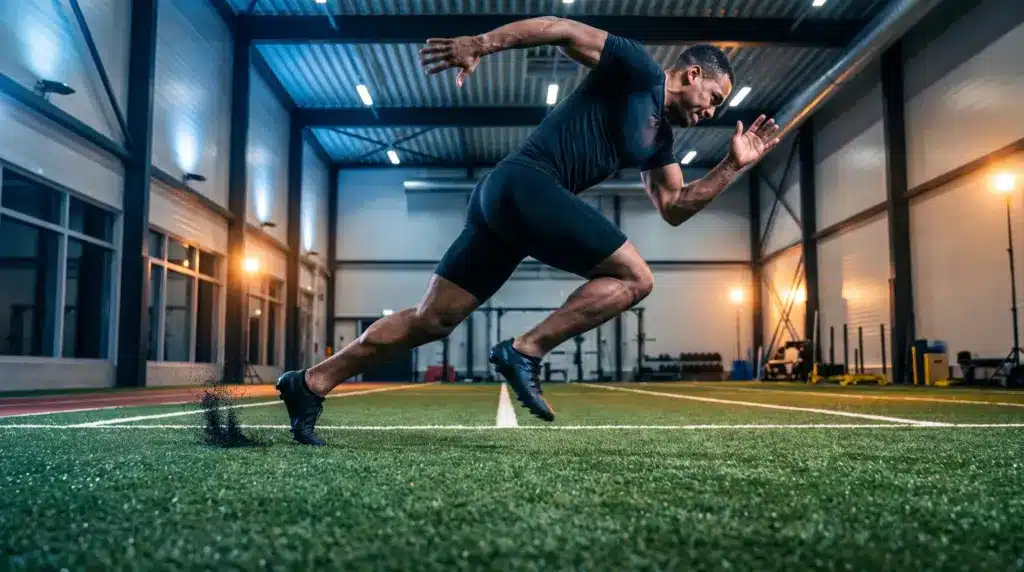
One of the biggest shifts is how fitness supports overall performance. Stamina is a major factor in tournaments where matches can stretch for hours, and even small dips in energy can affect accuracy. Strength and flexibility also help reduce strain from the repeated throwing motion, which quietly builds up over time. On top of that, regular exercise has been linked to sharper concentration, something that matters massively when every visit to the board can swing a game.

You can also see how different players have embraced this change in their own way. Gerwyn Price is one of the clearest examples, bringing his athletic background into the sport and showing how physical conditioning can translate into a competitive edge. Players like Michael van Gerwen have also spoken about maintaining sharp focus through structured routines, while professionals such as Rob Cross and Adrian Lewis have highlighted how improving fitness helped their consistency on stage. Even legends like Phil Taylor have reflected on how modern preparation methods might have extended dominance at the top level.
This shift is not just limited to the elite circuit either. Amateur players are starting to pick up on it too, especially those who compete in local leagues or spend long sessions practising. Simple fitness routines, better posture, and light cardio work are becoming more common among club players who want to avoid fatigue and keep their throwing form steady across an entire evening of play. It’s less about becoming an athlete overnight and more about building habits that support better darts.
Looking ahead, fitness feels like it will only become more embedded in the sport. As tournaments grow longer and competition gets tighter, the smallest advantages will matter even more. Players who can stay physically steady as well as mentally calm are likely to separate themselves from the rest. Darts might still look simple from the outside, but behind the scenes, it is clearly becoming a game where physical preparation plays a real part in who comes out on top.