
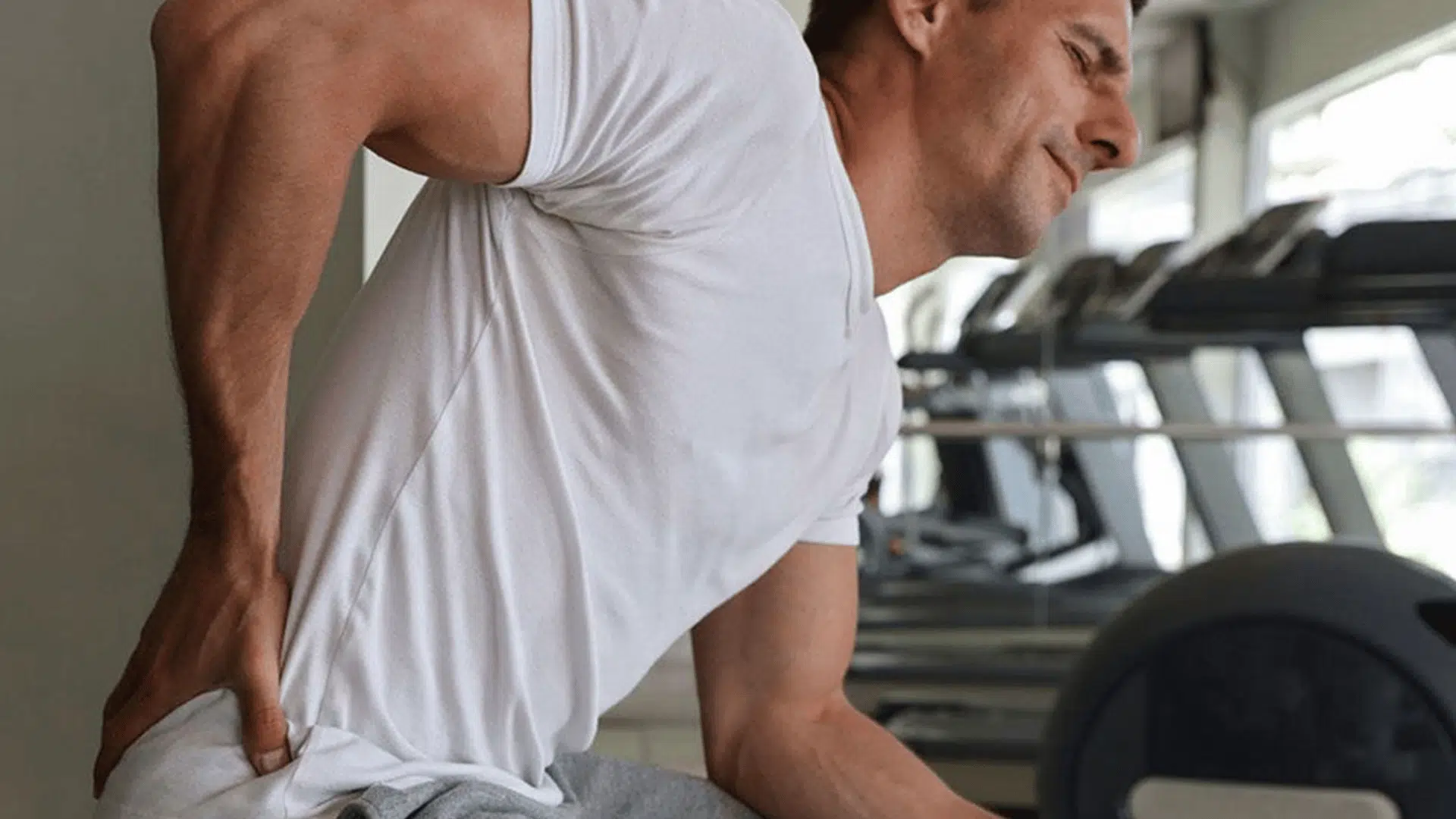




After a hard workout, it’s common to wake up feeling sore and wonder if that pain means your muscles are growing. I used to think soreness always meant I had a great workout, but that is not completely true.
Sometimes sore muscles are part of progress, and other times they simply mean your body is adjusting to a new activity or recovering from extra strain.
In this guide, I’ll explain what muscle soreness really means and answer the common question, “Do sore muscles mean you’re building muscle?”
You’ll learn what causes soreness, how muscle growth actually works, and how recovery affects your results, along with simple tips to reduce soreness and recover better after workouts.
By the end, you’ll have a clearer understanding of what your body is really telling you after exercise.
Do Sore Muscles Really Mean Muscle Growth?
No, sore muscles do not always mean muscle growth, though mild soreness can indicate that your muscles were challenged during exercise.
The confusion is understandable because soreness and muscle growth both start with muscle stress.
But they are separate physiological processes. Soreness is primarily an inflammatory response to tissue micro-damage.
Muscle growth, or hypertrophy, results from a sustained training stimulus combined with adequate protein intake and recovery. You can have one without the other.
Experienced athletes often build significant muscle while feeling minimal soreness, simply because their tissues have adapted to training stress over time.
What actually drives muscle growth is progressive overload, consistent training, protein synthesis, and sleep.
Soreness is a side effect, not a marker of progress. Chasing soreness is a common mistake I see in new patients, and it often leads to overtraining or injury rather than faster gains.
What Causes Sore Muscles After Workouts?
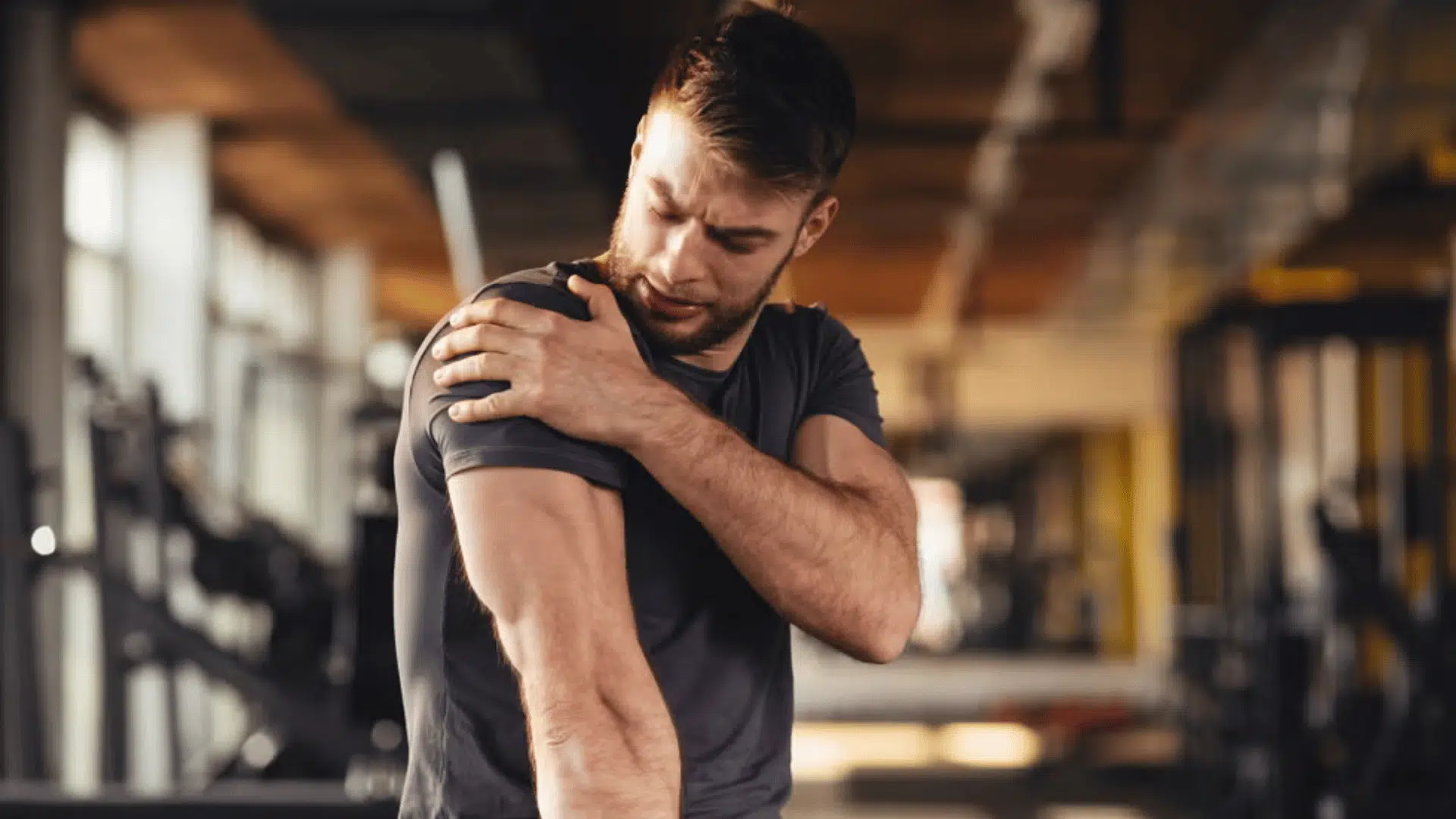
Muscle soreness after workouts is common and usually happens because your muscles are repairing and adapting to physical activity.
1. Tiny Muscle Tears
During workouts, your muscles go through stress that creates very small tears in the muscle fibers. This is a normal part of exercise and happens more during strength training or hard physical activity.
Your body repairs these tears during recovery, which helps muscles become stronger over time.
While the healing process happens, you may feel soreness, tightness, or tenderness in the worked muscles.
This type of soreness is usually temporary and often improves within a few days as your muscles recover and adapt to the training load.
2. Inflammation After Exercise
When muscles are stressed during exercise, the body responds with inflammation to help repair damaged tissue.
Extra blood flow, fluids, and repair cells move to the area, which can cause swelling, stiffness, and soreness after workouts.
This process is a natural part of recovery and helps muscles heal properly. You may notice soreness becoming stronger one or two days after exercise, especially after intense training sessions.
Mild inflammation is normal, but proper rest, hydration, and balanced nutrition can help reduce discomfort and support faster recovery after physical activity.
3. Trying New Workouts
Trying a new workout or changing your exercise routine can make muscles feel sore because the body is not used to those movements.
Different exercises challenge muscles in new ways and activate muscle groups that may not get regular use. Even light activity can cause soreness if the movement is unfamiliar.
This often happens when starting a fitness program, increasing workout variety, or returning to exercise after a long break.
As your body adapts to the new activity, soreness usually becomes less noticeable, and recovery tends to improve with consistent training.
4. High-Intensity Training
High-intensity workouts place extra stress on muscles, which can lead to greater soreness during recovery.
Activities like heavy weightlifting, sprinting, jumping, or long workout sessions demand more effort from the muscles and increase physical strain.
This stress can create more muscle damage and inflammation, especially if the workout is harder than usual. Soreness after intense training is common and may last longer than soreness from lighter exercise.
Giving your body enough recovery time between hard workouts helps muscles heal properly and lowers the chance of excessive fatigue or discomfort.
5. Lack of Proper Recovery
Recovery plays a major role in how muscles heal after exercise. Without enough sleep, hydration, rest, and healthy food, the body may struggle to repair muscle tissue properly.
This can make soreness last longer and leave muscles feeling stiff or weak. Overtraining without recovery days may also increase fatigue and reduce workout performance over time.
Drinking enough water, eating protein-rich meals, and getting quality sleep can help support muscle repair.
Proper recovery habits also lower the risk of injury and help your body feel ready for future workouts.
What Is Delayed Onset Muscle Soreness (DOMS) and Why Does It Happen?
Delayed Onset Muscle Soreness, often called DOMS, is muscle pain and stiffness that appears several hours after intense physical activity.
It usually starts within 12 to 24 hours after exercise and peaks around 24 to 72 hours later.
DOMS is well-documented in the sports medicine literature. The soreness results from a combination of micro-tears in muscle fibers, localized inflammation, and sensitization of the pain-sensing nerves in the surrounding tissue.
It is more pronounced after eccentric-dominant exercises and activities that the body hasn’t performed before.
The fact that DOMS diminishes with repeated exposure to the same exercise is known as the “repeated bout effect,” and it is one of the clearest demonstrations that soreness reflects adaptation, not growth.
Exercises involving slow lowering movements, such as squats or downhill running, often place greater stress on the muscles.
This repair process helps muscles adapt and become stronger over time, which is why DOMS is often linked with intense training sessions.
Common Symptoms of DOMS
The symptoms of DOMS usually appear after intense or unfamiliar exercise and can affect daily movement and comfort.
1. Stiffness in Muscles
Muscle stiffness is one of the most common symptoms of DOMS and can make simple movements feel uncomfortable.
After exercise, muscles may feel tight and less flexible, especially when bending, stretching, or changing positions.
This stiffness usually affects the muscles used most during the workout and may become stronger after resting for long periods. People often notice it when getting out of bed, walking, or standing after sitting for a while.
Gentle stretching, light movement, and proper recovery habits can help reduce stiffness as muscles gradually heal and regain flexibility.
2. Swelling After Exercise
Swelling can happen after workouts because muscles experience tiny tears during exercise. The body responds by sending fluids and repair cells to the affected area, which may create mild swelling and tightness.
This is a normal part of muscle recovery and usually improves within a few days.
Swollen muscles may feel firm, tender, or slightly heavier than usual after intense physical activity. The swelling is often more noticeable after strength training or unfamiliar exercises.
Rest, hydration, and light movement may help reduce discomfort while supporting the body’s natural muscle repair process.
3. Pain During Movement
Pain during movement is a common symptom of DOMS and often appears when muscles are used after exercise.
Activities like walking, climbing stairs, sitting down, or lifting objects may feel more difficult because the muscles are sensitive and recovering.
The pain is usually dull or aching rather than sharp and often affects the muscles worked during training. This soreness can limit comfort during daily tasks for a short time.
Light activity, stretching, and enough rest may help ease the discomfort while muscles continue repairing and adapting after physical exercise.
4. Reduced Muscle Strength
Temporary muscle weakness can happen during DOMS because sore muscles may not work at their normal strength while recovering.
Everyday activities like carrying groceries, standing up, or exercising again may feel more tiring than usual. This weakness is often short-term and improves as muscles heal from workout stress.
People who are new to exercise or returning after a long break may notice it more strongly. Rest and proper nutrition help muscles regain strength over time.
Avoiding excessive training during recovery can also help prevent longer-lasting soreness and fatigue after workouts.
How to Reduce DOMS?
Muscle soreness can feel uncomfortable, but simple recovery habits may help your body feel better faster. Small changes in your routine can also support muscle healing after workouts.
- Rest and Recovery: Giving your muscles enough time to recover helps reduce soreness and supports proper healing after intense physical activity or strength training sessions.
- Stay Hydrated: Drinking enough water helps muscles function properly and may reduce stiffness, fatigue, and discomfort during the recovery period after exercise.
- Light Movement: Gentle activities like walking, stretching, or yoga can improve blood flow and help sore muscles feel less tight and stiff afterward.
- Eat Balanced Meals: Protein, healthy carbs, and nutrient-rich foods support muscle repair and help the body recover more effectively after workouts.
- Get Enough Sleep: Quality sleep allows the body to repair damaged muscle tissue and restore energy levels needed for physical recovery and daily activities.
- Use Warm or Cold Therapy: Warm showers, heating pads, or ice packs may help ease muscle discomfort and reduce tightness after exercise sessions.
- Increase Workout Intensity Slowly: Gradually increasing exercise intensity gives muscles time to adapt and may lower the chances of severe soreness after workouts.
Difference Between DOMS And Injury Pain
Although DOMS and injury pain may feel similar at first, they have different causes, symptoms, and recovery patterns.
| Feature | Muscle Soreness (DOMS) | Injury Pain |
| Pain Timing | Starts hours after intense or unfamiliar exercise sessions. | Happens suddenly during sports, lifting, or physical strain. |
| Pain Feeling | Feels dull, tight, tender, or achy after exercise. | Often feels sharp, severe, stabbing, or intensely painful. |
| Affected Area | Usually affects multiple muscles used during physical workouts. | Normally affects a specific muscle, joint, or tendon. |
| Duration | Lasts several days before muscles recover naturally afterward. | May continue longer without proper rest or medical treatment. |
| Movement | Muscles feel stiff, but movement stays mostly manageable afterward. | Movement becomes painful, limited, difficult, or uncomfortable afterward. |
| Swelling | Mild swelling may appear from temporary muscle inflammation afterward. | Bruising or heavy swelling often develops around injured areas. |
| Recovery | Rest, stretching, hydration, and sleep naturally support recovery afterward. | Some injuries require therapy, medications, or medical treatment support. |
Should You Work out When Sore?
Yes, you can work out when sore if the soreness feels mild and manageable. Light exercises such as walking, stretching, yoga, or easy cycling may improve blood flow and help muscles feel less stiff.
Many people call this “active recovery” because gentle movement can support muscle healing.
However, intense workouts on very sore muscles may increase discomfort, slow recovery, and raise the risk of injury.
If the pain is sharp or severe, or if it affects normal movement, the body may need extra rest before exercising again. Giving muscles enough time to recover is important for strength and performance.
Switching to different muscle groups or taking a recovery day can help the body heal while still staying active and healthy overall.
Best Ways to Relieve Sore Muscles After Exercise
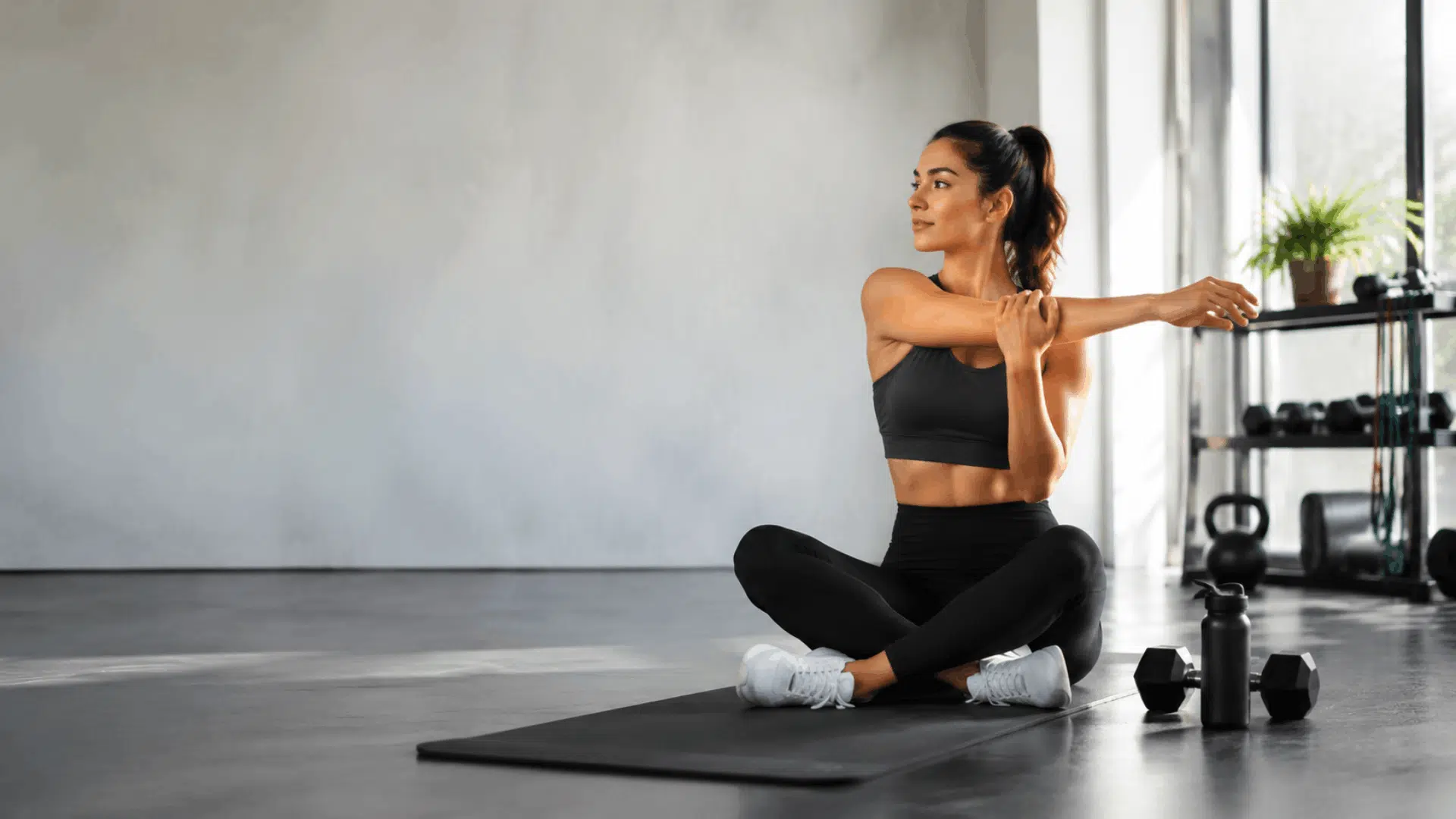
Muscle soreness after exercise is normal and often improves as muscles recover, repair, and adjust to physical activity over time.
- Light Stretching: Gentle stretching improves flexibility, reduces muscle tightness, and helps reduce stiffness commonly experienced after physical exercise.
- Stay Hydrated: Drinking enough water supports muscle function, reduces cramps, and helps the body recover more effectively after intense workouts.
- Foam Rolling: Foam rolling relaxes tight muscles, improves blood circulation, and naturally helps reduce discomfort from post-workout muscle soreness.
- Warm Baths or Heat: Applying heat relaxes muscles, improves circulation, and reduces tightness and discomfort after intense physical activity or training sessions.
- Proper Sleep: Quality sleep helps the body repair muscles, restore energy levels, and improve overall recovery after exercise and training sessions.
Signs Your Muscles Are Recovering Properly
Proper muscle recovery is important because it helps your body heal, regain strength, and prepare for future workouts more effectively.
| Sign | Explanation |
| Reduced Muscle Soreness | Less pain and stiffness show muscles are healing properly. |
| Improved Energy and Movement | Better energy and smoother movement suggest good recovery. |
| Reduced Tightness and Stiffness | Muscles feel looser and more comfortable during movement. |
| Better Workout Performance Over Time | Improved performance shows muscles are adapting to training. |
| Quality Sleep Patterns | Good sleep supports muscle repair and recovery. |
| Stable Strength Levels | Normal strength levels indicate healthy muscle recovery. |
Common Workout Mistakes that Cause Extreme Soreness
Extreme muscle soreness often results from simple workout mistakes that put extra stress on muscles and slow recovery.
- Skipping Warm-Up Exercises: Starting workouts without warming up can leave muscles tight and unprepared, leading to increased soreness after physical activity.
- Increasing Workout Intensity Too Quickly: Sudden increases in exercise intensity can overload muscles, leading to more intense soreness and longer recovery periods.
- Using Incorrect Exercise Form: Poor workout technique places extra strain on muscles and joints, causing discomfort and unnecessary muscle stress.
- Not Taking Enough Rest: Muscles need time to recover after exercise. Without proper rest, soreness and fatigue may worsen.
- Lifting Weights That Are Too Heavy: Using weights beyond your current ability can overwork muscles and lead to increased soreness after training sessions.
When to Seek Professional Help?
You should seek professional help if the pain is severe, lasts longer than a week, or keeps getting worse instead of improving.
Muscle soreness after exercise is usually normal, but some symptoms may require medical attention.
Swelling, heavy bruising, numbness, sharp pain, or difficulty moving could be signs of an injury rather than normal muscle soreness.
Dark-colored urine, extreme weakness, or fever after intense exercise may also indicate a serious condition called rhabdomyolysis.
If soreness prevents normal daily activities or recurs after light exercise, a healthcare professional can help identify the cause and recommend appropriate treatment.
Healthy Recovery Habits for Muscle Building
Healthy recovery habits help muscles heal, grow stronger, and prepare the body for future workouts and physical activity.
- Getting Enough Sleep: Good sleep helps muscles repair and provides the energy needed for proper recovery after tough workouts.
- Eating Enough Protein and Healthy Meals: Protein and balanced meals help rebuild muscles, restore energy, and support healthy muscle growth over time.
- Drinking Enough Water: Staying hydrated helps muscles work properly, reduces cramps, and supports faster recovery after exercise and physical activity sessions.
- Creating a Balanced Workout Schedule: A balanced routine with rest and active recovery helps prevent overtraining and supports more effective muscle recovery.
- Building Long-Term Healthy Habits: Consistent exercise, proper recovery, and healthy routines support safer muscle growth and better workout performance over time.
Conclusion
Muscle soreness after workouts is uncomfortable but usually a normal part of recovery and muscle growth.
Understanding why soreness happens, how to manage it, and when it may signal a problem can help you exercise more confidently and safely.
Instead of fearing sore muscles, focus on giving your body proper rest, hydration, nutrition, and recovery time.
Remember, progress does not always come from pushing harder every day, but from training smart and allowing your body to heal properly.
Everyone experiences muscle soreness differently, and recovery varies from person to person.
Have you ever experienced severe soreness after a workout? Share your experience and recovery tips in the comments below.
Frequently Asked Questions
Why Beginners Feel More Muscle Soreness?
Beginners often feel more soreness because their muscles are not used to the stress of exercise, leading to greater muscle damage and inflammation after workouts.
Can You Build Muscle without Feeling Sore?
Yes, muscle growth can happen without soreness because consistent training, recovery, and progressive overload matter more than soreness itself.
How Long Should Muscle Soreness Last?
Normal muscle soreness usually lasts 24 to 72 hours and gradually improves as muscles naturally recover after exercise and physical activity.