May 11, 2026
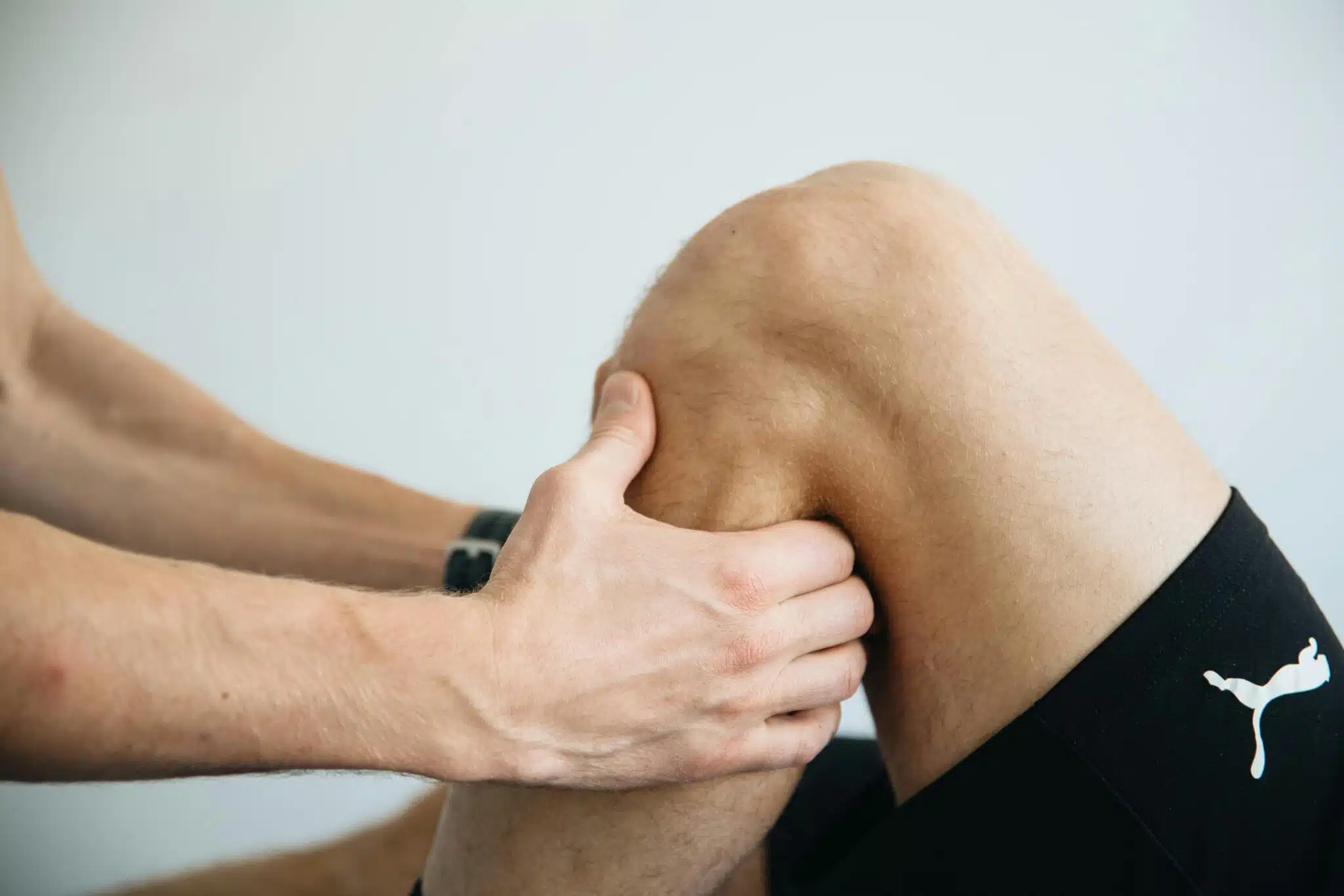
Recovering from a lower-body sports injury challenges both physical healing and daily functioning. The sudden loss of athletic ability paired with the need for proper support makes selecting appropriate equipment a critical step. Whether dealing with a severe ankle fracture or a complicated surgical repair, your choice of mobility aid directly influences the protection of the injured area, the restoration of your gait, and the level of independence you can maintain while healing. For active individuals requiring strong support without sacrificing convenience, portable wheelchairs deserve serious consideration during the most restrictive phases of recovery. Before selecting any device, expert advice is essential. A foot and ankle surgeon can evaluate the injury’s extent, establish your weight-bearing status, and recommend a device tailored to the specific demands of your condition. Using a mobility aid without professional guidance risks causing stress on healing tissue, misalignment, or even a secondary injury. Weight-Bearing Status Comes First Determining your weight-bearing classification is the starting point for choosing the right mobility aid. This classification, assigned by your surgeon or orthopedic specialist, relies on imaging results, surgical findings, and the type of damaged tissue. Non-weight-bearing (NWB) means no load on the injured limb, typically prescribed after complex fractures or ligament reconstruction. Touch-down weight-bearing (TDWB) allows the foot to rest on the floor for balance but does not transfer body weight through the leg. Partial weight-bearing (PWB) permits a controlled percentage of body weight on the limb, often increased gradually as healing progresses. Weight-bearing as tolerated (WBAT) lets patients load the limb based on their comfort level. Each status corresponds with a specific category of mobility device. For instance, using a cane during NWB can jeopardize a healing fracture or tendon repair. This classification directs safe recovery through clear clinical boundaries. Crutches Crutches remain the most frequently prescribed device […]
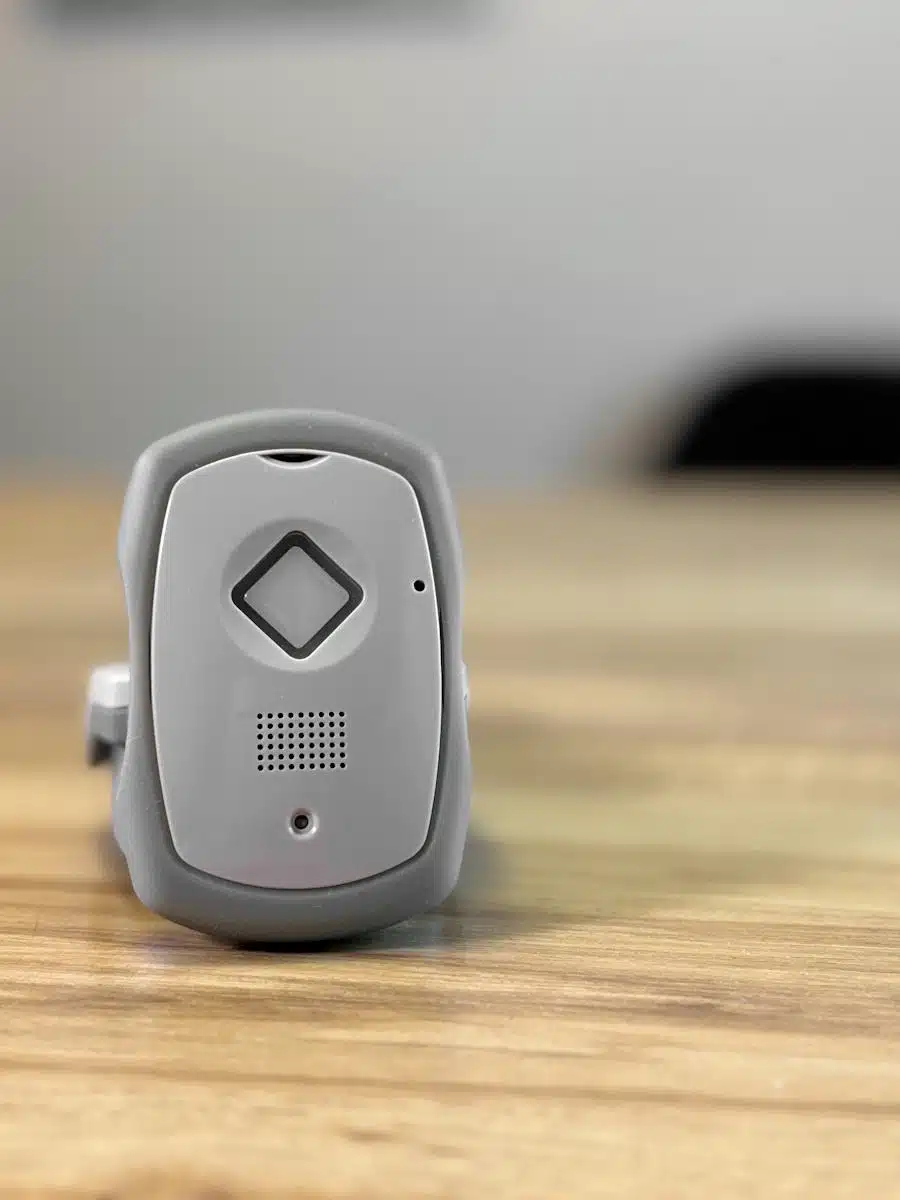
Active older sports fans face a medical-alert conversation that often arrives around a family birthday, an unexpected fall, or a quiet moment of household-safety planning. The category covers wearable pendants, GPS-enabled mobile devices, fall-detection hardware, and base-station systems that together form a modern monitoring stack. The choice of device sits at the intersection of clinical-quality monitoring, comfortable wearable design, and fit with an active life. The right specialist reads the household’s specific routine, mobility, and risk profile before recommending a setup. The same disciplined evaluation that informs other consequential household decisions translates to medical-alert selection. Specialist providers like Life Assure illustrate the multi-format depth active older adults should look for, with practice focus across home-base, mobile GPS, pendant, and wristband configurations. A medical alert device is a wearable or stationary unit that connects the user to a 24/7 monitoring centre with a single-button press, fall-detection, or voice-activated trigger. The decision rewards a few hours of structured homework before signing on with a provider. Why Has Medical Alert Selection Become More Strategic? Three structural shifts have moved medical-alert selection into more strategic territory for active older adults. The first is the fall-detection technology shift. Modern accelerometer-and-AI fall detection produces materially fewer false positives than the prior generation of devices. The second is the active-life expectation shift. Modern older adults expect to maintain travel, golf, walking, gym, and household activity well into their seventies and eighties. The third is the mobile-network maturation. The same long-horizon thinking visible in coverage of Pac 12 expansion and 2026 sports plans carries through to the medical-alert decision. What Should Active Older Adults Verify Before Signing On? Six criteria belong on every shortlist. The table below summarises what active older adults should weigh before commitment. Criterion What to Verify What a Strong Answer Looks Like Monitoring centre […]
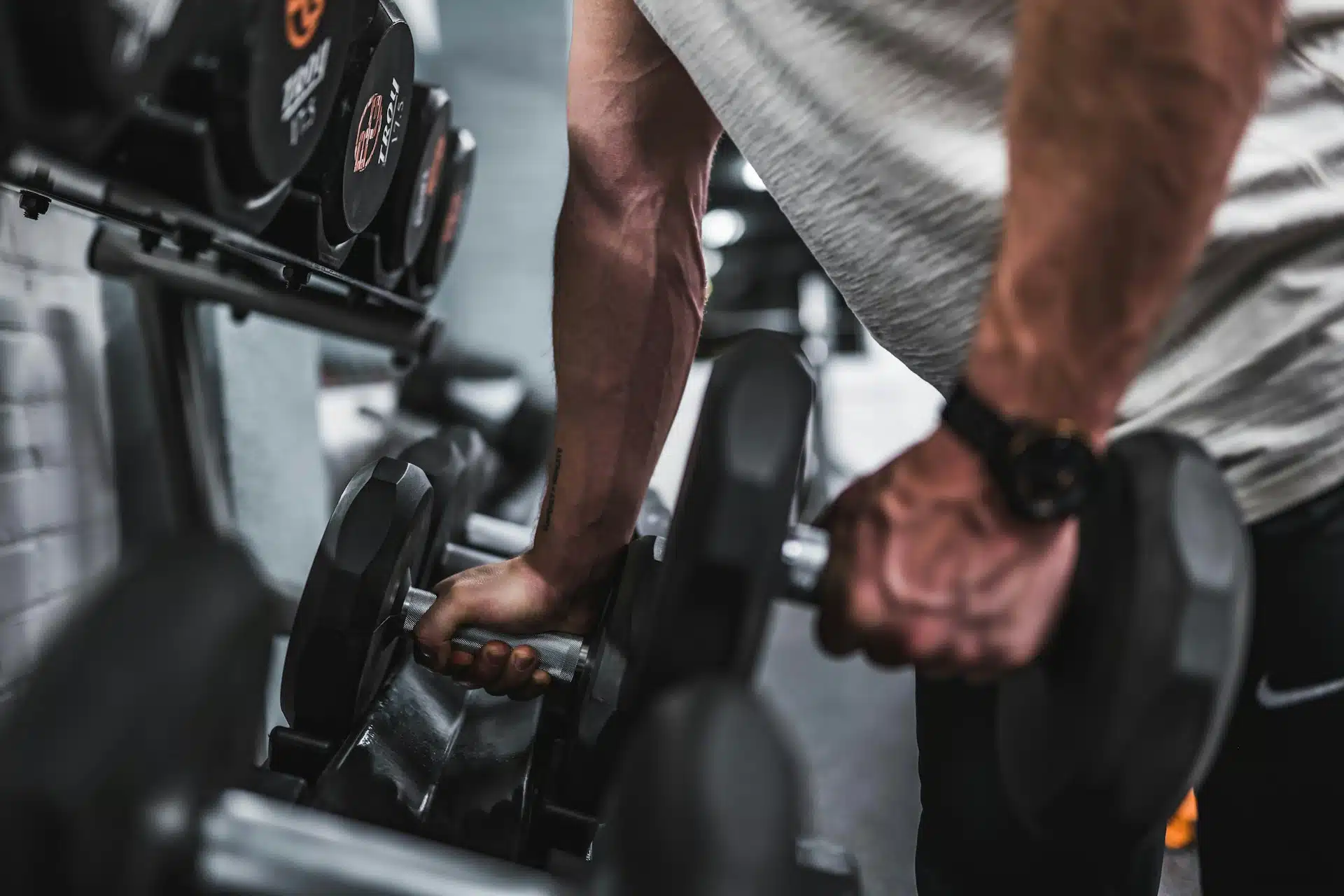
Trying to squeeze in a workout when your calendar’s already full? Yeah, it’s tough. Most of us want results—just not at the cost of spending endless hours at the gym. Here’s the thing: this workout mixes two super effective tools to help you burn fat and build strength in just 20 minutes. Not bad, right? Stair climbers torch calories and seriously work your lower body. Add dumbbells and suddenly your upper body gets in on the action—now you’ve got a full-body fat-loss workout. When you put both together, you’re training pretty much everything and keeping your heart rate up. It’s a huge time-saver and honestly, you’ll see better results than splitting up cardio and weights. But, you’ve gotta know what you’re doing—right technique, smart structure. That’s how you stay safe, avoid tweaking something, and actually get the most out of every minute. This guide breaks down exactly how to set up your 20-minute session for max fat loss. Ready? Essential Techniques for Safe and Effective Training Getting the most out of your workout comes down to using good form—both on the stair climber and with dumbbells. Sloppy technique? That’s how you get hurt and end up burning way fewer calories than you could. Proper Stair Climber Form and Posture Stand up tall—shoulders back, core tight. Lift your chest and keep your eyes forward (seriously, don’t stare down at your feet). Make sure your whole foot lands on each step. It’s tempting to stay up on your toes, but that just overloads your calves and cheats your glutes and hamstrings out of work. Try not to lean on the handrails. A light touch for balance is fine, but if you’re gripping for dear life or putting your weight on them, you’re making it way too easy—and burning fewer calories. Quick posture […]