
Sports Fundamentals
In competitive cheerleading, music isn’t just background noise—it’s the backbone of every routine. The right track can synchronize movements, amplify energy, and turn a good performance into an unforgettable one. That’s why premade cheer music has become a staple for teams at every level, from high school squads to elite all-star programs. Unlike custom mixes that require weeks of production and significant budget, premade tracks offer professional-quality sound design at a fraction of the cost and turnaround time. These ready-to-use compositions feature precisely timed tempo changes, motivational voiceovers, and sound effects engineered specifically for cheerleading’s unique demands. But their value extends beyond competition day—coaches increasingly rely on premade music to structure warm-ups, sharpen focus, and build team cohesion during practice. This article examines how premade cheer music evolved into an industry standard, why it’s particularly effective for warm-up routines, and what teams should consider when selecting tracks. We’ll also address the legal complexities surrounding competition music and highlight emerging trends reshaping the genre. From Chants to Choreographed Soundtracks: The Evolution of Cheer Music Cheerleading’s musical journey mirrors the sport’s transformation from sideline entertainment to athletic competition. Early squads relied on simple call-and-response chants, clapping patterns, and occasional fight songs. As cheerleading gained recognition as a competitive sport in the 1970s and 1980s, teams began incorporating popular radio hits into their routines—a practice that introduced new energy but also created logistical headaches around song editing and transitions. The real shift came in the late 1990s, when specialized cheer music producers emerged to address the sport’s specific needs. This period marked cheerleading’s professionalization, with standardized competition formats demanding more sophisticated audio production. Producers developed techniques for seamless song blending, strategic tempo manipulation, and the integration of “eight counts”—the foundational timing structure for cheer choreography. Today’s premade cheer music represents decades of refinement. […]

Athletic confidence is more than simply believing you can win a game or master a skill. It is the foundation that encourages individuals to keep improving, overcome setbacks, and enjoy physical activity throughout life. While team sports often receive much of the attention, individual sports offer unique opportunities for developing confidence because they place personal growth, self-discipline, and independent achievement at the center of the experience. Whether someone is learning to swim, skateboard, run, practice martial arts, or compete in tennis, individual sports encourage athletes to measure success against their own progress rather than constantly comparing themselves with others. Every milestone, no matter how small, becomes a personal victory that strengthens both physical abilities and mental resilience. Why Individual Sports Build Confidence Unlike team sports, where responsibilities are shared among multiple players, individual sports allow participants to take complete ownership of their development. Every improvement is the direct result of personal effort, practice, and determination. This creates a strong connection between hard work and success. As athletes recognize that consistent practice leads to better performance, they begin trusting their own abilities. That confidence often extends beyond sports into school, work, and everyday challenges. Individual sports also eliminate some of the pressure that comes from worrying about letting teammates down. Instead, athletes can focus on improving at their own pace while celebrating personal achievements. Learning Through Small Victories Confidence is rarely built overnight. It grows from accomplishing small goals consistently. For beginners, these milestones may include: Completing a full swimming lap Landing a basic skateboard trick Running a longer distance without stopping Improving flexibility Hitting a tennis serve accurately Mastering proper balance and coordination Each success provides positive reinforcement that motivates continued learning. Rather than aiming for perfection, successful athletes focus on gradual progress. Every session offers an opportunity to improve […]

Table of Contents 1. Grab the Right Fabric Without Overthinking 2. Lock In a Fit That Moves With Your Players 3. Get Customization That Lasts 4. Balance Style and Budget for Your Roster The Bottom Line A reliable team jersey guide requires four exact choices: securing moisture-wicking fabric, matching athletic fit to player movement, applying dye-infused printing, and utilizing no-minimum purchasing models. These four specifications eliminate the ordering guesswork for parents coordinating custom gear under tight deadlines. Picture a rec league captain standing in a gym parking lot, fielding rapid text messages from twelve different parents about sizes, colors, and number placements. Coordinating youth basketball gear usually falls on volunteers who possess modest budgets and zero time to study apparel manufacturing. You bypass the technical overwhelm by relying on straightforward shortcuts when picking uniforms under pressure. 1. Grab the Right Fabric Without Overthinking The right fabric creates the foundation for breathable sports uniforms. Teams exploring custom-themed basketball jerseys from Sports Gear Swag will find that flexible ordering models provide professional-quality materials for both small groups and larger teams. Once you establish a reliable purchasing baseline, your immediate focus must shift to the textile itself. Modern athletic garments rely on moisture-wicking materials that actively pull sweat away from the skin instead of absorbing it like traditional cotton. Research confirms the moisture-wicking properties of polyester, demonstrating that relative humidity drops more rapidly after exercise ceases when compared to cotton. These specialized synthetic materials resist water retention, allowing sweat to evaporate rapidly rather than weighing down the garment. Heavy cotton blends trap heat against the body. This restricts ventilation and physically slows players down as the game progresses. Because younger athletes often struggle to regulate their body temperature during intense play, securing advanced fabrics is especially vital for youth basketball gear. 2. Lock in a […]

The 2026 World Cup is a monster compared to the ones that came before it. Forty-eight teams now, games scattered across three different countries, and if you make the final you might play eight matches in just over five weeks. That length flips the whole preparation problem on its head. Players aren’t peaking for one big moment anymore. They’re trying to last, and the ones who handle the back end of the tournament tend to be the ones who saw the grind coming. Part of what makes a tournament this long so gripping for fans is trying to read it before it unfolds — which sides have the legs for a deep run, which dark horses fade once the schedule bites. That guesswork is half the fun, and plenty of supporters follow the football betting markets through the group stage just to see how the smart money rates each team’s staying power. Those odds shift constantly as fitness, form, and squad depth reveal themselves, which is exactly what the rest of this piece is about: the physical preparation that decides who lasts. Building the Engine Before They Arrive Most of what matters has already happened by the time a squad meets up. Players spend the weeks beforehand topping up their aerobic base, because the alternative is a knackered footballer in week four, and a knackered footballer gets hurt. You can’t really build fitness once the tournament starts. There isn’t room. So the lead-in is about making sure a player can go hard, recover, and go hard again 48 hours later without breaking down. What a coach really wants to know isn’t someone’s ten-metre sprint time. It’s whether he can still hit that speed in the 75th minute of his fifth game. The travel is the part that makes 2026 unlike […]


College football can feel confusing, especially when terms like FBS and FCS get tossed around like

Golf scoring can feel confusing at first, especially when everyone keeps talking about par. What Is

MMA and boxing are two tough combat sports that often get compared, and it can be

If baseball season feels like it’s always on, that’s because it almost is. Games stack up

Ever wondered how long a soccer game really lasts? On paper, it seems pretty straightforward, but

Why does a 60-minute football game take three hours to watch? If you’ve ever been confused

Watching a WNBA game is exciting, fast, and full of nonstop action, but many fans still
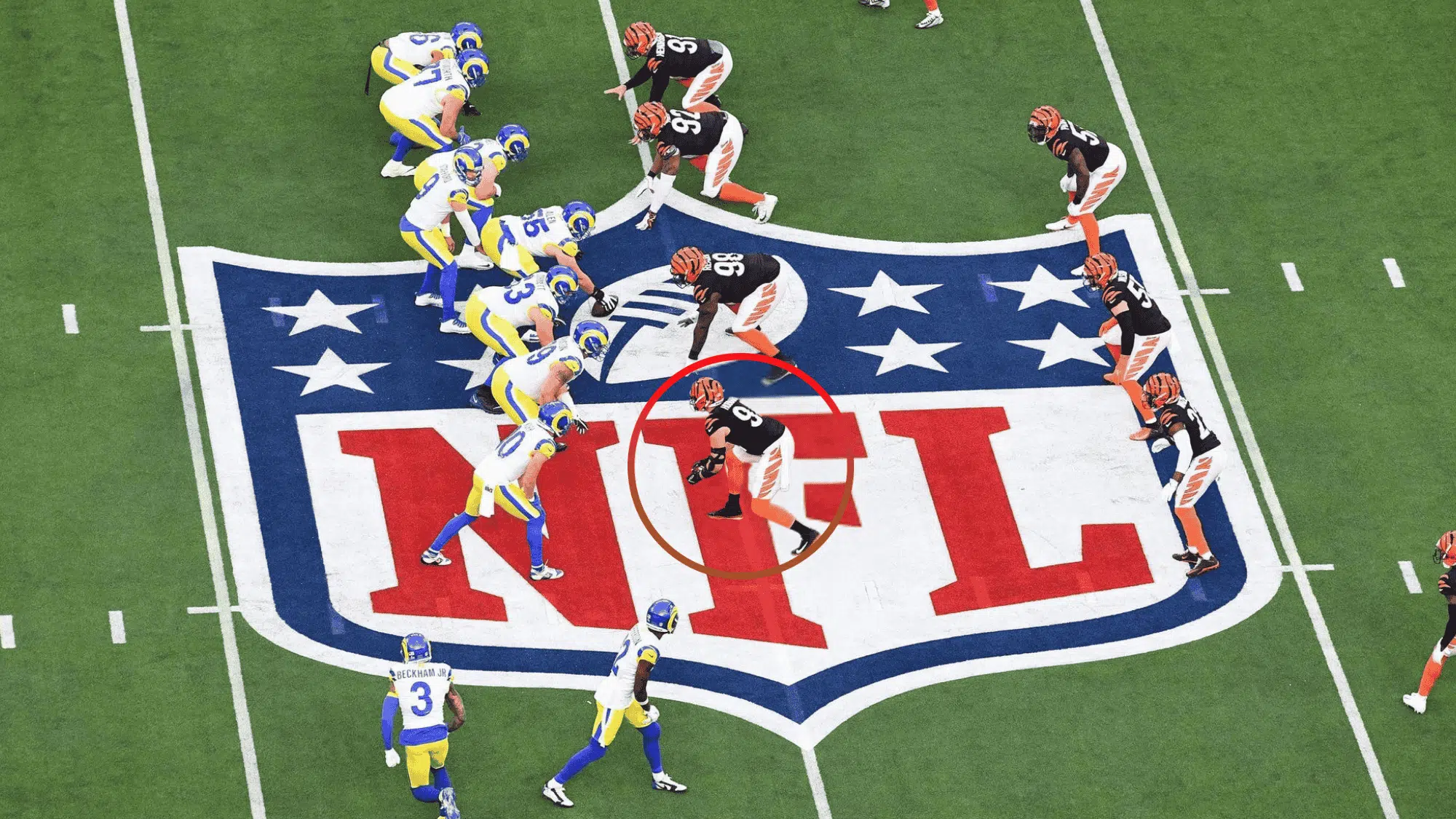
Ever watched an NFL game and heard the ref call “offside,” then saw everyone groan or