
Sports Fundamentals
NBA free agency often creates confusion when teams sign expensive contracts despite having limited salary cap space. Many surprising NBA moves happen because of Bird Rights, a rule fans frequently discuss during the offseason. This salary cap exception allows teams to keep valuable players while offering contract flexibility that normal cap rules may not provide. Understanding Bird Rights helps explain why certain stars remain with their franchises, how teams manage payroll, and why some contracts become possible. This guide breaks down the rules, qualification process, contract impact, and related NBA salary cap terms to make free agency decisions easier to understand. What Are Bird Rights in the NBA? Bird Rights are an NBA salary cap exception that allows teams to exceed the salary cap when re-signing eligible players who have built qualifying service history with a franchise. This rule gives teams a major advantage because they can retain their own free agents without creating additional cap space or removing other roster options. Named for Celtics legend Larry Bird, the exception rewards player loyalty and helps teams retain key contributors. Bird Rights do not eliminate all salary restrictions, but they provide greater flexibility during contract negotiations and free agency decisions. Teams must still follow maximum salary limits, contract length rules, and luxury tax regulations. This exception remains important in NBA roster building because it influences extensions, player retention, and long-term financial planning strategies. History of Bird Rights The development of Bird Rights followed several key NBA salary cap changes that helped teams retain important players while maintaining financial rules. Before 1983: The NBA operated without a strict salary cap system, allowing teams more freedom in player spending and contract decisions. 1983: The NBA introduced its first salary cap as part of a collective bargaining agreement with the players’ union. The system […]

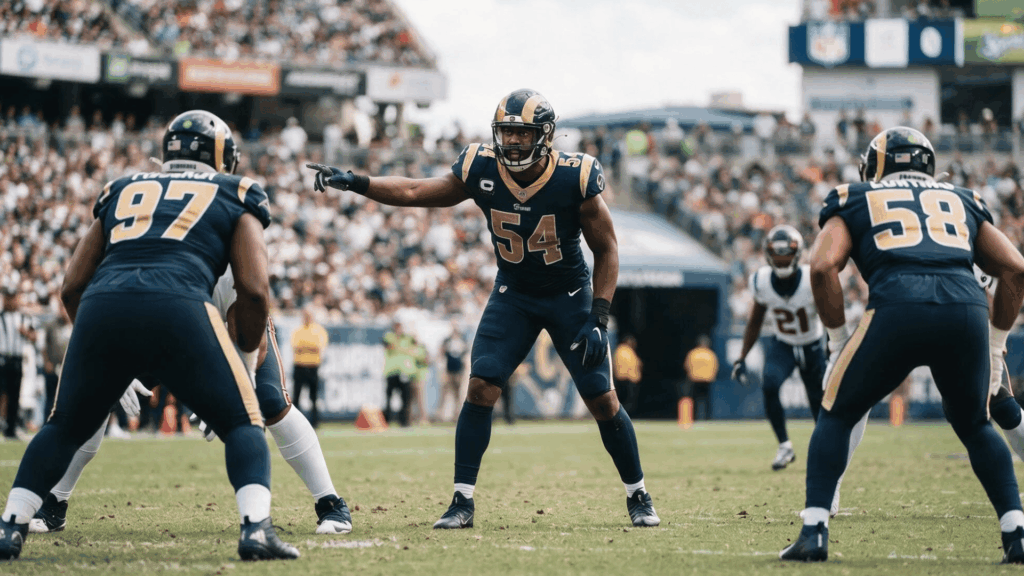
I have always found the linebacker position fascinating because it combines physical strength with quick decision-making. Among all defensive roles, the Mike linebacker stands out because this player helps organize the entire unit before the ball is snapped. The Mike linebacker is not only responsible for making tackles but also for reading formations, communicating adjustments, and helping teammates understand their assignments. From youth football fields to the NFL, this position remains one of the most important roles on defense. Understanding what a Mike linebacker does gives fans a clearer view of how defensive schemes work and why this player often becomes the voice of the defense. What Is a Mike Linebacker in Football? A Mike linebacker is the middle linebacker on a football defense and serves as a key communicator for the entire unit. The term “Mike” identifies the central linebacker responsible for organizing defensive adjustments and handling multiple assignments. This player usually lines up between the defensive line positions and secondary, focusing on stopping runs, supporting pass coverage, and quickly reading offensive movements. Often called the quarterback of the defense, the Mike receives instructions from the defensive coordinator and shares them with teammates. DAZN states that before each snap, this linebacker helps defenders maintain proper alignment and understand responsibilities. The role changes based on the defensive scheme, with some teams emphasizing run stopping while others require stronger coverage skills. What Are a Mike Linebacker’s Responsibilities? A Mike linebacker handles several tasks during every game. The position requires awareness, leadership, and the ability to react quickly. 1. Calling Defensive Adjustments The Mike linebacker plays a key role in defensive communication by ensuring teammates understand their responsibilities before every snap. Communicating Defensive Calls: Shares play instructions received from coaches and helps teammates prepare for upcoming situations. Adjusting Team Alignment: Identifies offensive […]
Basketball’s path to the professional level is changing, and Overtime Elite (OTE) is one of the biggest reasons why. Young athletes now have another option beyond high school and college, but many fans still wonder what sets this league apart. If you’ve been asking what OTE basketball is, you’re in the right place. Overtime Elite gives talented players a chance to train, study, compete, and earn money while preparing for a professional career. This blog post explains how OTE works, who can join, what players receive, and how it compares with traditional basketball programs. By the time you finish reading, you’ll have a clear understanding of whether OTE is changing the future of player development and why it continues to attract top young talent. What Is OTE Basketball? Overtime Elite Basketball is a professional basketball league and training program for top young players, usually ages 16 to 20. It gives athletes a path to develop before entering the NBA, G League, college basketball, or overseas leagues. Players train at OTE’s facility in Atlanta with coaches, strength trainers, medical staff, and player development specialists. The program includes daily basketball practice, games, recovery work, classroom learning, financial education, and media training. Some players can also earn salaries while keeping their basketball careers moving forward. In simple terms, OTE basketball is built to prepare elite prospects for professional competition while still supporting their education and personal growth. What is the Purpose of Overtime Elite? Source: RLEPartners Overtime Elite (OTE) is a professional basketball league and player development program created for some of the best young basketball prospects in the United States and other countries. 1. Professional Player Development Overtime Elite (OTE) was created to help talented basketball players develop in a professional environment before reaching the NBA or other top leagues. Instead of […]

Football games are often won or lost at the line of scrimmage, where defensive players battle to control the offense. Defensive line positions describe the key roles of players who form the front of a defense and work to stop running plays, disrupt passes, and pressure the quarterback. From defensive tackles who protect the middle of the field to defensive ends who attack from the outside, each role has specific responsibilities. I started noticing the defensive line instead of just the ball and realized many big plays begin with them. This article covers the main defensive line roles, what they do on the field, and how they contribute to an effective American football defense. What Is the Defensive Line in American Football? The defensive line is the group of players positioned at the front of the defense, directly across from the offensive line. Its main job is to disrupt offensive plays by stopping running attacks, pressuring the quarterback, and creating opportunities for the rest of the defense to make plays. The defensive line is typically made up of defensive tackles, who line up inside, and defensive ends, who play closer to the outside. Some teams also use specialized roles like nose tackles and edge rushers. The number and responsibilities of these positions can change based on the defensive formation. For example, a 4-3 defense usually features two tackles and two ends, while a 3-4 defense often uses one tackle and two ends. Defensive Line Positions The defensive line consists of players who line up at the line of scrimmage to stop runs, disrupt blockers, and pressure the quarterback. 1. Defensive Tackle Defensive tackles line up in the interior of the defensive line, usually between the offensive guards and center. Their main role is to control gaps, disrupt offensive plays, and […]


Golf shot names describe how you hit the ball, where it goes, and how it lands.
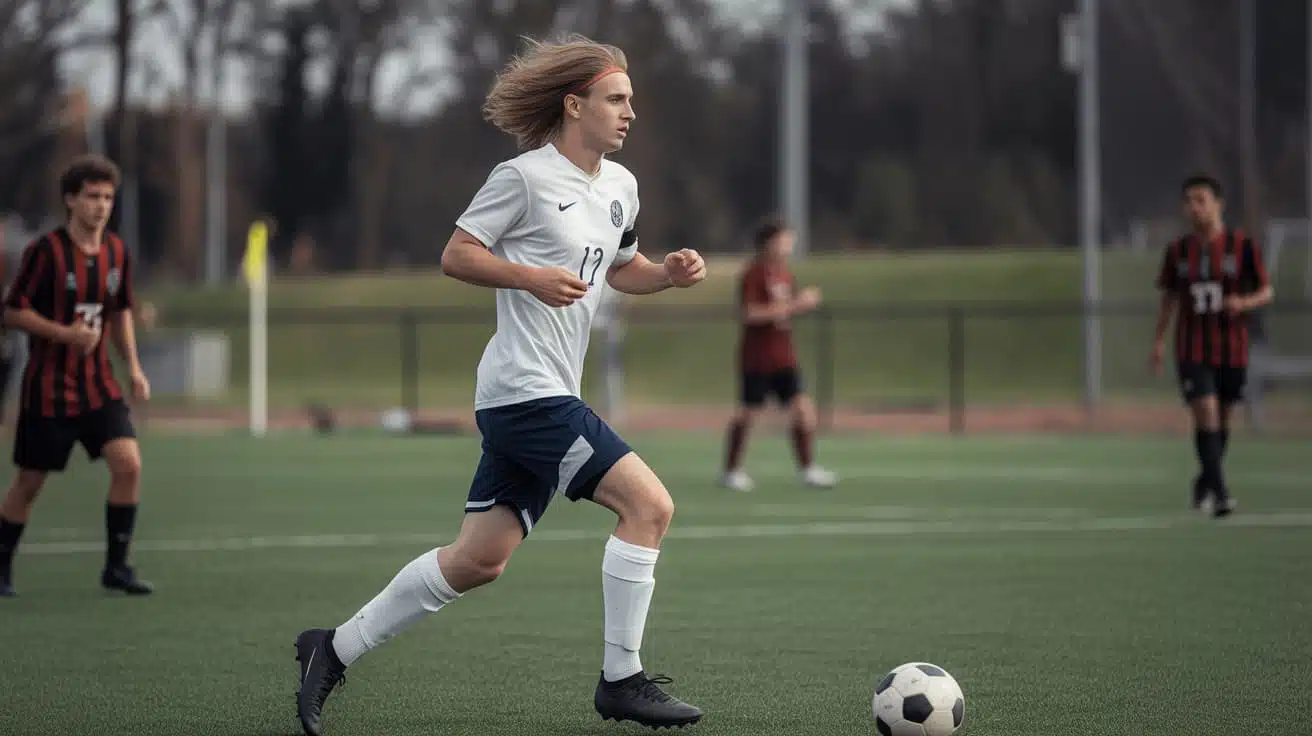
Over the years, I’ve watched players at every level try to improve their game, from youth
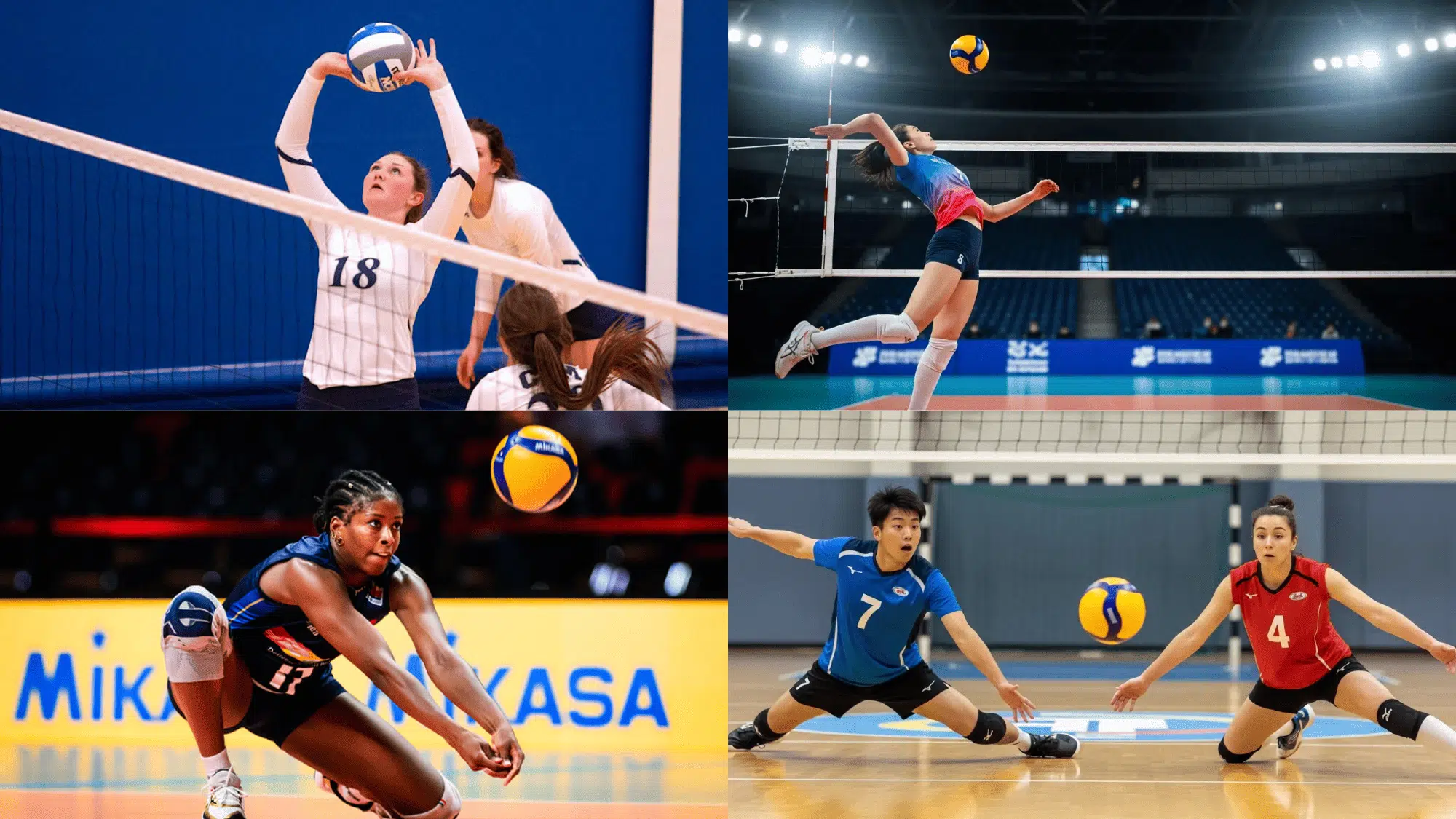
Volleyball is easy to enjoy, but the first time I watched a match, the language felt
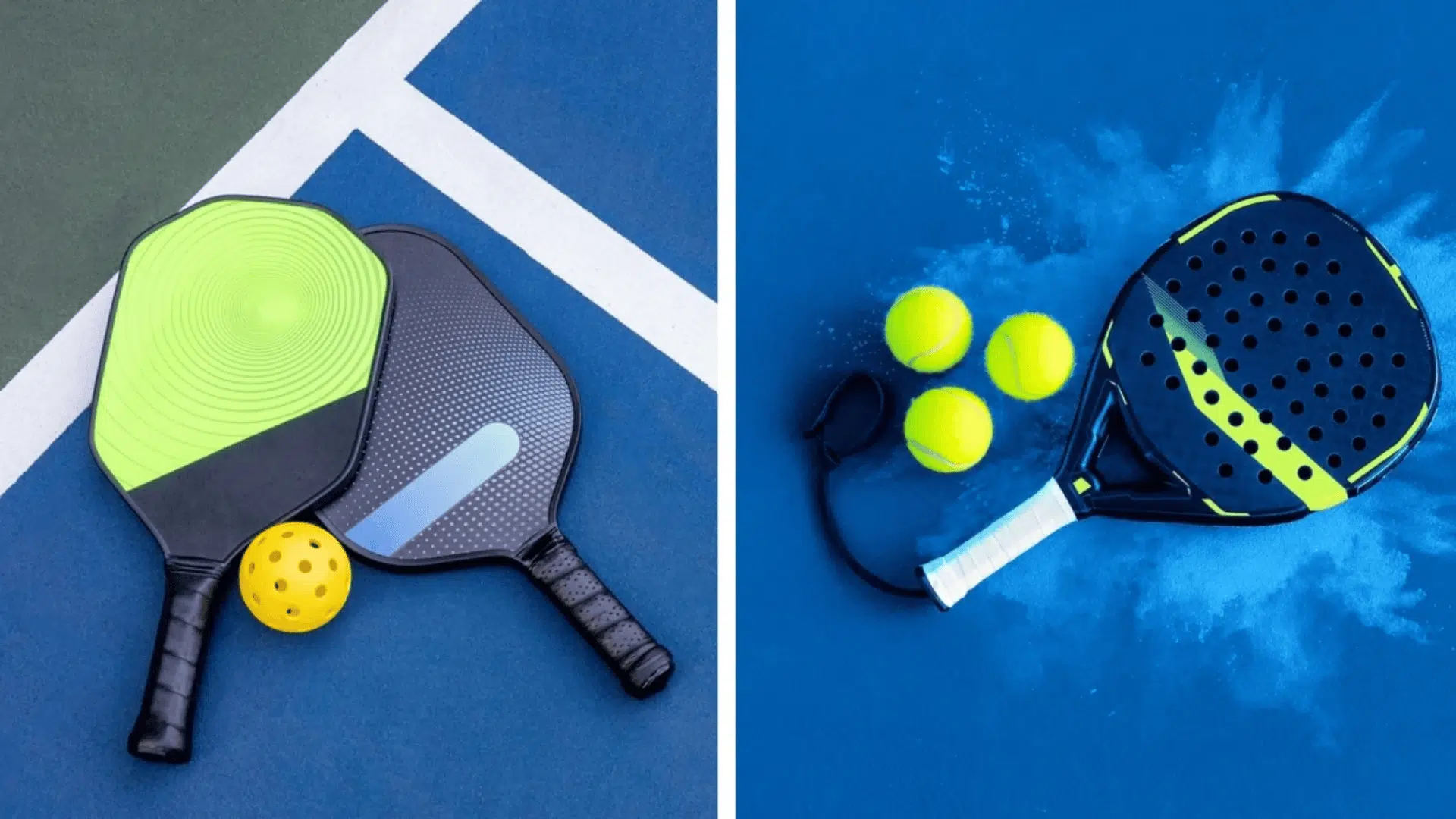
I used to think paddleball and pickleball were almost the same game. The courts look similar,
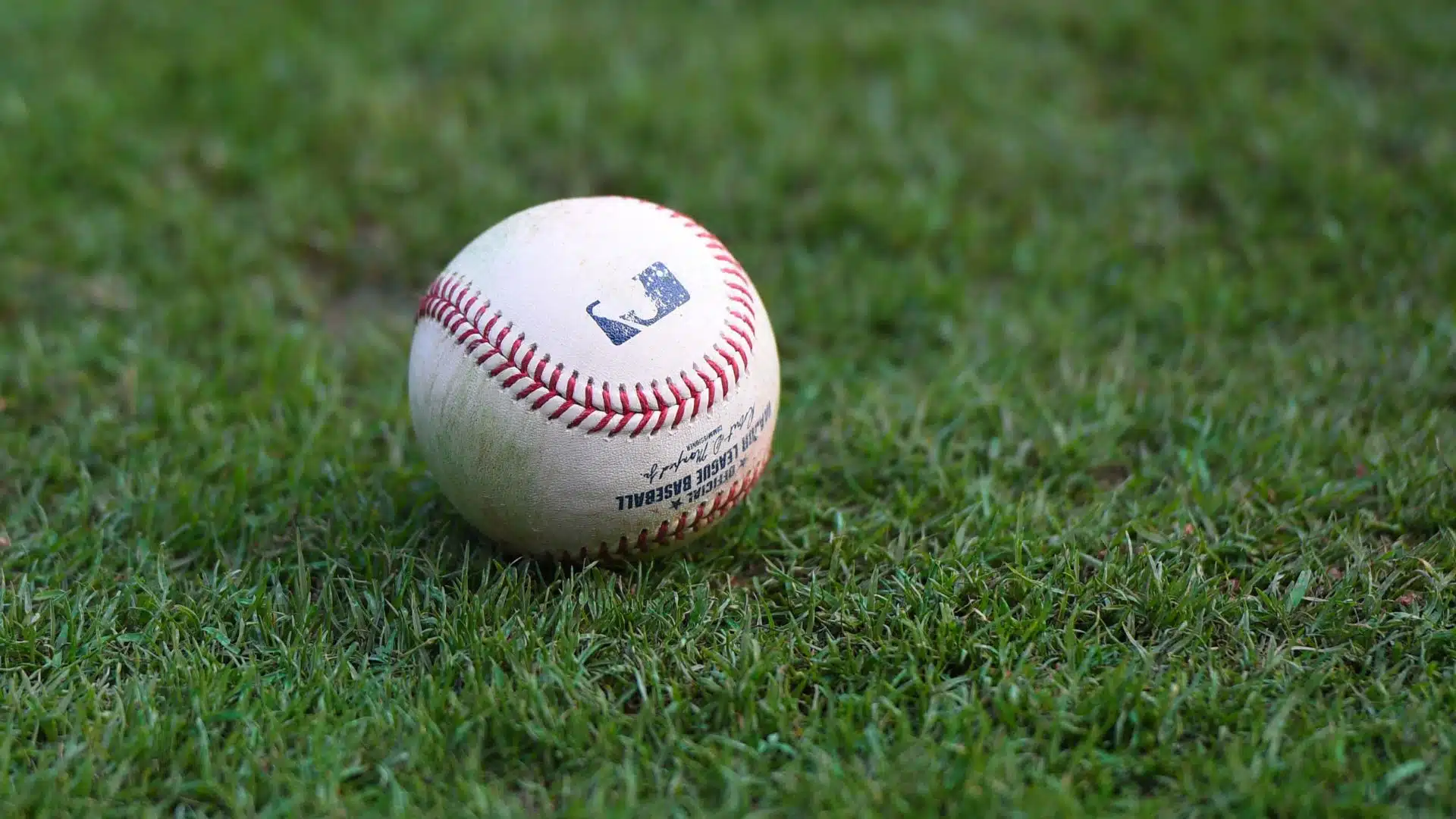
Baseballs may look simple, but after covering enough games and digging into the small details that
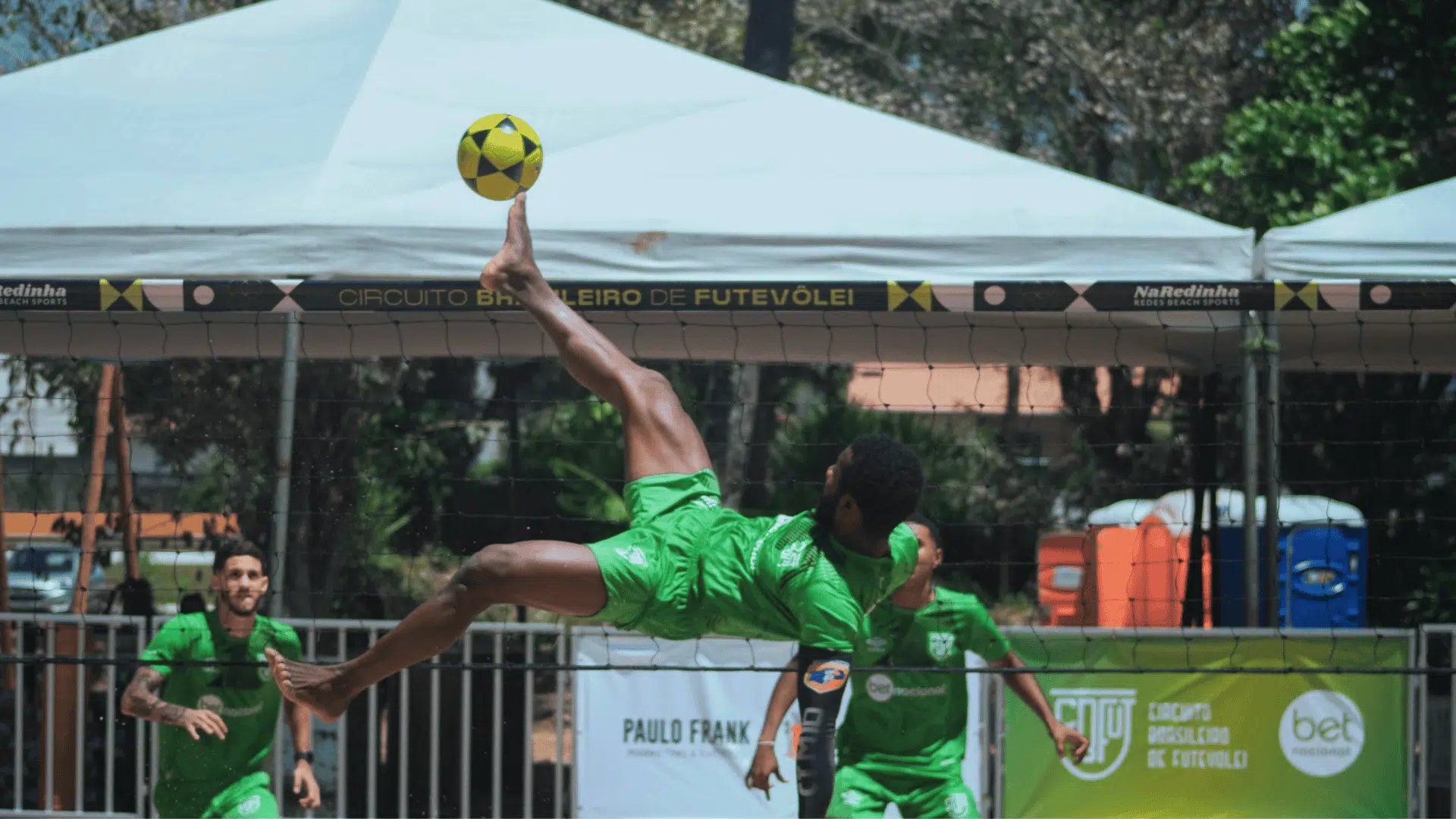
You’re playing volleyball when suddenly the ball drops right near your feet. Your hands can’t reach
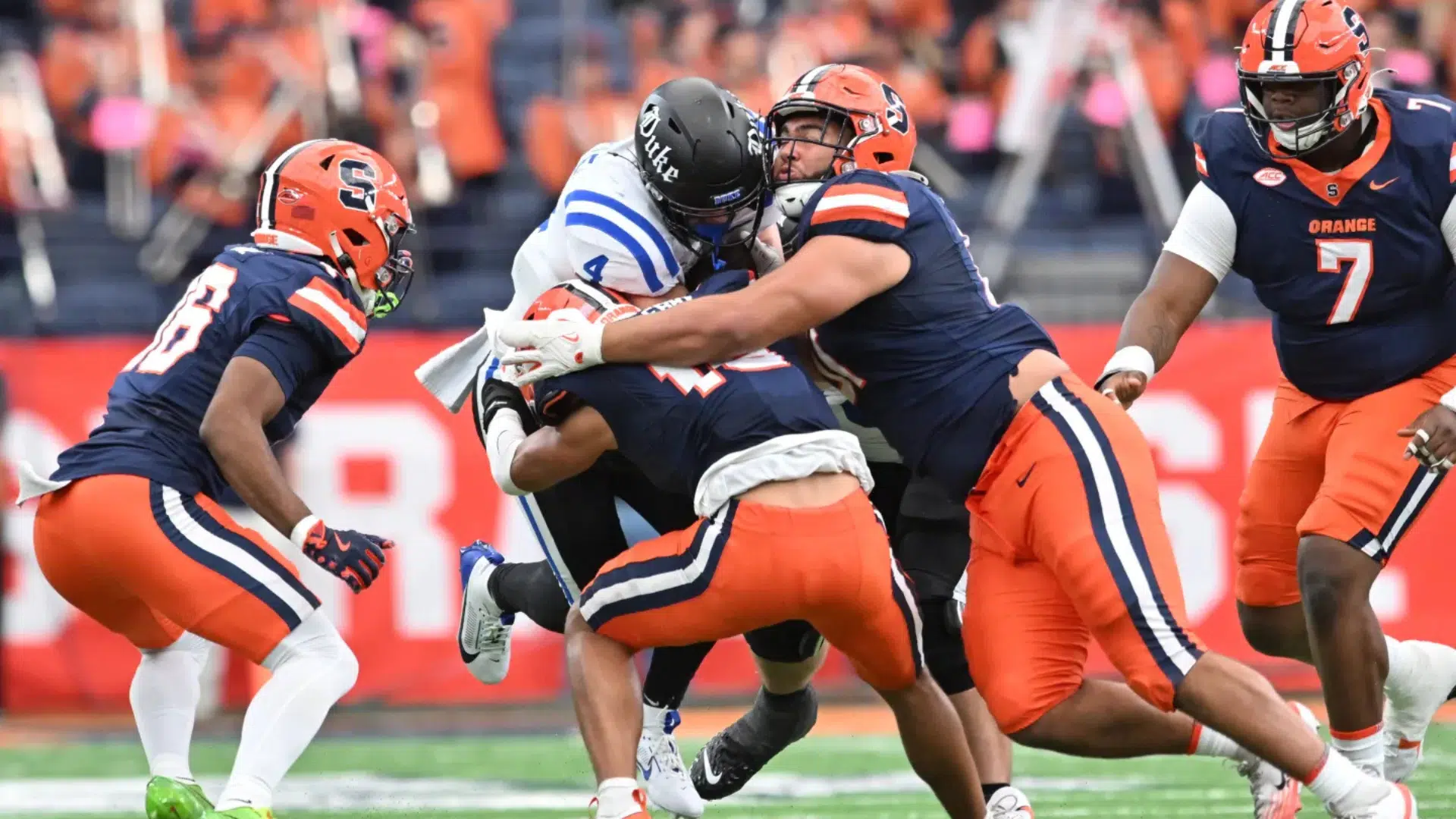
Football is not just about speed and strength. It is also about smart planning, especially on
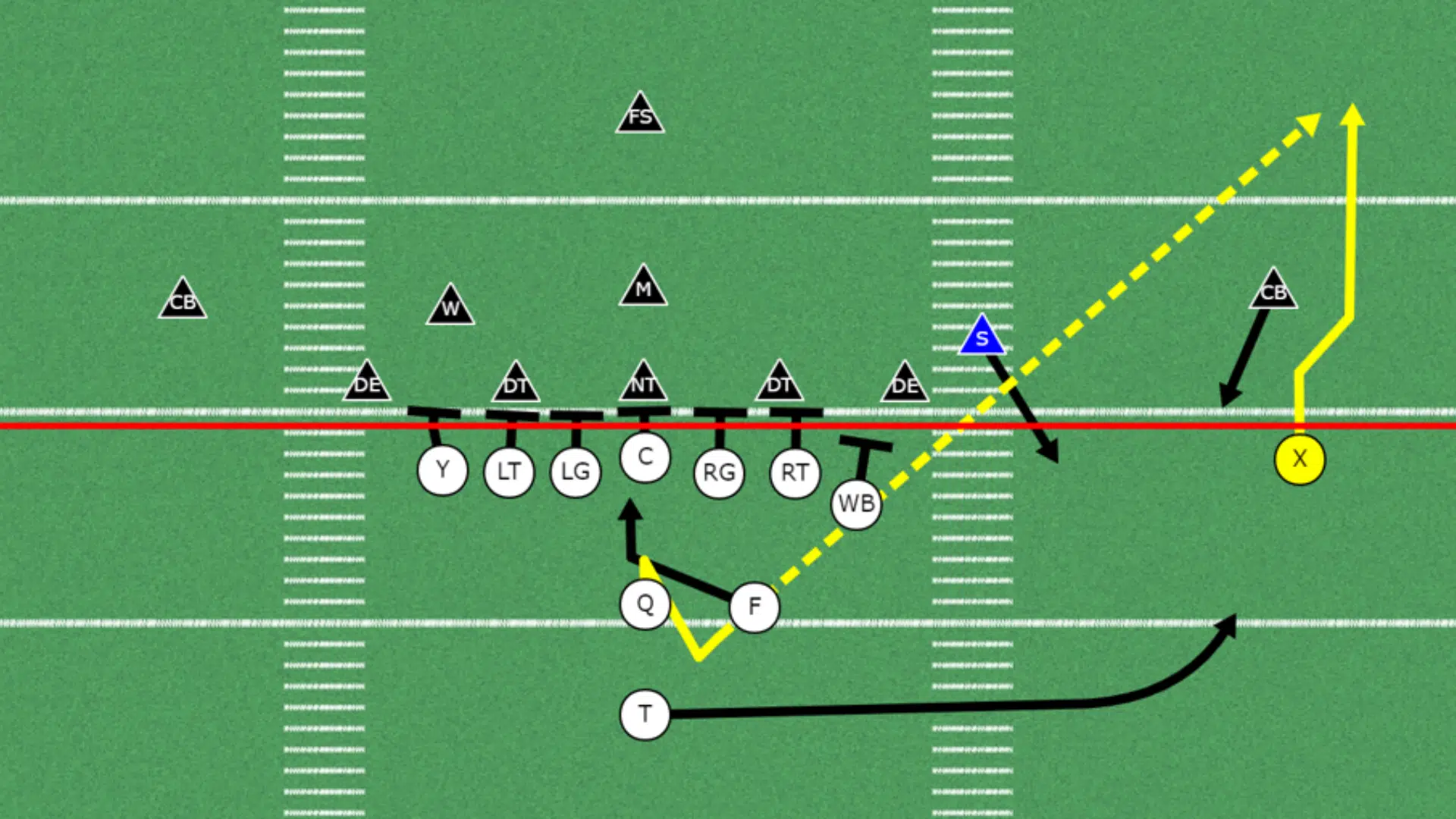
Football terms can feel confusing at first, especially when you hear something like RPO during a
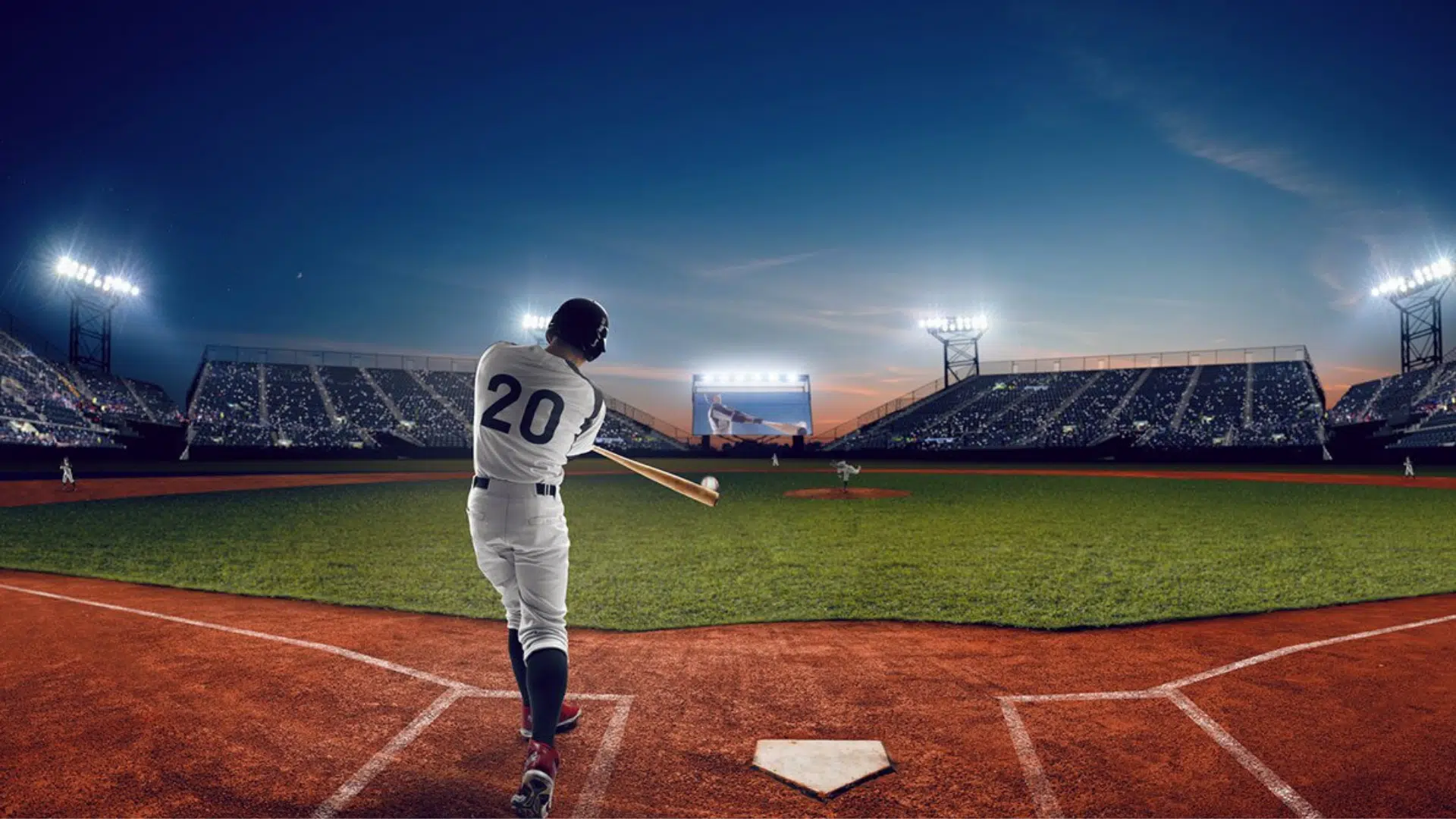
A slider pitch is a breaking ball in baseball, usually thrown at 80–90 mph, that moves
When people start following boxing, the first challenge is not the punches. It is the language.
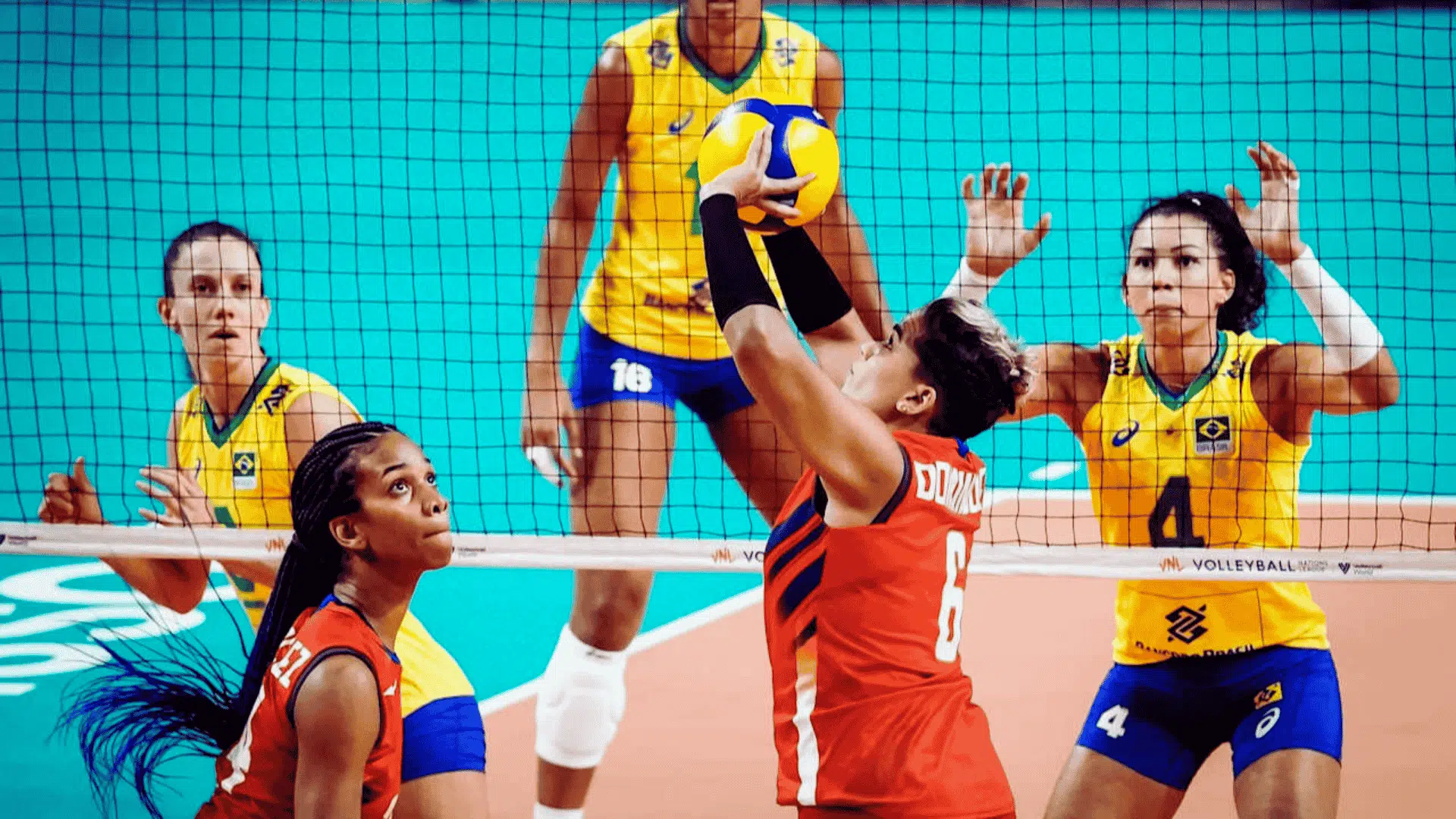
Ever watched a volleyball match and wondered how players react so quickly when the ball comes
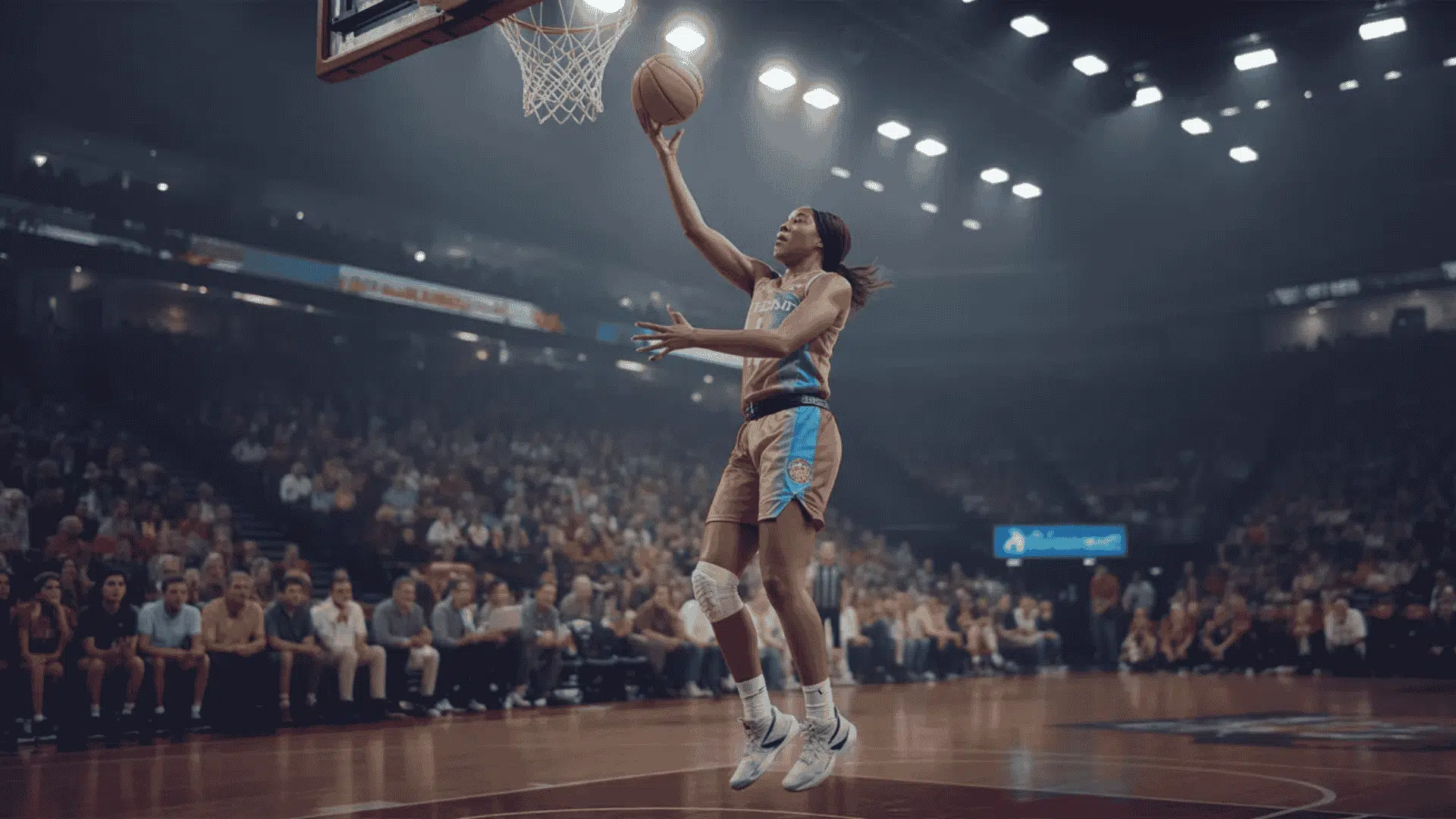
When I first heard people talk about basketball sizes, I honestly did not think it was