
Sports Fundamentals
A strong tryout does more than show who can score. It reveals how players think, move, communicate, and respond under pressure. I know it can be difficult to assess every player fairly when time is limited, and skill levels vary. That is why the right soccer tryout drills matter. They give you clear ways to test ball control, passing, speed, shooting, defending, teamwork, and decision-making. This blog covers seven practical drills that fit different ages and team levels. Each section explains the setup, instructions, skills tested, and key details coaches should watch. You can expect clear drill steps and useful assessment points. By the end, you will have a structured way to compare players and make better selection decisions. How Do Soccer Tryout Drills Work? Soccer tryout drills work by placing players in structured activities that test their technical skills, physical ability, decision-making, and teamwork. Each drill focuses on a specific part of the game, such as dribbling, passing, shooting, defending, speed, or ball control. Coaches set clear tasks and observe how players perform under both pressure and no pressure. Some drills measure individual ability, while small-sided games show how players communicate, move into space, and respond to teammates. Players may receive scores based on accuracy, control, effort, awareness, and consistency. Coaches can also record notes to compare performances fairly after the session. Using several drills gives a more complete picture than judging players through a single match. This approach helps coaches identify strengths, weaknesses, suitable positions, and players who can contribute effectively to the team. Best Soccer Tryout Drills These soccer tryout drills help coaches assess technical ability, physical performance, decision-making, communication, and teamwork in realistic playing situations. 1. Cone Dribbling and Ball Control Drill The cone dribbling drill helps coaches assess close control, balance, coordination, and the ability […]

Every player on the field has a job, but knowing how those jobs fit together is what makes a team successful. 9v9 soccer positions are easier to understand within different formations and tactical setups. The way players are arranged affects how a team attacks, defends, and moves the ball across the field. Each formation gives players unique responsibilities while offering its own strengths and weaknesses. Choosing the right setup often depends on your team’s skill level, playing style, and match strategy. Learn how the most common 9v9 formations work, what each position is responsible for, and the advantages of every system. If you’re a coach or player, you’ll gain a clear understanding of how every position contributes to the team’s overall performance. Understanding the Basics of 9v9 Soccer A standard 9v9 soccer team has nine players on the field, including one goalkeeper, with matches played on a smaller field than 11v11 soccer. This format gives players more touches on the ball and greater involvement in both attack and defense. Formations play an important role by organizing players into balanced attacking and defensive units while helping them understand positioning and teamwork. As formations change, player responsibilities also shift, requiring defenders, midfielders, and forwards to adapt to different tactical roles. Learning these fundamentals helps players develop decision-making, positional awareness, and the tactical understanding needed for success in both 9v9 and future 11v11 matches. Why Do 9v9 Soccer Formations Matter? Formations are the foundation of how a 9v9 soccer team plays, influencing both attacking and defensive performance. A well-chosen formation creates balance across the field, ensuring players can support one another while maintaining good spacing and organization. It also helps young players develop important tactical concepts such as positioning, movement, communication, and teamwork. Different formations offer the flexibility to adapt to various opponents, […]

A brilliant performance can change how fans see an athlete, but one game rarely reveals a complete level of ability. A striker may score three goals, a guard may hit every difficult shot, or a goalkeeper may make ten saves. Those moments deserve attention, yet they are still one small part of a longer record. Sports reward decisive moments, so viewers naturally remember unusual peaks and failures. Highlights, headlines, and social media posts make these events seem even more important. Careful evaluation starts by asking whether the performance reflects a stable skill, a helpful situation, or short-term variation. Why Exceptional Games Carry so Much Weight A single match is easy to understand and discuss. It provides a clear story with a winner, a turning point, and visible heroes. A season contains much more information, but that evidence is harder to compress into one confident opinion. Several forces make one performance appear more meaningful than it is: Spectacular actions are replayed more often than routine decisions Recent events feel more relevant than older evidence Strong opinions spread faster than cautious conclusions Fans notice results that support what they already believe. None of this makes a great game unimportant. It may reveal a new tactical role, improved fitness, or a skill that was developing in practice. However, the game should become a reason to watch more closely rather than final proof of a permanent change. Context Changes the Meaning of a Performance Opponent Strength and Game State Statistics gain meaning only when the surrounding conditions are considered. Scoring against an elite defense differs from scoring against a weakened team. Likewise, five late points in a settled contest might matter less than five points during a close final minute. Game state also changes risk. A team that is losing may attack more aggressively […]

If you’ve watched a soccer, hockey, or cricket game, you’ve probably heard the term “hat trick.” It usually means one player has achieved something special by reaching the number three during a single game. Even though the phrase is widely used, its exact meaning depends on the sport. So, what is a hat trick? In soccer and hockey, it means scoring three goals in one match. In cricket, it means taking three wickets with three consecutive balls. Other sports have their own versions too. In this blog, I’ll explain what a hat trick means, how it differs across sports, where the term came from, and why it remains one of the most celebrated individual achievements in sports. What Is a Hat Trick? A hat trick is when a player scores three goals in a single game or match. It is one of the most celebrated individual achievements in many sports, especially soccer, hockey, and cricket (where the term has a different meaning). In soccer and hockey, a hat trick simply means one player scores three goals during the same match, regardless of when the goals are scored. The goals do not need to be consecutive unless a specific type, such as a “natural hat trick,” is mentioned. Hat tricks highlight a player’s finishing ability, consistency, and impact on the game, making them memorable moments for fans, teammates, and players alike. How Does a Hat Trick Work in Different Sports? The meaning of a hat trick changes from one sport to another, but the idea behind it stays the same. It recognizes a player or athlete who achieves three standout feats in a single game or event. 1. Soccer In soccer, a hat trick means a player scores three goals in one match. The goals can be scored at any point […]


Improving a baseball swing requires more than repetition. It requires measurable feedback on how the hands,

Centre-backs are the backbone of any strong football team. When I look at the history of
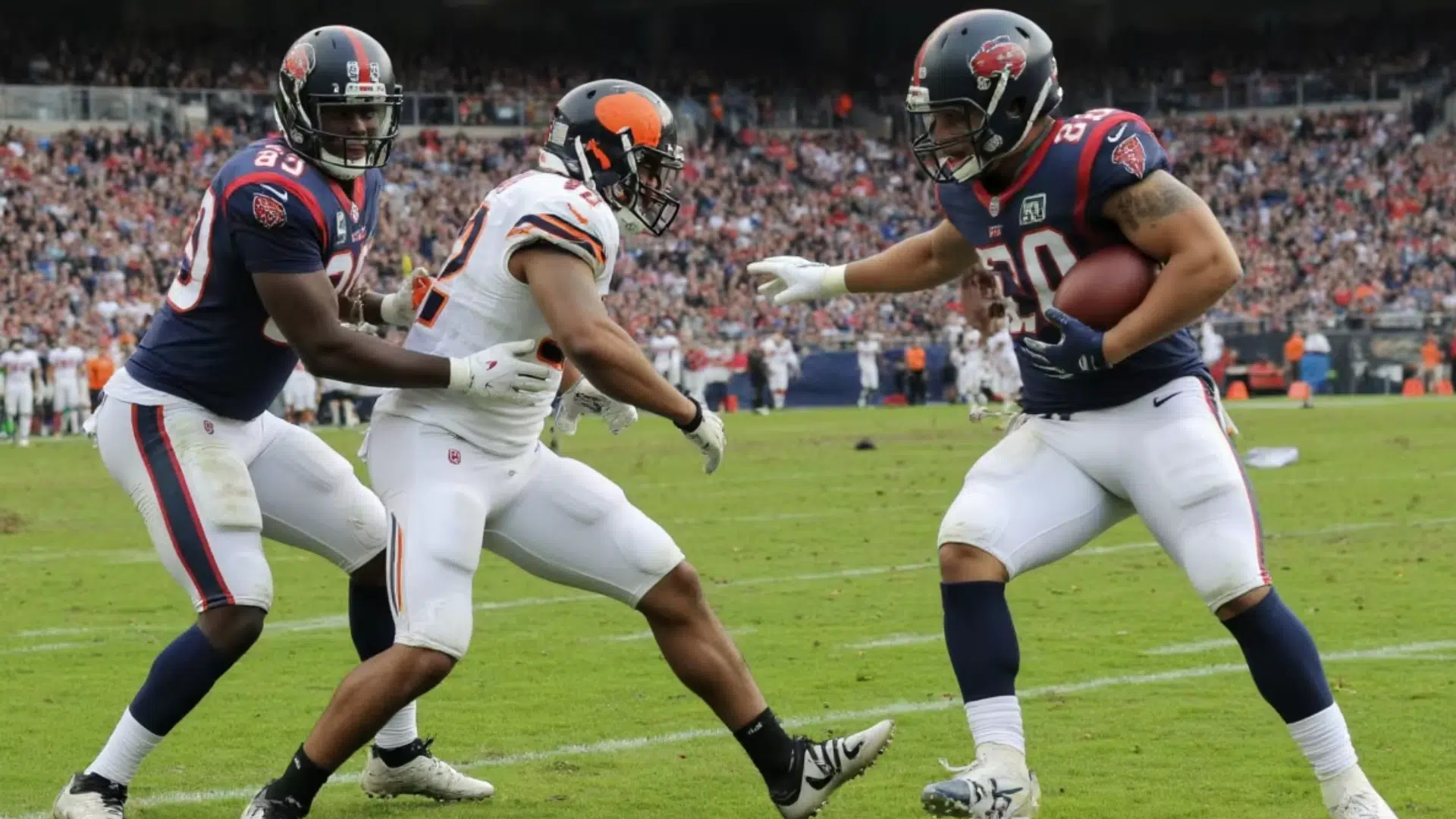
When you watch a football game, a lot is happening at once. Players move fast, the
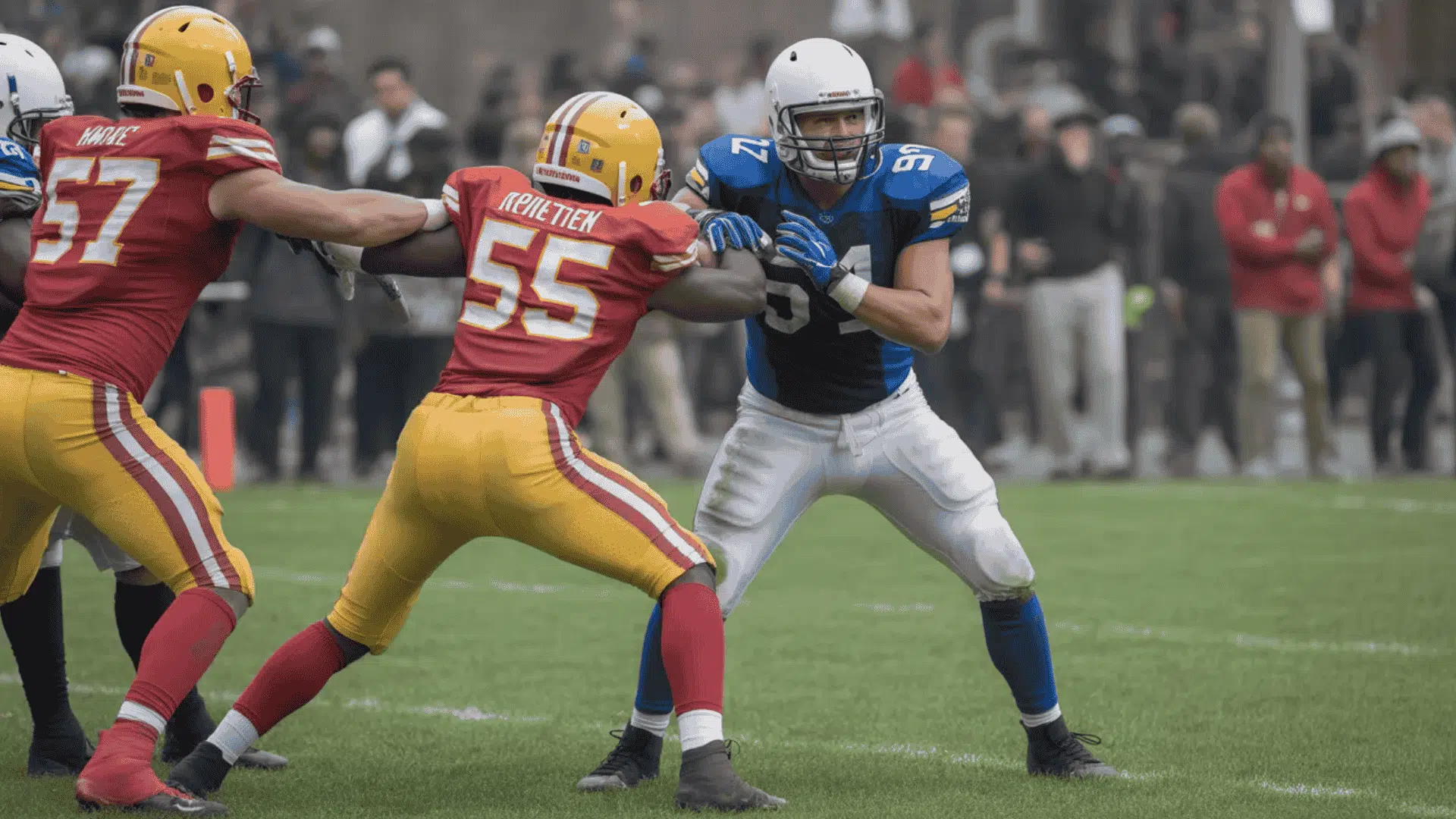
If you are getting into football or want to better understand the game, learning the defensive

Have you ever been to a baseball game and felt like you were the only one

I remember the first time I heard the term ECNL at a soccer game. I saw

The UFL will have eight teams in 2027: Colorado, Columbus Aviators, Dallas Renegades, D.C. Defenders, Louisville

Most fans have no idea how many baseballs are used in a single MLB game. Many

When I watch a football game, I see how much space players have, especially near the
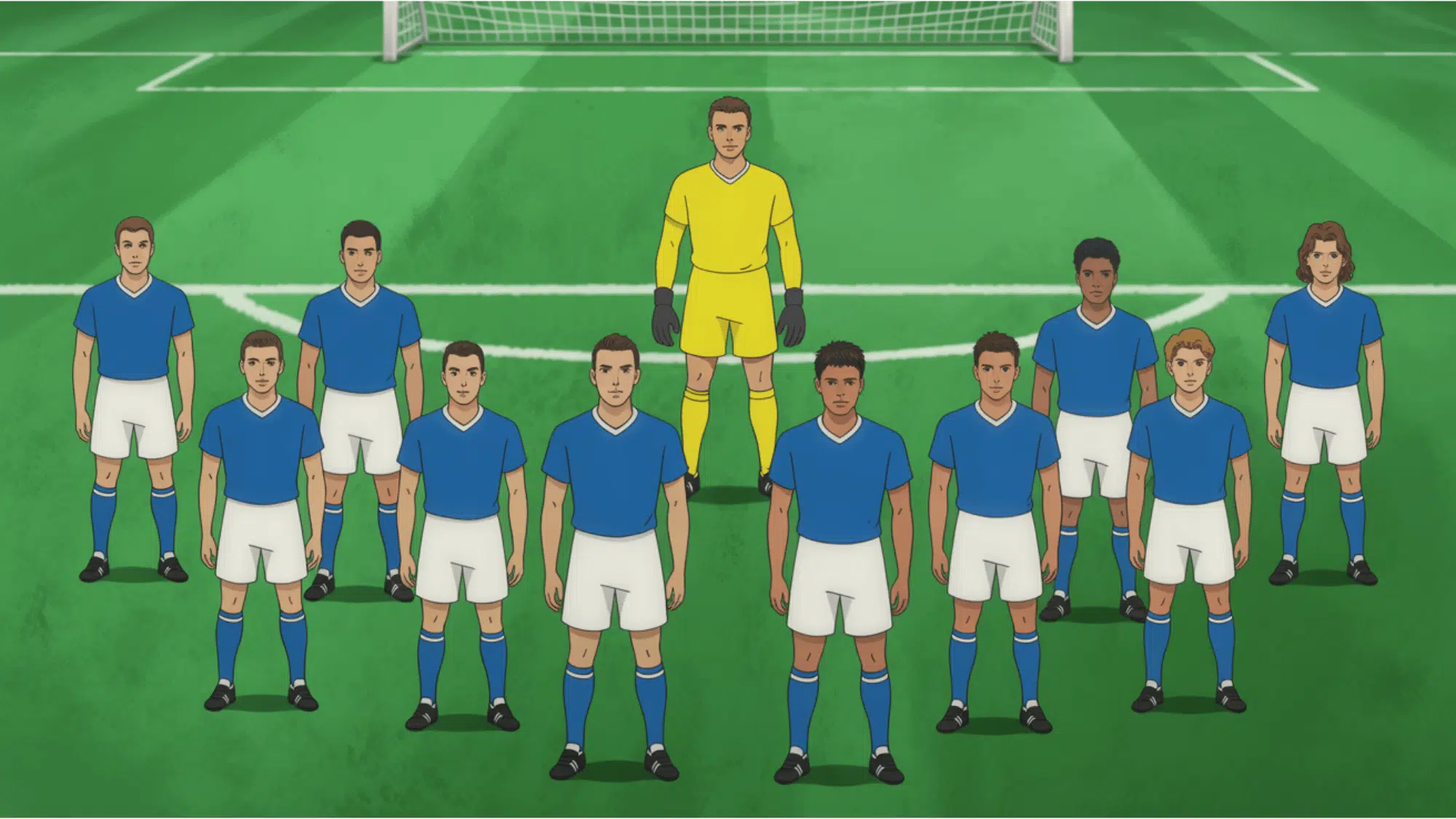
Soccer may look simple, but team size can confuse new fans and players. Many wonder how

Many fans hear coaches mention the drag route in football, but few fully understand how important

Finding the right badminton court can change how much you enjoy the game. Over 10 years