
Sports Fundamentals
Before stepping onto the field, it helps to know what every player is expected to do. Flag football uses several positions, and each one plays a different part in moving the ball, protecting teammates, or stopping the opposing offense. Knowingflag football positions can help players choose the role that best matches their skills while making games easier to understand. Each position has a specific role, from passing and catching to rushing and defending. This guide explains the most common offensive and defensive positions, where players line up, what they do during a game, and how each role contributes to the team’s success. Key Takeaways Flag football positions are divided into offense and defense, and each player has a specific job. Offensive positions focus on moving the ball and scoring, while defensive positions work to stop the opposing team. The quarterback, center, wide receiver, and running back are the most common offensive positions. Defensive roles usually include the rusher, defensive back, safety, and sometimes a linebacker. Team size and league rules can change how positions are used and what each player is responsible for. Learning every position helps players improve teamwork, game awareness, and overall skills. Choosing the right position based on your strengths makes the game more enjoyable and easier to learn. Why Flag Football Positions Matter? Knowing where each player belongs on the field is one of the easiest ways to understand flag football. Choose the right role: Players can find a position that matches their speed, passing ability, hands, or defensive skills. Improve teamwork: Everyone knows their assignment, making plays run more smoothly. Learn the game faster: Understanding positions makes it easier to follow rules, formations, and play calls. Build confidence: New players feel more comfortable when they know what is expected on every play. Develop better skills: […]

Every great defense starts with players knowing exactly where to be. Cover 2 defense is one of the most widely used zone coverages in football because it helps limit deep passes while keeping defenders in position. Understanding how it works can make watching or coaching the game much easier. I remember feeling confused by all the different defensive terms at first, and you might feel the same. Once I learned the basic idea, it became much easier to follow what teams were doing before and after the snap. In this post, I’ll explain what Cover 2 defense is, how it works, and why so many teams still use it. You’ll also learn the job of each defender, the strengths of this coverage, and the weak spots that offenses try to attack. What Is Cover 2 Defense in Football? The Cover 2 defense divides the deep part of the field into two equal halves, with each safety responsible for one side. Five defenders cover short and mid-range zones instead of following receivers. Typically, the two cornerbacks defend the flat zones near the sidelines, while the linebackers protect the hook, curl, and middle zones. This layered structure helps defend against deep throws while limiting short completions with multiple defenders in position to make tackles. One of the key strengths of Cover 2 is forcing offenses to take underneath passes instead of explosive plays. Its main weakness is the deep middle, the space between the two safeties, which skilled quarterbacks often try to exploit. How to Recognize Cover 2 Before the Snap? Recognizing Cover 2 before the snap helps quarterbacks and receivers anticipate the defense and make better decisions. By reading a few key alignment cues, players can often identify this coverage before the ball is snapped. Check Cornerback Position: Cornerbacks often line […]

If you already have a tennis court nearby, you might ask, can you play pickleball on a tennis court? I had the same question before picking up a paddle for the first time. The short answer is yes, but a few things can make the game easier and more fun. Knowing the right court setup, net height, and line options helps you avoid confusion and enjoy better games. I’ll also cover simple ways to use a tennis court for pickleball, along with a few tips that can save you time before your next match. Can You Really Play Pickleball on a Tennis Court? Yes, you can play pickleball on a tennis court. With roughly 270,000 tennis courts across the U.S., one may be available near your home, while dedicated pickleball courts remain limited in many towns. The setup works because both sports typically use hard, flat asphalt or concrete surfaces with an acrylic coating, which allows predictable ball bounce and steady footing. The main differences involve court size, net height, and pickleball’s no-volley zone. A pickleball court is about one-quarter the size of a tennis court, so temporary lines or portable nets may be needed. In my experience scouting courts for group games, many tennis facilities allow occasional pickleball play during off-peak hours. Still, do not assume every court permits it. Always check local rules or ask for permission before setting up a game. How to Set Up a Pickleball Court on a Tennis Court Once you know the target measurements, converting the space takes about fifteen minutes with the right gear. 1. Choose a Tennis Court that Allows Pickleball Play Start by choosing a tennis court where pickleball play is allowed. Courts with permanent pickleball lines are the easiest option, but a standard tennis court can also work well […]

Every football game has moments when one unexpected decision can shift momentum and change the final result. Coaches spend hours preparing for familiar formations, yet one unusual alignment can force defenders to hesitate, communicate under pressure, and adjust within seconds. That uncertainty is one reason certain plays remain relevant long after they first appeared on the field. Some formations create an advantage not through speed or size, but through timing, spacing, and quick decision-making. From high school programs to college football, these plays continue to attract attention because they challenge defensive discipline and create scoring opportunities in critical situations. Their unusual structure also gives coaches another way to pressure opponents before the ball is even snapped. What Is Swinging Gate Football? Swinging gate football is an unconventional offensive formation commonly used during PAT attempts and two-point conversions. Most of the offensive line shifts to one side, leaving only the center over the ball. This unusual setup forces the defense to adjust quickly before the snap and may create a numerical advantage on one side of the field. If the defense fails to match the alignment, the offense can attack the open space. If defenders adjust correctly, the team can shift back into a traditional field goal formation. The formation supports several options, including a direct run, a quick screen pass, an option play, or an extra-point kick, making it a flexible special-teams strategy. How the Swinging Gate Formation Evolved? The swinging gate formation has been part of American football for decades. Early coaches used unbalanced alignments to improve blocking angles and create a numbers advantage at the point of attack. Over time, it developed into a specialized strategy, especially on special teams. High school programs adopted it because strong preparation and clean execution could offset differences in size or athletic […]

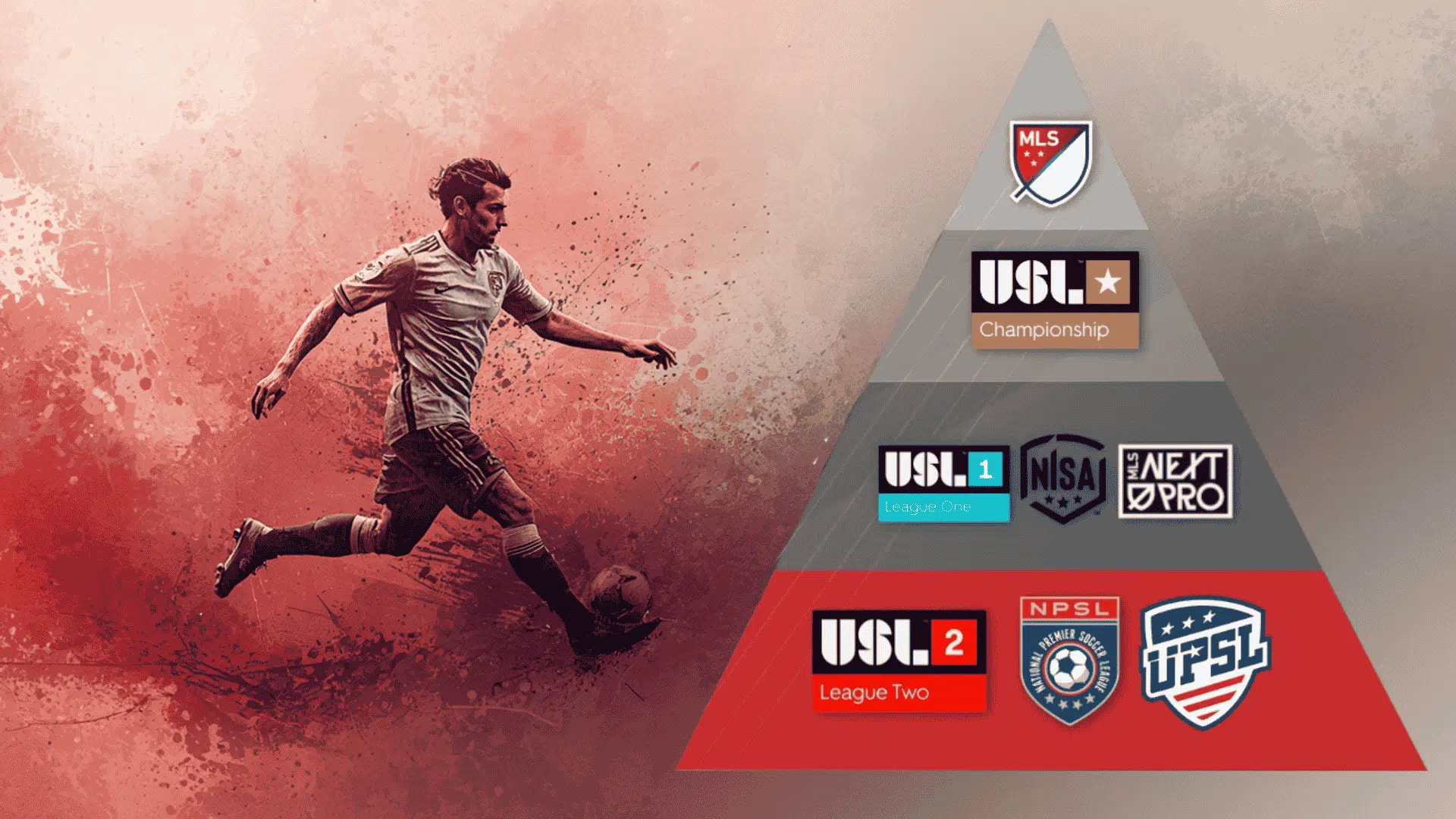
The US soccer pyramid is the framework that organizes every professional, amateur, and youth league in
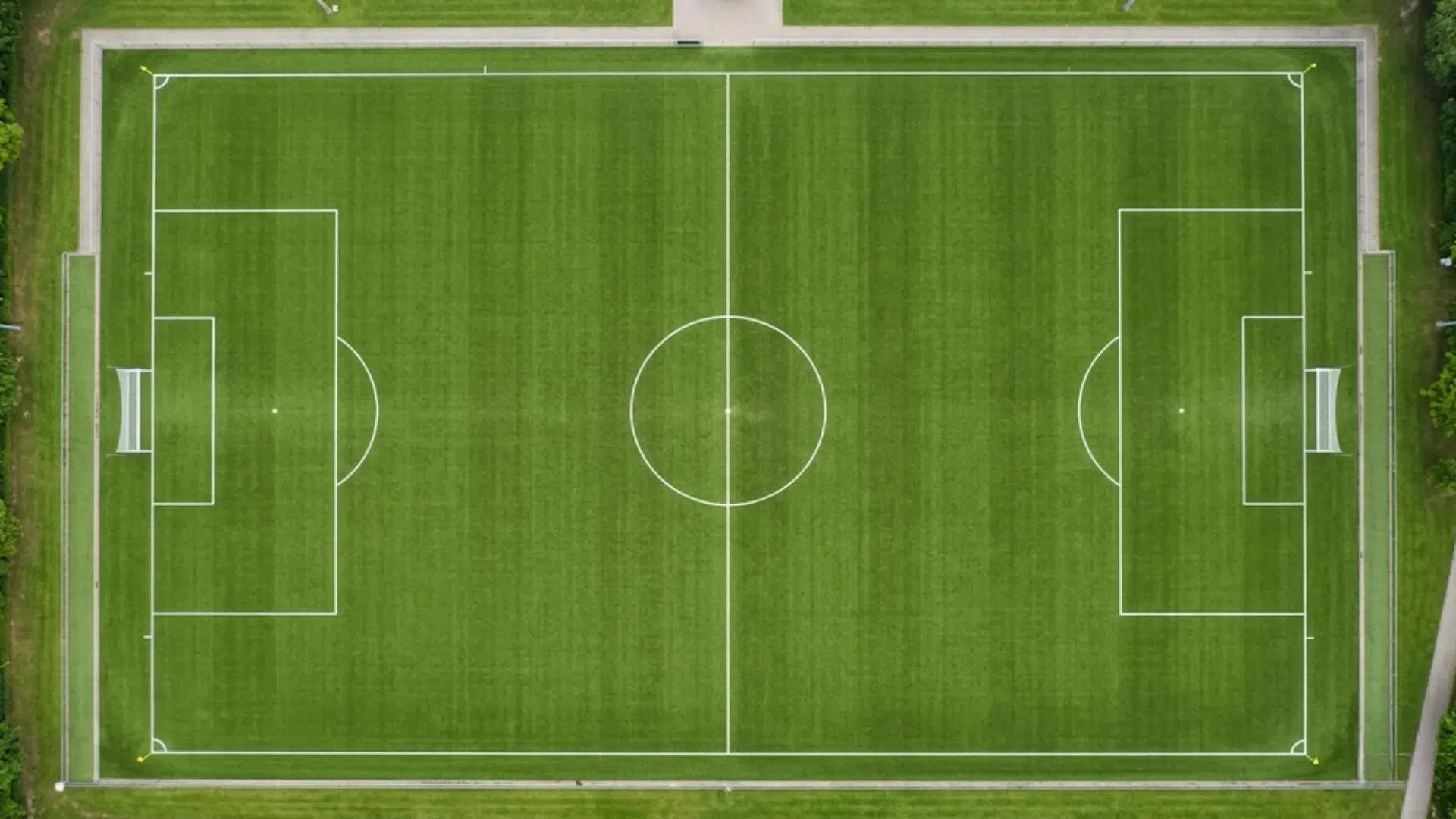
Watching soccer for the first time can feel a little confusing because the game clock works
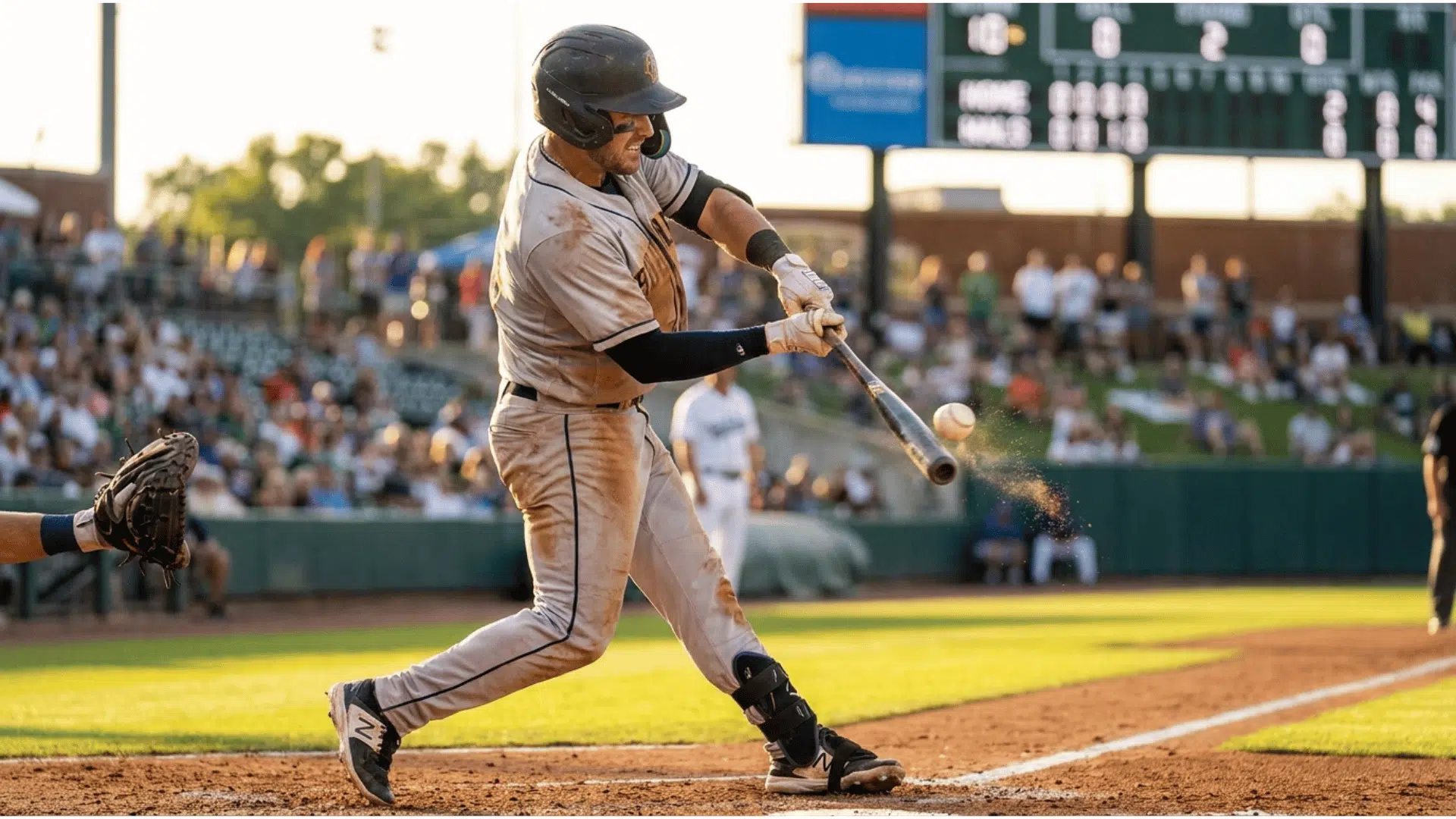
Baseball is exciting to watch, but some rules can feel confusing at first, especially for new
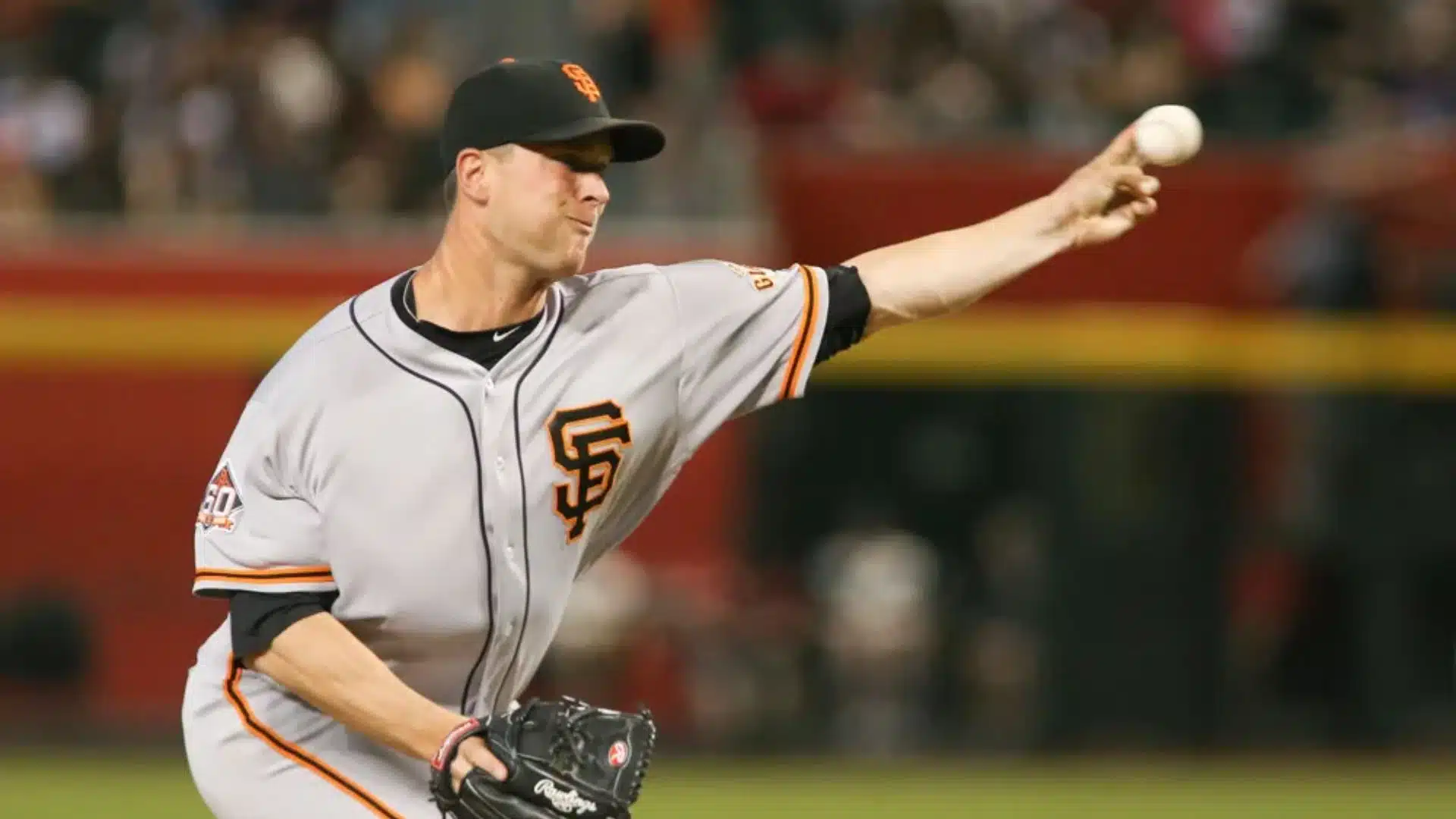
If you want to throw a fast, straight pitch with better control, the 4-seam fastball grip

Many people dream of playing soccer professionally, but few know where to begin. And the process

It’s strange how quickly things can change. One week, everything feels locked in—training sessions, upcoming matches,
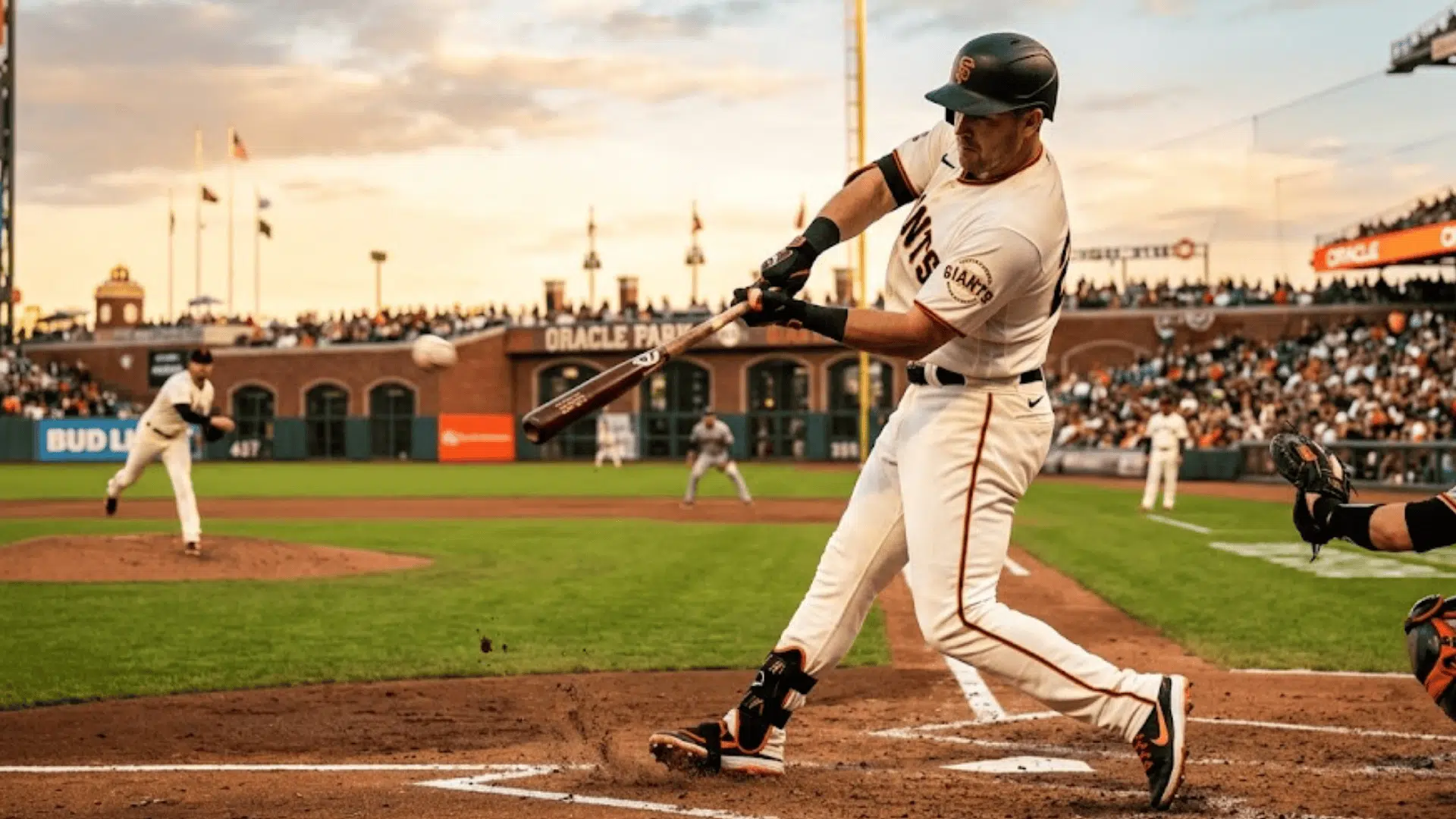
Not every player is fast, and not every player has a cannon for an arm. But
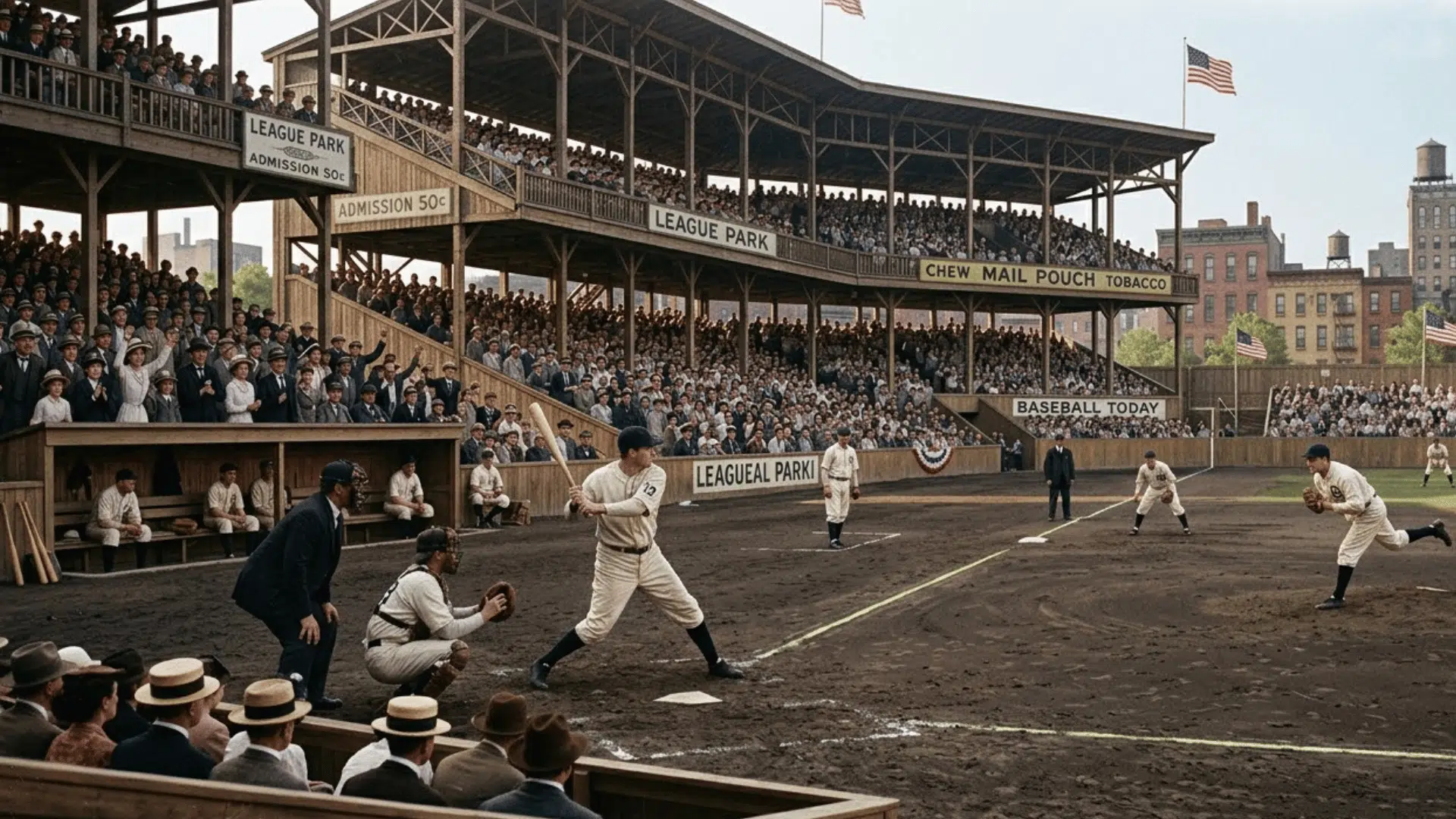
When I first starting watching baseball, I heard people saying “that’s a bit inside baseball” many
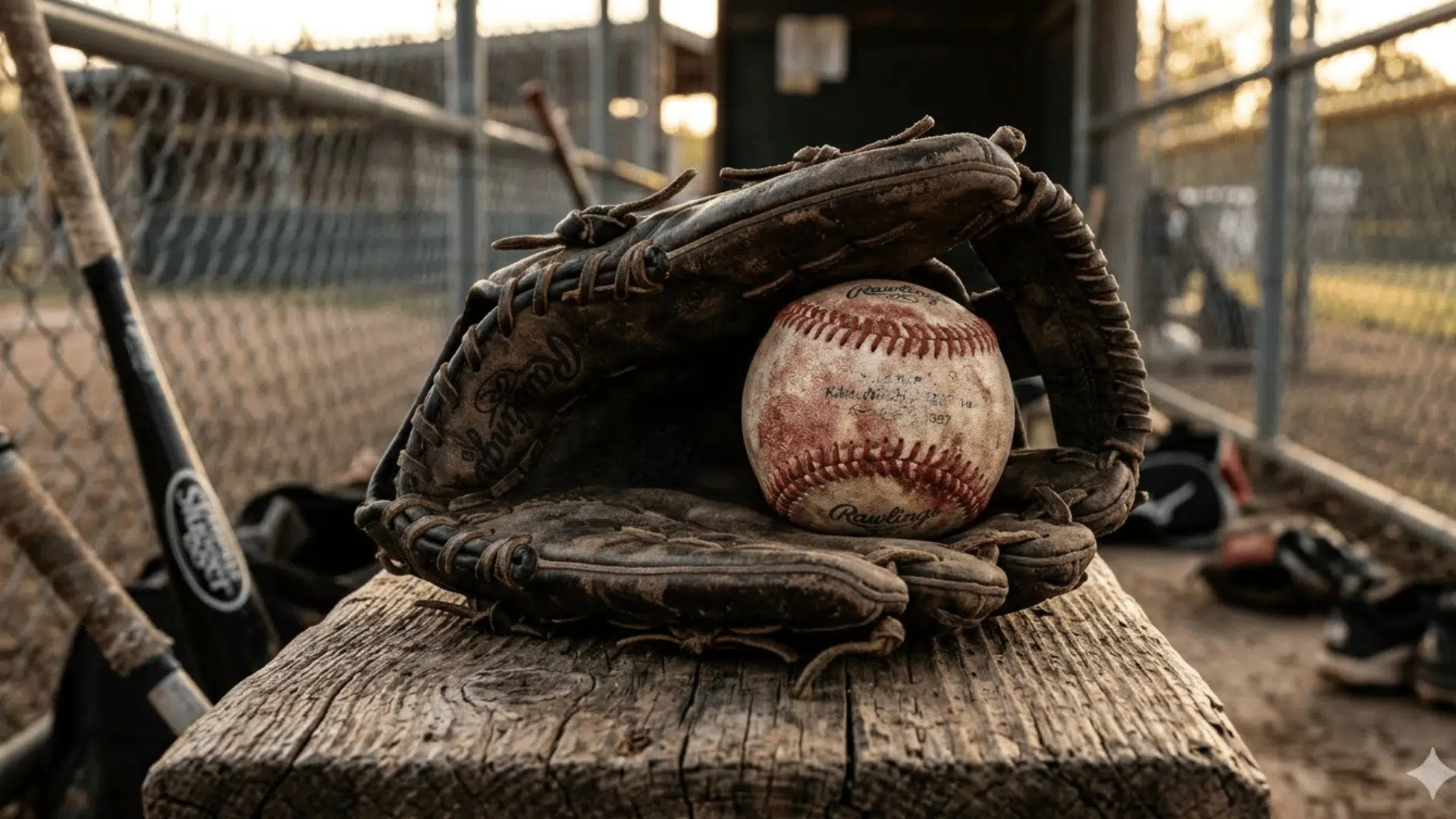
I’ve always found it interesting how baseball is more than just a game. Over time, it
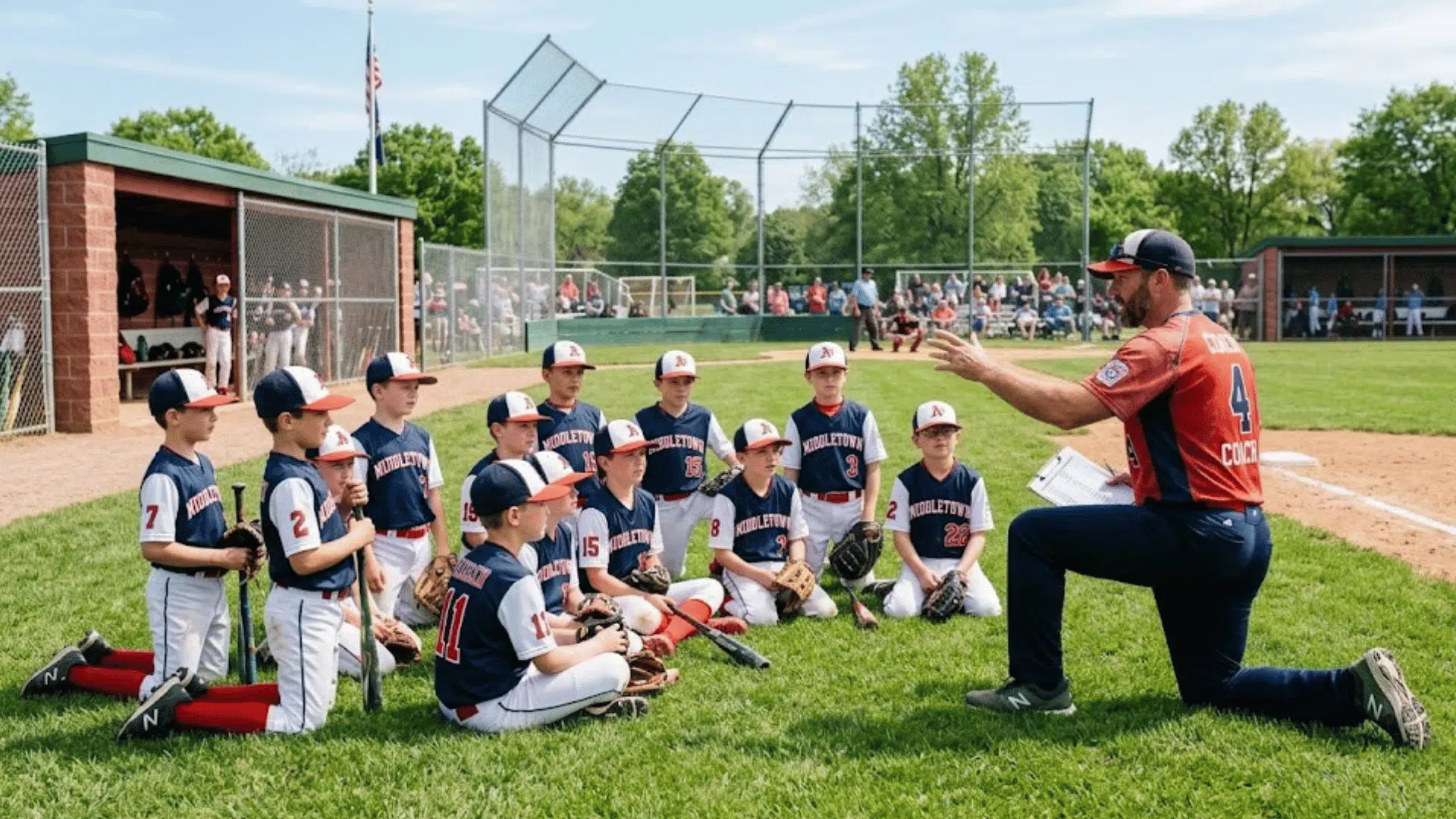
I still remember sitting at a kids’ baseball game and feeling totally confused by what the

I’ve seen many fans wonder if playing in the UFL can really lead to the NFL.
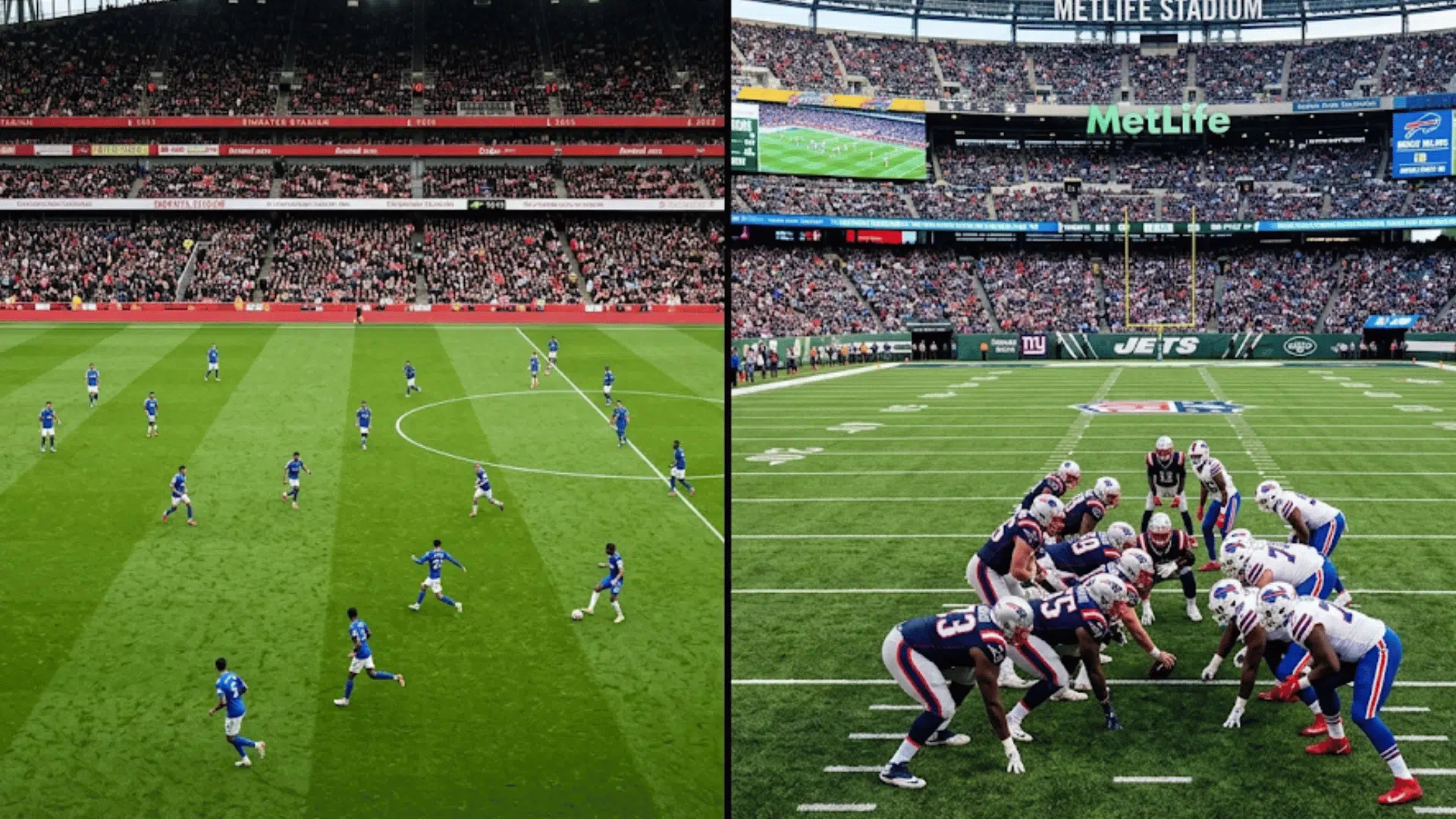
Most people never stop to think about how much space their favorite sport actually needs. A