
March 23, 2026
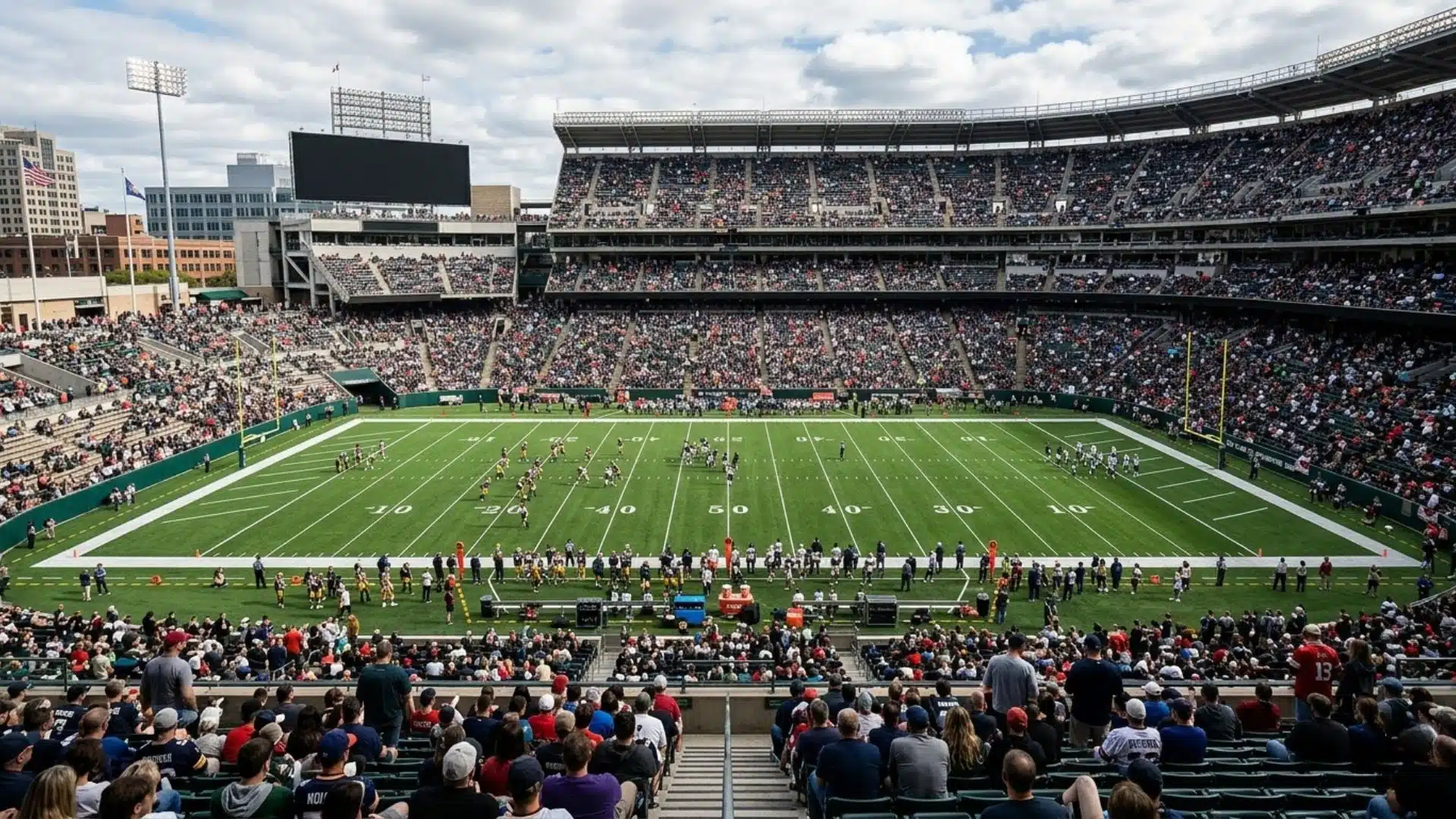
I’ve noticed that many people are curious about how a league like the UFL actually makes money. If you’re following the games, you might wonder where the funding comes from, whether the league is profitable, and how attendance really affects it. I had the same questions when I started looking into it. In this blog, I’ll break down UFL money in a simple way. You’ll learn about funding sources, how profit works, and why attendance matters for long-term growth. Revenue and attendance trends are strongly influenced by where teams are based and the size of their venues, as seen in the current UFL team and stadium setup. I’ll keep everything clear so you can understand how the financial side of the league works. Where Does UFL Money Come From? The UFL earns money from a mix of sources that help keep the league running smoothly. One of the main sources is broadcast deals, where networks and streaming platforms pay to show games to a wider audience. Sponsorships also bring in steady revenue through brand partnerships, ads, and team deals. Ticket sales from fans attending games contribute to game-day income and local support. In addition, league investors play an important role by providing financial backing, especially during the early stages of growth. These combined sources allow the UFL to manage expenses, support teams, and build a stable structure while working toward long-term success. How the UFL Funds Its Operations The UFL uses multiple funding sources to support teams, manage expenses, and keep the league running smoothly throughout the season while planning for steady long-term growth. League Investment: Financial backing from league owners and investors helps cover early costs, support operations, and ensure stability as the league grows and builds a stronger foundation. Media Rights: Television and streaming deals bring in revenue […]
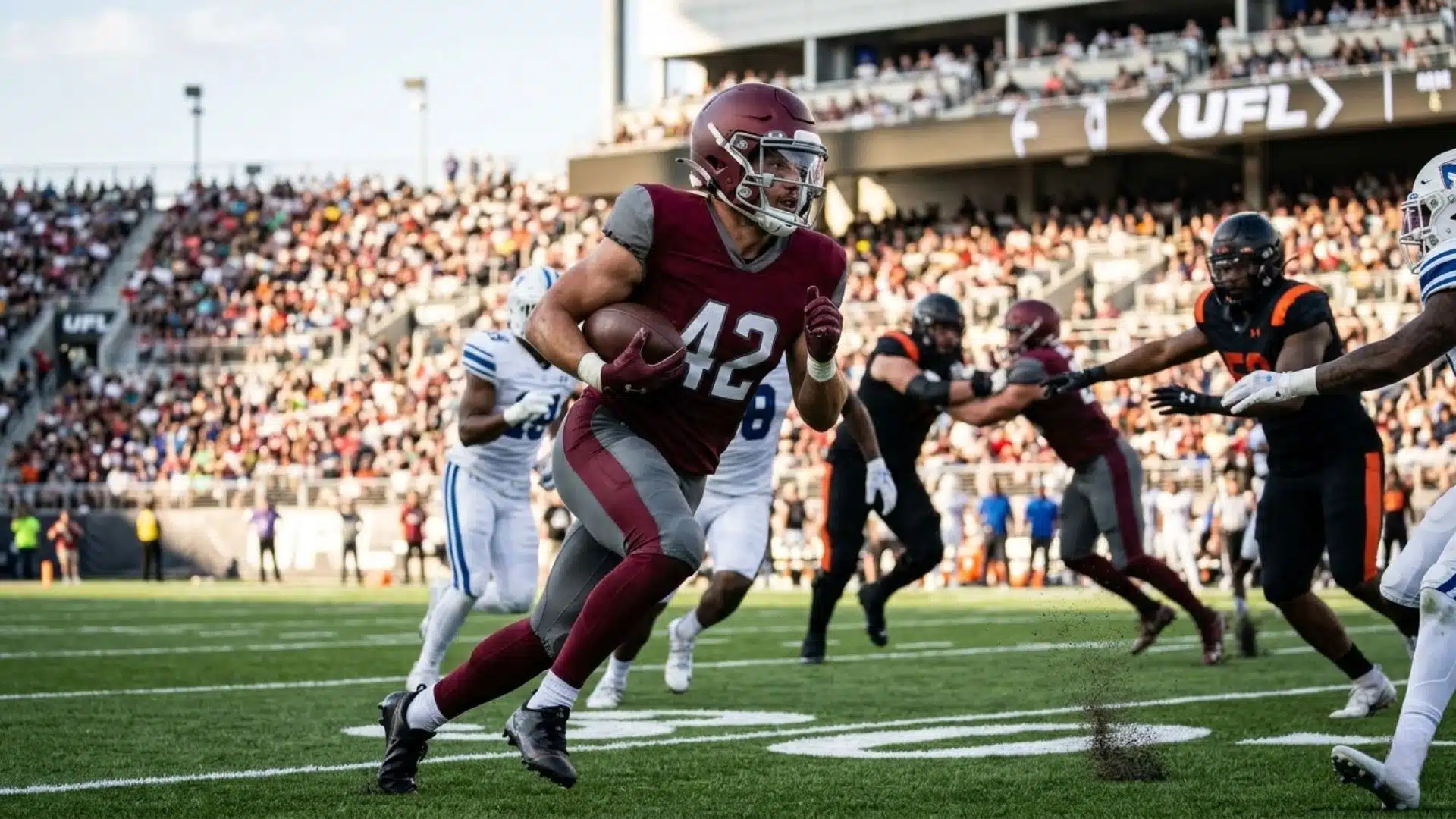
I often see people ask simple but important questions about newer football leagues. How much do players earn? Where do they stay during the season? And how long do they actually play? If you’re wondering the same, you’re not alone. I had these exact questions when I first started looking into the UFL and how it works for players. In this guide on UFL player pay, housing, and career length explained, I’ll break everything down in a clear and easy way. You’ll learn about weekly salaries, housing support, and what a typical career looks like in this league. I’ll keep things simple so you can understand what players experience each season. How Much Do UFL Players Get Paid? The current UFL team pay is designed to be simple and steady. Most players earn around $5,000 per week, which adds up over the short spring season. On top of that, players can earn win bonuses, usually a few hundred dollars per victory, which reward team performance. When compared to the NFL, even a practice squad player earns significantly more per week. However, UFL player earnings still provide a solid income for a shorter season and a chance to stay active in professional football. Lower pay reflects the league’s focus on stability and controlled spending. In return, players gain valuable game time, exposure, and opportunities to grow and move forward in their careers. Is UFL Player Pay Based on Experience or Skill? UFL player pay is mostly standardized, meaning most players earn similar weekly salaries regardless of experience. However, certain roles like quarterbacks or key starters may receive slightly higher compensation or added incentives. The league uses an equal pay structure to keep teams balanced, while still allowing standout players to earn more through bonuses and performance-based incentives. What Bonuses and Benefits […]
I’ve seen many fans wonder if playing in the UFL can really lead to the NFL. It’s a fair question. If you’re watching spring football, you probably want to know if it actually helps players move forward. I had the same thought when I first started following the league closely. In this guide on UFL to NFL moves, I’ll explain how the path works in simple terms. You’ll learn how players get noticed, what teams look for, and how some players turn UFL opportunities into bigger chances. Exposure often depends on where teams play and how games are set up, which ties closely to the current UFL team structure and stadium choices. I’ll also share real examples and break down what gives players the best chance to move up and build a stronger football career. How Do UFL Players Get Noticed by NFL Teams? UFL players get noticed through game performance and visibility, as scouts review recorded games to find players who show consistent skill, discipline, and strong performance over time. Regular playing time is a big advantage. Unlike practice squads, UFL players are on the field often, giving them more chances to prove themselves in real game situations. Strong performances across multiple games help build trust and make players easier to evaluate. Scouts also look at decision-making, physical condition, and how players handle pressure situations. Players who stay calm, follow game plans, and perform well in key moments are more likely to attract serious attention. What is the Path from UFL to NFL? The path from the UFL to the NFL is not direct, but it follows a clear process. Players move step by step, building performance, visibility, and opportunities along the way. 1. Join a UFL Team The first step for most players is signing with a UFL […]

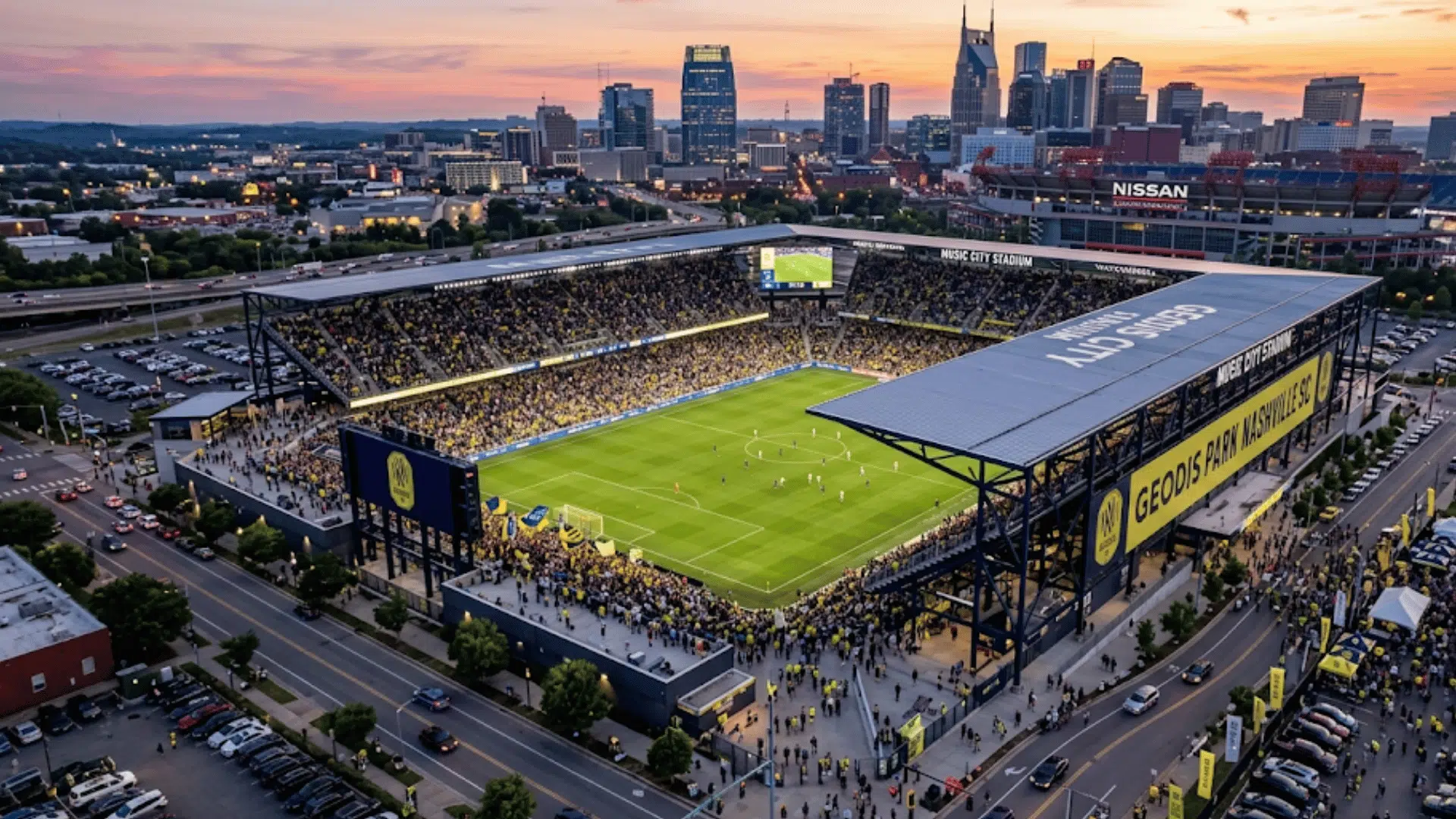
For years, soccer in the US meant sharing space with football stadiums with awkward sightlines, baseball parks with odd angles, and tracks that pushed fans too far from the pitch. That has changed fast. MLS expansion brought a wave of purpose-built venues designed around one sport and one sport only. Unlike football, where every field is identical, how soccer fields are designed and measured varies enough that two stadiums in the same city can have noticeably different playing surfaces. This blog will walk you through the largest soccer-only stadiums in the US, what makes them unique, and how they compare to global venues. Why Soccer-Only Stadiums Matter A stadium built purely for soccer looks and feels completely different from a shared venue. The stands wrap tighter around the pitch, sightlines are built for a horizontal game rather than a vertical one, and the atmosphere hits differently when there is no running track or football end zone pushing fans back. For players, the field dimensions can also vary from venue to venue, which affects how home teams set up tactically. Purpose-built stadiums have become a sign of how seriously a city takes its soccer club. The Largest Soccer-Only Stadiums in the US Ranked Here’s a closer look at the biggest soccer-only stadiums in the US, ranked by capacity, along with what makes each venue unique for fans and players alike. 1. Geodis Park: Nashville SC Geodis Park opened in 2022 with a capacity of 30,000, making it the largest soccer-specific stadium in the US and Canada. The venue sits in Nashville’s Wedgewood-Houston neighborhood and was built entirely with soccer in mind, from the steep lower bowl to the field dimensions that run at 115 x 75 yards on a natural grass surface. 2. Q2 Stadium: Austin FC Q2 Stadium, which opened […]

Most people never stop to think about how much space their favorite sport actually needs. A

The idea of 200,000 people packed into one place to watch a game sounds almost impossible.