
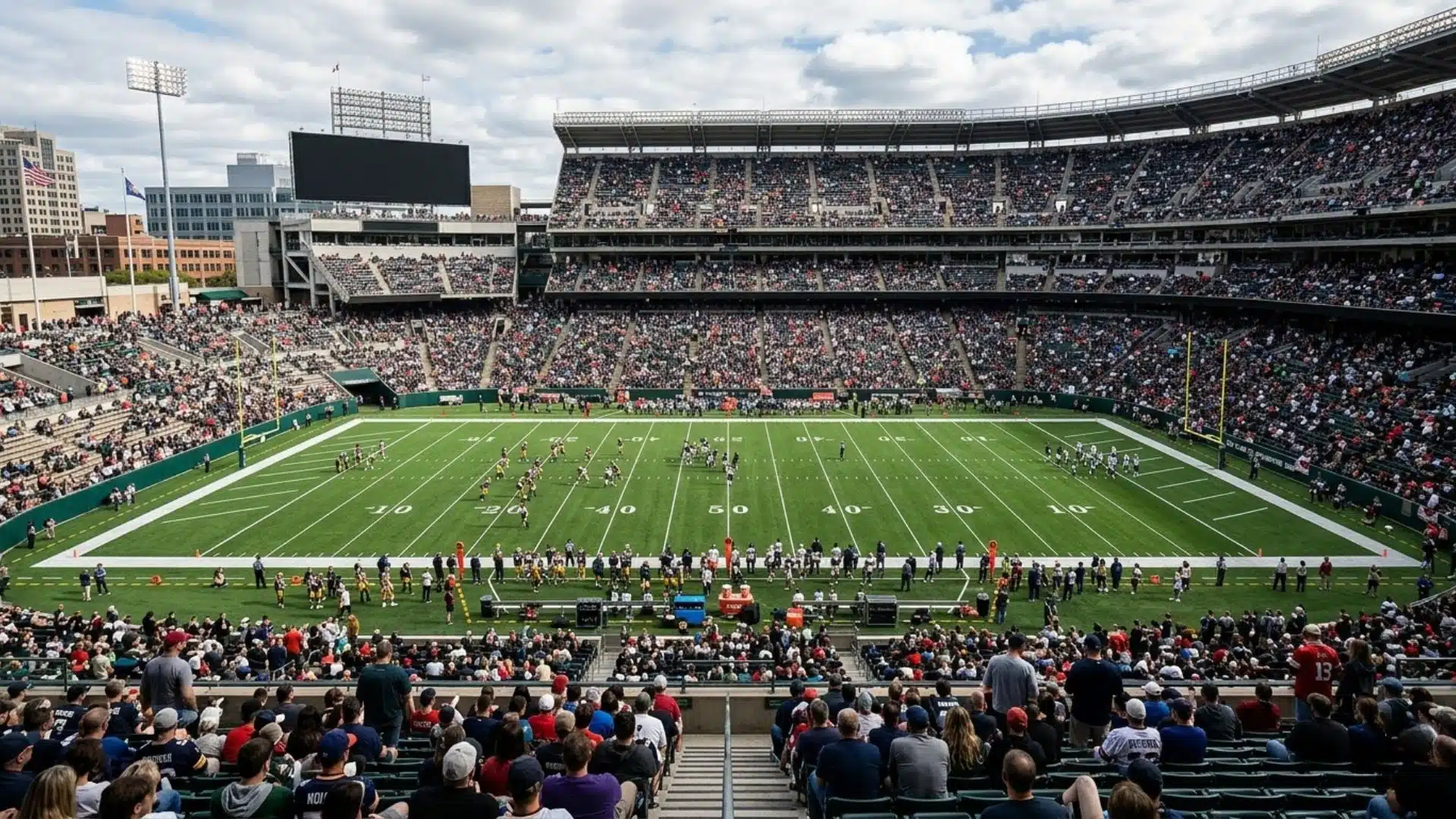




I’ve noticed that many people are curious about how a league like the UFL actually makes money.
If you’re following the games, you might wonder where the funding comes from, whether the league is profitable, and how attendance really affects it. I had the same questions when I started looking into it.
In this blog, I’ll break down UFL money in a simple way. You’ll learn about funding sources, how profit works, and why attendance matters for long-term growth.
Revenue and attendance trends are strongly influenced by where teams are based and the size of their venues, as seen in the current UFL team and stadium setup.
I’ll keep everything clear so you can understand how the financial side of the league works.
Where Does UFL Money Come From?
The UFL earns money from a mix of sources that help keep the league running smoothly. One of the main sources is broadcast deals, where networks and streaming platforms pay to show games to a wider audience.
Sponsorships also bring in steady revenue through brand partnerships, ads, and team deals. Ticket sales from fans attending games contribute to game-day income and local support.
In addition, league investors play an important role by providing financial backing, especially during the early stages of growth.
These combined sources allow the UFL to manage expenses, support teams, and build a stable structure while working toward long-term success.
How the UFL Funds Its Operations

The UFL uses multiple funding sources to support teams, manage expenses, and keep the league running smoothly throughout the season while planning for steady long-term growth.
- League Investment: Financial backing from league owners and investors helps cover early costs, support operations, and ensure stability as the league grows and builds a stronger foundation.
- Media Rights: Television and streaming deals bring in revenue by allowing networks to broadcast games, helping the league reach wider audiences and increase overall visibility.
- Sponsorship Deals: Brand partnerships provide steady income through advertising, team sponsorships, and promotional deals, supporting both league operations and marketing efforts throughout the season.
- Ticket Revenue: Money from ticket sales during games adds to league income, while also showing fan interest and helping teams build stronger connections with local communities.
Does the UFL Make a Profit?
The UFL is still growing as a league, so profit is not the main focus yet. Instead, it prioritizes stability, controlled spending, and long-term financial development.
| Aspect | Explanation |
|---|---|
| Current Profit Status | The UFL is still in an early stage, so profits are limited. Like most new leagues, it focuses more on building a stable foundation than generating immediate returns. |
| Growth Focus | The league prioritizes steady growth, expanding its fan base, improving team operations, and increasing visibility rather than pushing for short-term financial gains. |
| Spending Strategy | A controlled spending model helps manage costs. By using smaller stadiums and structured budgets, the UFL avoids overspending while maintaining operations. |
| Long-Term Outlook | Profit is expected to grow over time as attendance, sponsorships, and media deals improve, helping the league move toward financial stability. |
Why Attendance Matters for the UFL

Attendance plays a big role in how the UFL earns money and builds long-term stability.
Ticket sales from fans attending games add steady income, which helps cover team and stadium costs. Even moderate attendance can make a difference when managed well.
It builds strong fan engagement, as full stadiums create better energy, improve the game-day experience, and encourage repeat attendance while strengthening local support for teams.
The league’s focus on smaller stadiums also ties into attendance. By choosing venues that match crowd size, the UFL can create a fuller, more active atmosphere while keeping costs under control.
How Smaller Stadiums Help League Finances
Smaller stadiums help the UFL manage costs while improving the overall fan experience. This approach supports both financial stability and stronger game-day environments.
- Lower Costs: Smaller venues reduce expenses like staffing, maintenance, and operations, helping the league stay within budget and manage resources more efficiently.
- Better Atmosphere: A more filled stadium creates stronger energy, making games feel more exciting for both players and fans.
- Higher Fill Rate: Smaller capacity makes it easier to fill seats, which improves the visual appeal and overall perception of the league.
How UFL Money Affects Player Salaries and Benefits

The way the UFL manages its money has a direct impact on player salaries and benefits.
Since the league operates with a controlled budget, player pay is kept steady and structured rather than changing widely between players. This helps maintain balance across teams while keeping expenses manageable.
The league can also provide support like housing during the season, which reduces financial pressure on players and allows them to focus on performance.
However, salaries remain lower compared to larger leagues because of financial limits. This financial structure directly connects to how player salaries, housing, and overall career timelines are managed within the league.
Can the UFL Become Financially Stable Long-Term?
The UFL has the potential to become financially stable over time if it continues to follow a controlled and steady growth approach.
Instead of expanding too quickly, the league focuses on building strong local support, managing costs, and improving visibility. This helps reduce financial risk while allowing gradual progress.
If attendance grows and media interest increases, the league can strengthen its position. Long-term stability will depend on smart planning, consistent fan support, and maintaining a balance between growth and spending.
- Growth Potential
- Expansion Strategy
- Market Support
At the End
After looking at how the UFL handles funding, profit, and attendance, I think it’s clear that the league is focused more on stability than quick returns.
It uses steady income sources, keeps spending controlled, and builds around realistic growth.
I also see that attendance plays a big role in shaping the league’s future. When fans show up, it supports teams, improves the atmosphere, and helps the league move forward step by step.
The UFL may still be growing, but it has a clear plan in place. If it continues this approach, it can become more stable over time.
What do you think about how the UFL manages its money? Share your thoughts below and join the discussion.