




If you want to throw a fast, straight pitch with better control, the 4-seam fastball grip is a great place to start. It is one of the most common fastball grips in baseball and is used by beginners and pro players alike.
This grip helps the ball move clean through the air, making it easier to throw harder and aim better.
A proper fastball grip matters because even small changes in finger placement can affect your speed, control, and overall consistency on the mound.
In this guide, I’ll break down the 4-seam fastball grip simply and easily.
You’ll learn where to place your fingers on the seams, how tight to hold the ball, and how to release it for the best results.
I’ll also share how to throw a 4-seam fastball step by step, how it compares to other fastball grips, and common mistakes to avoid so you can improve faster and pitch with more confidence.
What Is a 4 Seam Fastball Grip?
A 4-seam fastball grip is the most common way pitchers hold a baseball to throw a fast, straight pitch.
To use this grip, the index and middle fingers rest across the seams on top of the ball, while the thumb sits underneath for support.
This finger placement helps the ball leave the hand smoothly and spin the right way. The main traits of a 4-seam fastball are speed, straight movement, and a slight rising effect as it travels to the plate.
The pitch does not truly rise, but the strong backspin makes it stay higher than hitters expect.
This grip is popular because it is easy to learn, gives reasonable control, and allows pitchers to throw harder with less effort.
Many pitchers start with this grip because it builds strong pitching basics and works well in many game situations.
4 Seam Fastball Grip: The Basics You Must Get Right
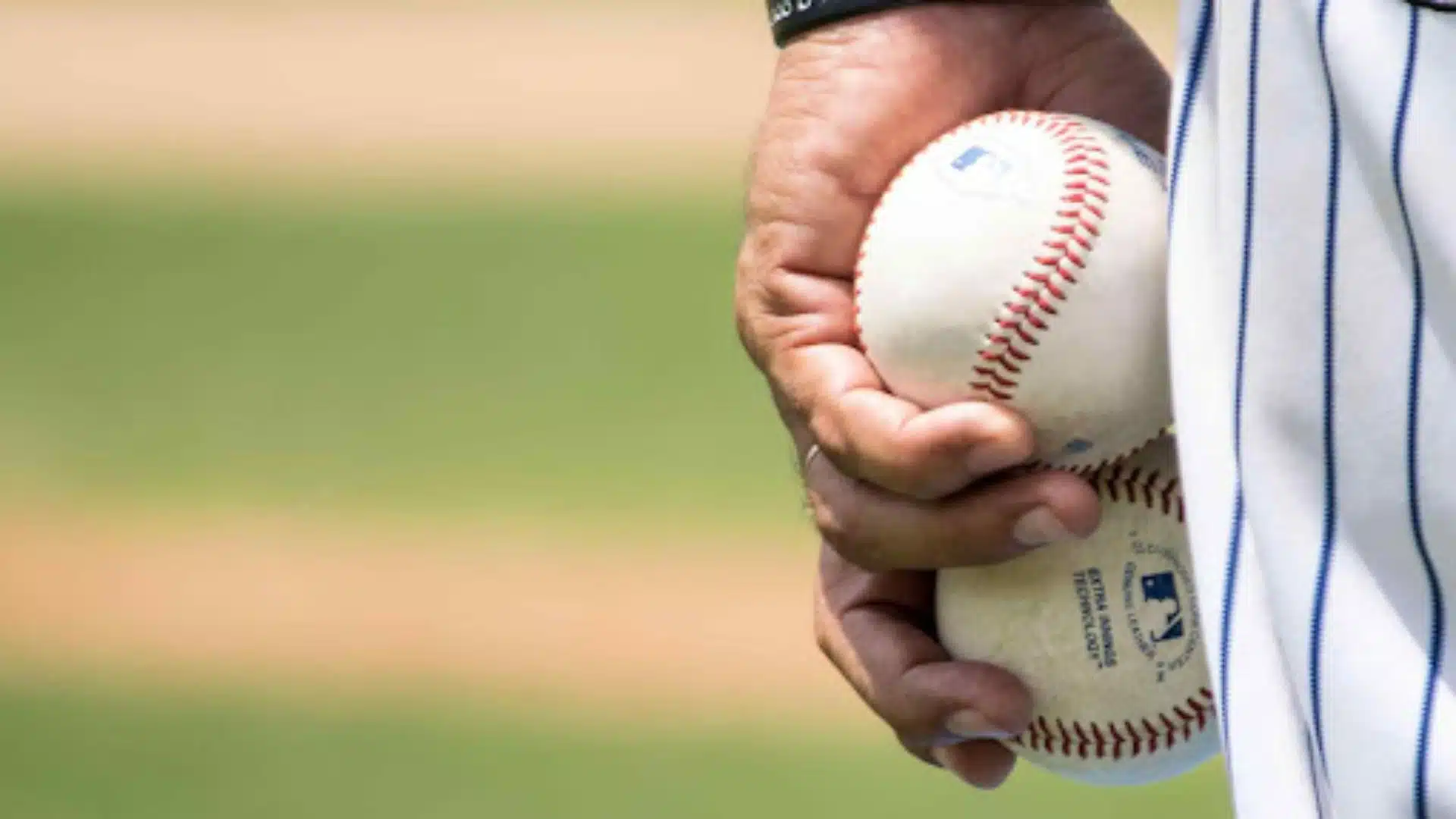
Before you start throwing harder or aiming better, you need to get the basics of your fastball grip right. A proper fastball grip helps you create clean spin, better control, and steady speed with less effort.
1. Finger placement on the seams
Place your index and middle fingers directly across the baseball’s seams, ideally over the horseshoe seams.
The finger pads should touch the seams, not the smooth leather, for better traction and control during release.
Fingers should be close together or slightly spaced, but not too wide, to keep the ball spinning cleanly and straight. This helps create good backspin and consistent velocity every time you throw.
2. Thumb Position Under the Ball
Your thumb should sit directly underneath the ball, roughly aligned with your two top fingers.
You can tuck the thumb closer to your palm or let it lie flat under the ball; both can feel comfortable depending on your hand size.
The thumb’s role is to stabilize the pitch and help balance the grip so the ball doesn’t slip or twist during release.
3. Grip Pressure and Hand Tension
Hold the ball firmly but not too tightly. Your fingertips, not your palm, should control the grip, with a small gap between the ball and your palm.
Too much pressure slows the release and reduces spin, while too little can cause the ball to slip.
A relaxed grip with tension in the fingertips creates better backspin, improves speed, and enhances overall control.
4. Common Grip Mistakes to Avoid
Avoid placing fingers off the seams, which reduces spin and makes the pitch less consistent.
Don’t spread your index and middle fingers too wide; this forked grip causes uneven force and poor spin. Also, avoid squeezing the ball too hard; it adds tension and slows the ball.
Finally, don’t let the middle finger dominate the release, as that can cause unwanted movement or loss of control.
How to Throw a Four-Seam Fastball Grip?
Learning how to throw a four-seam fastball starts with understanding the proper steps. Each part of the motion, from grip to follow-through, plays a role in speed and control.
Step 1: Set Your Fingers Correctly on the Seams
Start by gripping the ball with your index and middle fingertips directly across the seams on top of the baseball.
Your finger pads should touch the seams, not the smooth leather, so you can grab the ball and create strong backspin on release.
Keep your fingers close together (no wide forked grip) so force travels straight through the center of the ball. Your ring finger and pinky stay relaxed off to the side, only offering light support.
This setup helps maximize velocity and control because the ball spins cleanly and consistently when released.
Step 2: Align Your Wrist and Hand
After gripping the ball, position your wrist and hand in line with your arm so they feel connected. The wrist should stay straight, not bent, to keep your arm path efficient when pitching.
A neutral wrist allows you to drive the ball forward without adding unnecessary spin or off-axis movement.
Your thumb sits underneath, directly aligned with your fingers, providing balance and support.
This alignment helps your arm stay behind the ball as you throw, promoting backspin and a straighter flight path. Good hand and wrist alignment also reduces stress on your arm during high-speed throws.
Step 3: Arm Motion and Release Point
Begin your pitching motion with a smooth build-up of energy from your legs and core, then bring your throwing arm forward in a straight, overhead motion aimed at your target.
As your arm reaches the top of the motion, focus on releasing the ball when your hand is just above your head height. The ball should leave your fingertips, not your palm, to promote a clean backspin.
At release, pull the seams down behind the ball with your fingers to create consistent rotation.
A strong, coordinated arm motion and correct release point will add both speed and control to your fastball.
Step 4: Follow-Through for Control and Speed
After the ball leaves your hand, continue your motion with a strong follow-through. Your arm should continue down and across your body naturally.
Your back leg should move forward, your chest should face the target, and your throwing shoulder should finish low and relaxed.
A proper follow-through ensures you’ve transferred all the power from your legs, hips, and core into the pitch. It also helps reduce strain on your throwing arm and improves accuracy.
Pitchers who skip a complete follow-through often lose velocity and struggle to keep the ball in the strike zone.
This tutorial is based on a helpful video by Coach Dan Blewett. You can check out the original video on their YouTube channel here or watch it below.
4 Seam vs 2 Seam Fastball Grip: Key Differences at a Glance
The main comparison pitchers make is between the 4-seam fastball grip and the 2-seam fastball grip. Both are fastballs, but they behave very differently once released.
| Feature | 4 Seam Fastball | 2 Seam Fastball |
| Finger placement | Fingers across all four seams | Fingers along two seams |
| Speed | Faster | Slightly slower |
| Movement | Mostly straight with a rising look | Arm-side run and drop |
| Control | Easier to control | Harder to control |
| Best use | Power and accuracy | Movement and ground balls |
Tips to Improve Your Fastball Grip and Accuracy
Improving fastball grip and accuracy comes from minor, consistent adjustments. Simple drills, proper grip pressure, and hand positioning all play an essential role in throwing better pitches.
- Practice grip-focused throwing drills: Use wrist flick drills, one-knee throws, and short catch sessions to improve finger placement and backspin without full arm strength.
- Keep grip pressure relaxed: Hold the ball firmly, but avoid squeezing it. A comfortable grip allows a faster, cleaner release and better control. Too much tension often leads to wild throws and a loss of velocity.
- Adjust finger spacing based on hand size: Pitchers with smaller hands should keep fingers closer together, while those with larger hands can allow slight spacing. The goal is comfort and balance, not forcing a wide grip.
- Focus on fingertip control, not the palm: The ball should rest more on your fingertips than deep in your palm. Fingertip control improves spin, accuracy, and speed.
- Modify grip for youth & adult pitchers: Youth pitchers should prioritize comfort and safety with a lighter grip. Adult pitchers can apply more fingertip pressure while keeping the wrist and forearm loose.
Who Should Use the 4 Seam Fastball Grip?
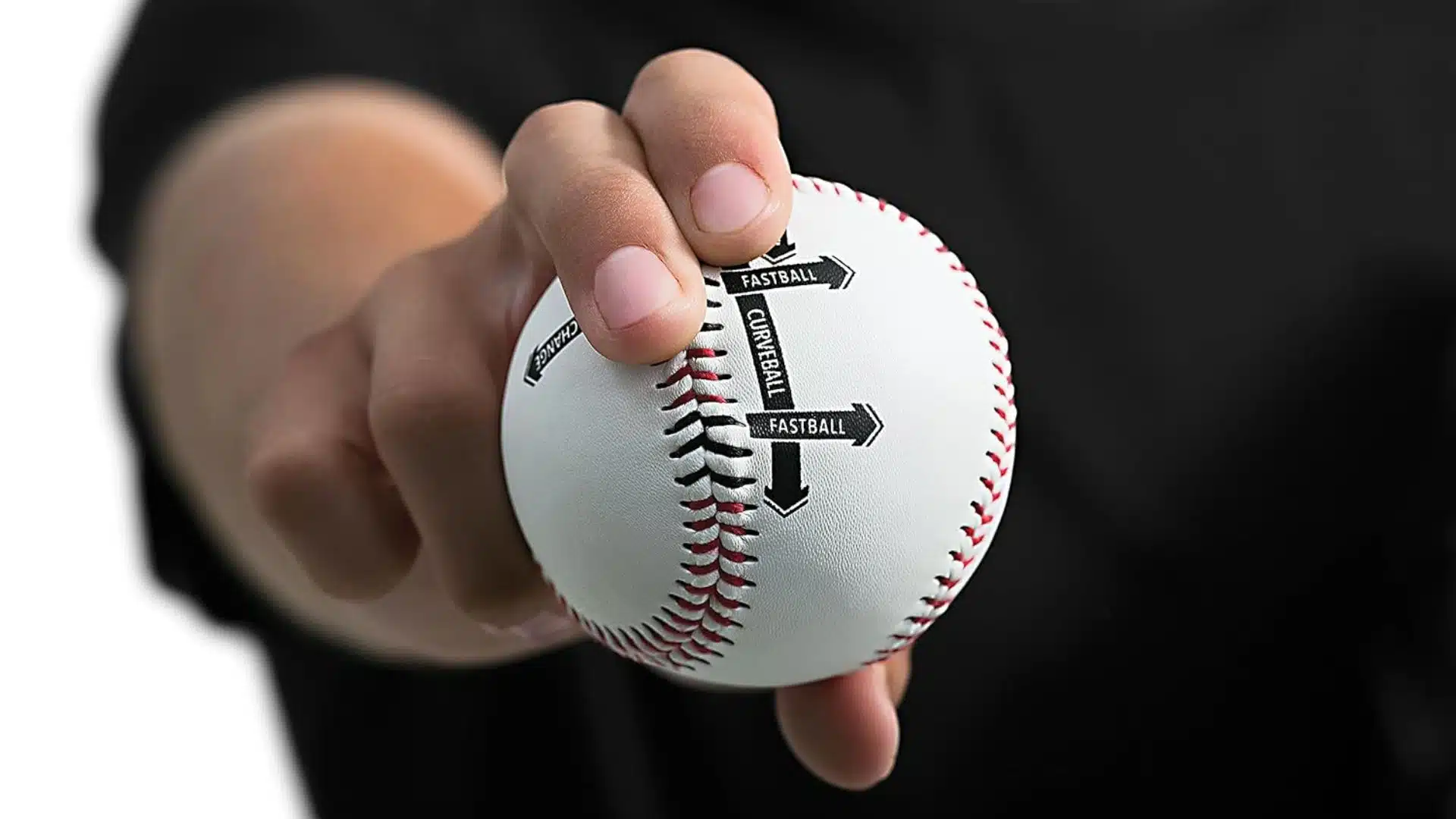
The 4-seam fastball grip is a strong choice for many types of pitchers. Beginners often start with this grip because it is simple to learn and helps develop good pitching habits.
The straight ball flight makes it easier for new pitchers to focus on control, balance, and proper arm motion without worrying about extra movement.
Competitive and advanced pitchers also rely on the 4-seam fastball grip.
It allows them to throw with high speed and confidence, especially when they need a pitch they can locate well.
Many pitchers use it to set up other pitches or challenge hitters directly. This grip works best in situations where a fast, straight pitch is needed.
It is often used to get ahead in the count, attack the strike zone, or throw high fastballs to force swings and misses.
Because of its speed and reliability, the 4-seam fastball remains a key pitch at every level of play.
Conclusion
Mastering the 4-seam fastball grip starts with getting the basics right. Proper finger placement on the seams, a balanced thumb position, and relaxed grip pressure all work together to create speed and control.
Small details can improve pitch speed and control. Regular practice helps build muscle memory, making the grip feel natural under pressure.
The more often it is practiced, the easier it becomes to repeat the same release and movement.
Every pitcher’s hand is different, so it’s essential to test and fine-tune the grip. Minor adjustments can improve comfort, accuracy, and confidence.
With steady practice and patience, the 4-seam fastball grip can become a reliable and compelling pitch.
Ready to practice this grip, make minor tweaks, and build a fastball you can trust every time you pitch?
Frequently Asked Questions
Does Grip Alone Increase Fastball Speed?
Grip helps, but speed comes from proper mechanics, arm strength, and timing. A good grip allows efficient power transfer, but it will not replace solid throwing mechanics.
Why Does My 4-Seam Fastball Feel Slow Even with the Right Grip?
This often happens due to poor wrist position, early release, or lack of backspin, even with a correct grip; mechanics and follow-through matter.
Should the Ball Touch the Palm when Throwing a 4 Seam Fastball?
No. The ball should rest mainly on the fingertips. Too much palm contact reduces spin and speed.
Is the 4-Seam Fastball Effective Against Advanced Hitters?
Yes. When located well, exceptionally high in the zone or on corners, it remains one of the most effective pitches even at higher levels.
How Long Does It Take to Master the 4-Seam Fastball Grip?
Most pitchers feel comfortable within a few weeks, but proper consistency comes with regular practice and repetition.