
May 16, 2026
The US soccer pyramid is the framework that organizes every professional, amateur, and youth league in the United States into a clear hierarchy. At the top sits Major League Soccer. Below it, multiple tiers of professional and semi-professional leagues run down to grassroots clubs. Understanding how these levels connect helps you follow player careers, predict where rising talent goes next, and appreciate why the American system operates so differently from leagues in Europe or South America. I’ve covered domestic soccer long enough to remember when most casual fans had no idea MLS had a second division, let alone five sanctioned tiers. That’s changed fast. With the 2026 FIFA World Cup landing on US soil, interest in the full pyramid has spiked, not just the top league. What Is the US Soccer Pyramid? The US soccer pyramid shows how soccer leagues in the United States are organized. It places leagues in levels, starting with the highest professional leagues at the top and moving down to lower divisions and amateur teams. Each level represents a different level of play, competition, and organization. U.S. Soccer officially sanctions five division tiers for men’s professional leagues, plus additional levels for amateur and youth competition. The pyramid is not a promotion-and-relegation system like in England’s football pyramid; teams do not automatically move between tiers based on results. Instead, each tier has its own licensing standards, and clubs apply to operate at a given level. That distinction shapes almost everything about how American soccer is structured. How Does the US Soccer League System Work? The US soccer league system is organized by U.S. Soccer, which is the official governing body of the sport in the country. U.S. Soccer assigns divisions to leagues and sets standards that leagues must follow to compete at each level. These standards help […]

Watching soccer for the first time can feel a little confusing because the game clock works differently from many other sports. Soccer follows its own match format, and once you learn the basics, the timing makes much more sense. In this guide, I’ll explain how many quarters or halves in a soccer game, how long each section lasts, and what happens during halftime. You’ll also learn about stoppage time, extra time, and how game length can change in youth, high school, and college soccer. By the end, you’ll know why most soccer matches are played in halves instead of quarters and how the timing rules work in different levels of the sport. How Many Quarters Are in a Soccer Game? A standard soccer game has zero quarters. The match is divided into two 45-minute halves, totaling 90 minutes of play. That is the format used at every professional level, including the Premier League, MLS, and FIFA World Cup. Quarters do appear in youth leagues and some indoor formats, but they are the exception, not the rule. This structure is governed by the Laws of the Game, maintained by the International Football Association Board (IFAB). Law 7 specifically sets match duration at two equal halves of 45 minutes each. Those rules apply globally, from local amateur clubs up to the World Cup. The clock keeps running during play, even when the ball goes out of bounds or players stop briefly. Because of that, referees add extra minutes called stoppage time at the end of each half. Some youth soccer leagues may use quarters to give players more water breaks and rest time. Still, professional and international soccer matches almost always follow the two-half format. Difference Between Quarters and Halves in Soccer Knowing the difference makes it easier to understand how soccer […]

Baseball is exciting to watch, but some rules can feel confusing at first, especially for new fans. One of the most misunderstood rules in the game is the infield fly rule. I remember being confused the first time I heard an umpire call a batter out before the ball was even caught. It seemed strange and unfair until I learned why the rule exists. If you have ever watched a game and wondered what just happened during an infield fly call, then you’re at the right place. In this guide, you will learn what the infield fly rule is, when umpires use it, and why baseball needs it to prevent unfair double plays. After reading, you should feel more confident in recognizing the rule during live games and broadcasts. What Is the Infield Fly Rule? The infield fly rule is a baseball rule that stops fielders from getting an easy double play on a simple pop-up. It applies when there are runners on first and second base, or bases loaded, with less than two outs. If the batter hits a high fly ball that an infielder can catch with normal effort, the umpire calls “infield fly.” Once the call is made, the batter is automatically out, even if the ball drops to the ground. The runners can stay on their bases without being forced to run. This rule keeps the defense from letting the ball fall on purpose just to quickly tag runners out. The rule only applies to fair fly balls and not line drives or bunts. Umpires decide if the play qualifies based on how easy the catch should be. It helps keep the game fair and prevents trick plays. Why the Infield Fly Rule Was Created? The infield fly rule was introduced in baseball in 1895 to […]
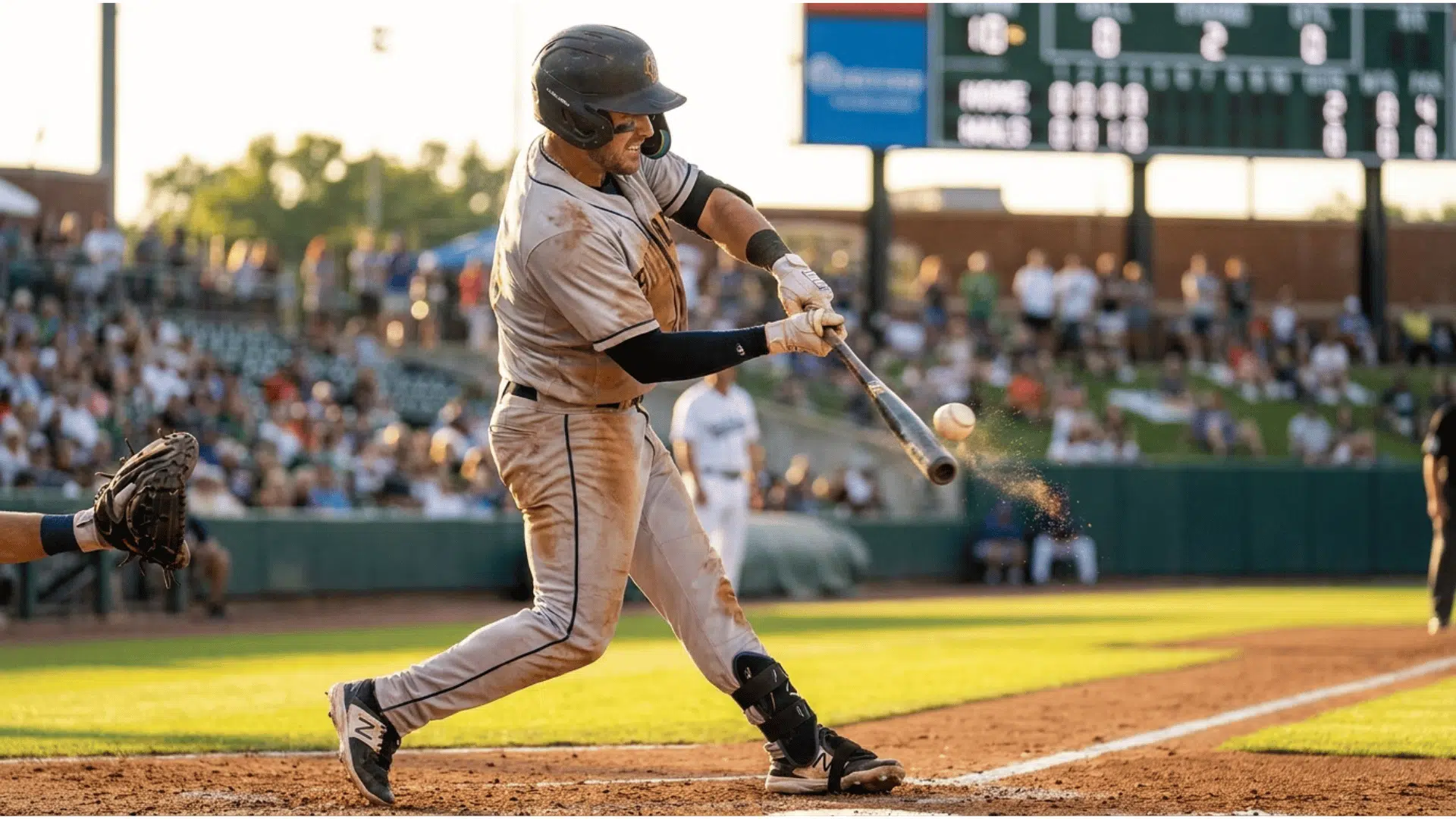
If you want to throw a fast, straight pitch with better control, the 4-seam fastball grip is a great place to start. It is one of the most common fastball grips in baseball and is used by beginners and pro players alike. This grip helps the ball move clean through the air, making it easier to throw harder and aim better. A proper fastball grip matters because even small changes in finger placement can affect your speed, control, and overall consistency on the mound. In this guide, I’ll break down the 4-seam fastball grip simply and easily. You’ll learn where to place your fingers on the seams, how tight to hold the ball, and how to release it for the best results. I’ll also share how to throw a 4-seam fastball step by step, how it compares to other fastball grips, and common mistakes to avoid so you can improve faster and pitch with more confidence. What Is a 4 Seam Fastball Grip? A 4-seam fastball grip is the most common way pitchers hold a baseball to throw a fast, straight pitch. To use this grip, the index and middle fingers rest across the seams on top of the ball, while the thumb sits underneath for support. This finger placement helps the ball leave the hand smoothly and spin the right way. The main traits of a 4-seam fastball are speed, straight movement, and a slight rising effect as it travels to the plate. The pitch does not truly rise, but the strong backspin makes it stay higher than hitters expect. This grip is popular because it is easy to learn, gives reasonable control, and allows pitchers to throw harder with less effort. Many pitchers start with this grip because it builds strong pitching basics and works well in many […]


Many people dream of playing soccer professionally, but few know where to begin. And the process