





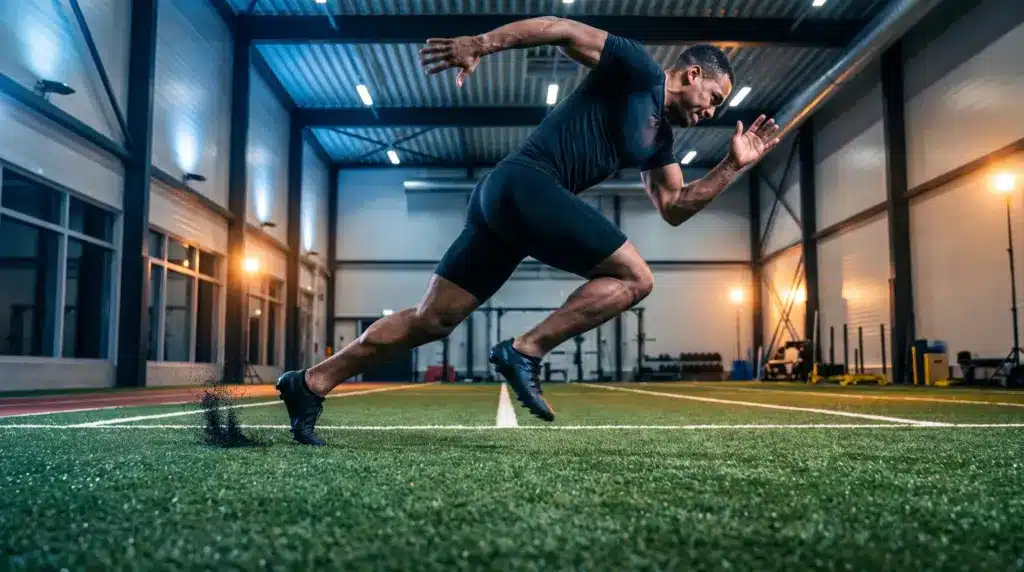
Not every player is fast, and not every player has a cannon for an arm. But the best players in baseball tend to do a little bit of everything well. That’s where the five tools come in.
In this guide, you will learn what these 5 tools of baseball are and what it takes to build them.
You’ll learn what coaches and scouts look for, how each skill is measured, and what you can do to improve.
This five-tool guide to baseball covers speed, arm strength, fielding, hitting for average, and hitting for power, one tool at a time, with real tips you can actually use.
If you play rec league or travel ball, understanding these skills gives you a clearer picture of where you stand and what to work on next.
This will also help you train with purpose and take real steps toward becoming a complete player.
What are the 5 Tools of Baseball?
The 5 tools of baseball are speed, arm strength, fielding, hitting for average, and hitting for power.
These are the five skills scouts and coaches use to measure a player’s overall ability on the field. Each tool represents a different part of the game.
A player who excels in all five is called a five-tool player, and that’s one of the highest compliments in baseball.
Most players are strong in one or two tools. That’s completely normal.
But understanding all five helps players know where to focus their training. Scouts use these tools to grade players from youth leagues all the way up to the pros.
The better a player scores across all five, the more valuable they are to a team.
Why the 5 Tools Matter for Every Player?
The 5 tools matter because they give players and coaches a clear way to measure ability. Instead of a vague sense of who’s “good,” there’s a real framework for evaluating what a player can actually do.
For scouts, the tools act as a checklist. Players with strong grades across all five have a better chance of getting signed.
Knowing the tools helps players set clear goals and focus on training. Coaches at all levels use these same five skills to evaluate players.
Knowing where strengths and weaknesses lie is the first step toward real improvement.
One thing I noticed while coaching is that most players know they need to “get better at hitting,” but they don’t know which part of hitting is actually holding them back.
The five-tool framework gives that vagueness a structure.
Once a 14-year-old understands that his contact tool is a 40 but his speed is a 60, he knows where to invest practice time.
That clarity alone changes the trajectory of training.
The 5 Tools of Baseball
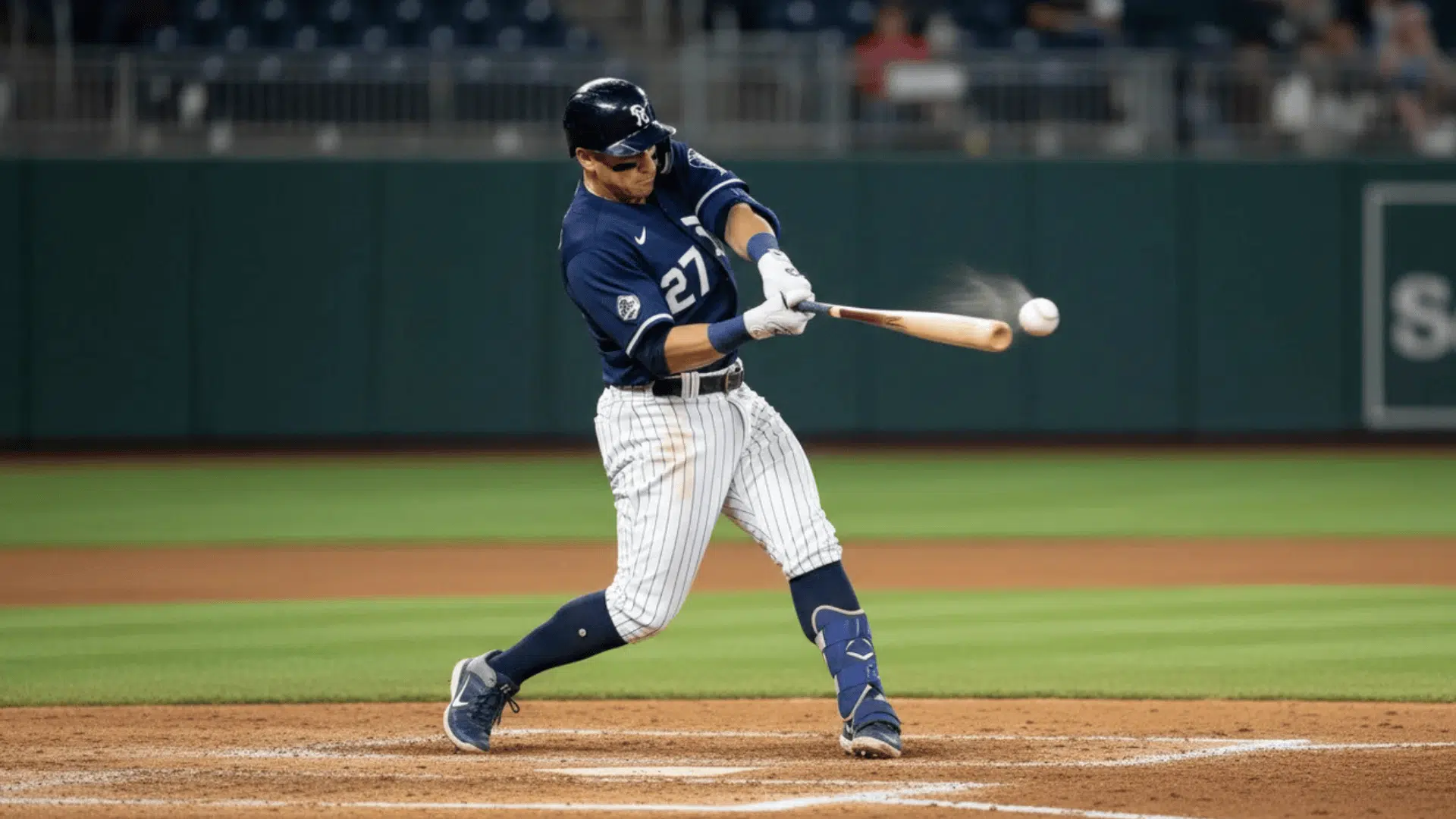
Each tool covers a different skill set that makes a complete baseball player. Below is a closer look at what each one means and how to work on it.
1. Hitting for Average
Hitting for average means making consistent contact with the ball. It’s not about hitting home runs; it’s about getting on base regularly.
Players with a high batting average read pitches well, stay balanced at the plate, and rarely chase bad throws. To improve contact, work on pitch recognition drills, tee work, and soft toss. Keep your swing short and compact.
The best contact hitters train their eyes just as much as their swing mechanics.
Standing in during bullpen sessions to read spin and release points is one of the most underused drills at the youth level.
2. Hitting for Power
Hitting for power is the ability to drive the ball deep into the outfield or over the fence. It comes from bat speed, timing, and total body strength working together.
Scouts now track this tool using exit velocity and launch angle; tools like HitTrax make it measurable even at the travel-ball level.
A player who consistently posts exit velocities above 95 mph with an optimal launch angle (roughly 10–25 degrees for line drives and fly balls) will get noticed, regardless of home run totals.
Rotational strength training, medicine ball throws, cable rotations, and hip-hinge movements build the core power behind hard contact.
Bat speed matters more than size. Focus on mechanics and strength before worrying about raw numbers.
3. Base Running Skills
Base running is more than raw speed. It’s about reading the field, knowing when to run, and making smart decisions.
Scouts measure this tool in two ways: pure sprint speed (peak feet per second in a player’s fastest one-second window) and usable speed (how well a player actually applies that speed in game situations).
A fast player who runs into outs grades lower than a slightly slower player who reads situations well and takes the right routes on the bases.
Good base runners study pitchers, get strong primary and secondary leads, and learn to round bases without breaking stride. Reaction time, jump reads on contact, and first-step quickness are all trainable.
Sprint drills and agility work improve game speed. Don’t assume this skill is fixed.
4. Throwing Ability
Scouts measure throwing velocity from a player’s natural position, a shortstop throwing across the diamond, an outfielder throwing to a cutoff, and a catcher’s pop time to second base.
Arm strength is trainable through long-toss programs, but mechanics come first.
Throwing hard with poor arm action puts serious stress on the elbow and shoulder. Get your arm path right before you chase velocity.
Accuracy comes from consistent footwork and follow-through.
A catcher who pops to second in 1.9 seconds with a clean exchange is going to get noticed before one who throws harder but loses time in the transfer.
Build strength and control together; they’re not separate skills.
5. Fielding Skills
Fielding is about more than catching the ball; it’s about positioning, footwork, and reacting quickly to what happens in front of you.
Scouts evaluate this tool using athleticism markers like vertical jump and 5-10-5 shuttle time, along with position-specific skills: footwork, range, hands, instincts, and mechanics.
The number one indicator of fielding ability is athleticism. A player who moves well and reads the ball off the bat has a ceiling that average-bodied players don’t.
Good fielders study hitters, anticipate ball placement before the pitch is thrown, and move into position early.
Soft hands, low center of gravity, and quick first steps all matter. Agility drills, daily ground ball reps, and fly ball tracking work are the fastest ways to improve this tool.
Positioning and anticipation separate good defenders from great ones, and those are entirely coachable skills.
How Scouts Actually Score the 5 Tools?
When professional scouts evaluate a player, they don’t just say “good” or “bad.” They use the 20–80 scouting scale, the industry standard grading system used by MLB organizations.
On this scale, 50 is average for a major league player, 60 is above average, 70 is plus-plus, and 80 is the best in the game at that skill, think Shohei Ohtani’s raw power or Mookie Betts defending in right field.
Below-average tools fall in the 40s and below.
Scouts assign both a present grade and a future grade for each tool, written as something like 40/60, meaning a player has below-average skills now but projects as above average with development.
For youth and high school players, a wide gap between present and future grades is completely normal and expected.
You don’t need to know your exact grade to benefit from understanding the scale. What it tells you is this: scouts are looking for long-term projection, not just where you are today.
How to Train Like a 5 Tool Baseball Player?
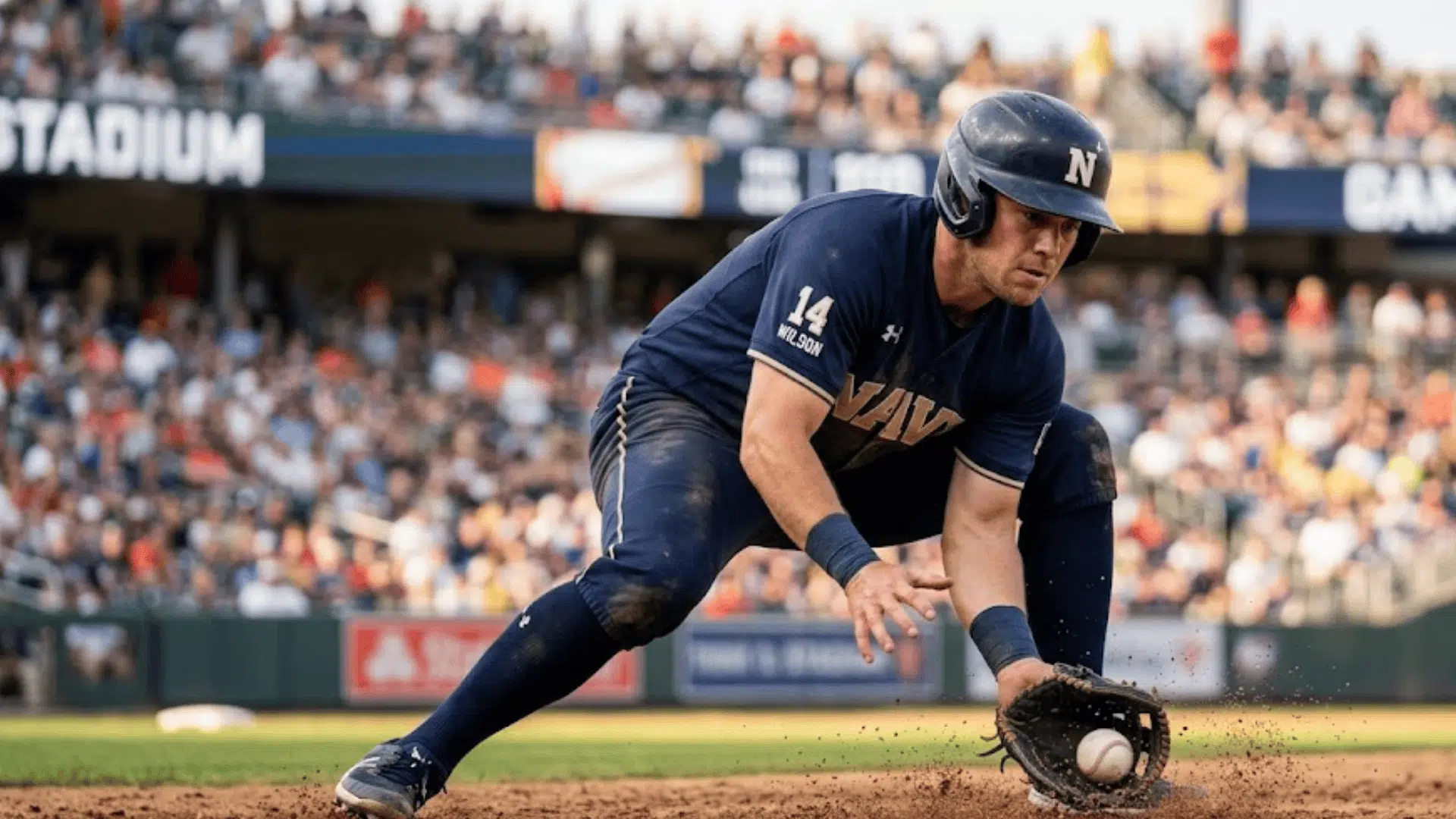
Training for all five tools takes planning. Working on one skill at a time is fine, but the best players build routines that consistently cover every area.
A good weekly plan balances hitting drills, fielding work, throwing sessions, speed training, and strength work. Skipping any one tool for too long creates gaps that show up during games.
Rest and recovery matter just as much as the work itself. Overtraining leads to burnout and injury, both of which slow progress fast.
Film study and coaching feedback help surface weaknesses that are hard to catch on your own.
Tracking objective metrics, exit velocity, sprint speed, and throwing velocity, is the most reliable way to see if your training is translating.
If a number isn’t moving after four to six weeks, the program needs to change, not just the effort level.
The players who improve fastest are the ones who train with a purpose, not just putting in time.
Daily Drills to Improve All 5 Baseball Tools
Consistent practice is what separates players who talk about getting better from those who actually do. These drills target each tool directly and can fit into any training schedule.
- Tee Work: Hitting off a tee every day builds muscle memory and keeps swing mechanics sharp. Focus on the contact point and hip rotation rather than just swinging hard.
- Soft Toss Drills: A partner tosses from the side while the hitter works on timing and bat path. Simple and effective for better contact.
- Long Toss Program: Start at short distances and gradually increase the throwing distance each session. This builds arm strength over time without putting too much stress on the shoulder.
- Ground Ball Repetitions: Take 20–30 ground balls daily to improve footwork, reactions, and hands.
- Sprint Intervals: Short burst sprints of 30 to 60 feet train the explosive speed needed on the bases and in the field. Rest between reps to keep effort high on each run.
- Rotational Strength Training: Medicine ball throws and cable rotations build core power for hitting and throwing. Two to three sessions per week work well.
- Fly Ball Tracking: Practice reading the ball and taking the right route. Repetition makes it look easy.
- Bullpen Stand-Ins: Stand in the box during bullpen sessions to read pitch spin and release. This builds pitch recognition faster than soft toss and is often skipped.
Common Mistakes Players Should Avoid
Even hardworking players can hold themselves back without realizing it. These are the most common mistakes that slow down skill development across all five tools.
| Mistake | Why It’s a Problem | How to Fix It |
|---|---|---|
| Skipping Weak Tools | Only training strengths create gaps scouts will spot fast. | Schedule time for all five tools every week, not just the fun ones. |
| Swinging for Power Too Early | Chasing home runs before mastering contact leads to broken mechanics. | Lock in contact and swing mechanics first, then add power work. |
| Neglecting Arm Care | Skipping warm-ups and rest days strains the shoulder and elbow. | Always warm up before throwing and take regular rest days. |
| Poor Footwork on Defense | Bad footwork causes most fielding errors, yet few players practice it. | Add ladder drills and ground ball reps to every practice session. |
| Ignoring Base Running | Poor reads and slow decisions cost teams runs regardless of speed. | Study film of situations and practice live reads off the pitcher. |
| Training Without a Plan | Random practice wastes time and slows progress. | Write a weekly plan with clear goals and review it regularly. |
| Skipping Recovery Days | Daily practice without rest leads to burnout and injury. | Take one or two rest days per week for stretching and recovery. |
Tips to Stand Out as a Complete Baseball Player
Standing out takes more than raw talent. These tips cover the habits and mindsets that help players get noticed at every level of the game.
- Show Up Consistently: Coaches notice players who are always at practice and always putting in effort. Reliability builds trust faster than a single standout performance ever will.
- Work on the Mental Game: Focus, resilience, and composure matter as much as skill. Strong minds make players easier to coach.
- Ask for Feedback: Players who seek out criticism and apply it improve much faster than those who avoid it. Coaches invest more time in players who are open to being coached.
- Study the Game: Watching film, learning tendencies, and understanding situations on the field make every tool more effective. Baseball IQ separates players with similar physical skills.
- Play Multiple Positions: Playing multiple positions adds value and shows adaptability and effort.
- Keep a Training Log: Tracking workouts and goals builds accountability and shows progress. It also helps spot patterns and adjust training.
- Compete in Every Rep: Treat every drill like it matters. Practice effort separates players as competition rises.
Conclusion
Mastering the 5 tools of baseball doesn’t happen overnight. It takes consistent work, honest self-assessment, and a willingness to improve in areas that don’t come naturally.
The good news is that every tool can be developed. Speed, arm strength, fielding, contact, and power all respond to smart, focused training.
Even Mike Trout, widely considered the most complete modern player, has spent his career refining tools he didn’t arrive with at the MLB level. No player starts out grading 70 across the board.
The 20–80 scale exists precisely because development is gradual, measurable, and real.
Start with one tool, build a routine, and stay patient with the process. Small improvements add up fast.
Have you started working on any of these tools? Share your experience in the comments below. I would love to hear where you are in your baseball journey.