
Sports Fundamentals
If you’ve watched a football game and wondered how quarterbacks find an open receiver so quickly, the smash concept football play is a great place to start. Coaches at every level use this passing concept because it gives the quarterback two strong options against common defensive coverages. I like how it keeps things simple while still putting pressure on the defense. Once you understand the routes, quarterback reads, and how defenses try to stop them, you’ll have a much better idea of why this play remains one of the most trusted passing concepts in football. What Is the Smash Concept in Football? The Smash Concept is a two-receiver passing combination that places an outside defender in a high-low conflict. In its basic form, the outside receiver runs a short hitch route while the inside receiver runs a corner route. The hitch settles underneath the coverage, and the corner route attacks the open area near the sideline. The quarterback reads the cornerback or flat defender and throws based on that player’s movement. If the defender stays low to cover the hitch, the corner route may open behind the coverage. If the defender drops with the corner route, the quarterback can throw underneath to the hitch. Coaches can run the concept from several formations and adjust the routes for field position, coverage, or player strengths. It is often called against Cover 2, though teams can adapt it for man and other zone coverages. Why Does the Smash Concept Work? The smash concept works by creating a high-low stretch on the outside defender, forcing the defense into a difficult coverage decision. Creates a Flat-Deep Conflict: The short hitch or curl route draws the cornerback toward the flat, opening space behind for the corner route. Exploits Two-High Safety Coverage: In Cover 2 and similar […]

Cover 0 has a reputation as football’s most reckless defensive call, but that reputation only tells part of the story. Many fans think it simply means sending as many pass rushers as possible and hoping someone reaches the quarterback. In reality, Cover 0 is a carefully planned strategy built on one idea: take away the quarterback’s time before receivers can get open. It also makes it easier to see why offenses change protections, use motion before the snap, and rely on quick passing concepts. The possibility of heavy pressure influences every decision on offense. Learning how Cover 0 works, why coaches call it despite its risks, and how it differs from other coverage schemes provides a clearer picture of its role in modern defenses. What Is Cover 0 Defense? Cover 0 is a defensive coverage that uses man-to-man coverage with no deep safety help while sending heavy pressure on the quarterback. Each receiver gets a defender, while extra defenders blitz the quarterback. Unlike zone-based coverages that prioritize preventing deep passes, Cover 0 accepts the risk of one-on-one matchups in exchange for creating immediate disruption. Its primary goal is to pressure the quarterback before routes can develop, leading to hurried throws, sacks, or turnovers. Although it is one of football’s most aggressive defensive strategies, coaches typically use Cover 0 in specific situations where the potential reward outweighs the risk of leaving no defender deep. Anatomy of a Cover 0 Defense Every defender has a specific role in Cover 0. Although the formation may look aggressive before the snap, success depends on every player executing their assignment rather than simply rushing the quarterback. Position Primary Responsibility Cornerbacks Cover wide receivers in man coverage Safeties Blitz or cover a tight end or running back Linebackers Blitz interior gaps or cover eligible receivers Defensive […]

If you’ve watched a volleyball match, you’ve likely noticed a player making key digs, accurate passes, and smart defensive plays. This player is the Defensive Specialist (DS). DS has its own significance in a volleyball team. While the position rarely stands out on the scoreboard, it plays a crucial role in keeping rallies alive and helping the team transition from defense to offense. This guide explains the defensive specialist position, its responsibilities, key skills, how it differs from a libero, and its role at every level of play. What Is a DS in Volleyball? A Defensive Specialist (DS) is a back-row player whose primary job is to improve a team’s defense through passing, serve receive, and digging. Coaches usually substitute a DS for front-row players with weaker defensive skills. This improves ball control and creates better scoring opportunities. While a DS rarely scores points, their defensive consistency is often the foundation of successful rallies. Coaches use a DS to improve back-row defense, passing, and overall ball control without disrupting the offensive lineup. What Are the Key Responsibilities of a DS in Volleyball? A Defensive Specialist performs several defensive duties that help maintain ball control, improve team coordination, and create offensive opportunities. 1. Mastering Serve Receive A DS plays a major role in serve receive by controlling difficult serves and delivering accurate passes to the setter. Good serve-receive allows the team to build organized attacks rather than scrambling after poor passes. A DS must read the server, adjust positioning quickly, and maintain proper passing technique. Consistent serve-receive helps reduce errors, improves offensive flow, and it also gives hitters better chances to score during each rally. 2. Improving Digging Skills Digging is one of the most important responsibilities of a DS because it keeps powerful attacks from ending rallies. A DS must […]

Why does an offensive system created decades ago still influence football strategy today? While many formations have changed with faster offenses and new passing concepts, the Flexbone offense continues to prove its value at different levels of the game. Its continued success comes from adjusting to rule changes, coaching approaches, and player strengths while staying true to the core principles that made it effective. Some teams center their offense on the Flexbone, while others blend its option concepts into balanced systems. This guide explains how the Flexbone offense evolved, the key changes that shaped it, and the lasting impact it continues to have on modern football today. What Is the Flexbone Offense? The Flexbone offense is a run-first football system built around option plays, disciplined blocking, and multiple rushing threats. The quarterback reads defenders after the snap and selects the best ball carrier based on their reaction. Instead of depending on frequent passing, the Flexbone controls the pace through consistent rushing and extended drives. The system became well known through successful college programs, particularly the U.S. service academies, and its principles continue to influence football at both the college and high school levels. Many teams still use Flexbone option concepts, pre-snap motion, and disciplined rushing, proving its core ideas remain effective in modern football. What Are the Core Principles Behind the Offense? The Flexbone offense is built on disciplined execution, option-based decision-making, and ball control. Quarterback Reads: After the snap, the quarterback reads key defenders before deciding to hand off, keep the ball, or pitch it. Multiple Running Options: Each play forces defenders to commit, creating several rushing opportunities from the same formation. Ball Control: Long, methodical drives help control time of possession and limit the opponent’s scoring opportunities. Defined Player Roles: Every player has a specific assignment that supports […]

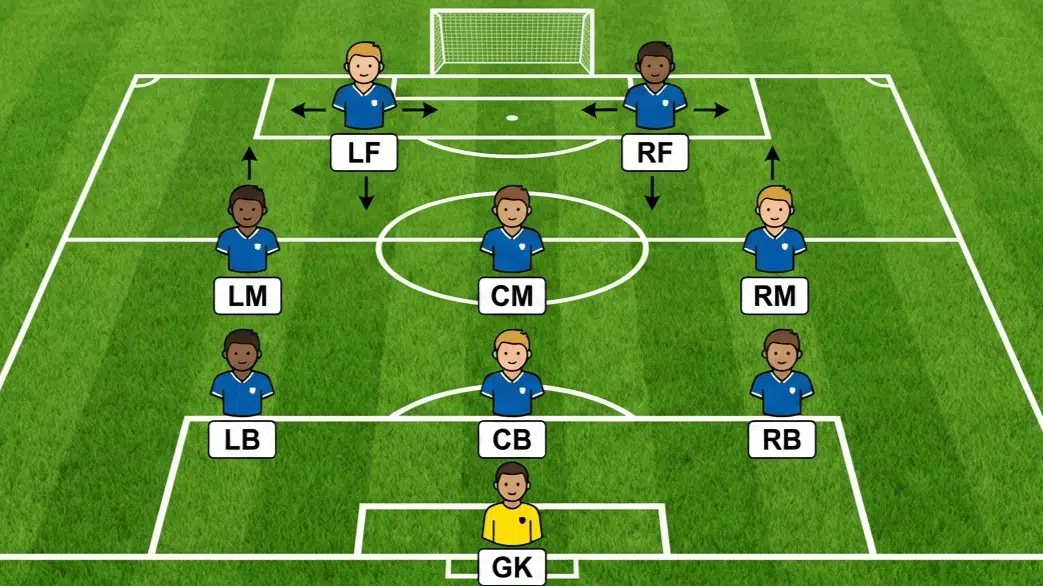
When I first started watching youth soccer games, I noticed the same problem again and again:
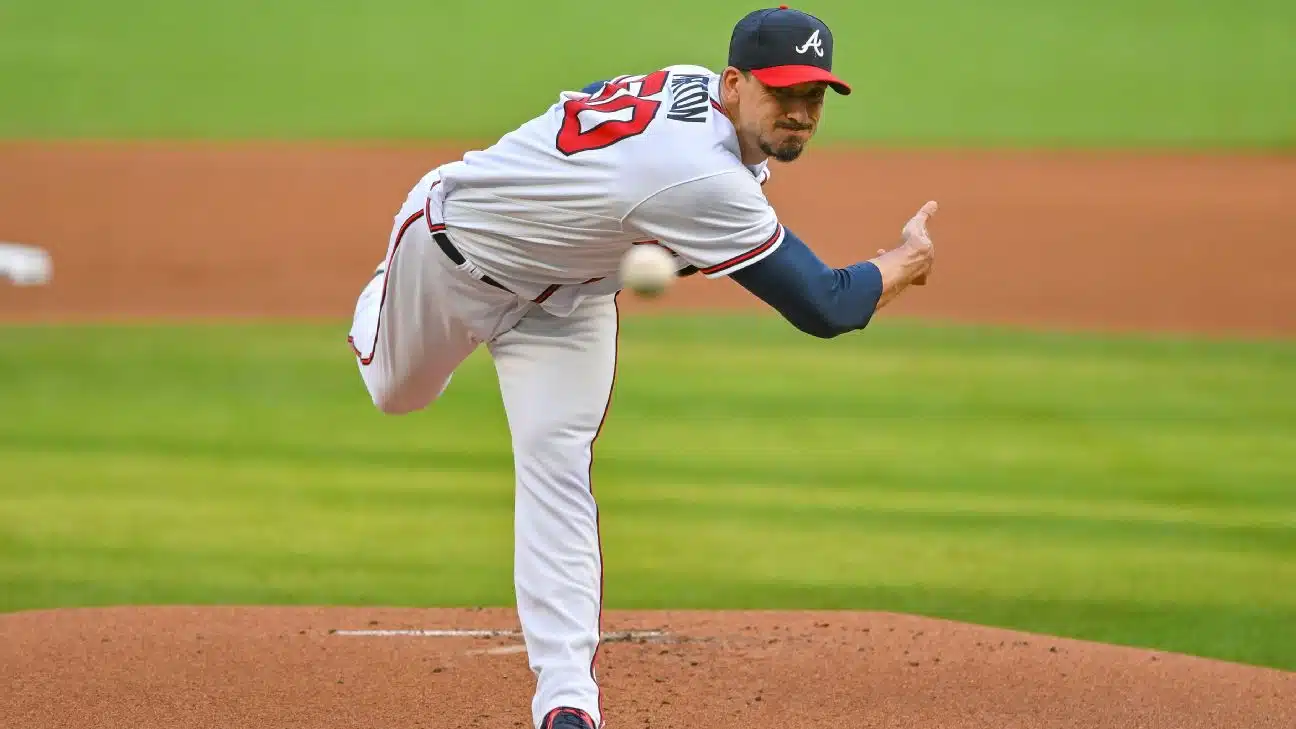
Baseball can get confusing fast, and any big baseball fan will admit it. One pitch comes
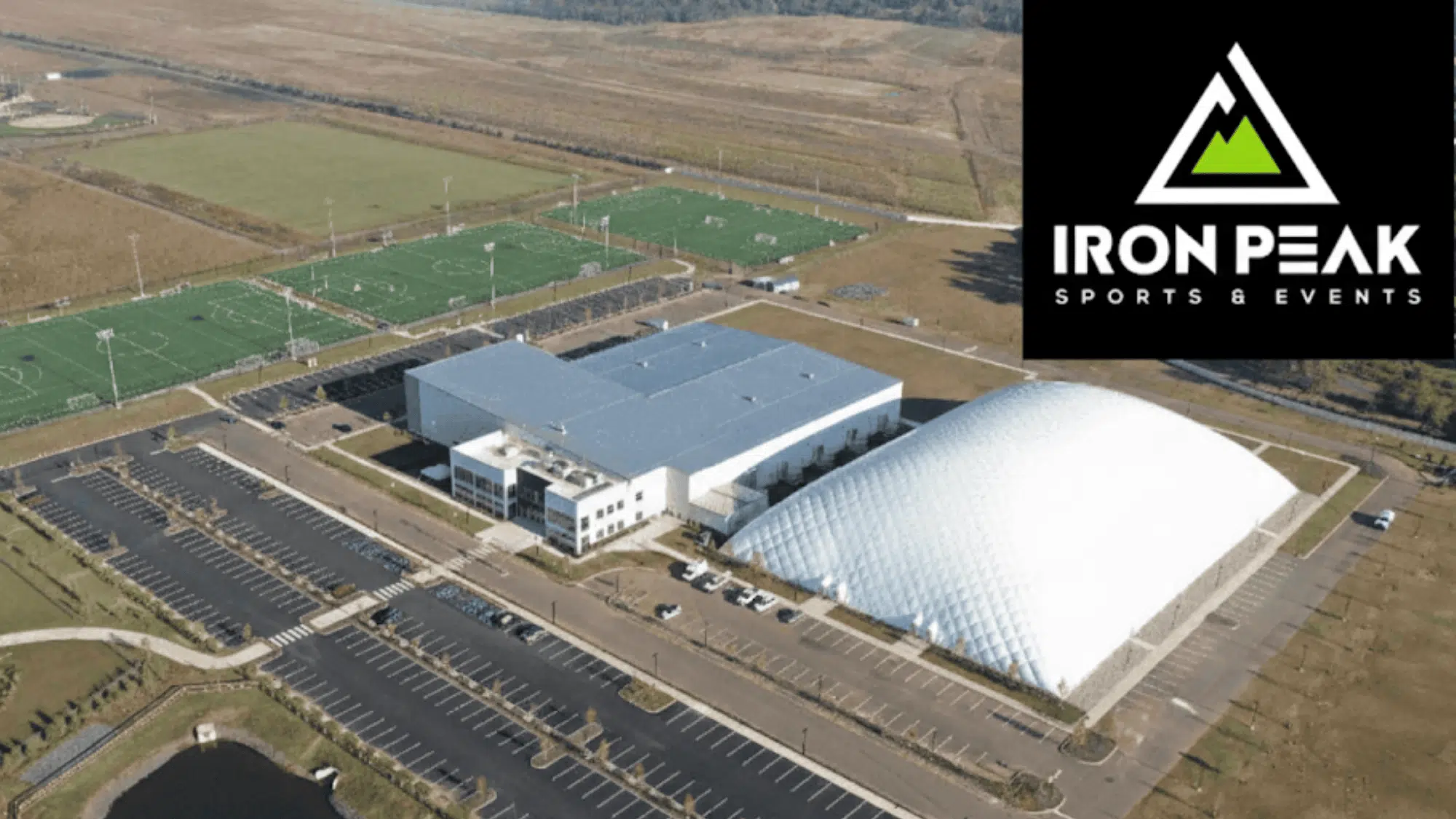
Looking for a sports and events venue in New Jersey that has it all? Iron Peak
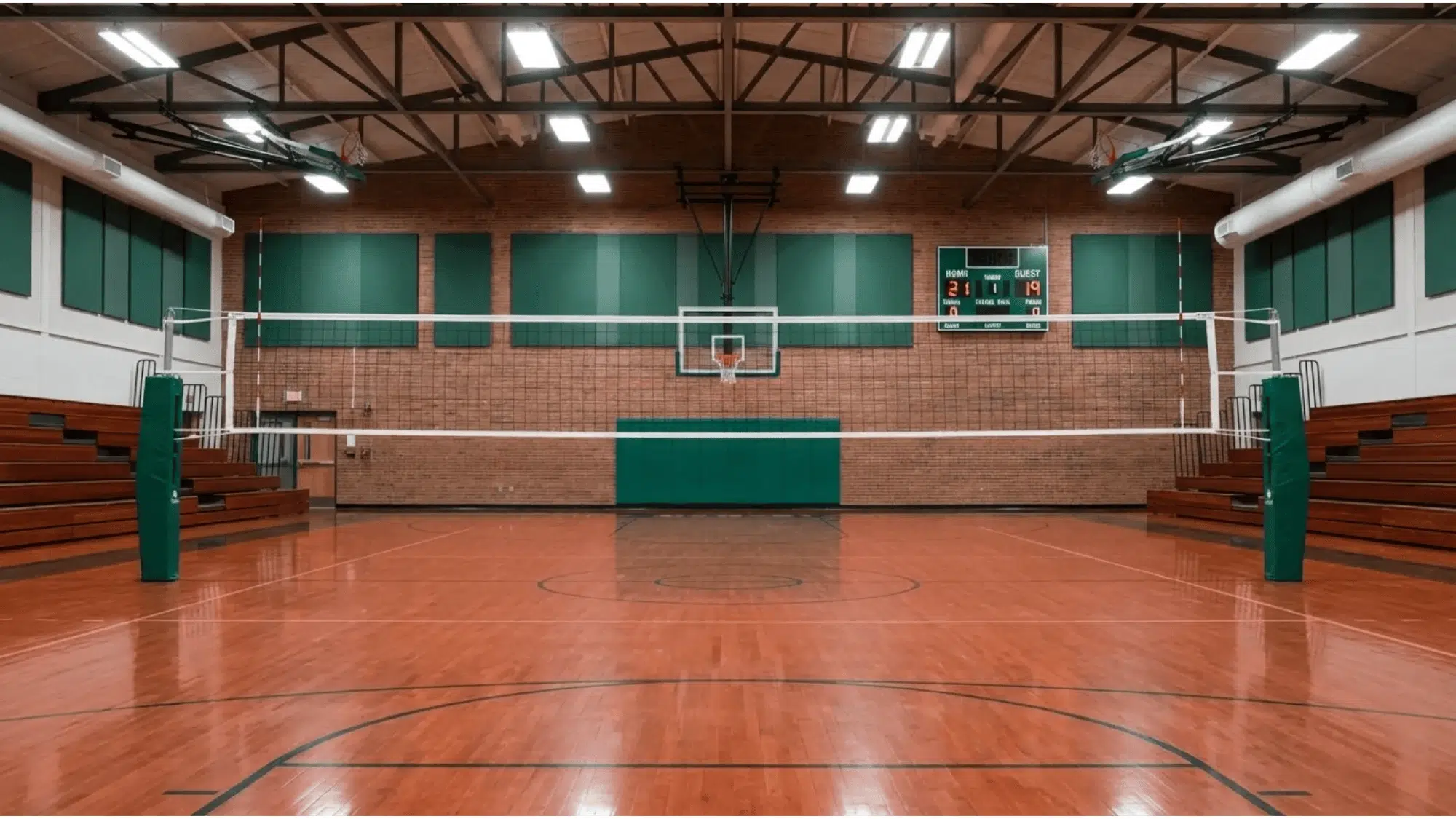
If you are setting up a court or understanding the lines during a match, clear measurements
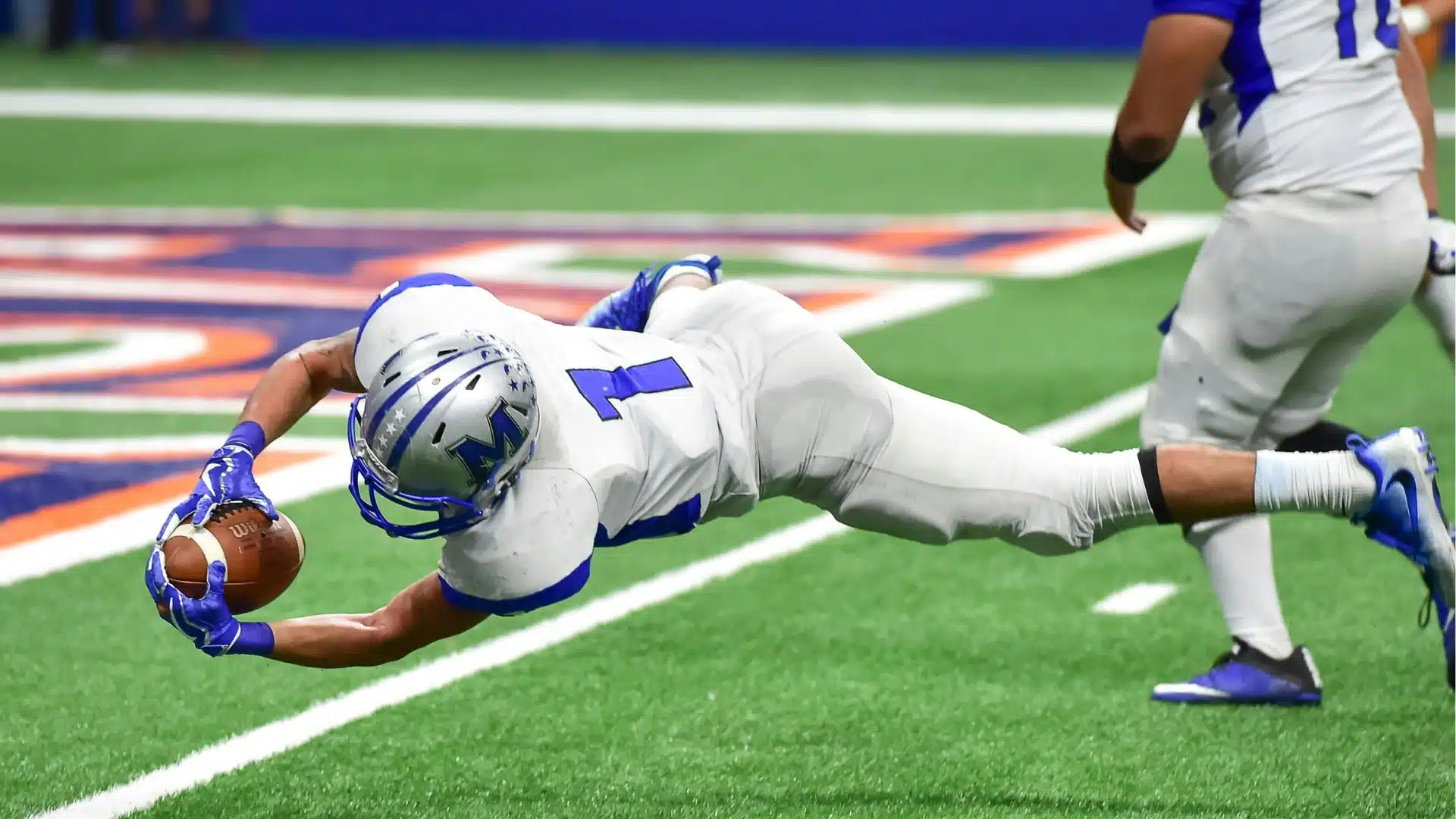
I cover sports the way fans live it in real time, when one confusing moment can
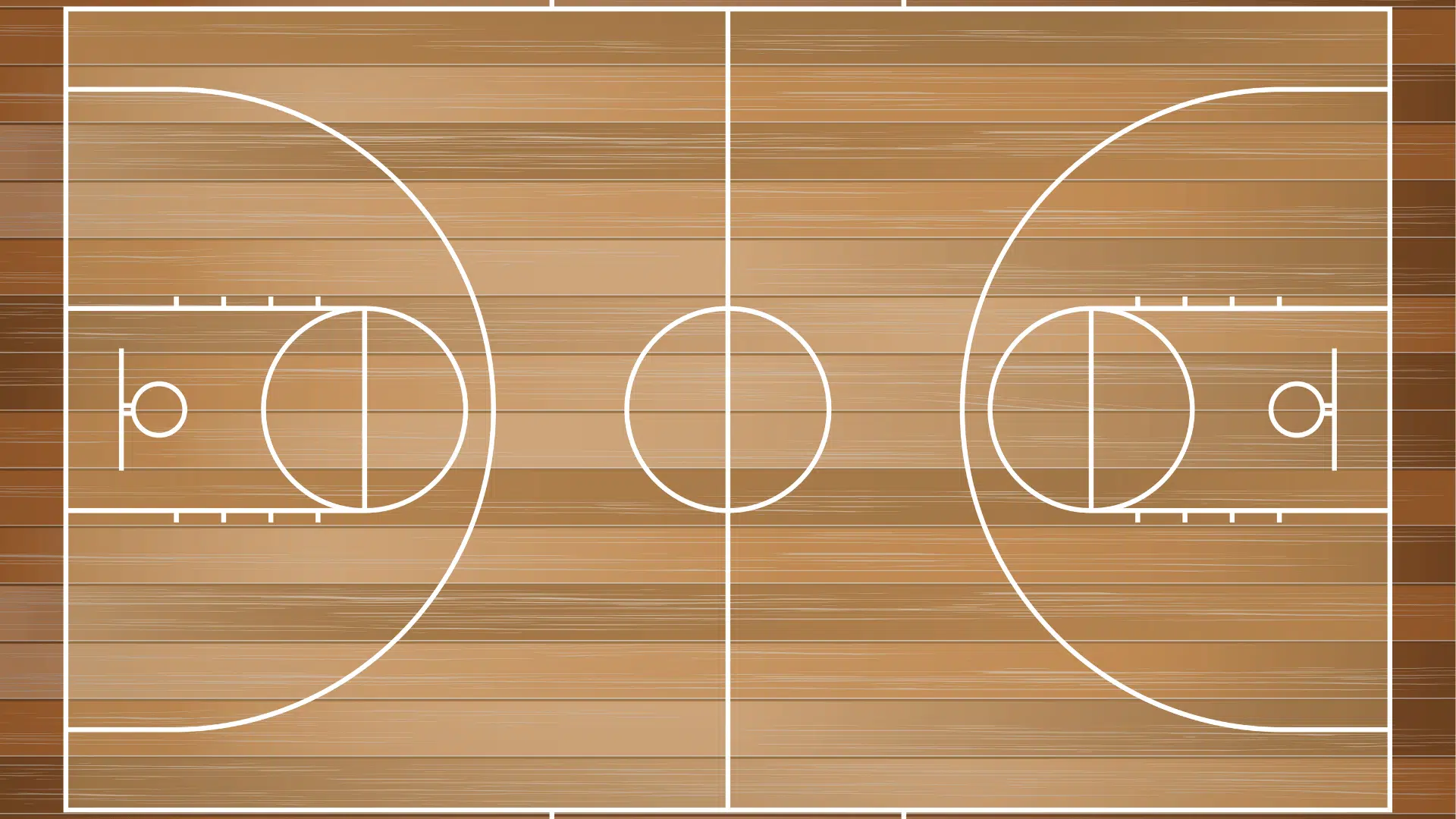
When it comes to basketball, the size of the court plays a big role in how

If you play, coach, or line a field for match day, soccer goal dimensions are not
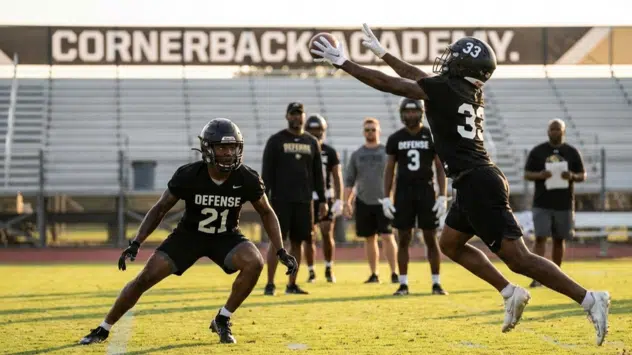
A cornerback (CB) is a defensive back who lines up on the outside of the defense
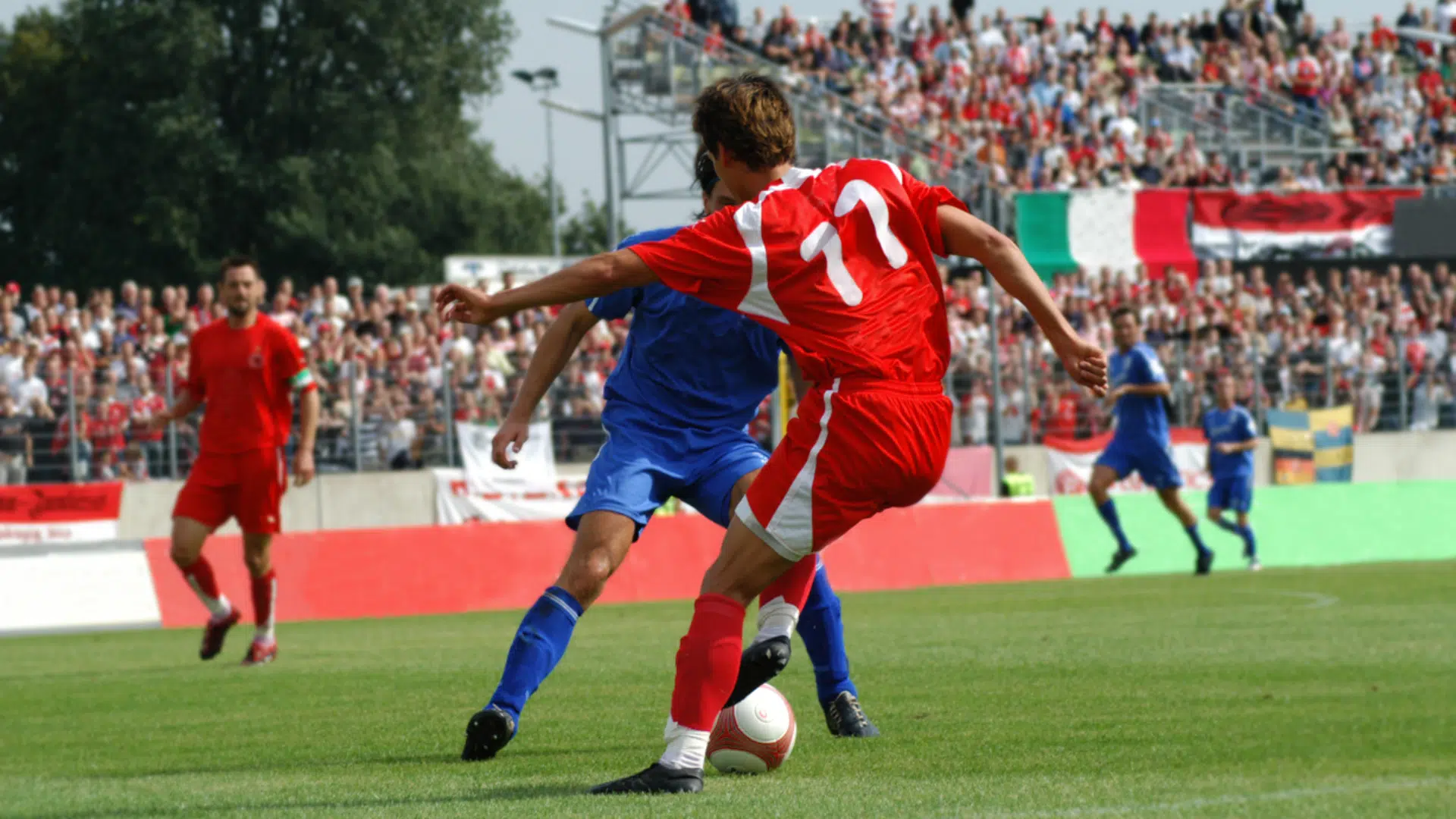
When I first started watching soccer, I kept hearing commentators mention CDM, and I had no
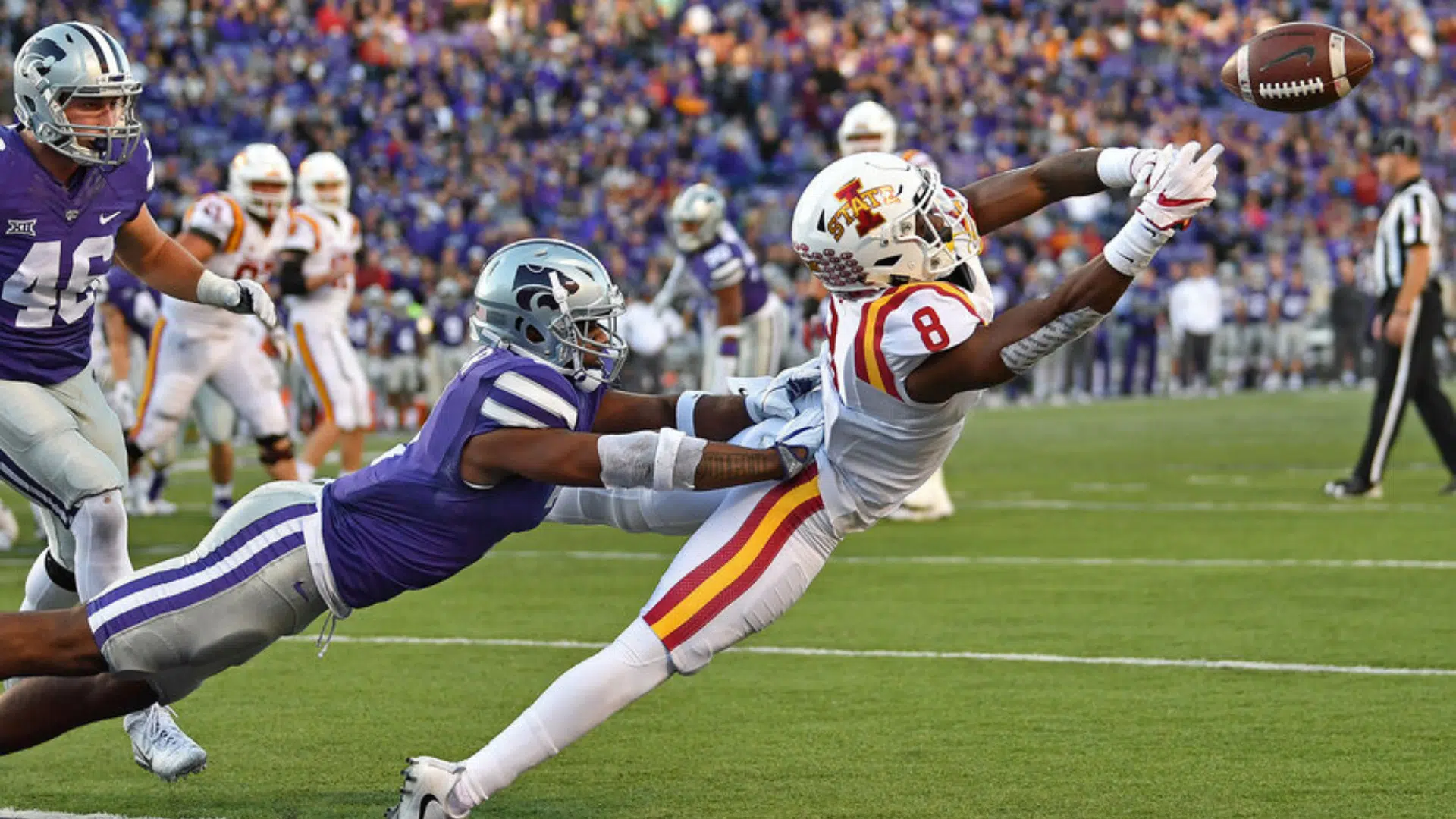
A 3-technique in football is a defensive alignment on the outside shoulder of an offensive guard,
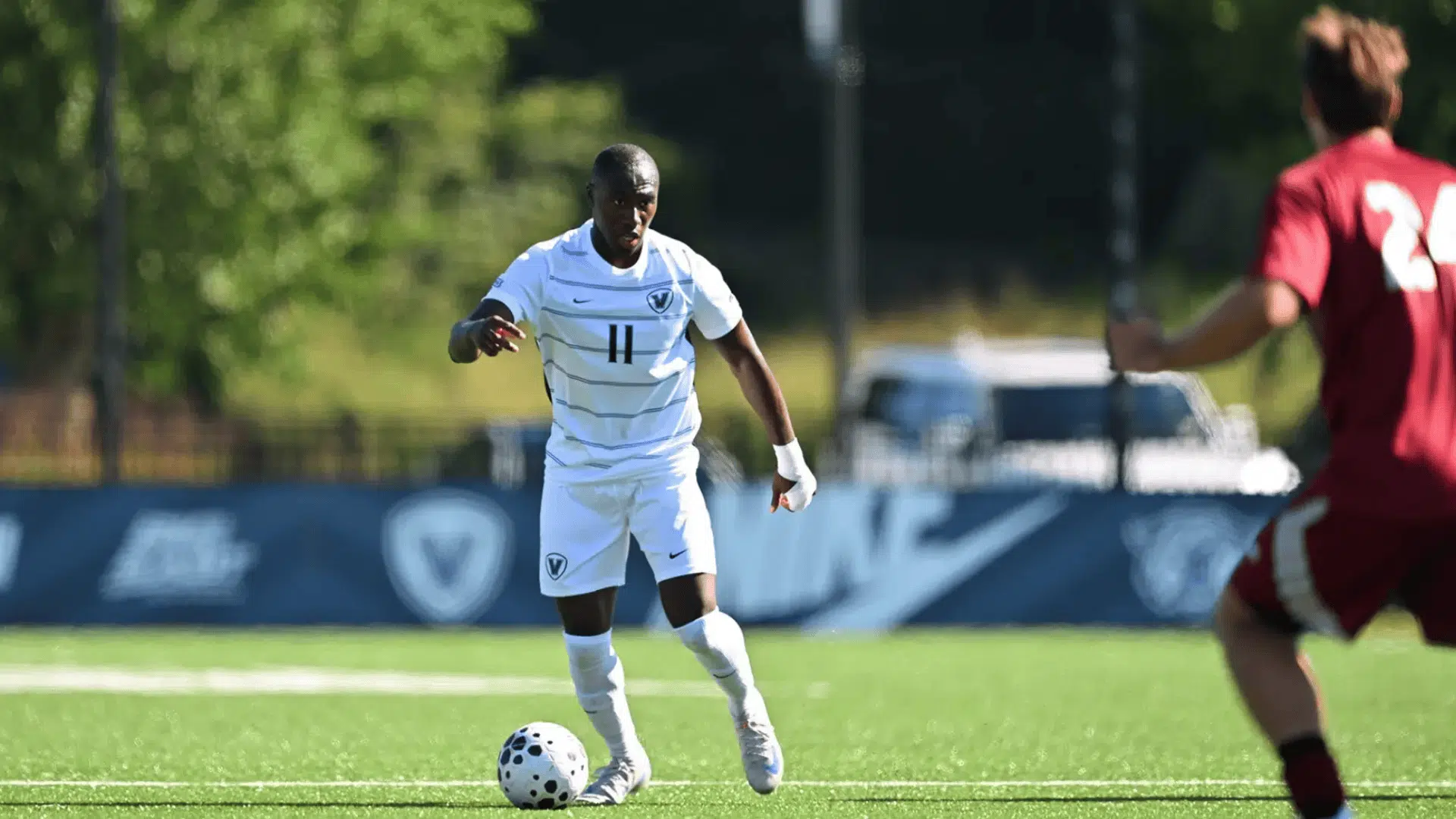
I still remember my first soccer shot flying nowhere near the goal. If that sounds familiar,
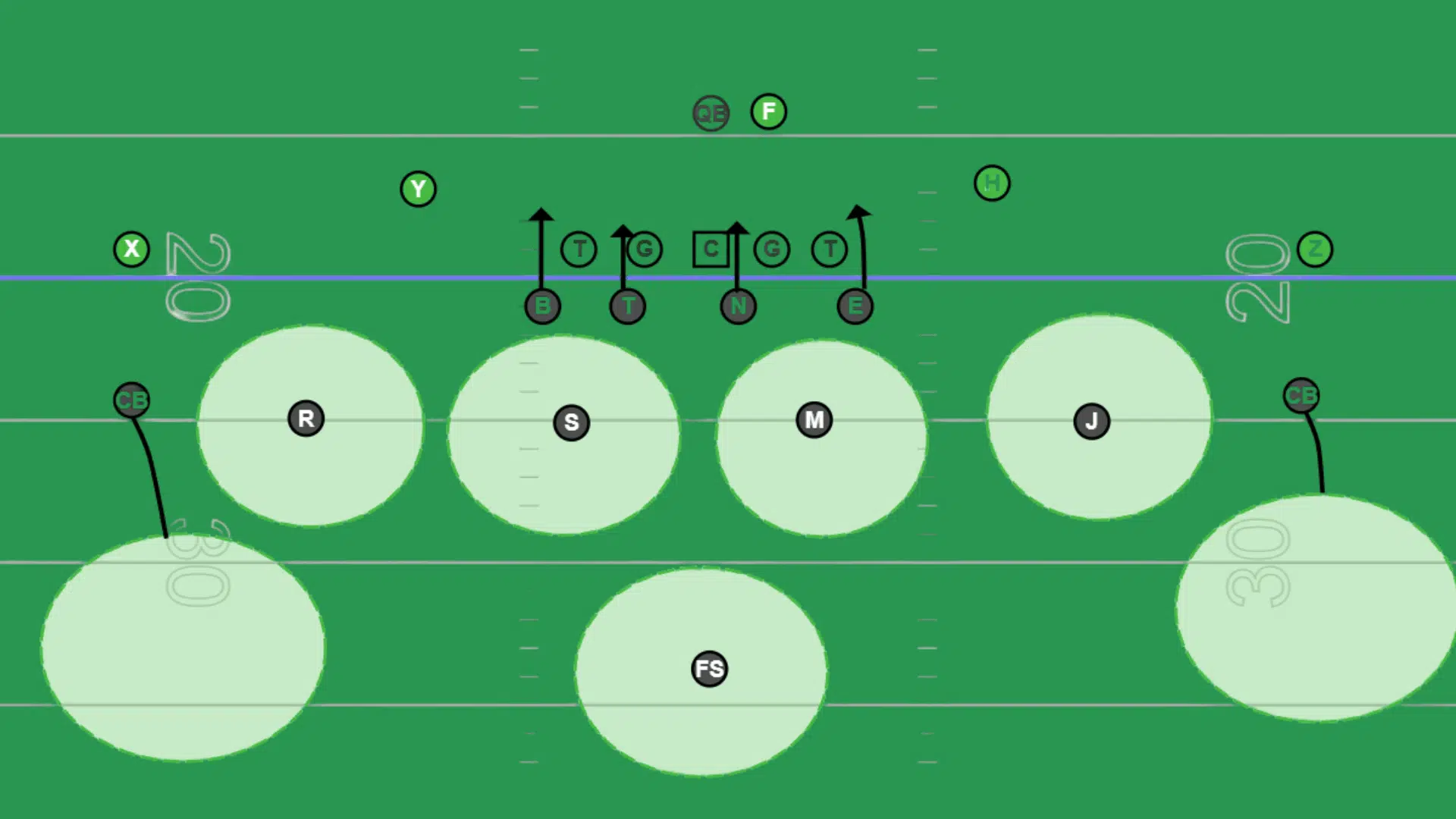
When covering football tactics, I often notice how small adjustments can shift the momentum of a