
Sports Fundamentals
I used to think understanding football positions would require knowing every technical detail, but the right explanation makes the game much easier to follow. The left tackle position is one of those roles that often goes unnoticed but plays a major part in offensive success. This position protects quarterbacks, supports blocking schemes, and faces some of the toughest defenders on the field. Understanding the left tackle position helps explain why teams value skilled offensive linemen and invest in reliable protection. In this guide, the role, history, responsibilities, skills, and challenges of left tackles are explained to help you understand their importance in modern football. Understanding the Left Tackle Position in Football The left tackle position is a key part of football’s offensive line, responsible for protecting the quarterback and supporting attacks. From the ground game to passing plays, the role requires strength, quick reactions, and advanced blocking skills. This position usually protects the quarterback’s blind side and handles some of the toughest defensive rushers on the field. Elite left tackles protect quarterbacks and give modern offenses the time and stability needed to succeed. Their responsibilities include pass protection, run blocking, communication, and adjusting against changing defensive strategies throughout games. The evolution of the left tackle position reflects football’s shift toward faster defenses and more complex offensive approaches. It remains one of the most important roles in football. How the Left Tackle Position Developed Over Time? The left tackle position evolved alongside football strategy, adapting to changing offensive systems, quarterback importance, and increasingly advanced defensive challenges. Early Football Approach: Early offenses relied heavily on rushing plays, so offensive linemen usually shared similar blocking responsibilities across the formation without specialized roles. Growth Of Passing Offenses: As passing concepts became more common, teams needed stronger protection systems to give quarterbacks more time and […]

Many football fans hear the term wide receiver every game, but they may not know exactly what the position involves. A wide receiver’s main job is to catch passes from the quarterback, gain yards, and score touchdowns. They also run precise routes, create separation from defenders, and block during certain running plays to help the offense succeed. In today’s NFL and college football, wide receivers often make the biggest plays and can quickly change the outcome of a game with a single catch. This guide explains what a wide receiver does, where they line up, their key responsibilities, the skills they need, and why they are one of the most valuable positions on a football team. It also compares wide receivers with other offensive positions to help you better understand their role. What Does a Wide Receiver Do in Football? A wide receiver catches passes, gains yards, blocks when needed, and helps the offense score points. As one of the primary receiving targets, a wide receiver works closely with the quarterback to move the ball down the field. Their role extends beyond catching the football. They must run precise routes, create separation from defenders, and make plays after the catch. During running plays, they are also expected to block defensive backs to help teammates gain extra yards. Modern football offenses depend heavily on wide receivers because they can stretch the defense and create scoring opportunities. A reliable receiver can turn a short pass into a long gain or make a difficult catch in a crucial situation. Whether lined up near the sideline or in the slot, wide receivers play a major role in keeping drives alive and putting points on the scoreboard. What Are the Main Responsibilities of a Wide Receiver? A wide receiver contributes in several ways throughout a […]

Watching basketball is much more enjoyable when you understand how points are scored. One of the most common scoring terms is the field goal, and it appears in every game, box score, and player stat sheet. Knowing what counts as a field goal helps you follow the action, understand team strategy, and make sense of shooting statistics. If you’re new to basketball or want a better understanding of the rules, this article explains what a field goal is, how it is scored, which shots qualify, which do not count, and why field goals play such an important role in the game. What Is a Field Goal in Basketball? A field goal is any legal basket scored during live play in a basketball game, except for a free throw. The ball must pass completely through the hoop from above after being legally shot, tipped, or dunked by an offensive player. A successful field goal can be worth two or three points, depending on where the shot is taken. Since field goals account for most of the scoring in a game, they are among the most important parts of basketball and are recorded in every player’s official shooting statistics. What Constitutes a Field Goal in Basketball? A field goal must meet several basic conditions before the points can be added to the scoreboard. These numbered criteria explain when a basket is officially recorded as a field goal. 1. The Shot Must Be Attempted During Live Play A field goal attempt begins when an offensive player shoots, dunks, tips, or throws a live ball toward the team’s basket while play is active. Layups, jump shots, hook shots, floaters, bank shots, and tip-ins can all qualify. Free throws do not count because they take place after certain fouls and follow separate scoring rules. A […]

If there is one thing I wish every new pickleball player learned before hitting hundreds of practice shots, it would be how to hold a pickleball paddle correctly. It may seem like a small detail, but it affects almost every shot you play. A grip that feels comfortable at first can quietly reduce control, slow hand speed, and make simple shots much harder than they should be. Many players spend months adjusting their swing when the real issue starts with their hand placement. Fixing your grip is usually quick and can make your game feel more natural almost immediately. This blog post explains how to hold a pickleball paddle step by step, the grip most players should use, how tightly to hold it, and the common mistakes to avoid. What Is the Best Grip for Most Pickleball Players? The Continental grip, also called the handshake grip, is the best starting grip for most pickleball players. It helps players hit forehands, backhands, volleys, serves, blocks, and dinks without often changing hand position. To use it, simply hold the paddle as if shaking hands with it — modern pickleball paddles with a properly sized grip make this feel natural. This keeps the paddle face balanced and easy to control. This grip works well because it supports quick reactions at the kitchen, builds consistency, and offers a good mix of control and power. Advanced players may adjust their grip for certain shots, but the Continental grip remains the main foundation. How to Hold a Pickleball Paddle? Once you know the basic grip, the next step is learning how to place your hand correctly on the paddle. The steps below will help you build a grip that feels relaxed, steady, and easy to repeat during a real game. 1. Start with the Handshake Method […]

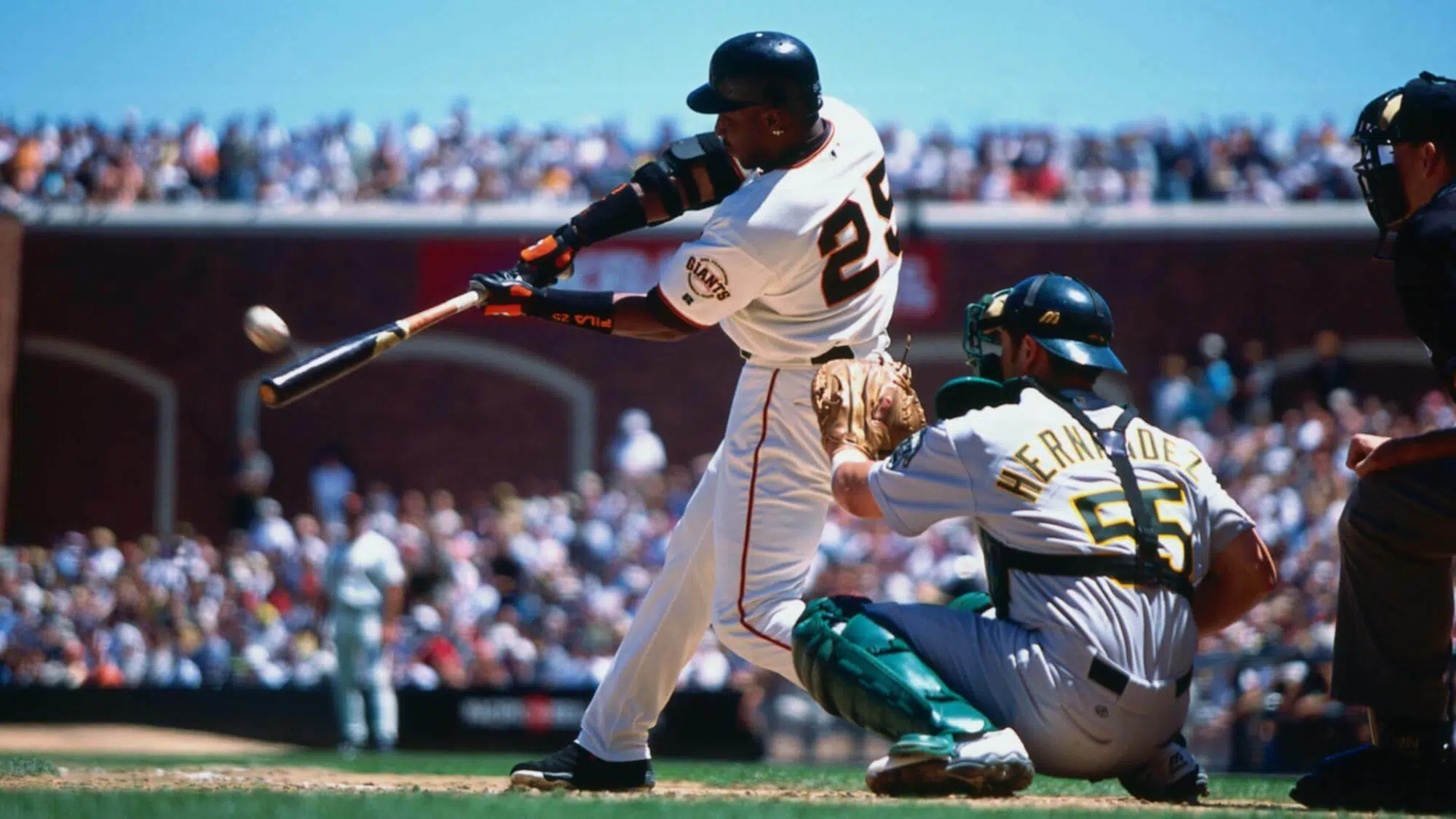
Baseball has a language of its own, and I know how confusing it can feel when

Softball games are louder, more fun, and more exciting when the dugout has energy. That’s where
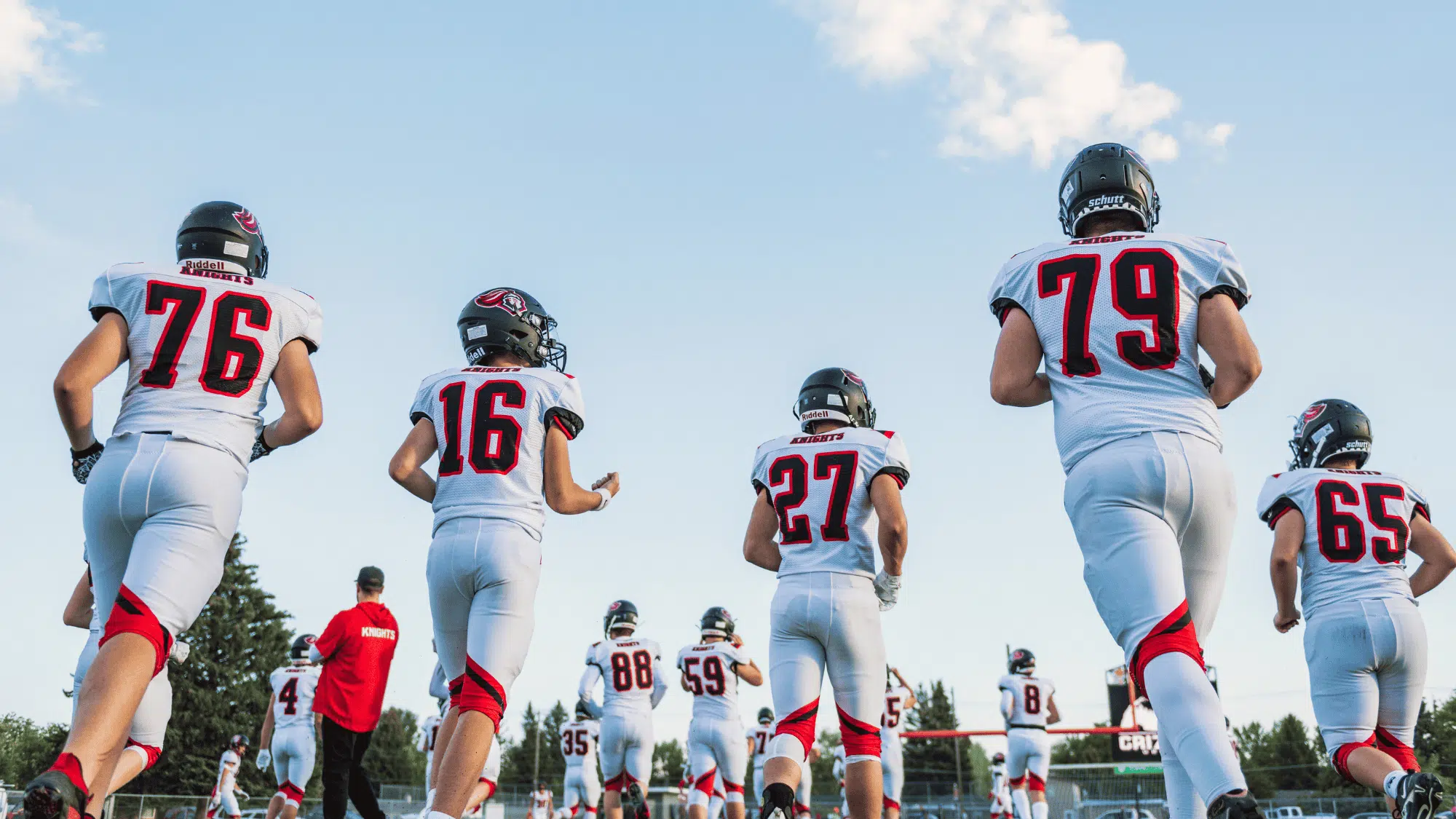
Football is one of the most exciting sports to watch, but the time it takes to
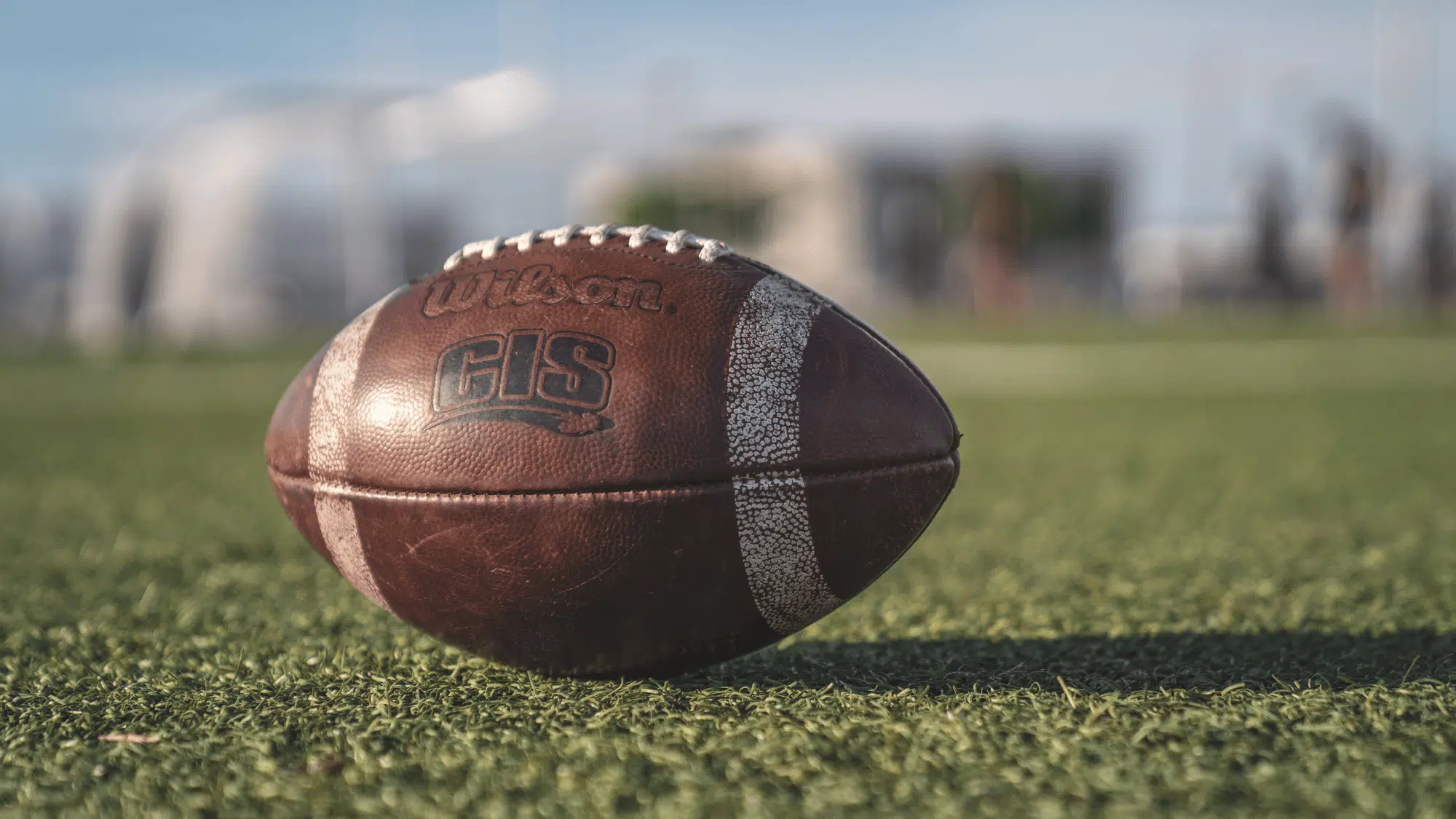
Ever wondered why an American football team on TV shows just 22 players on the field,

A striker is the main goal-scorer, the player who lines up closest to the opponent’s goal

Running a sports team gets expensive fast. Uniforms, travel, tournament fees, and new gear can add

Wondering how many sets a table tennis match should have and what works best for your

A blitz in football can look wild and chaotic, especially if the quarterback is getting swarmed

Picture this: the gym is loud, the score is tight, and everyone on the bench is

Volleyball can look a little confusing at first, right? Six players on the court, everyone moving,

When watching soccer and American football, the fields might seem somewhat alike at first. But look

Golf can feel confusing at first, especially with all the unique scoring terms players use on