
August 5, 2026
Ever feel like your softball skills go on pause the moment the weather turns bad or the season ends? Missing the field doesn’t have to mean missing valuable practice. With the right drills, a garage, basement, hallway, or gym can become an effective training space. Many essential softball skills, including hitting, throwing, fielding, footwork, and reaction time, can be developed indoors using minimal equipment. This guide shares practical indoor softball drills that help players make the most of limited space, stay consistent during the off-season, and continue building confidence until it’s time to get back on the field. Why Does Indoor Practice Work? Indoor practice is an effective way to keep softball skills sharp when outdoor fields are unavailable. Regular repetitions help reinforce muscle memory, making movements feel more natural during games. A small space still works well for practicing throwing, swinging, glove work, footwork, and reactions. Short, focused sessions also make it easier to identify and correct small mistakes before they become habits. Many coaches encourage consistent skill work during the off-season because steady practice often leads to better performance once competition resumes. With a few basic training tools and a safe practice area, players can continue developing confidence and consistency year-round. The key is to focus on quality movements rather than the amount of space available or the length of each session. Essential Equipment for Indoor Softball Training Having the right equipment makes indoor softball practice safer, more effective, and easier to organize. Most drills require only a few basic training tools that help improve skills while protecting players and indoor spaces. Equipment Purpose Best For Foam or Reduced-Flight Softballs Improve skills safely while reducing the risk of injury or damage indoors. Throwing, catching, hitting Batting Tee Creates a consistent point of contact to build proper swing mechanics. […]

Jersey numbers are more than a way to identify players during a match. Many have become linked with legendary careers, iconic moments, and traditional positions on the field. The best soccer numbers are often remembered because of the world-class players who wore them and the roles they played for their teams. While modern soccer allows greater flexibility in squad numbering, certain numbers still carry a strong history and meaning. This article explains the most famous soccer jersey numbers, the players who made them iconic, what each number traditionally represents, and why these numbers remain popular across every level of the game. What Are the Best Soccer Numbers? The best soccer numbers are 1, 7, 9, 10, and 11 because they are linked with legendary players and traditional positions. Although modern teams allow greater freedom when assigning squad numbers, these classics remain the most respected because of the players who made them famous. Each number has its own history and role on the field. No. 1 is traditionally worn by goalkeepers, No. 9 is associated with top strikers, and No. 10 is known for creative playmakers and team leaders. Traditional numbers still help fans identify player roles and connect different generations of soccer history. However, the best number for any player depends on their position, playing style, and personal preference. Most Notable Soccer Players by Jersey Number Some jersey numbers are linked with more than one legendary player. Looking at the stars behind each number shows how different playing styles and careers shaped its reputation. Number 7: Cristiano Ronaldo and David Beckham The No. 7 jersey became one of the most recognizable numbers in soccer because of players like Cristiano Ronaldo and David Beckham. Ronaldo wore it for Manchester United, Real Madrid, Juventus, and Portugal while winning major trophies and individual […]

Every player on the field has a job, but knowing how those jobs fit together is what makes a team successful. 9v9 soccer positions are easier to understand within different formations and tactical setups. The way players are arranged affects how a team attacks, defends, and moves the ball across the field. Each formation gives players unique responsibilities while offering its own strengths and weaknesses. Choosing the right setup often depends on your team’s skill level, playing style, and match strategy. Learn how the most common 9v9 formations work, what each position is responsible for, and the advantages of every system. If you’re a coach or player, you’ll gain a clear understanding of how every position contributes to the team’s overall performance. Understanding the Basics of 9v9 Soccer A standard 9v9 soccer team has nine players on the field, including one goalkeeper, with matches played on a smaller field than 11v11 soccer. This format gives players more touches on the ball and greater involvement in both attack and defense. Formations play an important role by organizing players into balanced attacking and defensive units while helping them understand positioning and teamwork. As formations change, player responsibilities also shift, requiring defenders, midfielders, and forwards to adapt to different tactical roles. Learning these fundamentals helps players develop decision-making, positional awareness, and the tactical understanding needed for success in both 9v9 and future 11v11 matches. Why Do 9v9 Soccer Formations Matter? Formations are the foundation of how a 9v9 soccer team plays, influencing both attacking and defensive performance. A well-chosen formation creates balance across the field, ensuring players can support one another while maintaining good spacing and organization. It also helps young players develop important tactical concepts such as positioning, movement, communication, and teamwork. Different formations offer the flexibility to adapt to various opponents, […]

A brilliant performance can change how fans see an athlete, but one game rarely reveals a complete level of ability. A striker may score three goals, a guard may hit every difficult shot, or a goalkeeper may make ten saves. Those moments deserve attention, yet they are still one small part of a longer record. Sports reward decisive moments, so viewers naturally remember unusual peaks and failures. Highlights, headlines, and social media posts make these events seem even more important. Careful evaluation starts by asking whether the performance reflects a stable skill, a helpful situation, or short-term variation. Why Exceptional Games Carry so Much Weight A single match is easy to understand and discuss. It provides a clear story with a winner, a turning point, and visible heroes. A season contains much more information, but that evidence is harder to compress into one confident opinion. Several forces make one performance appear more meaningful than it is: Spectacular actions are replayed more often than routine decisions Recent events feel more relevant than older evidence Strong opinions spread faster than cautious conclusions Fans notice results that support what they already believe. None of this makes a great game unimportant. It may reveal a new tactical role, improved fitness, or a skill that was developing in practice. However, the game should become a reason to watch more closely rather than final proof of a permanent change. Context Changes the Meaning of a Performance Opponent Strength and Game State Statistics gain meaning only when the surrounding conditions are considered. Scoring against an elite defense differs from scoring against a weakened team. Likewise, five late points in a settled contest might matter less than five points during a close final minute. Game state also changes risk. A team that is losing may attack more aggressively […]

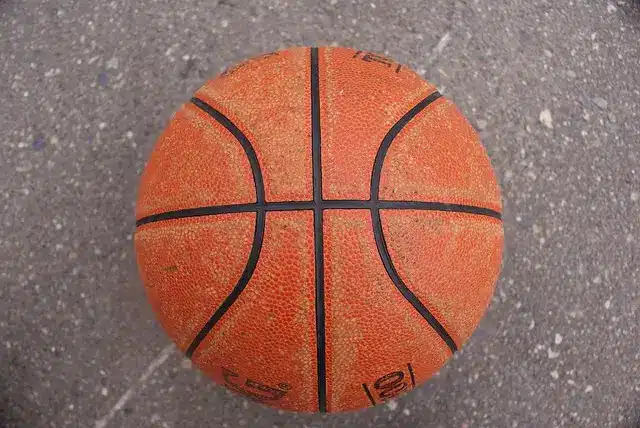
The NBA offseason often determines how teams enter the race for contention long before opening night.

Every rumor reshapes the playoff race, with the Milwaukee Brewers at the center of this year’s

Every soccer team has 11 players, but their positions can completely shape how the game is

Some basketball positions come with one clear job. Small forward is not one of them. In

Some people become legends without ever playing the game. I find those stories just as interesting

Every player deserves a fair tryout, but consistent evaluations require a clear system. A baseball tryout

If you’ve watched a soccer, hockey, or cricket game, you’ve probably heard the term “hat trick.”

The hardest hit is not always the best hit. Consistent contact wins more at-bats than swinging