June 9, 2026
Horse racing is one of the world’s most followed sports, meaning that it is unsurprising that many sportspeople typically look to venture into the lucrative world of racing. There have been mixed fortunes throughout history, with some achieving notable success, while others have faltered in their dreams of winning on the field and on the track. Regardless, racing continues to be one of the most popular sports in the world, with many newcomers typically learning more about the odds here: http://twinspires.com/betting-guides/what-do-horse-racing-odds-mean/ So, who are some of the notable sportspeople that have achieved cross-sport success in racing? Mick Channon Reaching the pinnacle in one sport wasn’t enough for Mick Channon, as he sought after a new challenge after retiring from soccer. On the pitch, the striker was a revered forward, scoring 157 goals in 391 appearances for Southampton, and also enjoying spells in the Football League with Manchester City and Newcastle. Channon would also represent England on 46 occasions between 1972 and 1977, scoring 21 goals in 46 games. However, he holds the record for being the most-capped Englishman without representing the nation at the World Cup or European Championships. After retiring from soccer, Channon revisited his passion for horse racing, becoming a full-time trainer in 1990. His connection to soccer would see him train horses for figures such as Kevin Keegan, Sir Alex Ferguson, and Alan Ball. Channon would achieve major wins on track during his training career, winning Group Ones in the UK, Ireland, Germany, Italy, and Canada. His most notable win would come in the Irish 1,000 Guineas with Samitar in 2012. Victoria Pendleton Competing at the highest level of sport is no easy feat, but Victoria Pendleton reached remarkable highs during her career. The British cyclist would win two Olympic titles, as well as World and Commonwealth […]
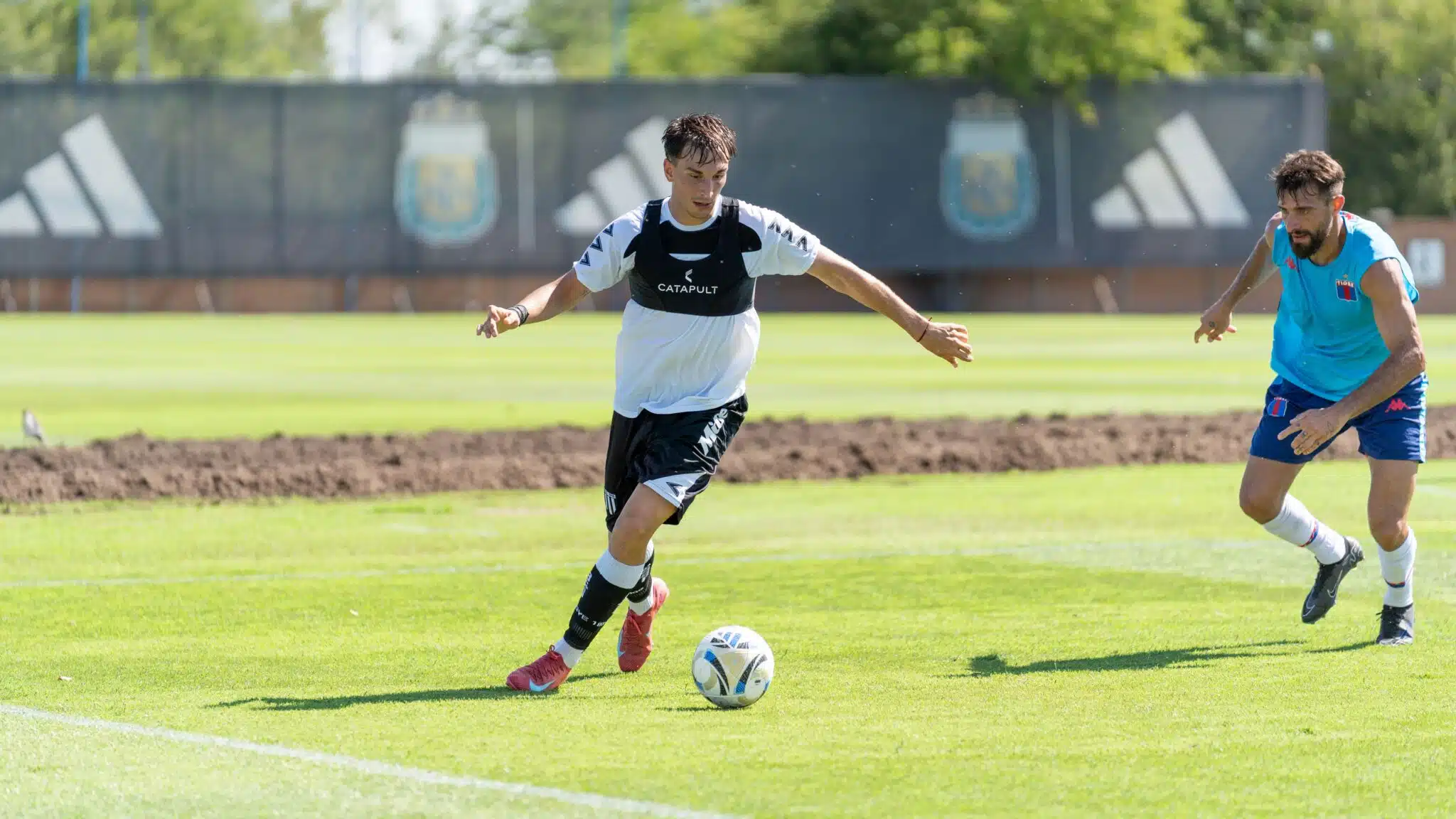
The 2026 World Cup is a monster compared to the ones that came before it. Forty-eight teams now, games scattered across three different countries, and if you make the final you might play eight matches in just over five weeks. That length flips the whole preparation problem on its head. Players aren’t peaking for one big moment anymore. They’re trying to last, and the ones who handle the back end of the tournament tend to be the ones who saw the grind coming. Part of what makes a tournament this long so gripping for fans is trying to read it before it unfolds — which sides have the legs for a deep run, which dark horses fade once the schedule bites. That guesswork is half the fun, and plenty of supporters follow the football betting markets through the group stage just to see how the smart money rates each team’s staying power. Those odds shift constantly as fitness, form, and squad depth reveal themselves, which is exactly what the rest of this piece is about: the physical preparation that decides who lasts. Building the Engine Before They Arrive Most of what matters has already happened by the time a squad meets up. Players spend the weeks beforehand topping up their aerobic base, because the alternative is a knackered footballer in week four, and a knackered footballer gets hurt. You can’t really build fitness once the tournament starts. There isn’t room. So the lead-in is about making sure a player can go hard, recover, and go hard again 48 hours later without breaking down. What a coach really wants to know isn’t someone’s ten-metre sprint time. It’s whether he can still hit that speed in the 75th minute of his fifth game. The travel is the part that makes 2026 unlike […]