





Every athlete wants to run faster, jump higher, and perform with greater confidence. While strength and endurance often receive the most attention, one essential ingredient of athletic success is frequently overlooked: mobility. The ability to move freely, efficiently, and with control can separate good athletes from exceptional ones.
Gymnastics has long been recognized as one of the best ways to develop these qualities. Through carefully designed exercises that improve flexibility, coordination, balance, and joint mobility, gymnastics creates well-rounded athletes who are prepared for the physical demands of almost any sport.
For many families, gymnastics training for children provides the perfect introduction to athletic development, helping young athletes build movement skills that benefit them throughout their sporting lives.
Why Mobility Matters More Than You Think
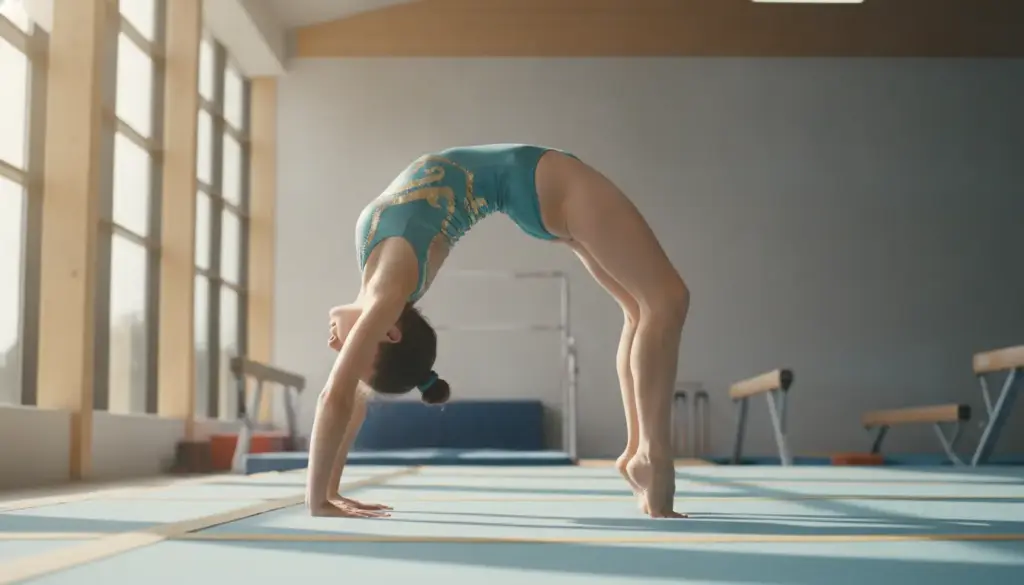
Mobility isn’t simply about touching your toes or performing the splits. It refers to how well your joints move while your muscles provide strength and stability throughout each movement.
Athletes with good mobility can accelerate, stop, twist, jump, and change direction more efficiently. Their movements become smoother and require less unnecessary effort, allowing them to perform at a higher level while conserving energy.
Gymnastics develops this type of movement naturally by encouraging children to explore a wide range of positions and motions in a safe, supervised environment.
Building Better Athletes From the Ground Up
Unlike sports that emphasize only specific skills, gymnastics trains the entire body. Every session combines flexibility exercises with strength, balance, coordination, and body awareness.
Children learn how to control their movements rather than simply completing them. They develop stronger core muscles, better posture, improved stability, and greater confidence in their physical abilities.
These benefits become especially valuable when young athletes participate in other sports, where efficient movement often determines success.
Improved Performance Across Every Sport
The athletic qualities developed in gymnastics transfer remarkably well to many sporting activities.
A football player changes direction more quickly because of improved balance.
A basketball player generates more power during jumps thanks to stronger hips and core muscles.
A swimmer benefits from increased shoulder mobility, allowing for smoother and more efficient strokes.
Tennis players gain faster footwork, while martial artists improve coordination, flexibility, and control.
Even sports that appear unrelated to gymnastics rely heavily on the same movement patterns that gymnastics develops from an early age.
Reducing the Risk of Injury
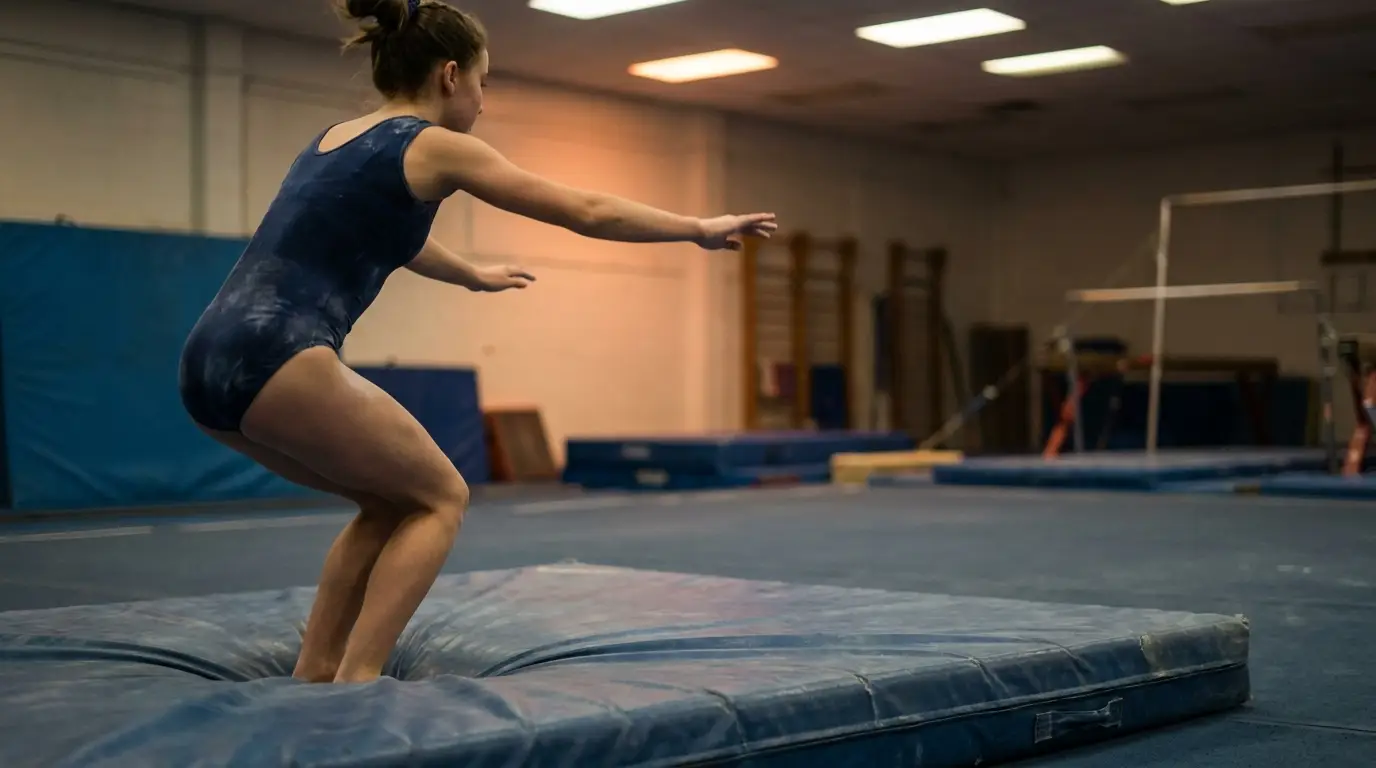
One of gymnastics’ greatest advantages is its focus on quality movement. Children learn proper landing mechanics, controlled body positions, and safe ways to absorb impact.
This helps reduce stress on the knees, hips, ankles, and shoulders during physical activity.
At the same time, regular mobility exercises help prevent muscles from becoming overly tight, while balanced strength training reduces the muscular imbalances that commonly lead to overuse injuries.
For young athletes who train in multiple sports throughout the year, these benefits can make a significant difference in long-term health and performance.
Confidence Begins With Movement
Physical development and self-confidence often grow together.
As children master new gymnastics skills, they discover what their bodies are capable of achieving. Learning a cartwheel, maintaining balance on a beam, or performing a controlled roll teaches persistence, patience, and resilience.
These experiences help children approach challenges in other sports with greater confidence. Instead of fearing difficult movements, they become comfortable trying new skills and adapting under pressure.
The Long-Term Value of Gymnastics
Sports specialization at an early age has become increasingly common, but many coaches recommend developing broad athletic abilities before focusing on one discipline.
Gymnastics supports this philosophy by teaching universal movement skills that remain valuable throughout an athlete’s career. Better flexibility, improved mobility, stronger coordination, and enhanced body control continue to provide advantages regardless of whether a child eventually chooses football, tennis, swimming, athletics, or another sport.
Rather than training for one season, gymnastics builds the physical foundation for years of athletic success. By developing efficient movement patterns early in life, young athletes gain a lasting advantage that supports both performance and overall physical well-being.